As if outdated ideological divisions were not enough, our politics are plagued also by frivolous behavior which rule out cooperation and make it more difficult to shape effective policies.
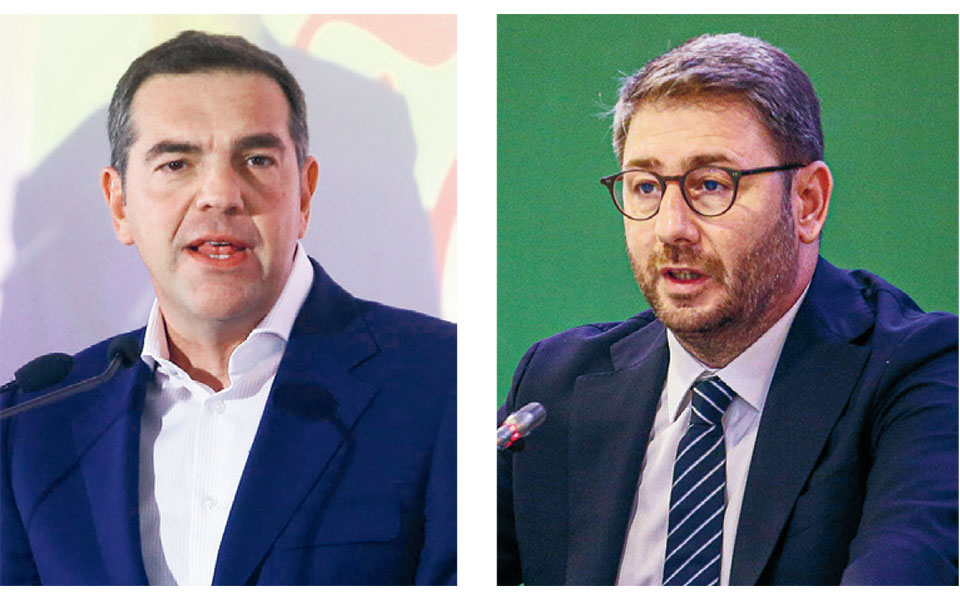
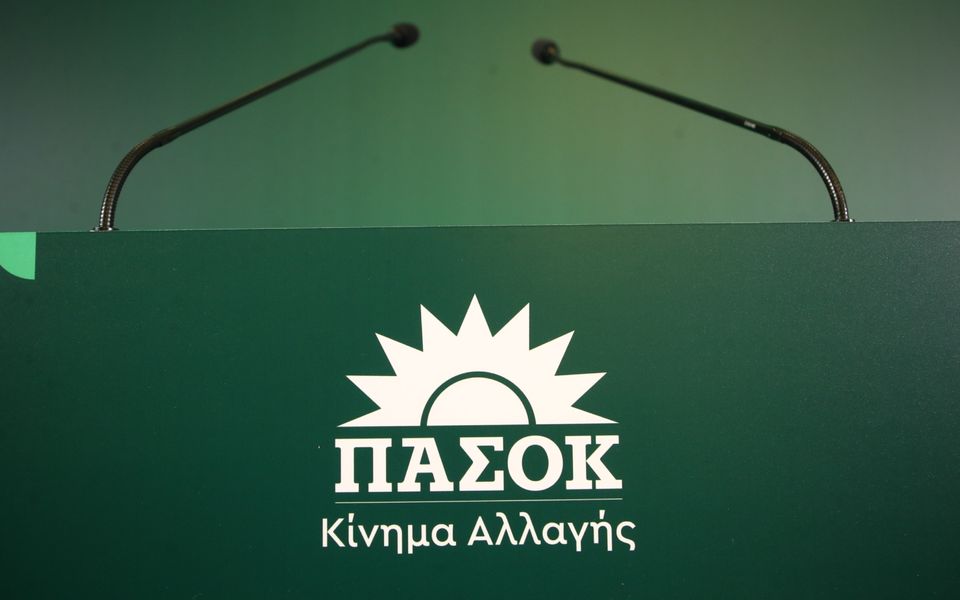
The “purity test” that leading members of PASOK demand of their leadership – a commitment that it will not cooperate with New Democracy after the elections – is a shining example of this. The party that was second in polls until recently (until former prime minister Alexis Tsipras unveiled his new political vehicle) is being subjected to a trial that can only result in measuring the ideological patriotism of its leadership while limiting its postelection options.
The party could be divided between “patriots” and “sellouts,” as those who set this process in motion obviously believe that it will break their rivals, to their own benefit. This is often the criterion by which party rivals evaluate each other, by which one party judges the other. No group – political, social, professional etc. – is safe from this: Sooner or later, its members will be called on to choose between declaring ideological purity and managing reality. Then, necessary compromises can lead to splits, while full-frontal clashes with domestic and outside enemies can bring painful defeats. In any case, our inability to evaluate conditions, our strengths and our choices, and to act accordingly, has cost the nation dearly – from monumental moments, such as the Fall of Constantinople and the Asia Minor Catastrophe, to the breakup of a company or society that might have had much to offer.