Producers growing hay, for example, may decide to reduce or forgo some fertilizer applications, he said. That could lead to lower production and lower-quality hay, which could require cattle producers to buy supplemental feed for their livestock to provide the nutrition the animals need during the winter, he said.
Then there's the approach Arrington is taking - using an alternative fertilizer like poultry litter.
"The times are changing, and we've got to change too," Arrington said. "We feel like if you keep doing the same thing in this current environment, people that aren't willing to change may not get to continue playing in this current age of farming."
But change can come with challenges. Poultry litter only becomes available when chicken houses are cleaned, not necessarily when a farmer needs it, said Maples.
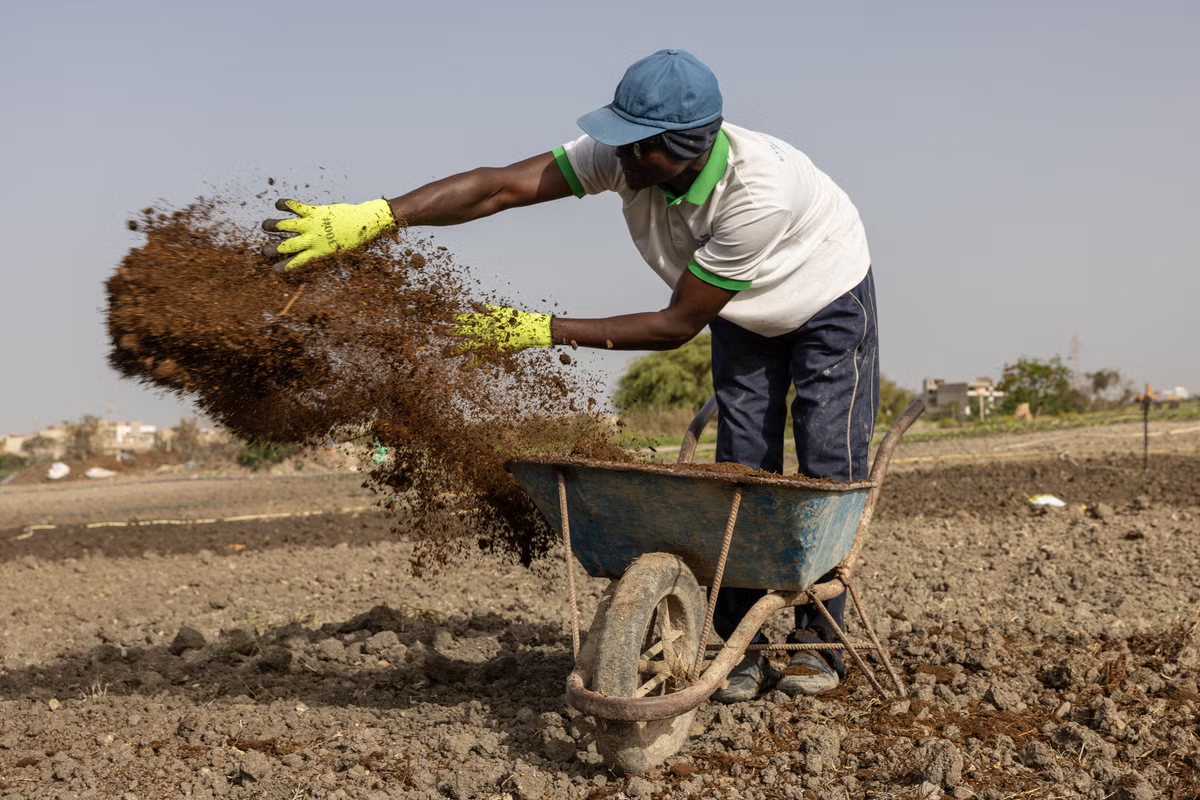
Using litter also can be "logistically troublesome" and involves additional transport costs, Arrington said. It's "bulky" and takes longer to spread on the fields than liquid fertilizer.