The war in Iran has done more than disrupt global hydrocarbon markets—it has quietly set off a crisis in the fertilizers derived from natural gas that feed the world.
The virtual standstill in marine traffic through the Strait of Hormuz has also taken 50 percent of the world’s traded sulfur and 36 percent of the world’s traded urea off the market, all essential components of fertilizers that sustain global food production. The result is a cascading supply crisis—spanning natural gas, ammonia, urea, sulfur, and phosphates—that threatens food security worldwide and that the United States has a limited but real window to address.
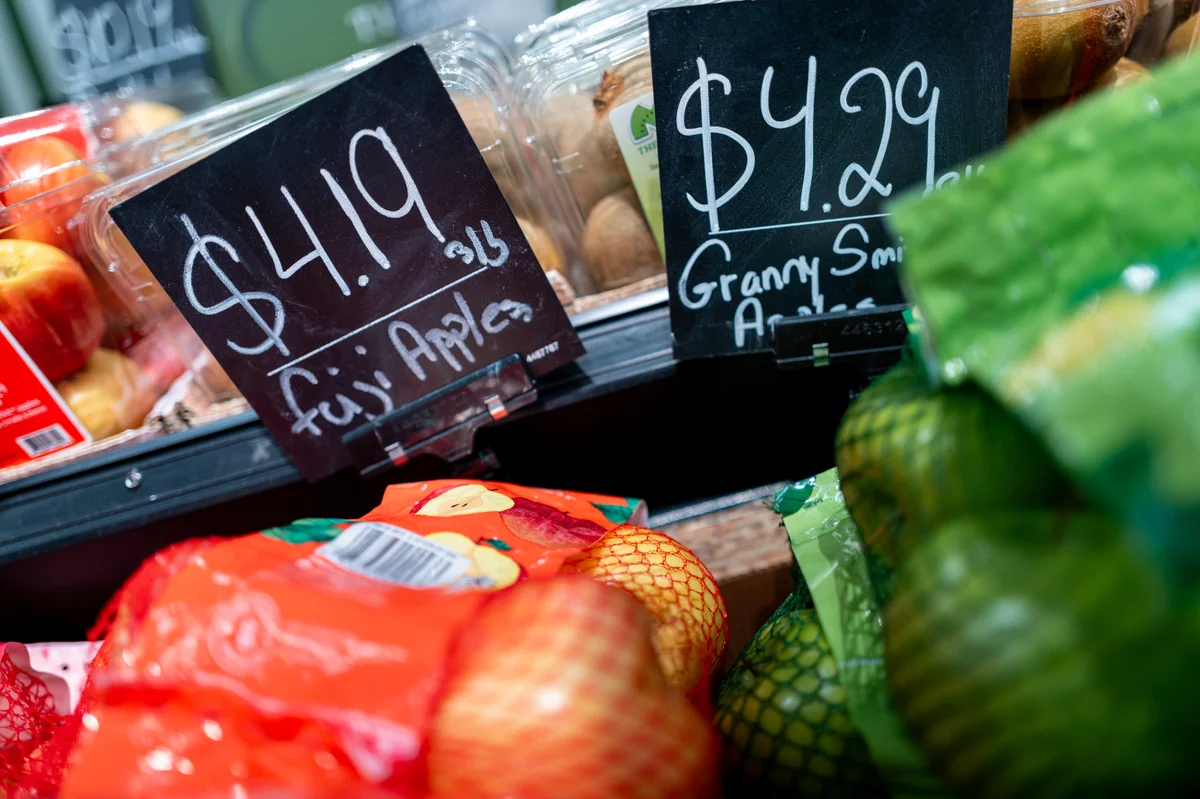
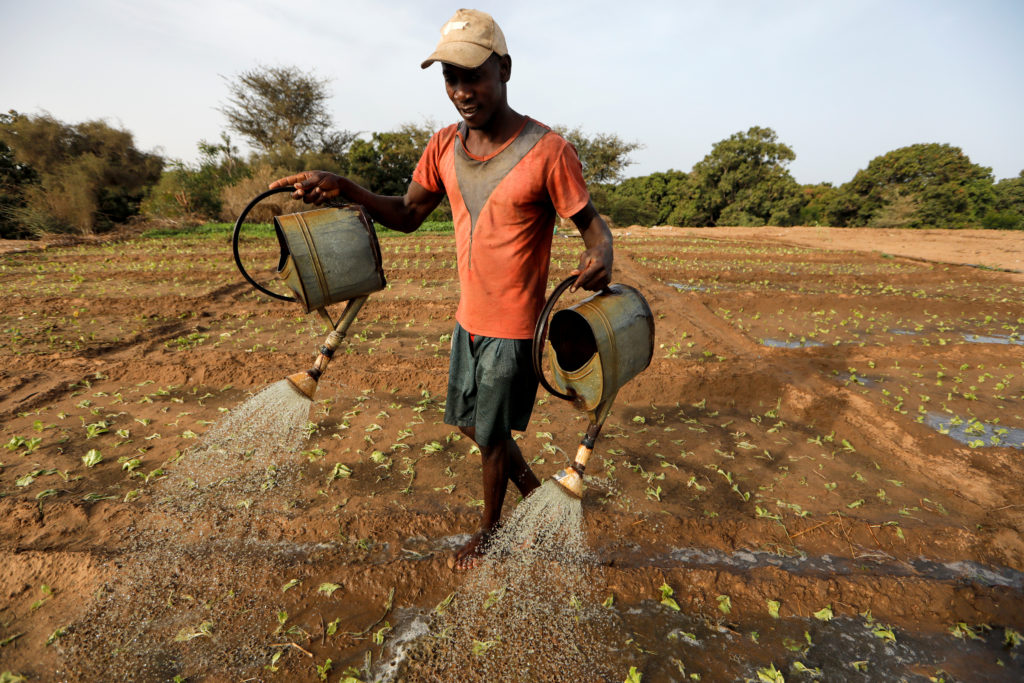
For now, US farmers are not looking at fertilizer shortages like farmers in India, Pakistan, Bangladesh, Brazil, and Ethiopia, but global conditions are pushing fertilizer prices higher at home. Fertilizer companies are already facing criticism for rising prices, but the challenge cannot be addressed by assigning blame for supply disruptions rooted in geopolitics.
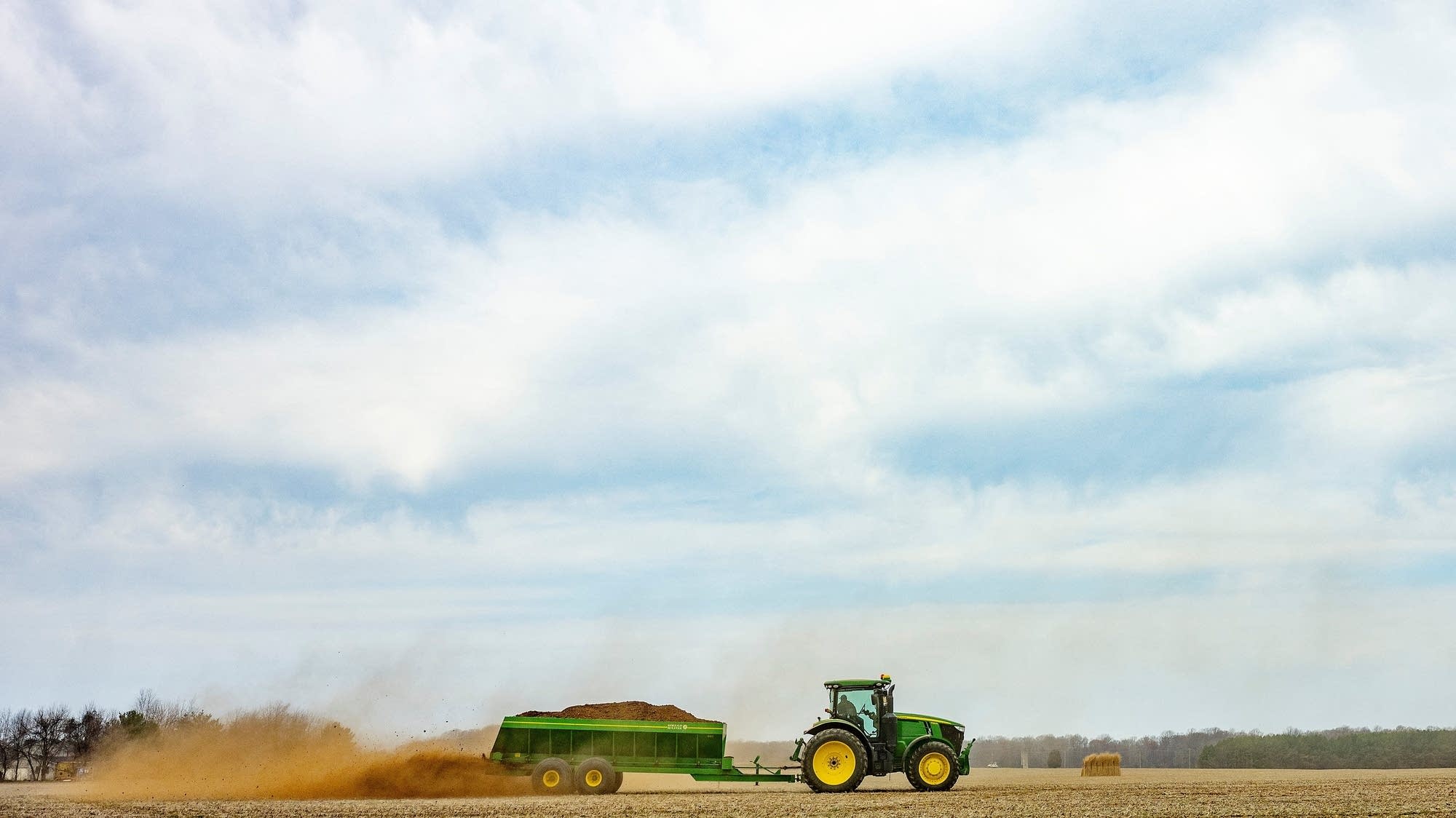
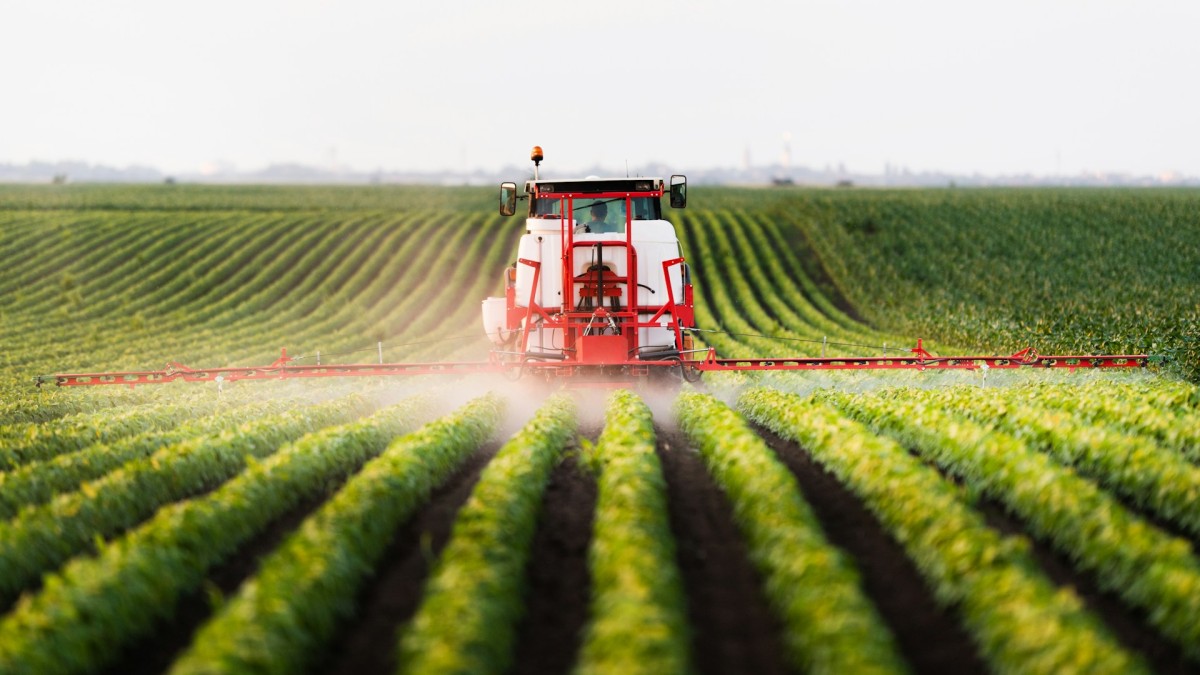
Even if the Iran crisis is resolved in the next few weeks, fertilizer prices are likely to remain elevated through 2026, when farmers purchase fertilizer supplies for the 2027 planting season. This provides policymakers and government officials with a window of time to implement policies to incentivize domestic production of natural gas and natural gas-derived ammonia, urea, and sulfur, along with policies aimed at cutting transportation costs of these inputs to production facilities.