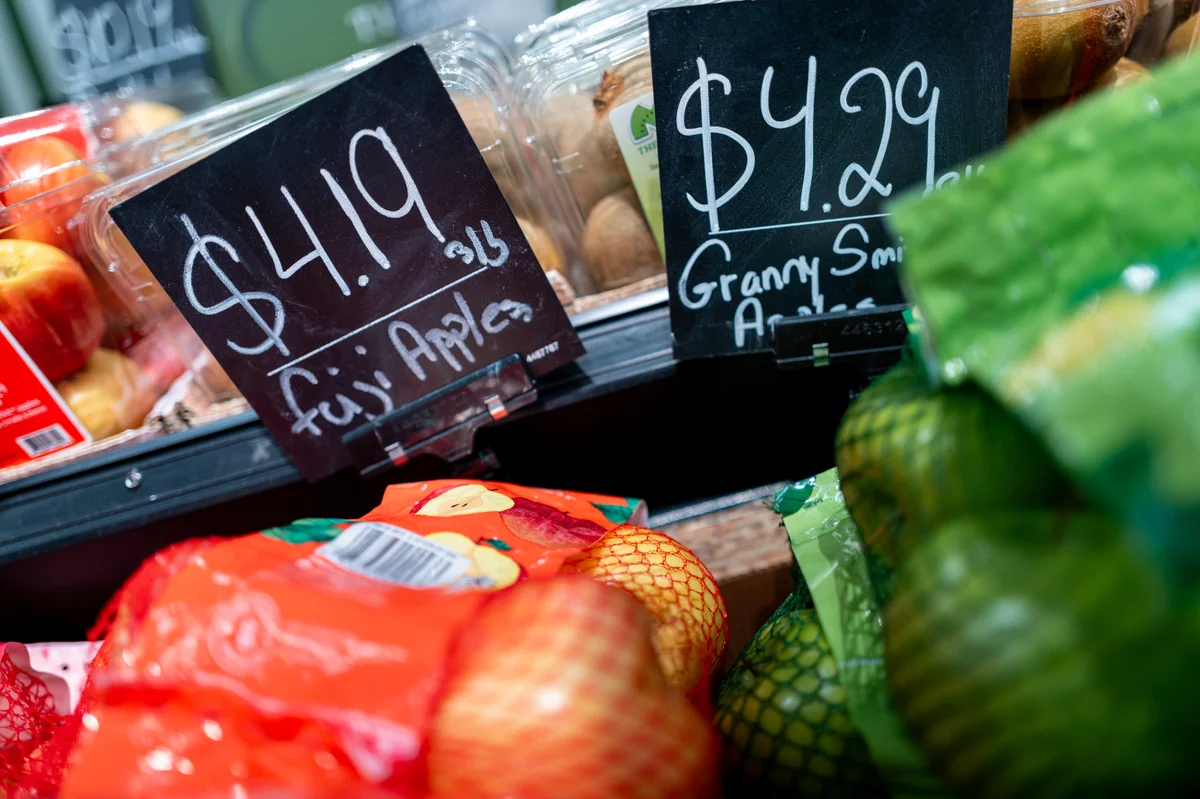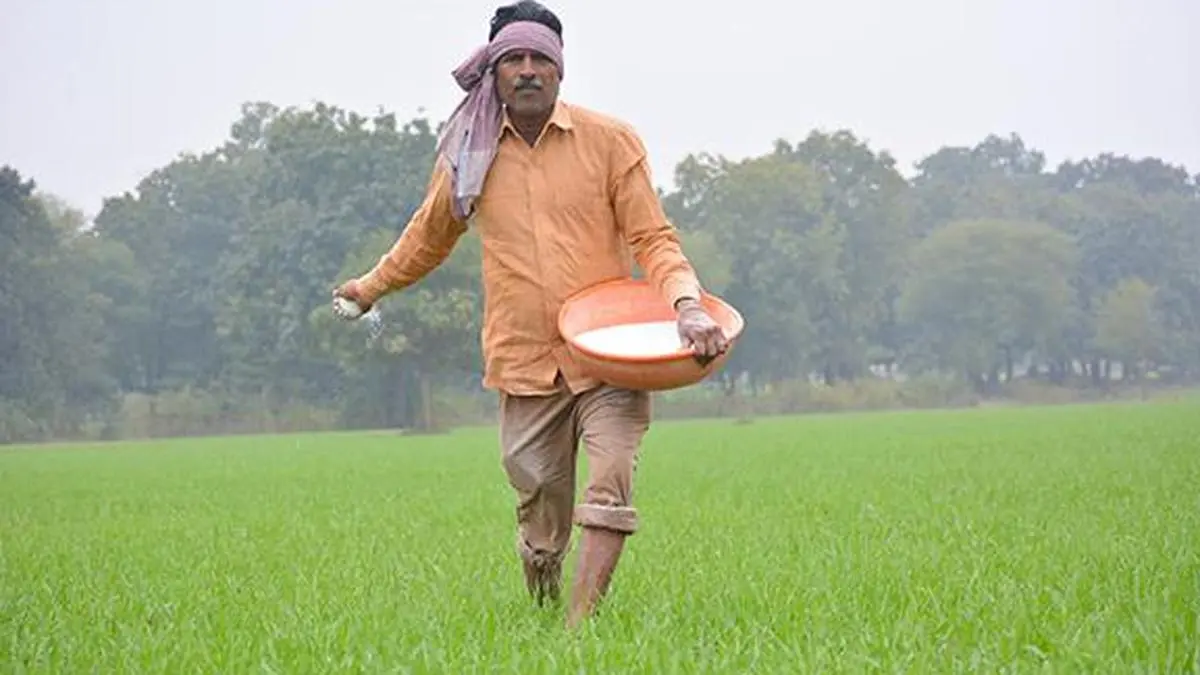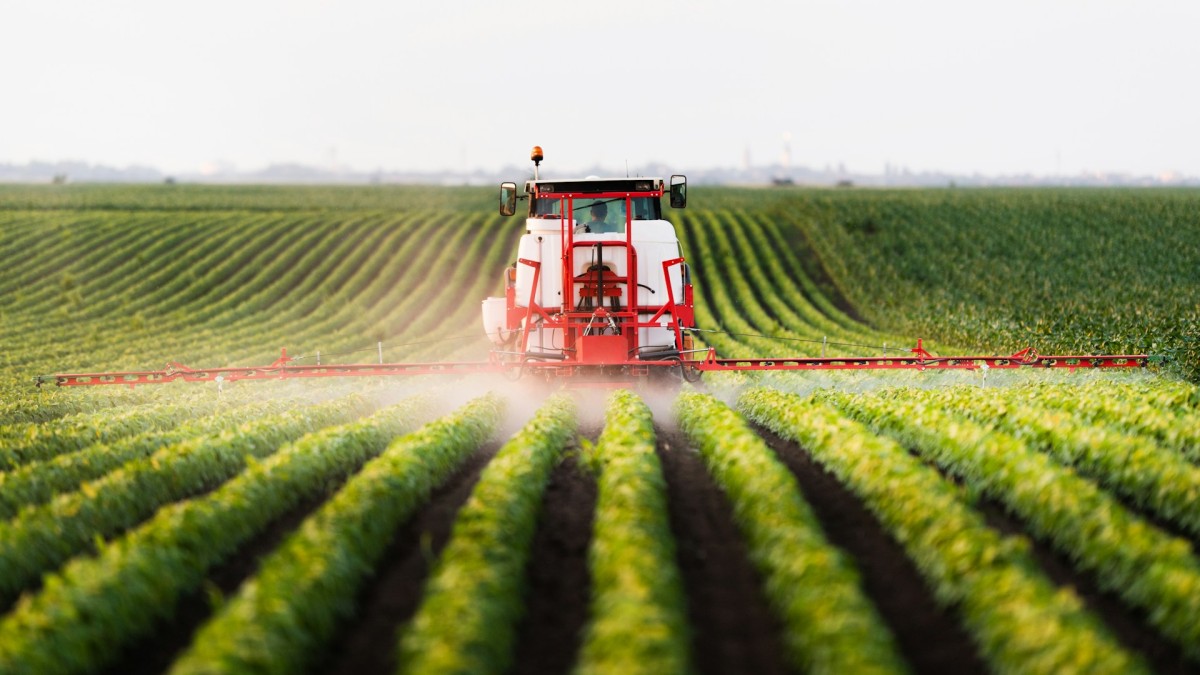
About a third of the world’s fertilizer shipped by sea moves through the Strait of Hormuz, a key shipping passage that has remained largely blocked since the war in Iran began about three months ago. It’s not just fertilizer. Disruptions in the Strait are adding pressure for farmers already grappling with rising costs, tariffs, and extreme weather. “Marketplace Morning Report” host Nova Safo wanted to understand more about how farmers are keeping up with the ongoing economic headwinds. He spoke with Faith Parum, an economist with the American Farm Bureau Federation. The following is an edited transcript of their conversation. Nova Safo: The latest outlook from the Agriculture Department for this year projects that wheat production will be down, corn and rice production down. How much of that do you think is because of the Iran war disruptions? Faith Parum: This first survey they do with farmers is done right at the end of February and beginning of March, so we might be seeing some changes in planting due to the conflict in Iran. And so when June comes around, they'll do their June acreage report. That's when farmers will tell us what they actually planted, and not just what they intended to plant. We might see some more changes there. Soybeans are less nitrogen intensive, so they require less fertilizer, so we might see more shift to those soybean acres. But last year we just had a record corn crop, so we were going to see more soybeans this year, no matter what.Safo: So, when the fertilizer disruptions happened, because they couldn't be shipped out from the Strait of Hormuz, one of the fears was that farmers would pull way back in their plantings from acreage to how much fertilizer they use, and therefore the yields might be lower. Are there early indications now that that's actually happened?Parum: The American Farm Bureau did a survey to see kind of how producers were feeling. We did it earlier in the year, right after the conflict started. We asked farmers if they were planning to reduce acreage or reduce fertilizer application, and when about 70% of our farmers said that they couldn't afford all of the fertilizer they would need for the year, and would have to do one of those. That being said, you know, there is a science to it. A lot of our farmers are telling us that they're doing advanced soil testings to see what their soil looks like, and are going to, you know, just apply what is needed. And so, we're not quite sure how yields will be affected right now. We think we'll still have good yields. It'll just really depend on what we see coming into the end of the season, and also next crop year as well.Safo: So, you think farmers have been able to adapt enough that there won't be a major impact on yields, at least this year in the United States.Parum: I think, yes, they are able to adapt. They can, you know, switch their planting to a different crop that's less nitrogen intensive, apply a little bit less fertilizer than they would like to, and reduce, you know, some of those big shifts in yields. Other countries, who are more reliant on the Middle East for fertilizer, will again have to, you know, wait and see how much fertilizer they were able to purchase and what their yields look like.Safo: A lot of what farmers here grow are global commodities, so from the consumer perspective, if yields are affected globally, what does that mean for consumers, and what should they be expecting, either this fall or early next year?Parum: So it's because these are global commodities, you know, things like barley, corn, and wheat, all these, you know, used in some sort of production. If there is a global shortfall and we see yields really dropping in other countries, we will see those prices go higher, which could translate to higher food prices, but it is really early to tell. We'll have to see what yields coming out of the rest of the world look like when their crop season ends. Really, also a big thing too is fuel prices. Agriculture is a very trucking-intensive industry, so higher diesel prices will make things more expensive for the farmer. We've seen farm margins in the negative for the last three years, going on four, so it'll continue to strain that farm economy, but also just be more expensive to move those products.Safo: If farmers are making less food, presumably they'll get better prices for what they do produce, will that offset these higher costs, or will farmers need government assistance, for instance, in the months ahead?Parum: Just depending on how big the shortfall is, it could push prices high. If you remember, in 2022 when Russia and Ukraine's conflict first began, we saw really high grain prices, which did help offset some of those costs for farmers. That being said, production costs are at records highs, and they've continued to increase after the pandemic. It would really depend on how big that shortfall is and how big that price goes up. What I can tell you right now is that we are on the fourth consecutive years of losses in the farm economy. We have, you know, rice producers losing more than $400 an acre, you know, all of our major row crop commodities and our specialty crop producers are losing money each year, and so any disruption or any higher production expenses is going to make that worse for them, and so we may need additional economic assistance to help stabilize that farm economy as we continue to see those high production expenses with those pretty low commodity costs.Safo: And what accounts for the losses prior to the disruptions caused by the Iran war?Parum: So, record high production expenses since the COVID-19 pandemic, we've seen a wave of inflation that really hasn't subsided in ag input costs, things like the seed, the fertilizer, the chemicals they use, their equipment, all of these things, labor — labor has become really expensive for farmers across the country — and all of those production expenses continue to add up, while farmers continue to get paid very little for their crops. So, farmers are price takers, so just because their production expenses are going up doesn't mean they get to charge more for their commodity, they just have to accept that global price for it, and so we've seen losses across the farming community.Safo: What does that mean for individual farmers? Smaller family farms, are you seeing, you know, more consolidation, more people choosing to leave farming completely?Parum: We have seen an increase in the number of farm bankruptcies, but also farm closures. Farm bankruptcies are only for folks that make the majority of their money farming, and most of our farms across the country are dual income households, or they work other jobs to make the farming math out. So, we've seen an increase of farm closures, and what we're also seeing is more and more kids that don't want to come back to the farm after leaving school. Right now, the economic situation is very bleak, and so it's harder and harder to get those young folks back to the farm to continue those family farms. We've seen six, seven-generation farms close their gate and sell. Most of this land is staying in agriculture, not all of it, but most of it. But we're again seeing more consolidation into larger operations. We are seeing families combine to incorporate and have bigger family farms to make sure that they can stay afloat.
War in the Middle East has forced U.S. farmers to adapt
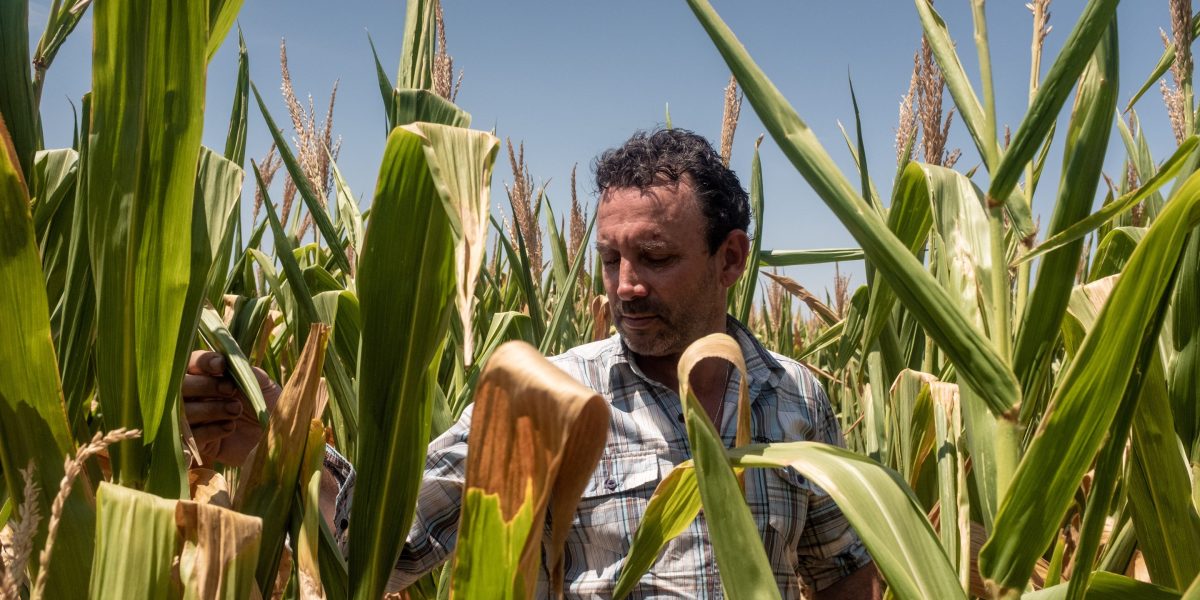
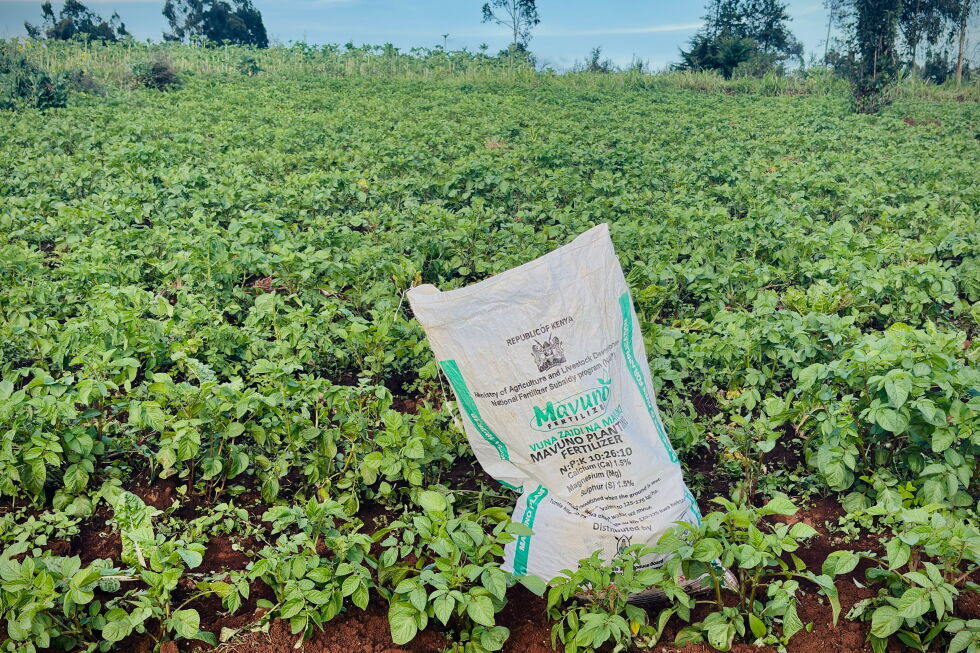
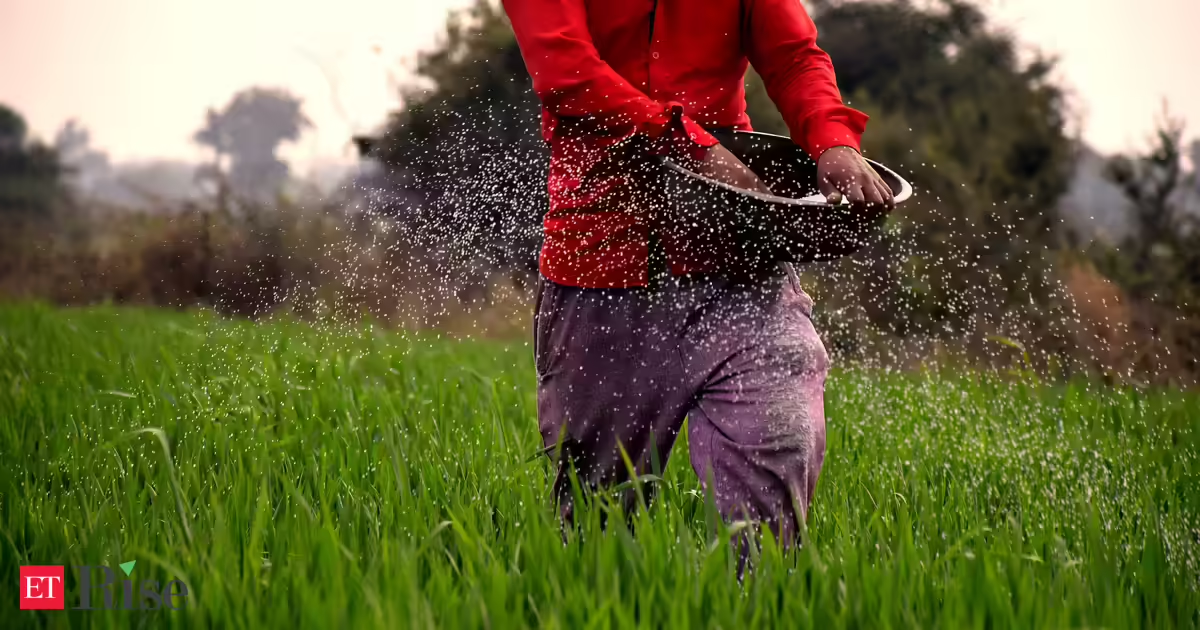
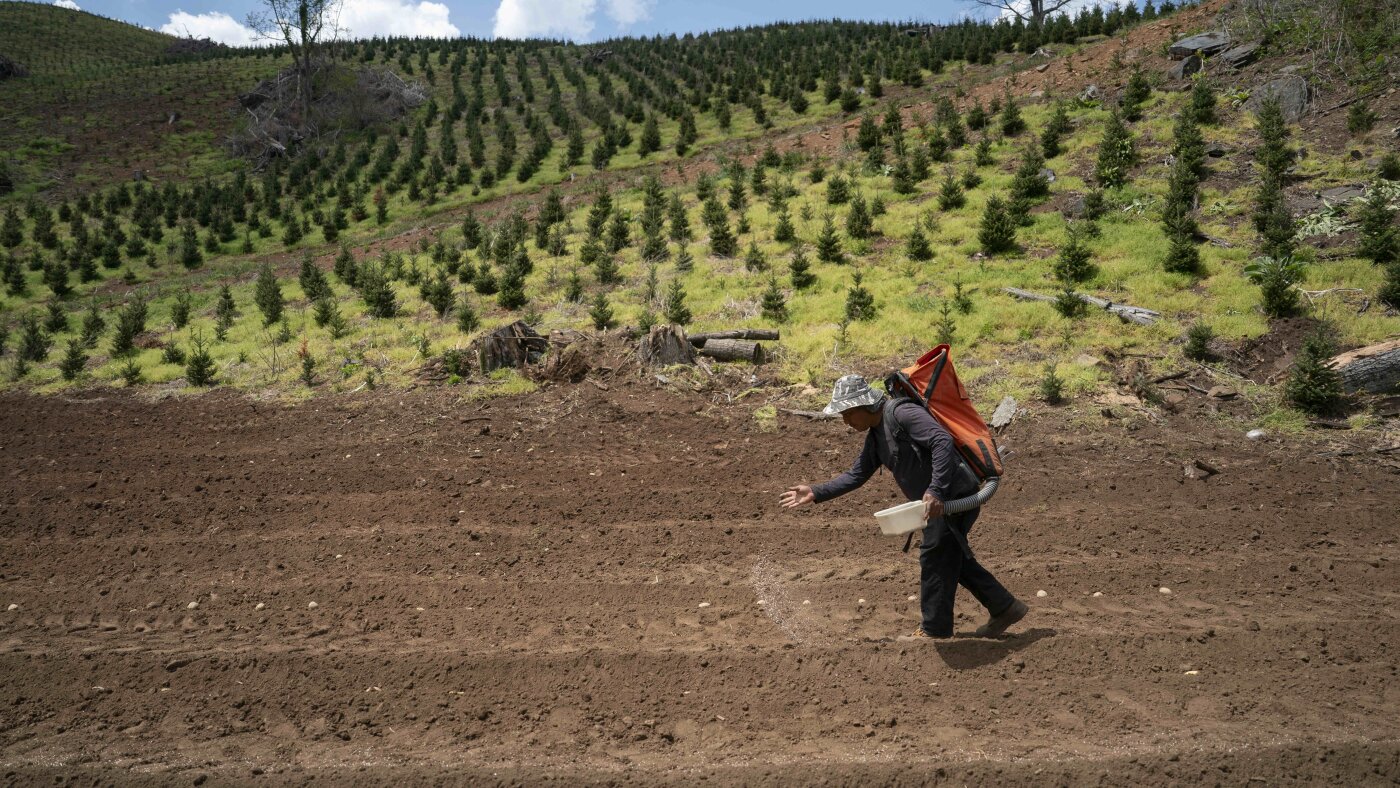
Farmers have had to adjust to rising prices and shipping disruptions from the Strait of Hormuz’ closure, on top of existing economic strains like tariffs.
1,281 words~6 min read