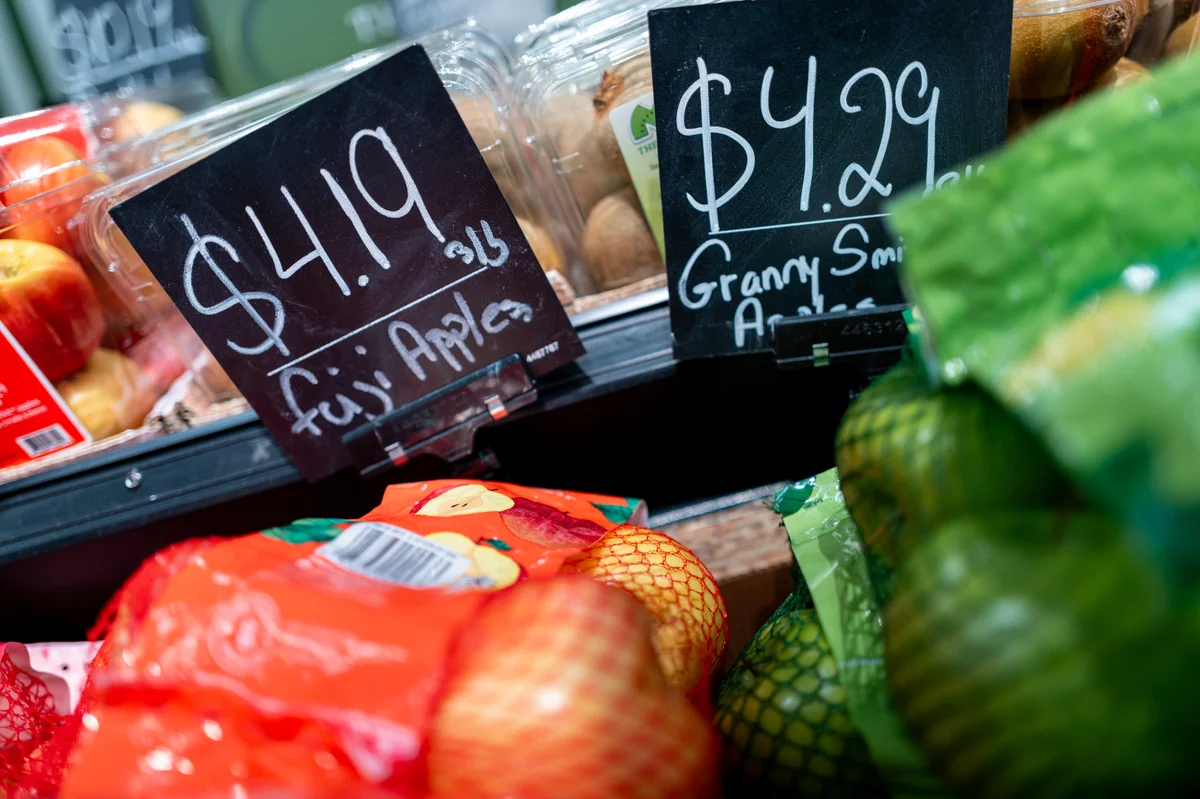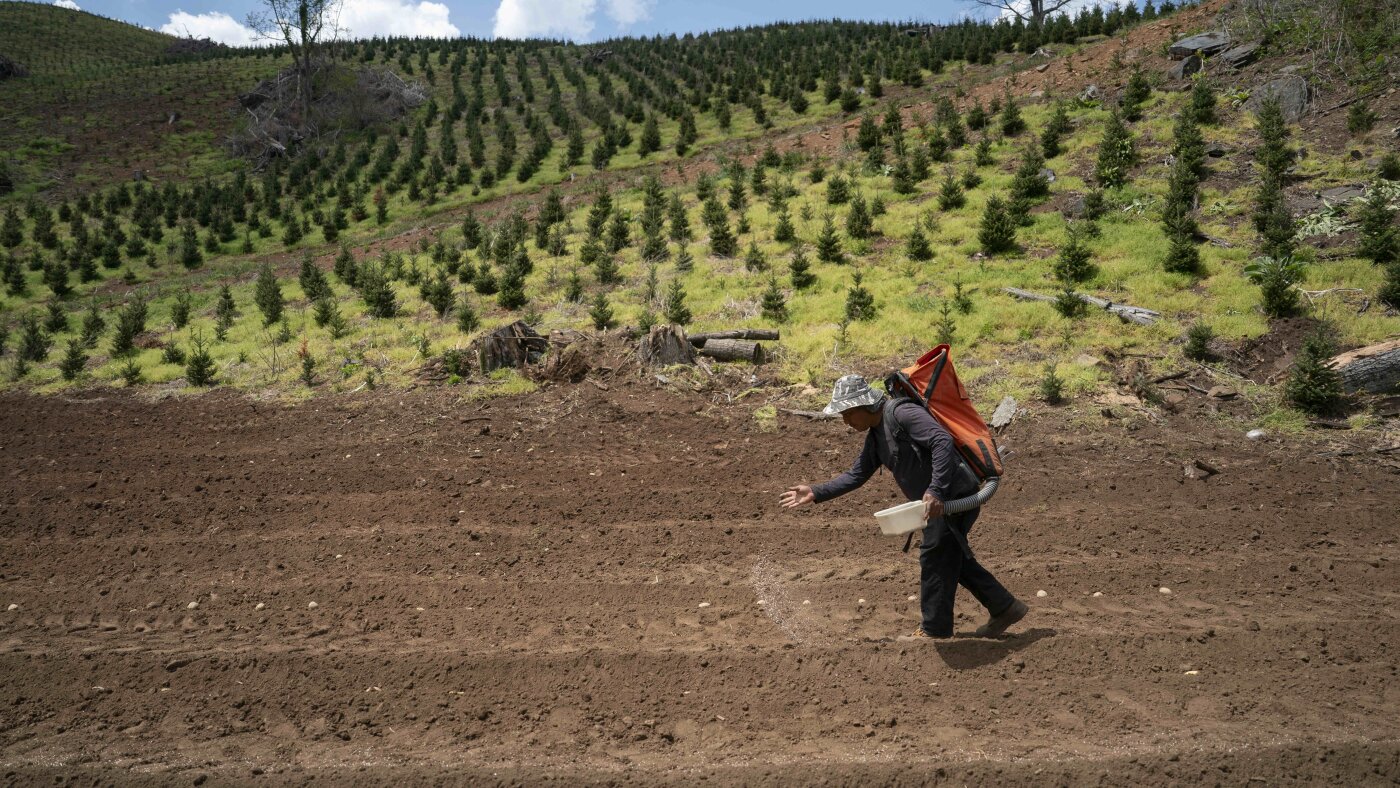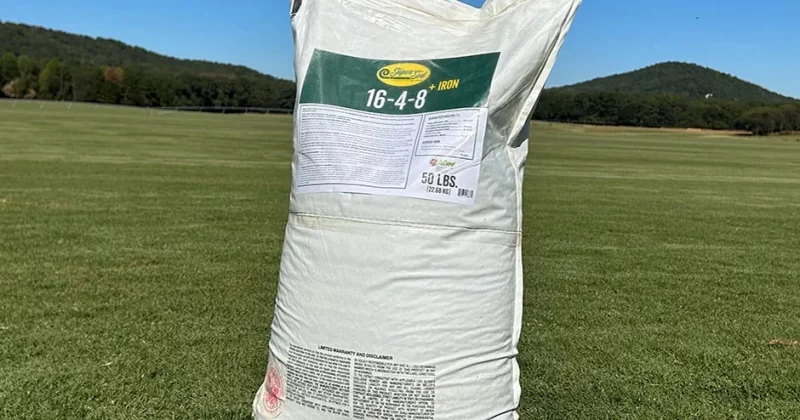
Fertilizer prices have climbed roughly 44% since the Iran war escalation began, and the ripple effects are heading straight for your grocery bill. Nitrogen-based products like urea and ammonia have seen the sharpest moves, with increases ranging from 30% to 50% over just a few weeks.
If that sounds like a problem, it’s because fertilizer is to modern agriculture what gasoline is to cars. Without it, crop yields drop. When its price spikes, food gets more expensive. And right now, we’re staring down the barrel of the third major global fertilizer shock in just six years.
What’s driving the spike
Two words: supply disruption. The Strait of Hormuz, that narrow chokepoint between Iran and the Arabian Peninsula, handles a significant share of global fertilizer exports. When military conflict makes shipping through the strait risky or impossible, supply contracts fast.
Here’s the thing. Fertilizer production, especially nitrogen-based fertilizer, is deeply tied to natural gas and oil prices. These are both the feedstock and the fuel for manufacturing. When oil and gas prices surge because of war in the Middle East, fertilizer production costs climb in lockstep.