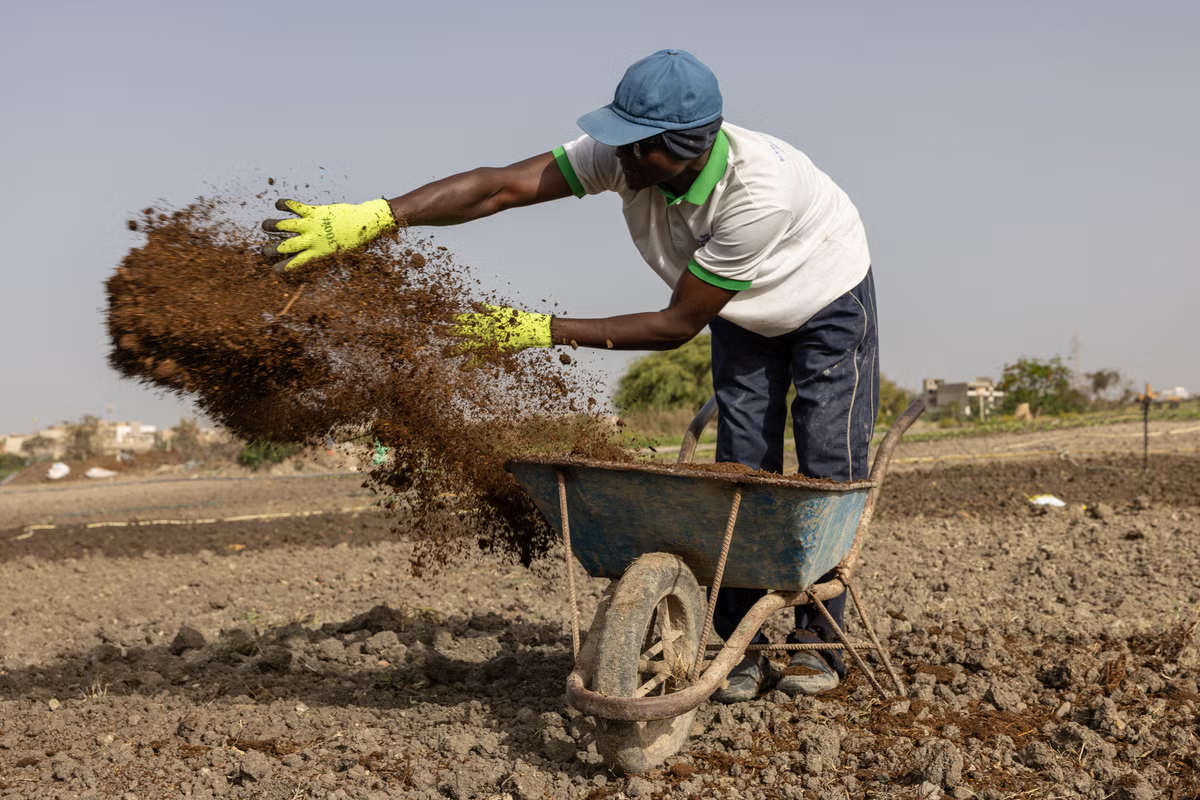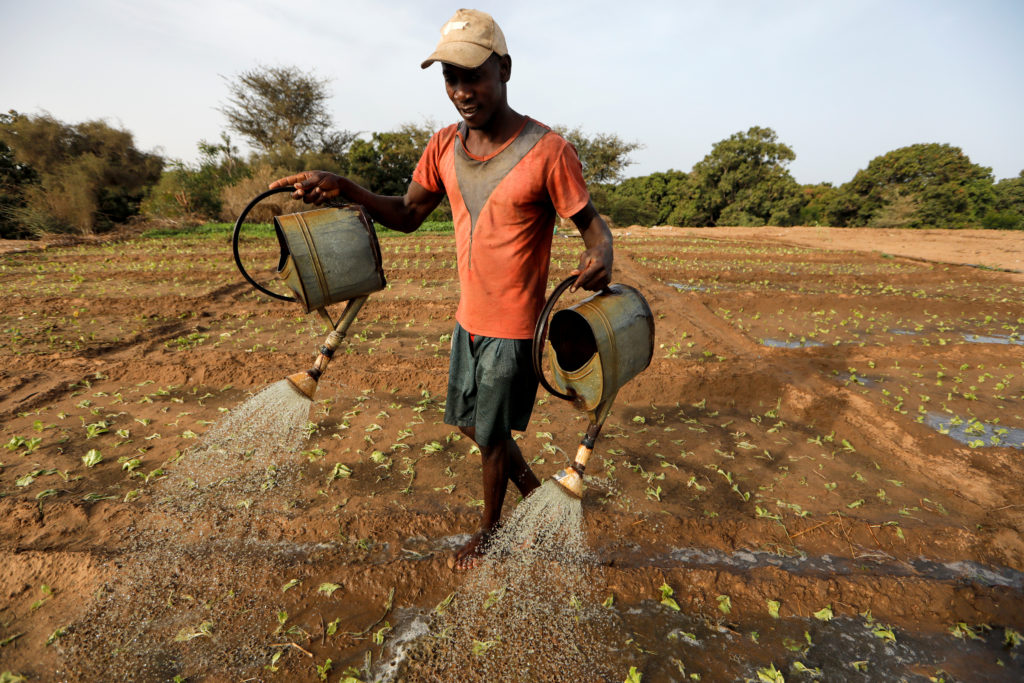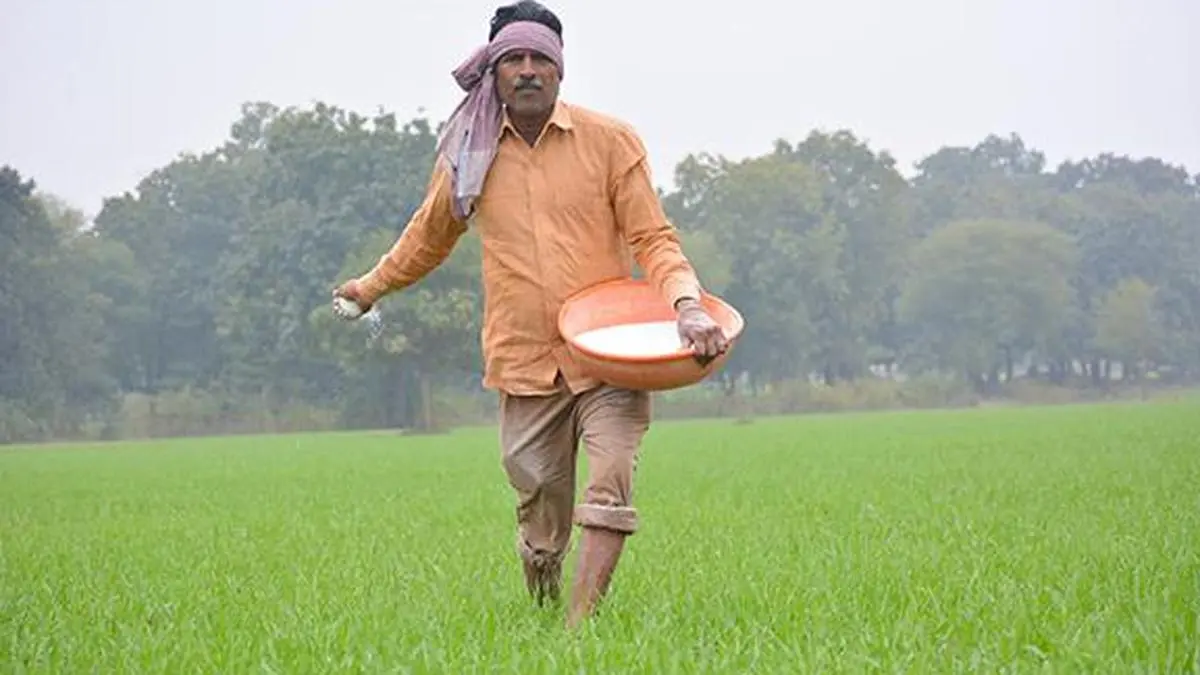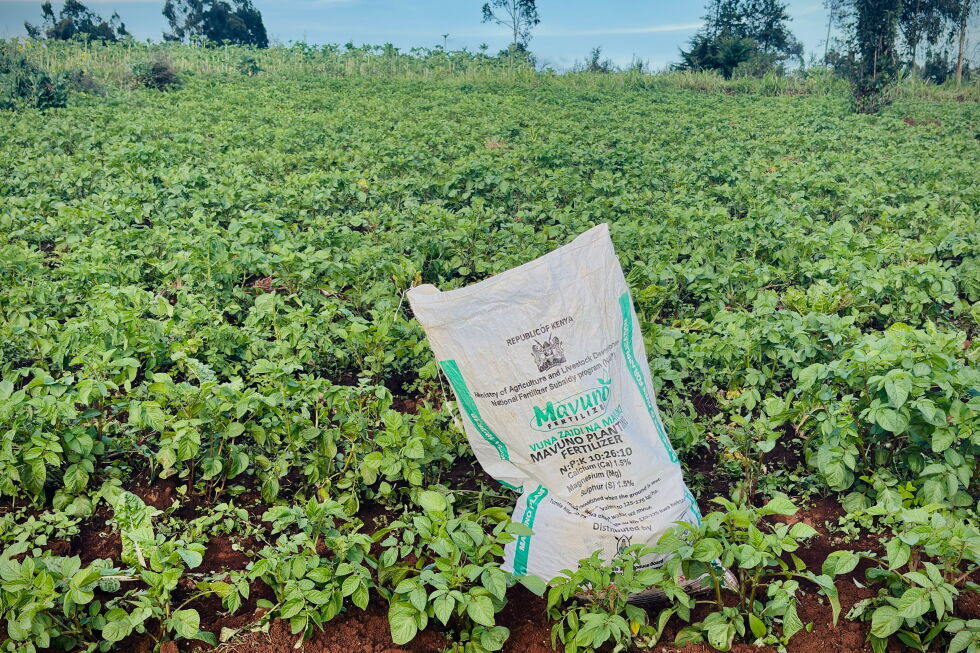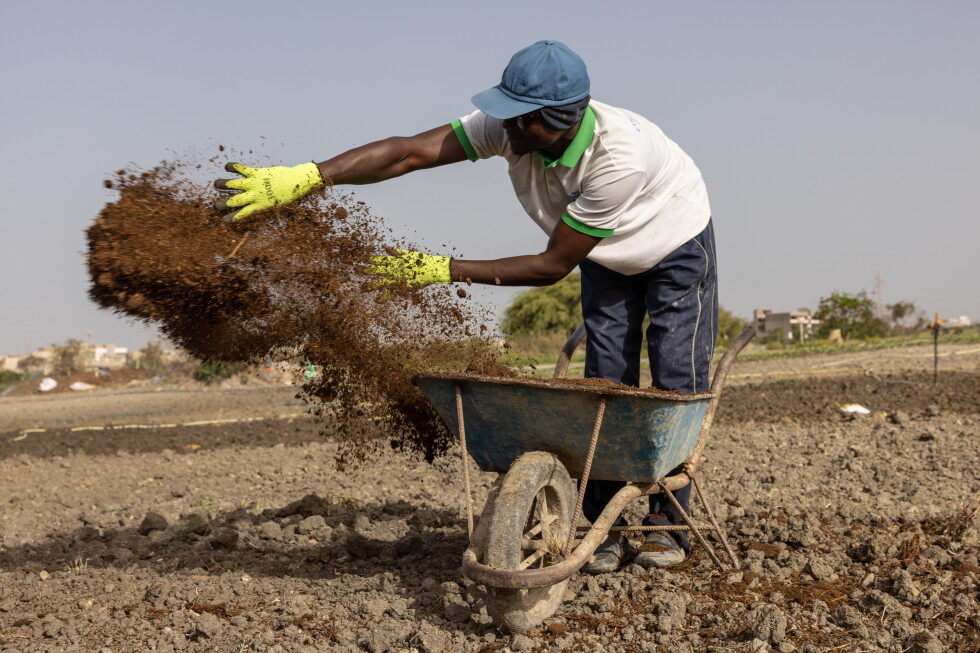
DAKAR, Senegal (AP) — When Senegalese farmer Abou Sow first watched U.S. missiles strike Iran on social media, he had a sinking feeling it would soon affect agriculture in the West African nation. Since the war began on Feb. 28, fertilizer prices have risen by 40%.Sow was better prepared than most. Eight years ago, he gave up chemical fertilizers for organic compost and other natural sources. He now rallies farmers in Senegal to buy manure from local herders and gives advice on how to make a rich compost, picking out wriggling worms – a healthy sign.“We can’t afford to wait for a ceasefire,” Sow said. “It’s risky to depend on chemical fertilizers.” Iran’s grip on the Strait of Hormuz has affected the supply of natural gas, essential for making chemical fertilizer, as well as global shipping.The Gulf region produces 30% of globally traded chemical fertilizer, according to the International Food Policy Research Institute, and global prices have increased by 50%, according to the World Bank’s fertilizer price index.
“The clock is ticking very hard,” said Maximo Torero, chief economist at the U.N.’s Food and Agriculture Organization, as concerns grow about food security.
6 MIN READ
5 MIN READ