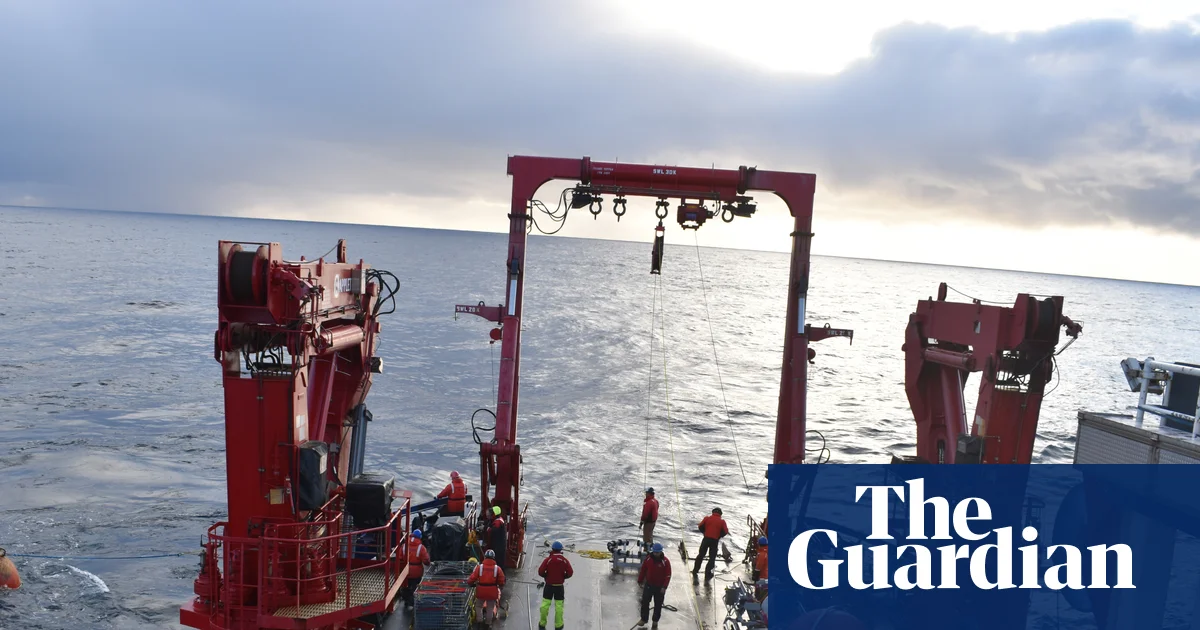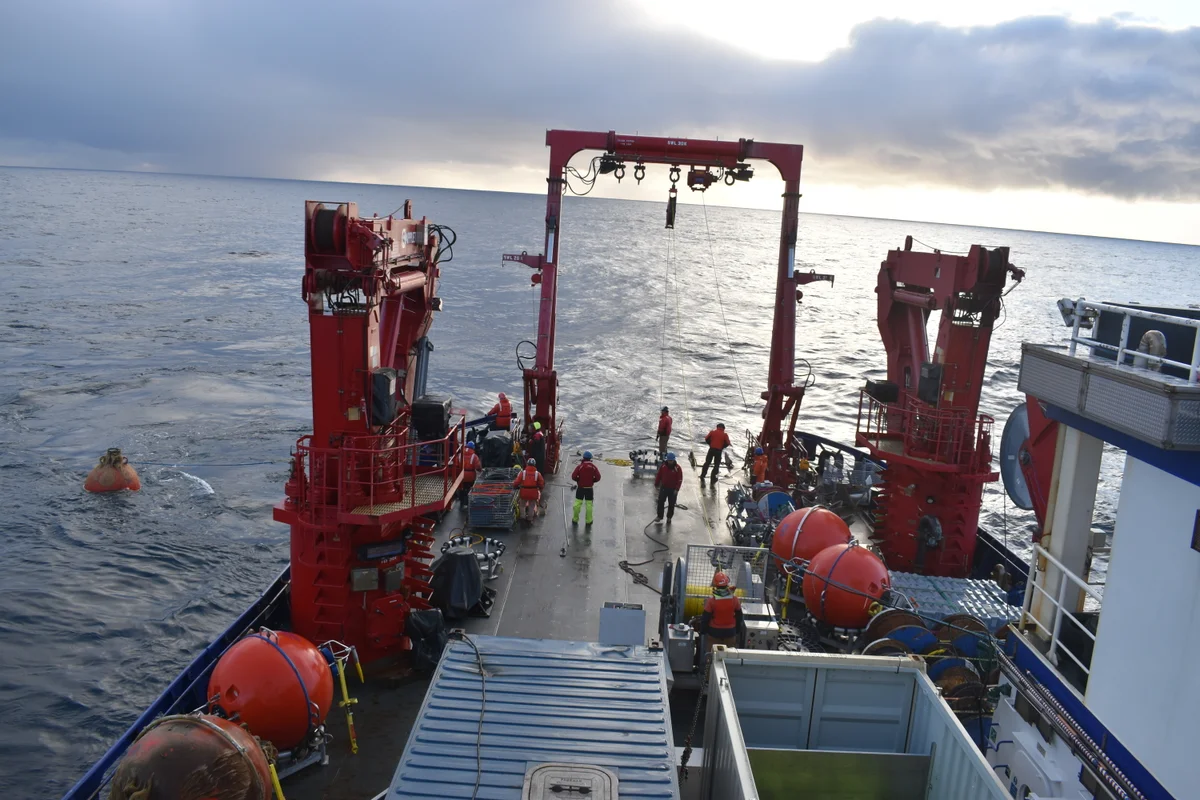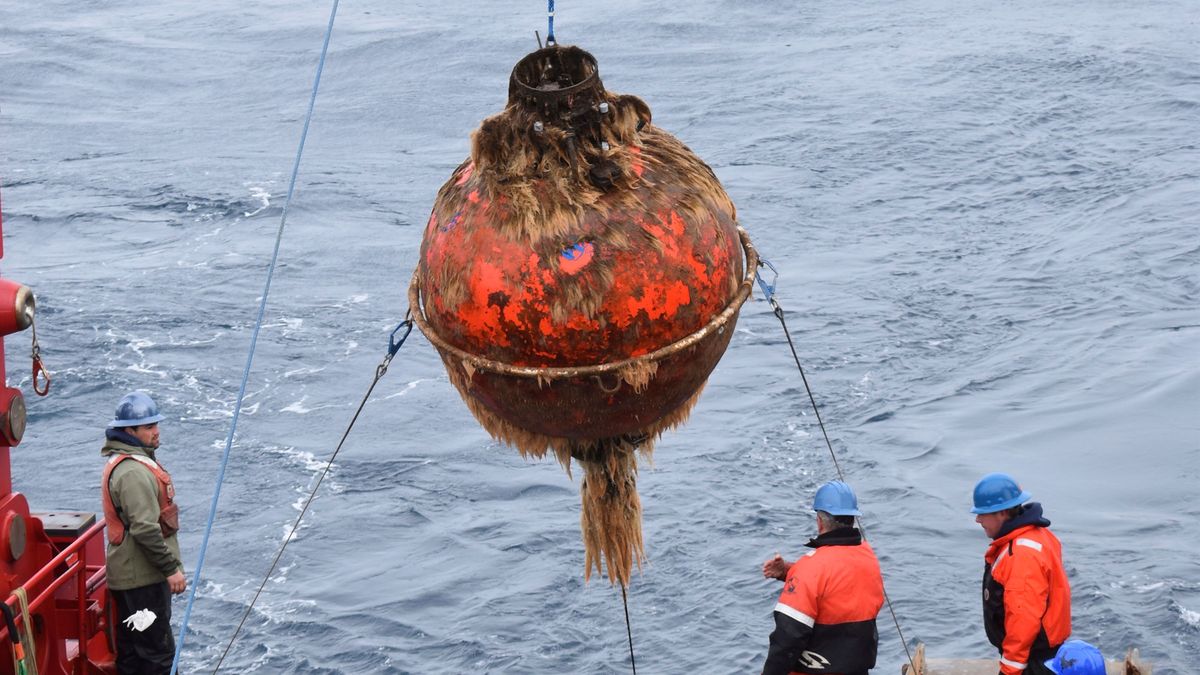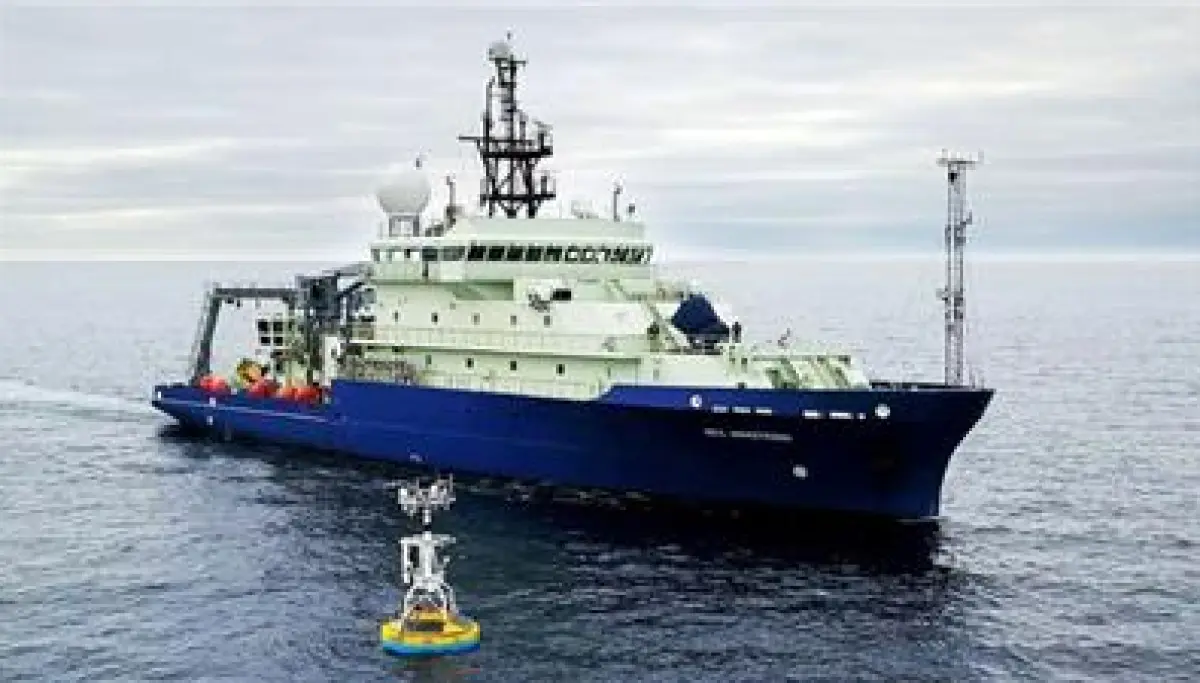
In April, the Trump administration released its proposed fiscal year 2027 budget for the National Oceanic and Atmospheric Administration (NOAA).The proposed budget would slash around $1 billion from the agency, terminate or reduce dozens of programs, and eliminate more than 1,000 positions, with particularly deep cuts aimed at NOAA Fisheries and climate research.While the budget proposes many cuts to NOAA’s operations, it also recommends increased financial support for deep-sea mining development, vessel development, and the seafood industry.Experts say delayed release of already-approved funding is disrupting research, threatening long-term scientific data sets and hampering fisheries management, species protection and weather and climate monitoring. However, the Office of Management and Budget, which is responsible for dispersing NOAA’s funding, denies there have been delays.
Physicist Stephen Volz had been working with colleagues at the U.S.’s National Oceanic and Atmospheric Administration for nearly 10 years to produce a new generation of geostationary satellites — instruments that would provide critical observations about atmospheric conditions, climate patterns and weather. But when Donald Trump returned to office in January 2025, this long-term project was thrown into disarray.