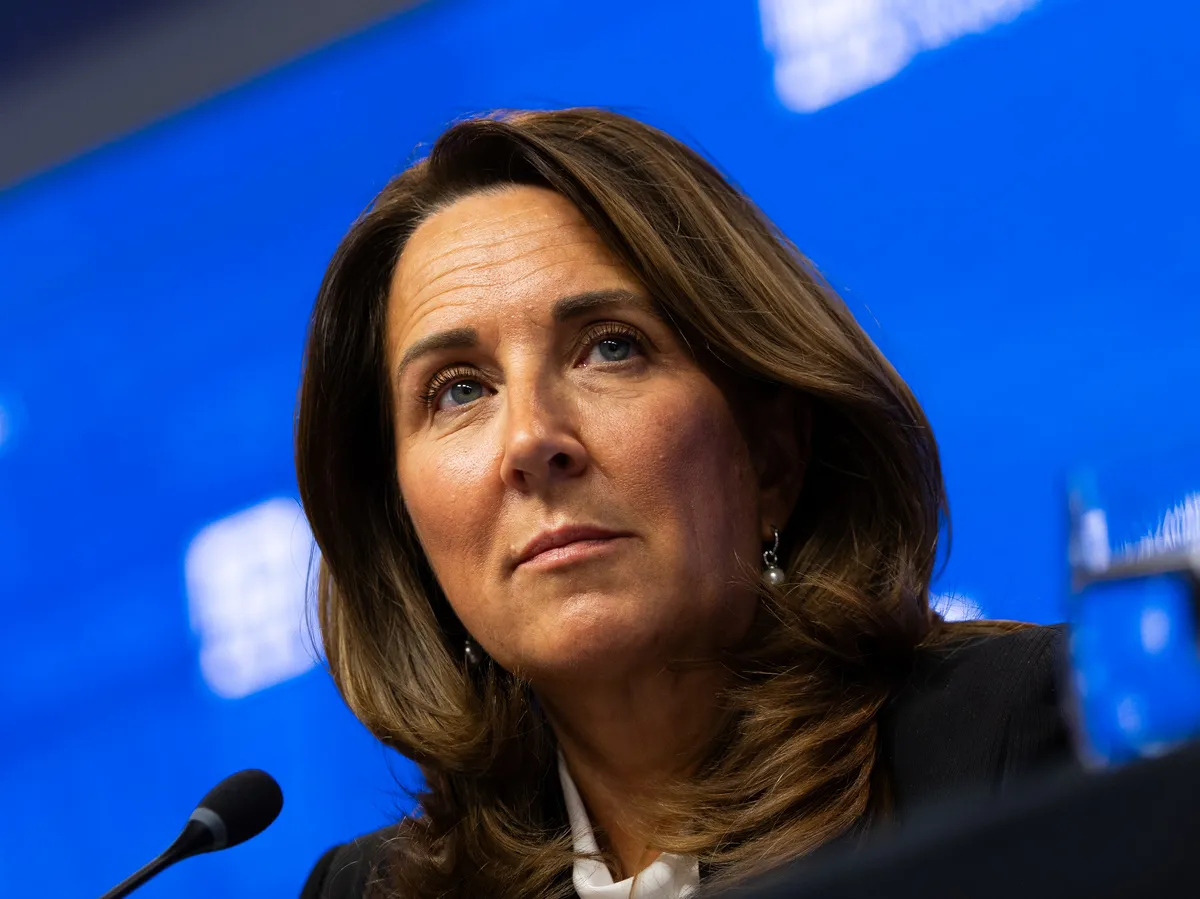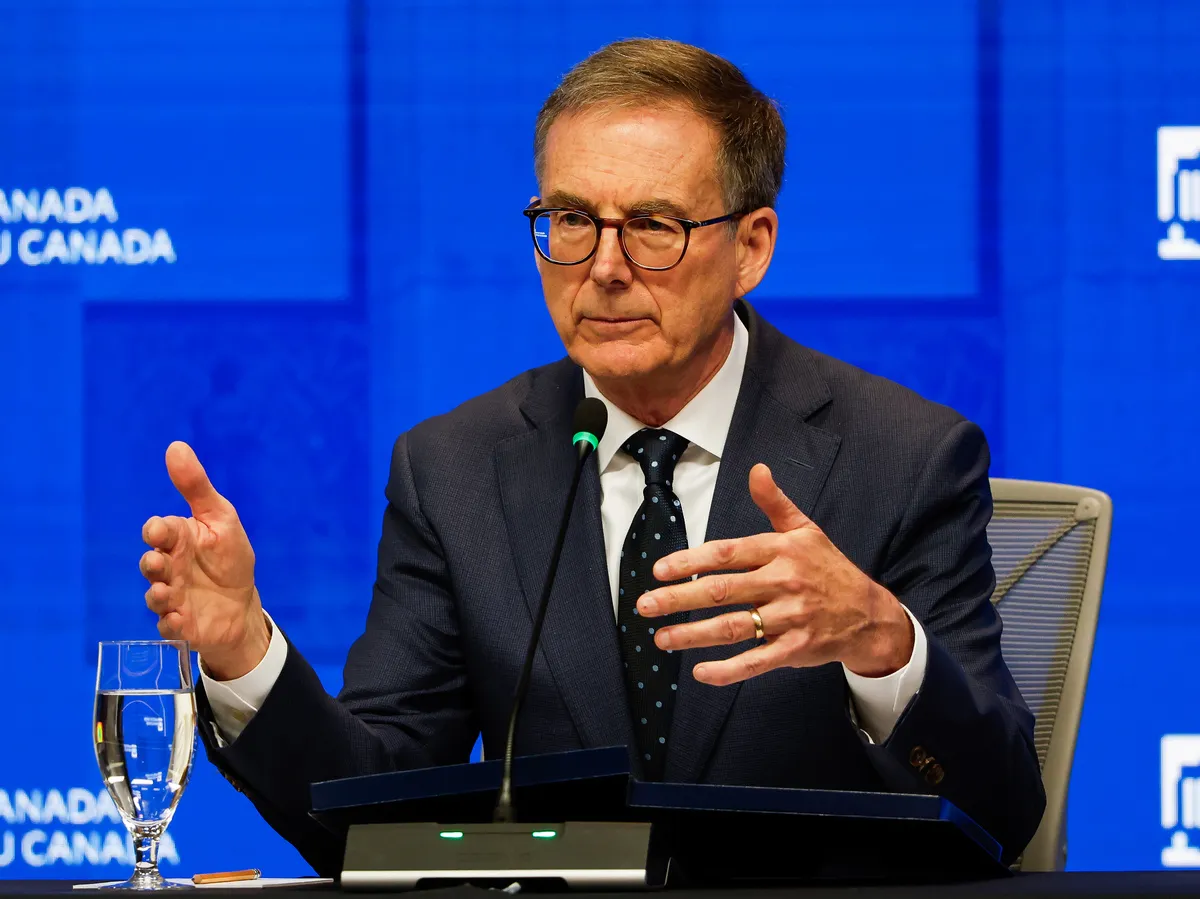
Skip to Content News Archives Economy Energy Oil & Gas Renewables Electric Vehicles Mining Commodities Agriculture Real Estate Mortgages Mortgage Rates Finance Banking Insurance Fintech Cryptocurrency Work Wealth Smart Money Wealth Management Investor Personal Finance Family Finance Retirement Taxes High Net Worth FP Comment Executive Women Puzzmo Newsletters Financial Times Business Essentials More Innovation Information Technology FP500 Podcasts Small Business Lives Told Tails Told Shopping Financial Post Store Obituaries Place a Notice Advertising Advertising With Us Advertising Solutions Postmedia Ad Manager Sponsorship Requests Classifieds Place a Classifieds ad Working Profile Settings My Subscriptions Saved Articles My Offers Newsletters Customer Service FAQ News Economy Energy Mining Real Estate Finance Work Wealth Investor FP Comment Executive Women Puzzmo Newsletters Financial Times Business Essentials HomeNewsEconomyDavid Rosenberg: Is Canada back in a recession? Tiff Macklem better be watching either wayMacklem would be well-advised to start going easy on even hinting at any rate increaseLast updated 1 hour ago You can save this article by registering for free here. Or sign-in if you have an account.Bank of Canada governor Tiff Macklem attends a House of Commons Standing Committee on Finance meeting on Parliament Hill in Ottawa, May 4. Photo by Blair Gable/PostmediaThat Canadian real gross domestic product (GDP) shrank at a 0.1 per cent annual rate in the first quarter after a one per cent pullback in the fourth quarter puts the classic “two negative quarters” rule in play. Then again, that is only a rough rule of thumb for recessions, not the official standard.Subscribe now to read the latest news in your city and across Canada.Exclusive articles from Barbara Shecter, Joe O'Connor, Gabriel Friedman, and others.Daily content from Financial Times, the world's leading global business publication.Unlimited online access to read articles from Financial Post, National Post and 15 news sites across Canada with one account.National Post ePaper, an electronic replica of the print edition to view on any device, share and comment on.Daily puzzles, including the New York Times Crossword.Subscribe now to read the latest news in your city and across Canada.Exclusive articles from Barbara Shecter, Joe O'Connor, Gabriel Friedman and others.Daily content from Financial Times, the world's leading global business publication.Unlimited online access to read articles from Financial Post, National Post and 15 news sites across Canada with one account.National Post ePaper, an electronic replica of the print edition to view on any device, share and comment on.Daily puzzles, including the New York Times Crossword.Create an account or sign in to continue with your reading experience.Access articles from across Canada with one account.Share your thoughts and join the conversation in the comments.Enjoy additional articles per month.Get email updates from your favourite authors.Create an account or sign in to continue with your reading experience.Access articles from across Canada with one accountShare your thoughts and join the conversation in the commentsEnjoy additional articles per monthGet email updates from your favourite authorsSign In or Create an AccountorIn Canada, recessions are formally dated after the fact by the C.D. Howe Institute’s Business Cycle Council, which looks at depth, duration and breadth across employment, income and output, not just the GDP line. They haven’t declared one, but it is a very close call.This was not just back-to-back real GDP contractions, but three quarters in the past four, taking the year-over-year trend slightly into negative terrain. Only during the energy sector meltdowns in 1986 and 2015 did a recession not occur alongside a negative year-over-year real GDP trend of any size. And the labour market is flagging net job losses and a rising unemployment rate.Get the latest headlines, breaking news and columns.By signing up you consent to receive the above newsletter from Postmedia Network Inc.A welcome email is on its way. If you don't see it, please check your junk folder.The next issue of Top Stories will soon be in your inbox.We encountered an issue signing you up. Please try againIt was particularly disappointing to have seen that negative headline, given the consensus forecast was 1.5 per cent annualized. Even a 4.3-percentage-point annualized contribution from inventory accumulation could not stem the negative tide. As a result, the Bank of Canada would need to have its head examined to be contemplating rate hikes, which have been priced into the Canadian money market these past two months — nutso.But it’s not just GDP. It’s also the labour market that has the recession label. We will get an updated number for May this Friday, but the one thing we can say with certainty is that there is no way the Bank of Canada is going to be hiking rates in the sort of deteriorating jobs market we have on our hands.Yet the money market, like a dog with a bone, just won’t give up the notion that the central bank’s next sadistic move would be a rate hike. From my lens, with real GDP contracting, the labour market struggling and the inflation data comfortably within the central bank’s comfort zone, if it were not for the United States-Iran war-related oil price shock, governor Tiff Macklem would be talking about resuming the rate-cutting program.Let’s go back to the last data point we have on Canadian employment: down 17,700 in April, which was a big surprise to a consensus expecting a 10,000 increase. Canada’s economy has lost more than 112,000 jobs so far this year, a 1.6 per cent annual decline, and yet here we have had the money market thinking that Macklem and his crew will be raising rates roughly two times in the coming year.Indeed, the most credit-sensitive sectors — construction with a 15,700 pullback and retail/wholesale trade with an 8,300 retrenchment — are begging the central bank to start cutting as soon as possible. That manufacturing lost 1,500 jobs and has been down in three of the past four months is also a sign that the Canadian economy probably needs a weaker currency, not a stronger one. The soft GDP report last Friday already seems to be accomplishing that.Making matters worse, full-time positions sank 46,700 and, for the first time in five years, the year-over-year trend has completely stagnated. Meanwhile, the unemployment rate hooked up to a six-month high of 6.9 per cent from 6.7 per cent in both February and March and 6.5 per cent in January, and this widening slack in the labour market triggered an easing in wage growth.The inflationists have not one leg to stand on because all the energy shock is going to do is hit a wall in the labour market and create the conditions for contracting real personal incomes and spending.Tack on that the hours worked shrank 0.1 per cent month over month and have contracted now in two of the past three months, which poses a risk for real GDP growth from a supply-side standpoint in the second quarter unless productivity picks up materially.The bottom line here for the central bank and the bond market is that the Canadian economy and labour market have lost whatever vitality they may have had, and the disinflationary resource gap is widening.Macklem would be well-advised to start going easy on even hinting at any rate increase, because all he does with that sort of rhetoric is make the bond market jitter and cause an unnecessary tightening in financial conditions.David Rosenberg is founder and president of independent research firm Rosenberg Research & Associates Inc. To receive more of David Rosenberg’s insights and analysis, you can sign up for a complimentary, one-month trial on the Rosenberg Research website. Join the Conversation This website uses cookies to personalize your content (including ads), and allows us to analyze our traffic. Read more about cookies here. By continuing to use our site, you agree to our Terms of Use and Privacy Policy.
David Rosenberg: Is Canada back in a recession? Tiff Macklem better be watching either way
Bank of Canada governor Tiff Macklem would be well-advised to start going easy on even hinting at any interest rate increase. Read more.
1,280 words~6 min read