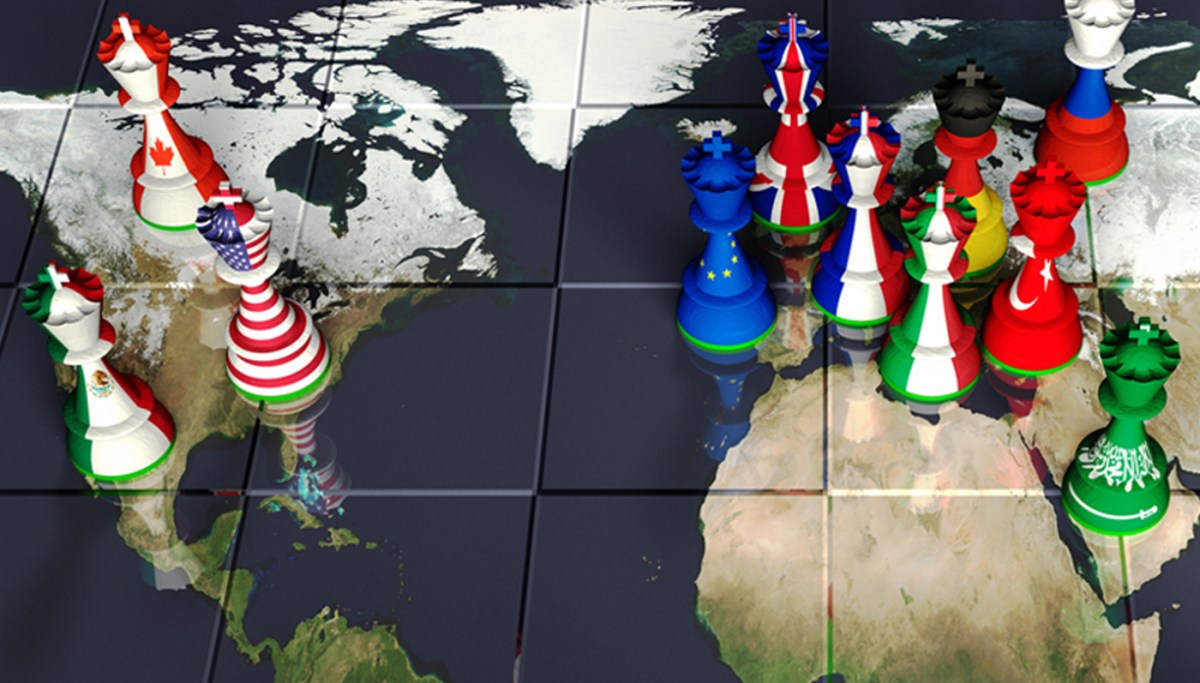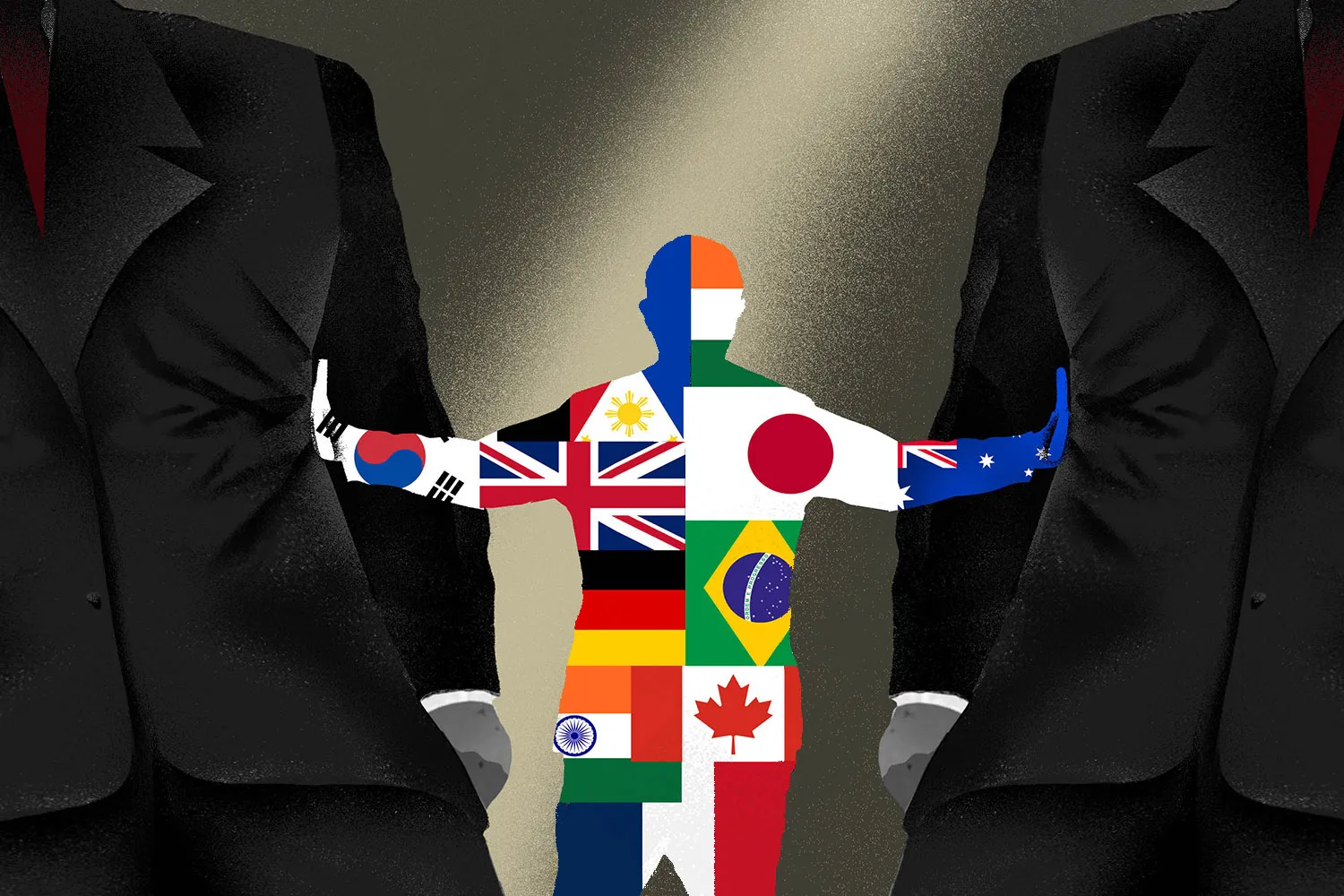
In our new era of great-power competition, it’s important to identity the competitors. But it has always been easier to speak about the great powers than to define them. Disagreement over great-power status, and especially over which power is the “greatest,” characterizes today’s system, as it did in times past. There is neither a commonly accepted definition of what constitutes a great power, nor any consensus over such basic questions as how many powers there are.
Nevertheless, we can distinguish the great powers by a set of common characteristics, which reveal that there are only four great powers that exist today—and they are not necessarily the ones you would expect.
Great powers, first of all, have a set of behaviors in common. They always expect to shape or at least be consulted on the main global issues of the day. They make their presence felt, and their absence creates a vacuum to be filled. Often, great powers will insist on their own absolute sovereignty but admit only the qualified sovereignty of lesser powers, especially if they are nearby. In extremis, they reserve the right to change regimes that threaten or displease them but are able to deny any such right with respect to themselves.