As the era of U.S. primacy comes to an end, academics and policymakers have quite naturally been debating what comes next. Will the emergence of a multipolar world prove inherently destabilizing? Is the dominance of a single power necessary for peace and prosperity?
Increasingly, the consensus in the West seems to be that multipolarity, or the absence of hegemony, could easily lead to chaos. Yet this conclusion often relies on evidence from the recent history of the United States and Europe. Kenneth Waltz, for example, anchored his groundbreaking argument about the instability of multipolar systems by contrasting trends on the European continent before and after the start of the Cold War. Similarly, the belief that only a single dominant power can facilitate market access and security protection—what scholars building on the work of Charles Kindleberger have called hegemonic stability theory—largely relies on the experience of the United Kingdom before World War I and the United States after World War II.
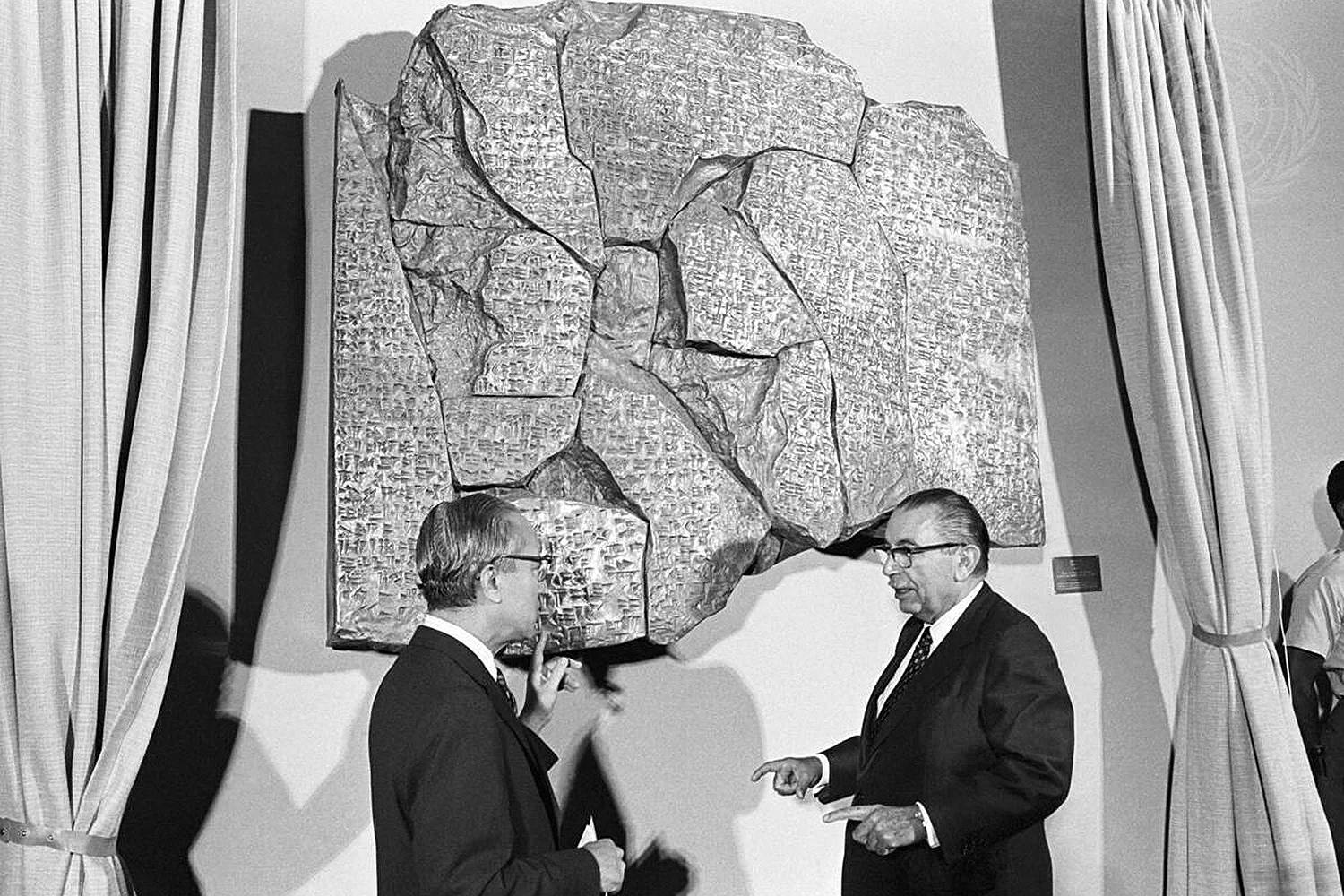
But the future of the international order might be more promising when you look for precedents outside of the 20th century West. More distant history provides some dramatic examples of how multipolar systems have managed to maintain peace. The challenges the world faces today are different from those faced by the great kings and pharaohs of the ancient Middle East, and they’re different from the challenges faced by traders and maharajas in the pre-modern Indian Ocean. Nonetheless, exploring both of these cases can offer some enduring lessons for making multipolarity work in the 21st century.