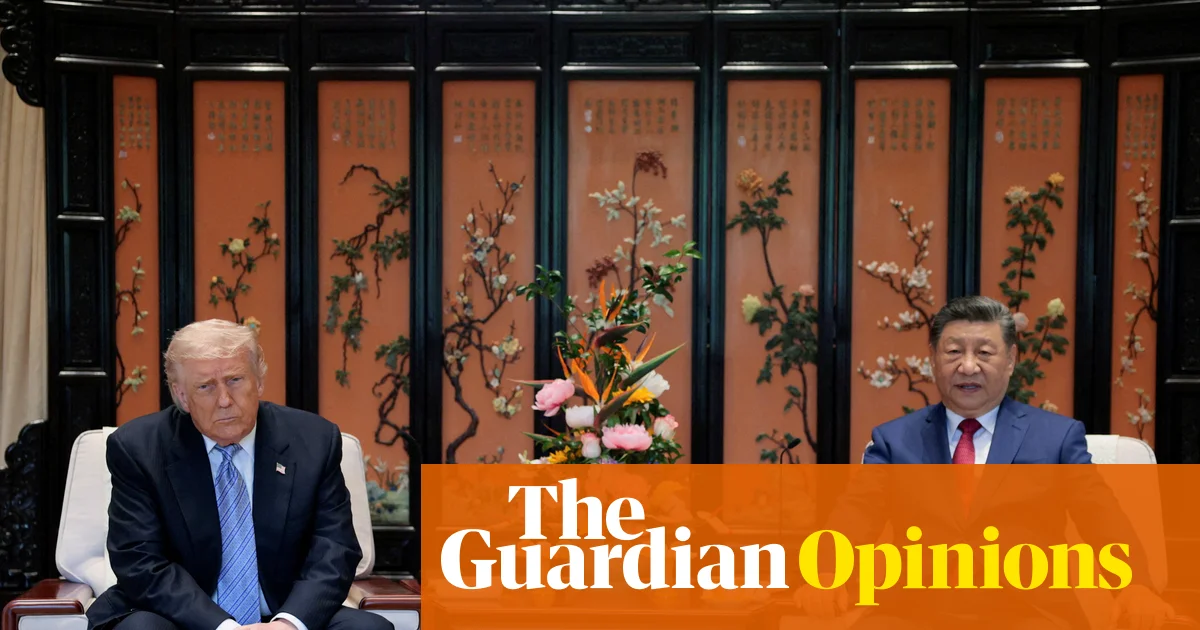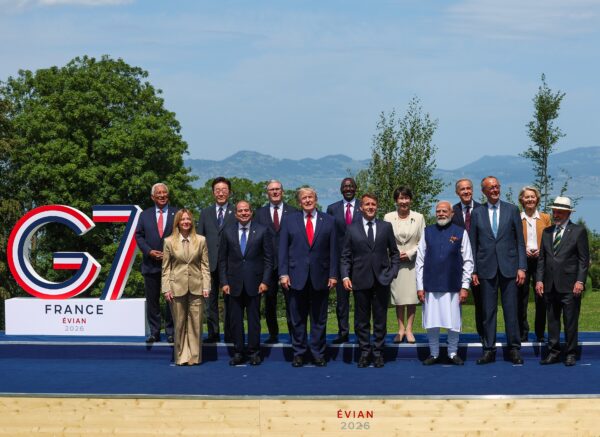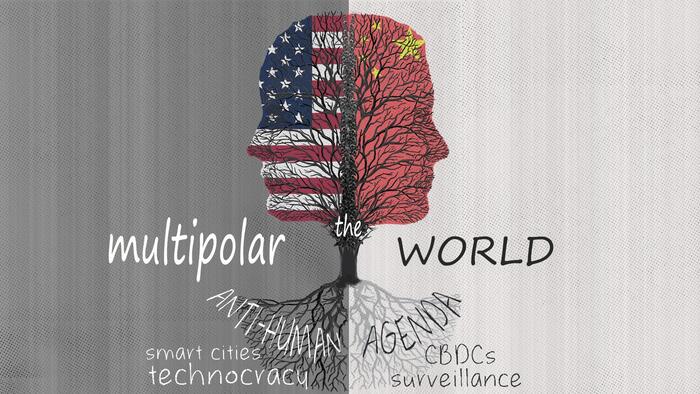
Writing in The Guardian this week, Yale Law professors Ash Bâli and Samuel Moyn celebrate what they suggest is the end of the unipolar American-led international order. To borrow from Mark Twain, I suspect that news of America’s superpower death is exaggerated. Still, in their optimism about how a new multipolar order might be established, Bâli and Moyn regurgitate the error of idealists. Namely, their associated belief that nations will cooperate absent coercive restraint in the contrary. While many democracies and even some dictatorships/monarchies prefer cooperation, states ultimately act in their own self-interest.The professors ignore this reality. Instead, they “imagine a multipolar world that might secure peace better than the old order ever did.” To reach this nirvana, they call for nations to accept four commitments. These commitments rest on “one clear, narrow and urgent proposition: no state is safer in a world in which coercion is unconstrained because every exception claimed by one power becomes available to its rivals.”It’s nice rhetoric. Its structural weakness should appear obvious, however. While some nations would broadly align against coercion under this principle as they do today, others, such as China, Russia, Iran, and North Korea would continue to embrace coercion as a primary tool of foreign policy. Together, these four commitments thus underline why a world without the economic and military dominance of the United States and its allies would be a far worse world than today’s. Each point has its own distinct challenges in this regard.
A multipolar world would be disastrous for international security
A multipolar international order built around notions of restraint would only allow those who care nothing for restraint to prosper.
859 words~4 min read