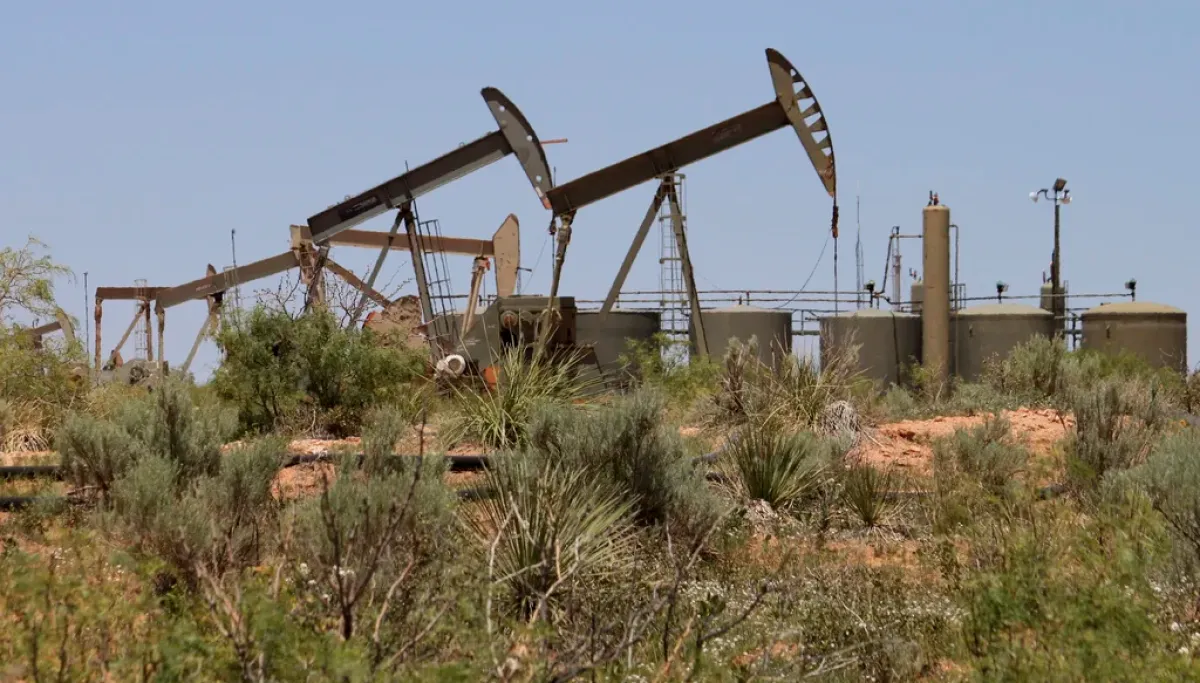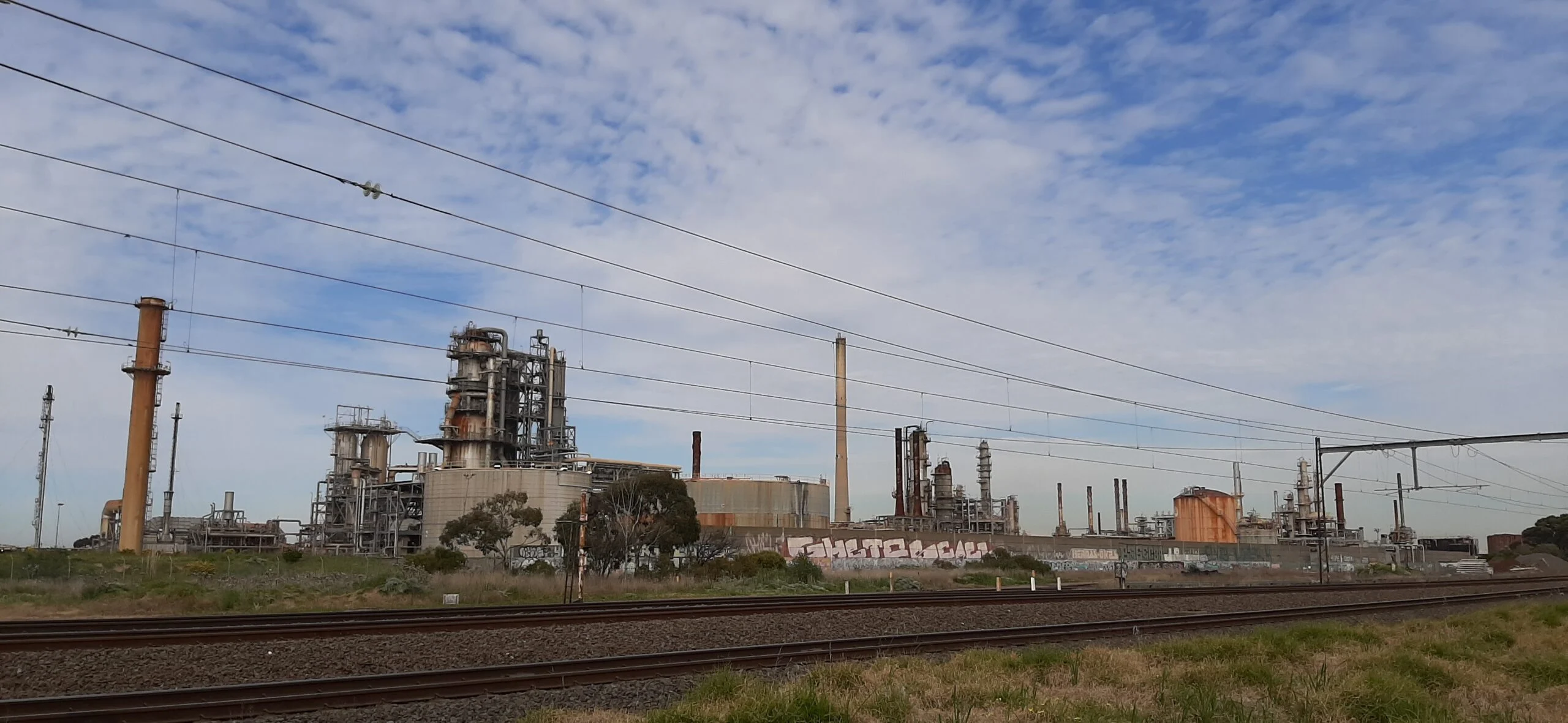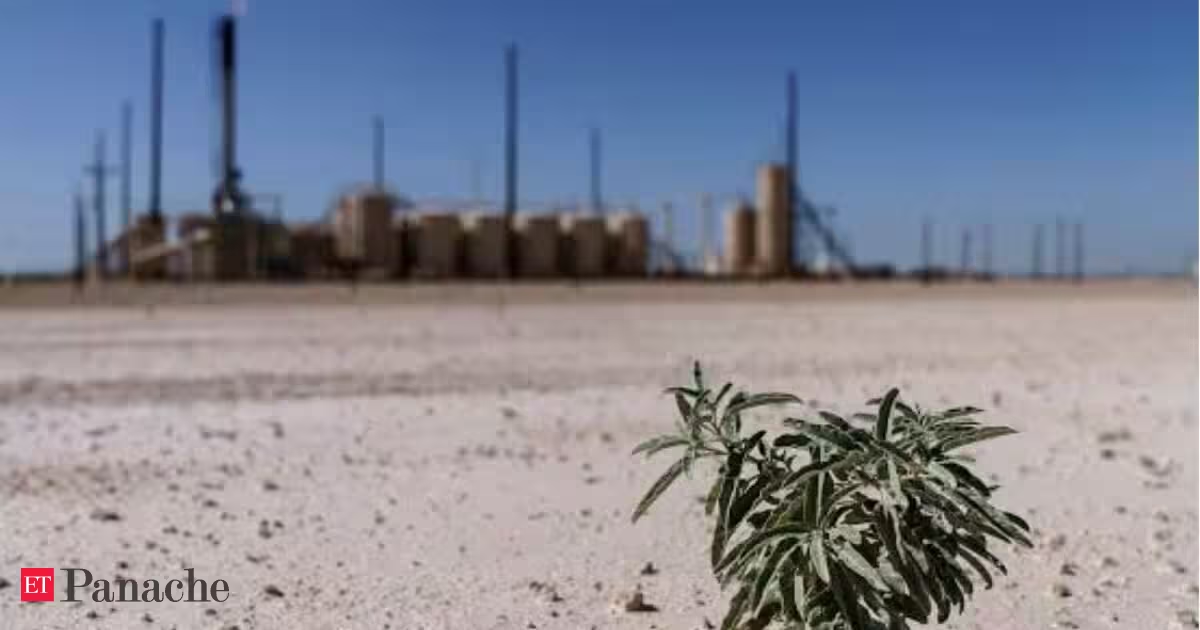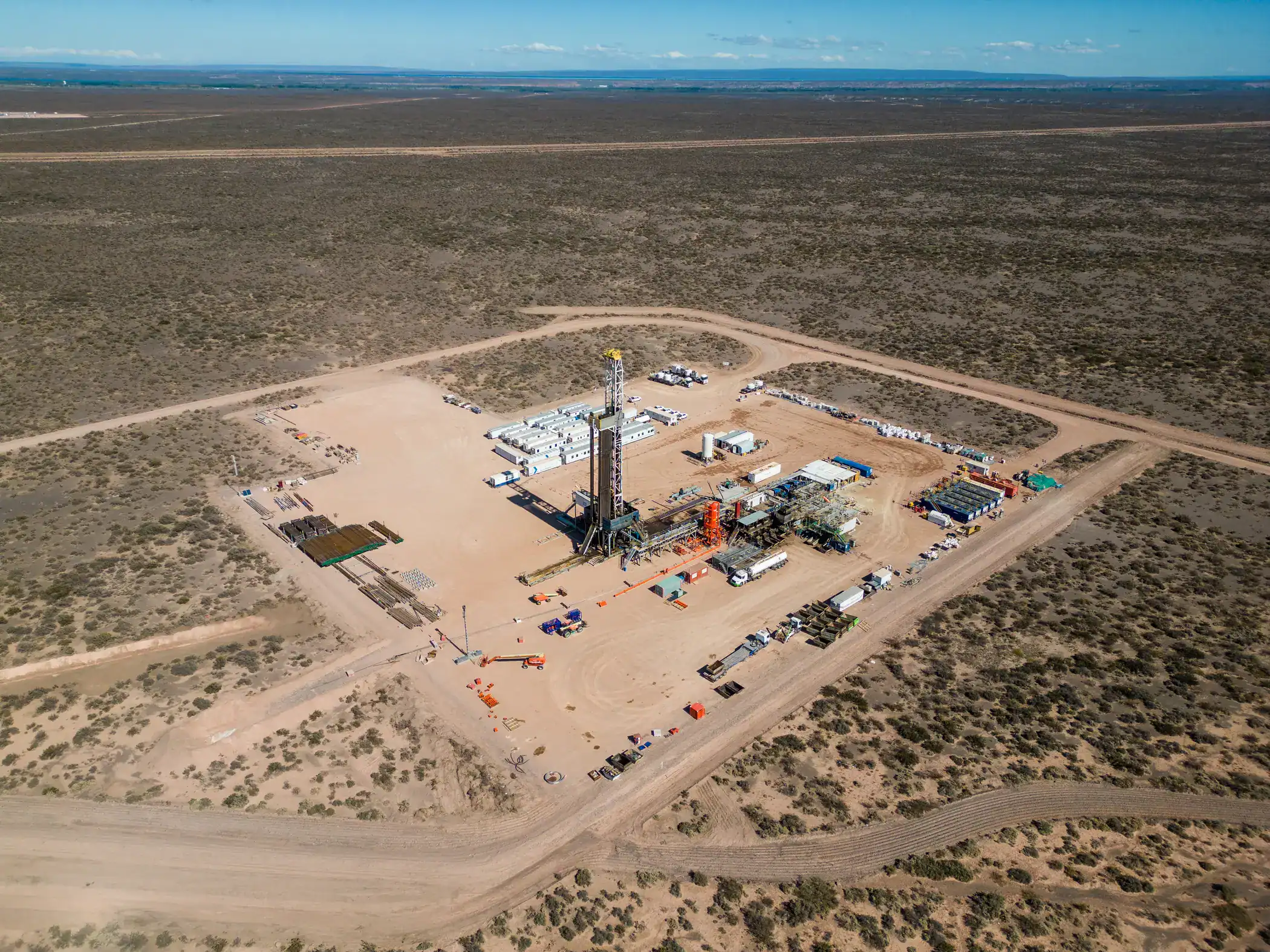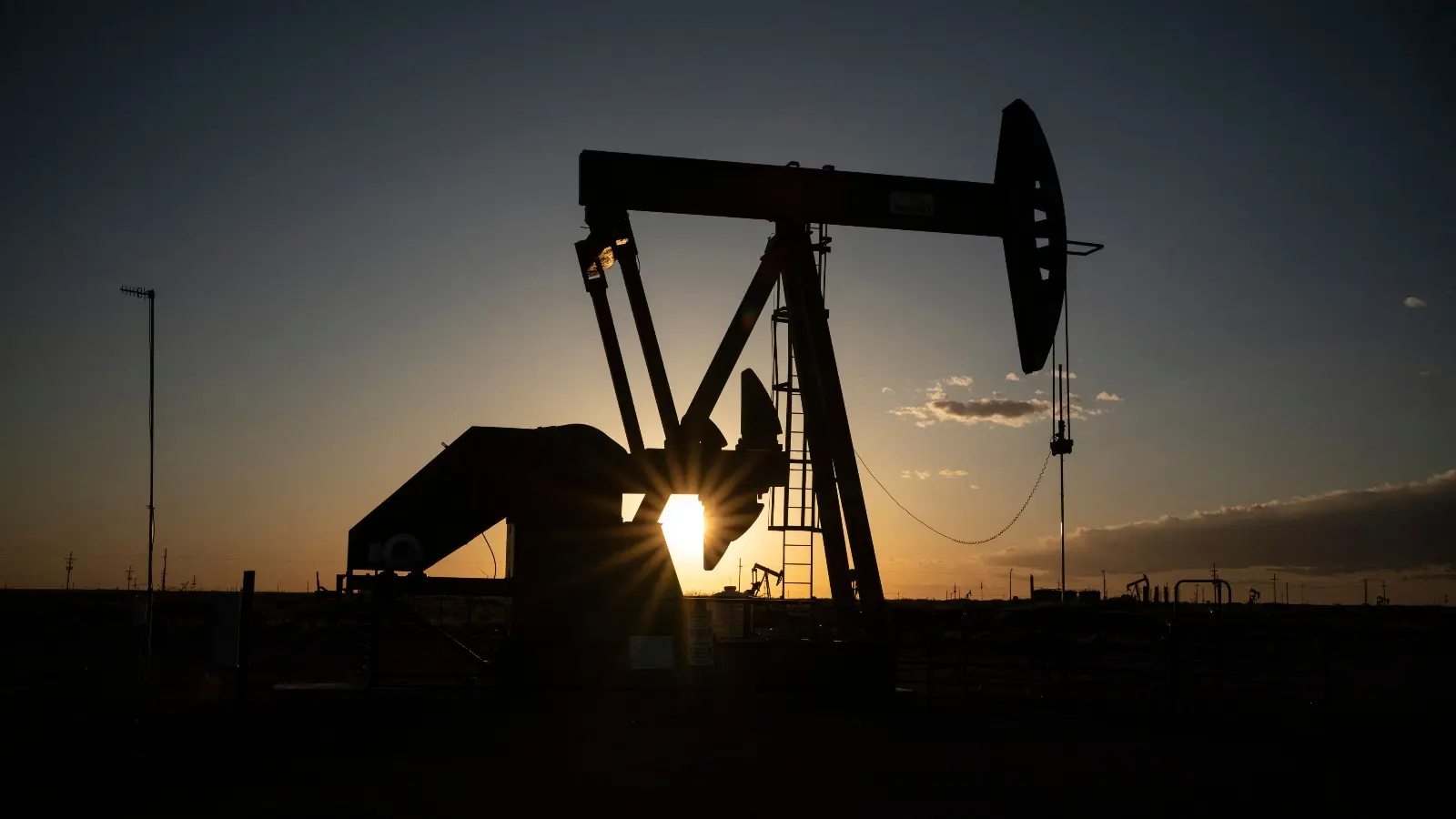
With tens of thousands of active and abandoned oil wells scattered across an area the size of Great Britain, the Permian Basin produces an average of 6.7 million barrels of crude oil and 29.1 billion cubic feet of natural gas per day. But while the region, which spans western Texas and southeastern New Mexico, accounts for roughly 6 to 7 percent of the global supply of hydrocarbons, its environmental impact is even more disproportionate: The Permian Basin is the world’s largest emitter of methane, a greenhouse gas, the effect of which on warming, ton for ton over twenty years, is more than eighty times as severe as that of carbon dioxide. Scientists believe that methane alone accounts for nearly one-third of the increase in global temperatures since the dawn of the Industrial Revolution. Despite the catastrophic risk, emissions have increased by nearly 30 percent since 1990.
For as long as hydrocarbons continue to be extracted from the Permian Basin, methane will continue to be emitted into the atmosphere in ever-larger quantities. Whether the gas is released through intentional “venting” (in which unwanted methane is unceremoniously pumped into the air), escapes via ineffective “flaring” (a supposedly safer disposal method in which excess gas is set on fire to turn it into carbon dioxide), or simply seeps through leaks in drilling machinery or storage containers, greenhouse emissions are as inevitable a consequence of producing fossil fuels as of consuming them.