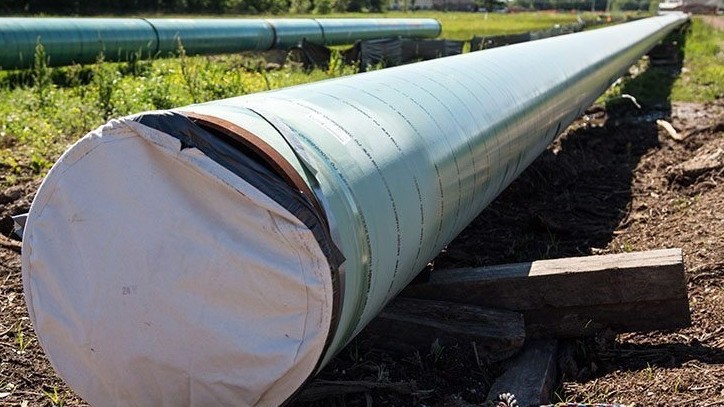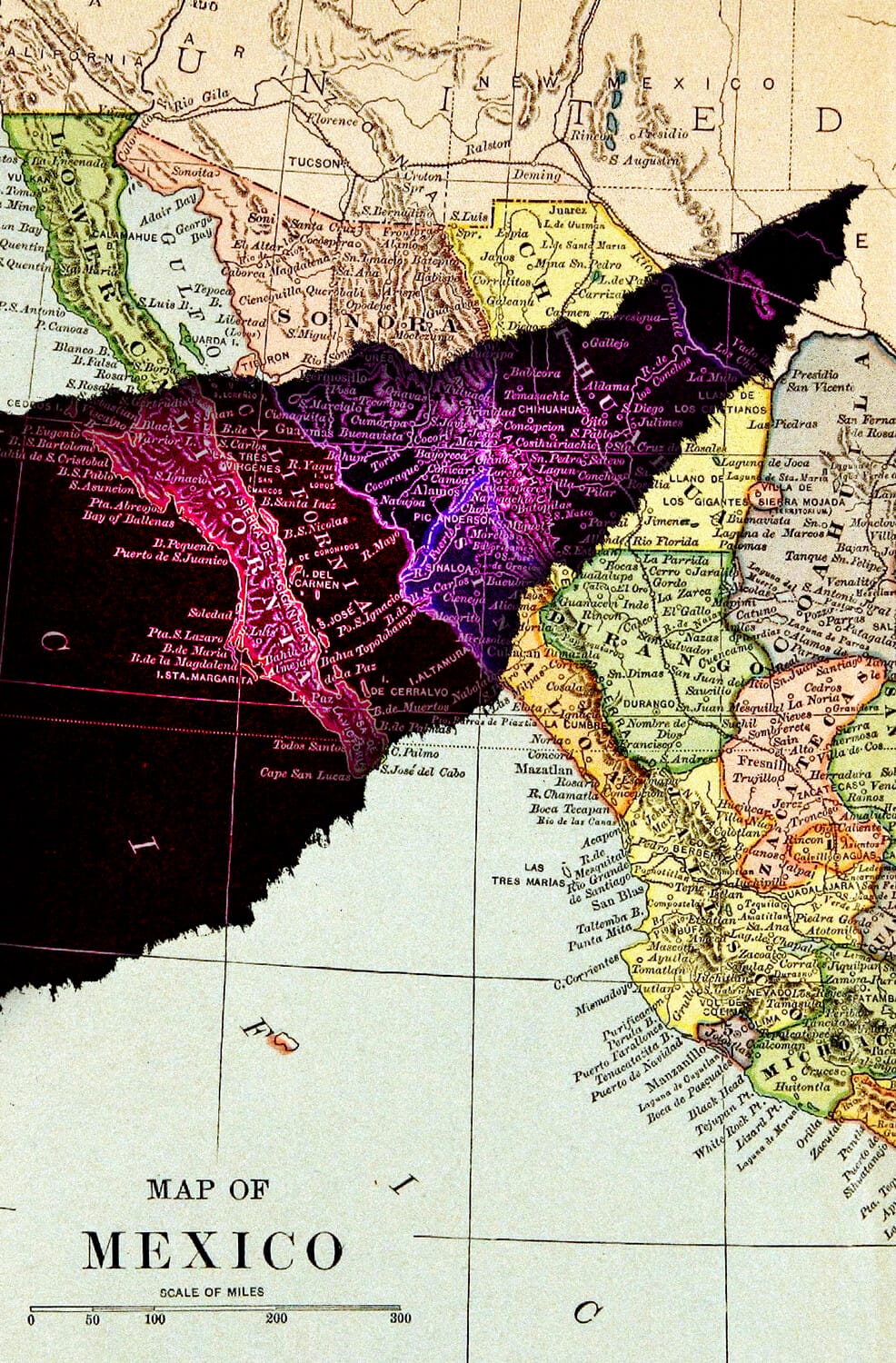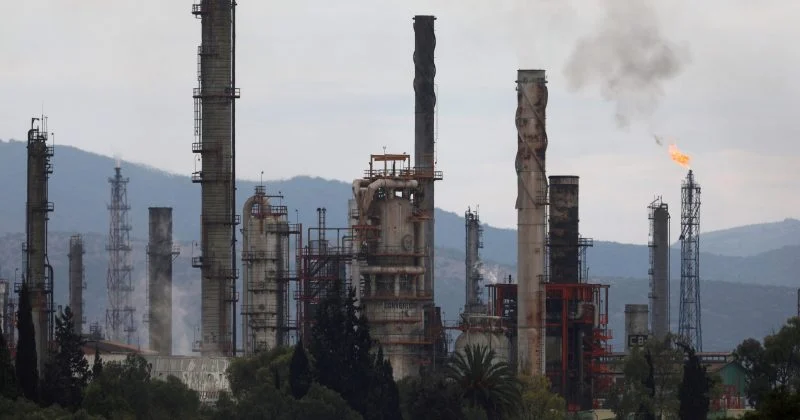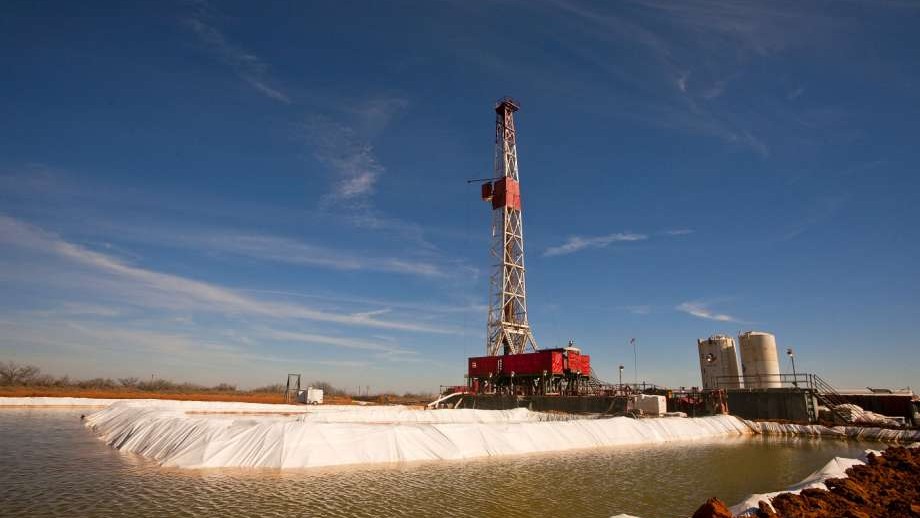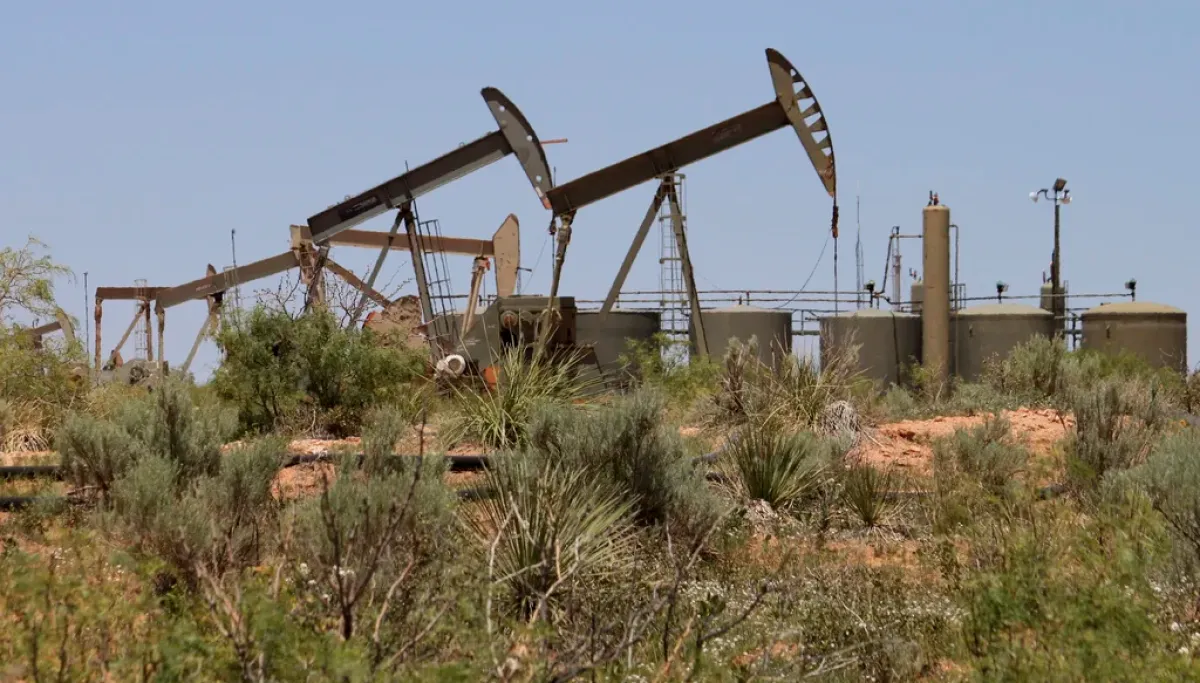
The Permian Basin is one of the largest oil and gas regions in the world, and that productivity has become its own problem. Natural gas is arriving at the Waha Hub in West Texas faster than existing infrastructure can move it, creating periodic pricing collapses and exposing the simple truth that supply without predictable demand destroys value. More domestic pipelines may ease pressure at the margins, but they do not fundamentally solve the imbalance. The Permian needs access to new markets, and the clearest, most durable answer runs south into Mexico.
BP UNANIMOUSLY VOTES TO REMOVE CHAIRMAN ALBERT MANIFOLD
Manufacturing and industrial activity in Mexico, which represents roughly 32% of the economy, is experiencing explosive growth that the country’s gas infrastructure and electric grid have not fully caught up to. Industrial parks, data centers, mining operations, and processing facilities are being built at a staggering pace across central and western Mexico. Data center demand alone has grown 142% since 2024. In a trend that closely resembles the issues data centers are facing in the United States, Mexican industrial customers have made clear they would rather pursue the reliable, direct delivery of natural gas to power their operations than wait years for an interconnection to Mexico’s saturated grid. U.S. natural gas exports to Mexico hit record highs last year, but the majority of that gas is sourced from South Texas’s Agua Dulce Hub, where it trades at a higher premium than Waha gas.