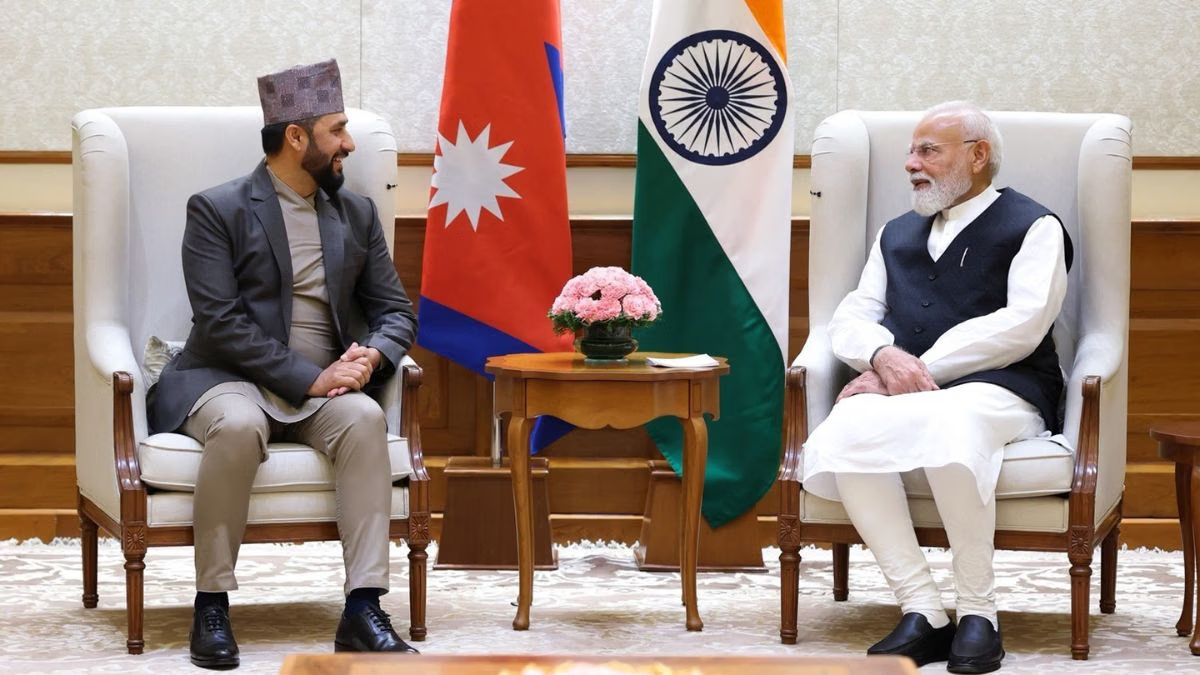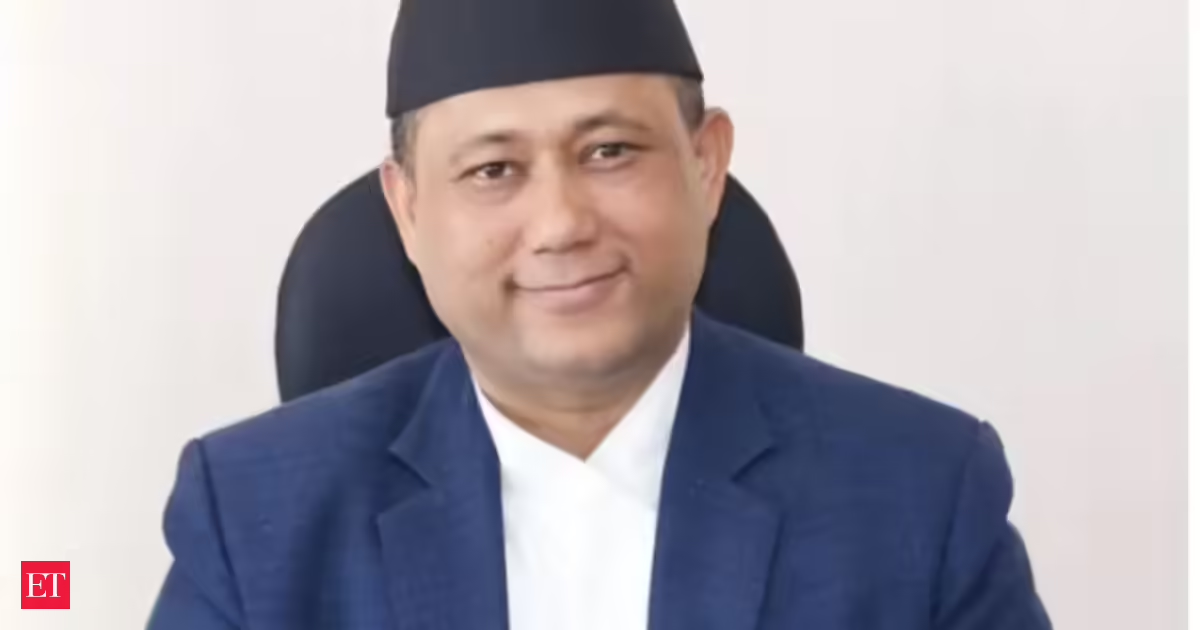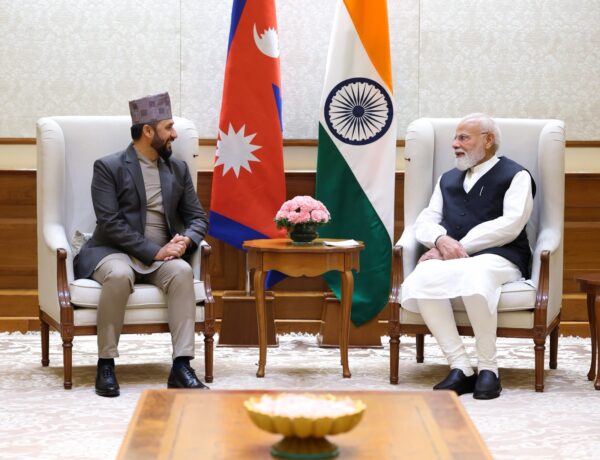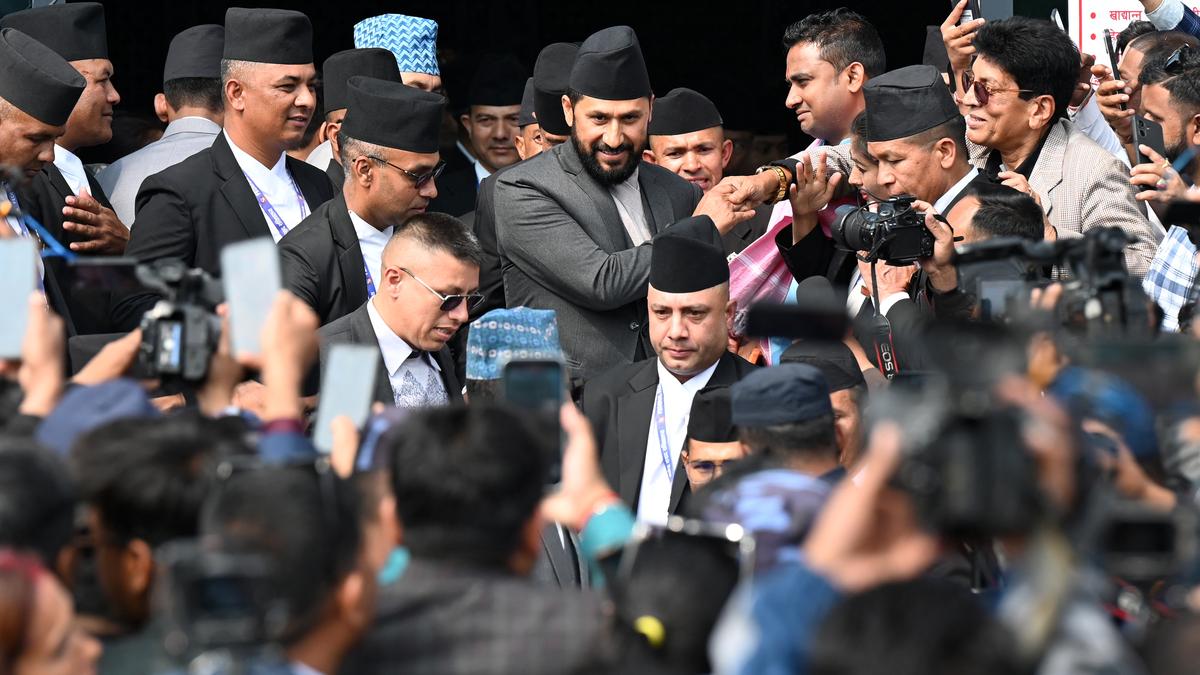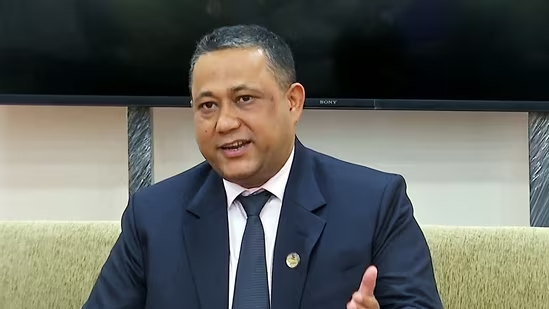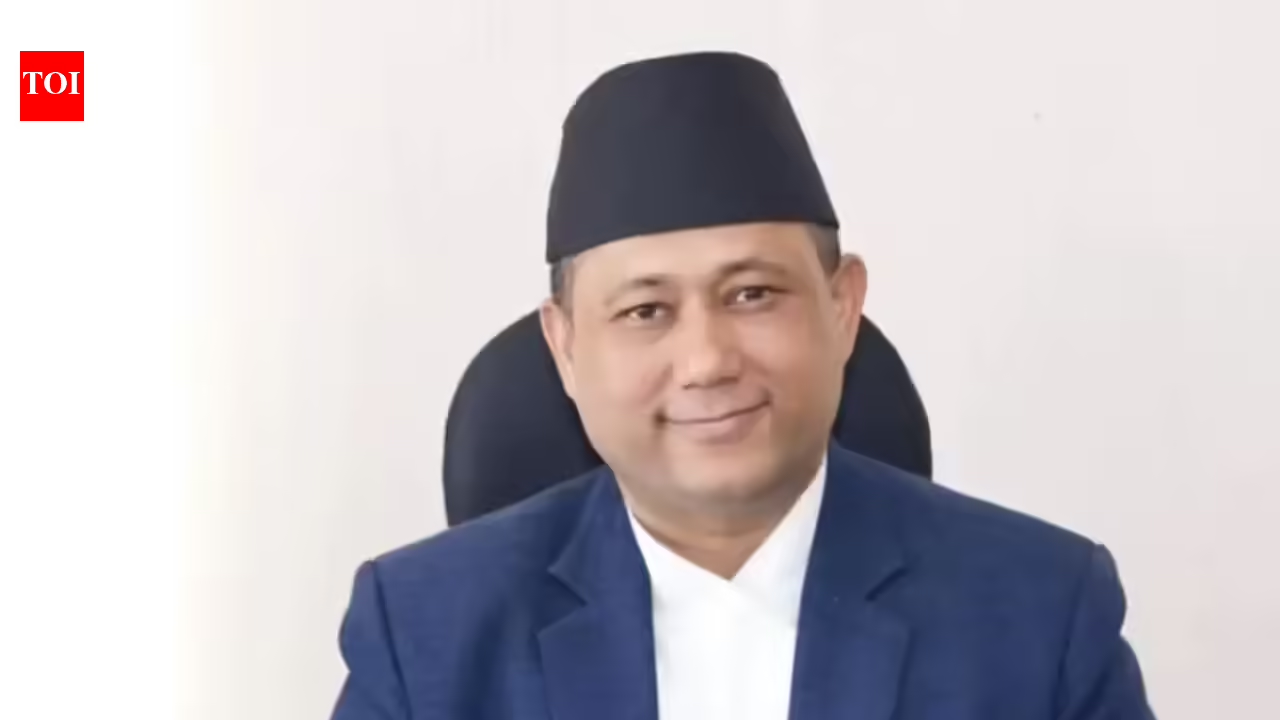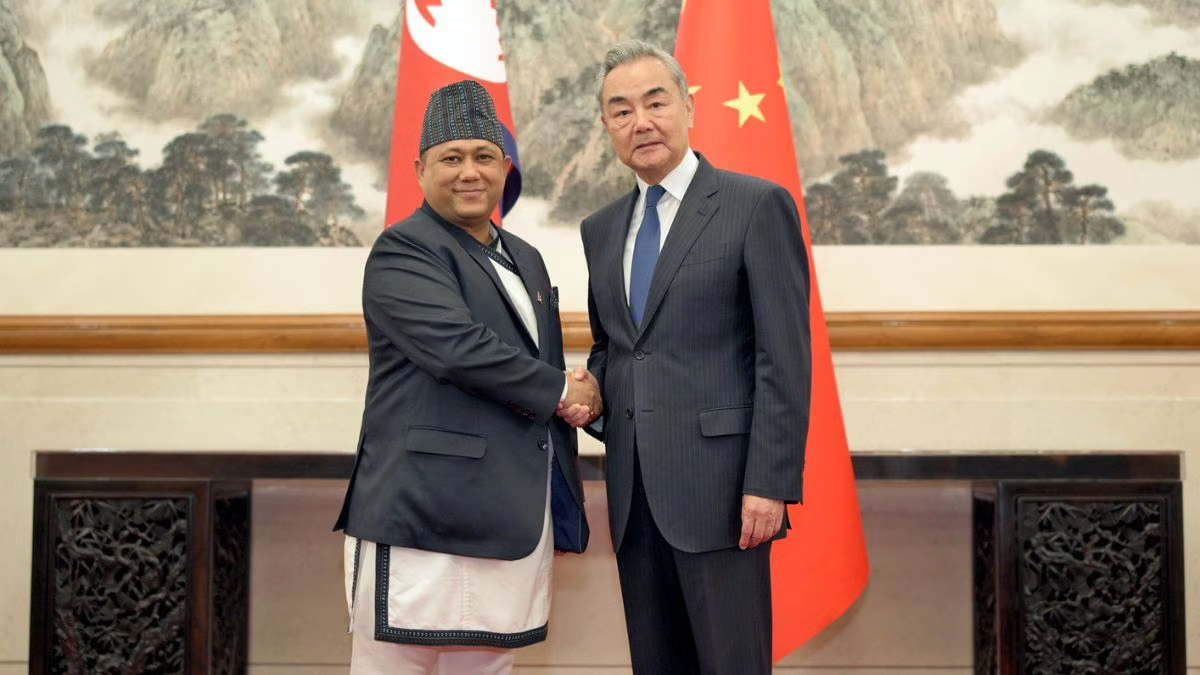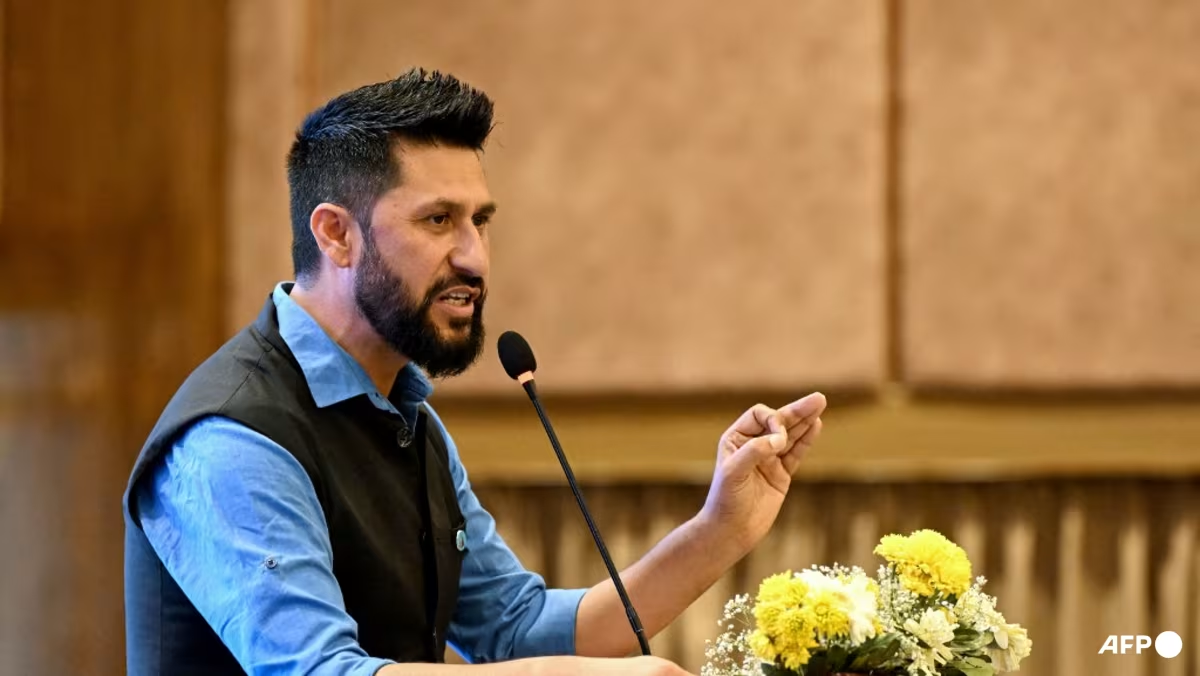
NEW DELHI: Nepal's ruling party chief called for closer economic and strategic cooperation with India on Tuesday (Jun 2), on the first high-level visit since deadly 2025 anti-corruption youth protests toppled the previous government.But this trip to a key ally was not by Nepal's new prime minister - 36-year-old rapper-turned-politician Balendra Shah.Shah has shunned meetings with several foreign envoys to Nepal and, according to his aides, has said he will not travel abroad for his first year in power to focus on the many domestic challenges, not least the ailing economy.The first visit to key ally India instead was made by Rabi Lamichhane, a former deputy prime minister and interior minister, who is president of the Rastriya Swatantra Party (RSP).
The party won a landslide victory in the March parliamentary elections, led by Shah.Former television host Lamichhane retains a pivotal role in power, and the lawmaker is expected to meet Indian Prime Minister Narendra Modi, RSP spokesman Manish Jha told AFP.Nepal, a landlocked Himalayan nation of 30 million people, must ensure a delicate diplomatic balance between its two giant neighbours, India and China.India has long considered Hindu-majority Nepal as a traditional ally, with open borders along the plains.Kathmandu's largest trading partner is India, accounting for 63 per cent of imports, or US$8.6 billion, followed by China at 13 per cent, or US$1.8 billion, according to World Bank figures."A stable and prosperous Nepal is a natural guardrail along India's northern border, whereas a politically fractured Nepal makes India nervous about instability in the neighbourhood," Lamichhane wrote in The Hindustan Times on Tuesday."Nepal's economic development is, therefore, a strategic necessity for India."HYDROPOWER AND CRICKETShah has spoken little since coming to power, and issued his victory message in a rap song, where he promised to "run like a leopard" to ensure his nation's success.The visit takes place as a long-running border controversy resurfaced, over Nepali territorial claims to the Lipulekh Pass, where India, China and Nepal meet.The icy 5,334m pass has been used by Indian pilgrims to visit Mount Kailash - sacred to Hindus and Tibetan Buddhists, but also connects India to China directly.In 2020, protests erupted in Nepal after India inaugurated a new road leading to the pass.On Sunday, Shah said in parliament that both India and Nepal had "encroached" on each other's territory, and said they should "resolve the issue as friends". The comments sparked uproar in Kathmandu's parliament.Analysts say Lamichhane's visit could help renew ties."There has been a vacuum of political dialogue between Nepal and India for a while," Kathmandu-based foreign affairs analyst Chandra Dev Bhatta said."So this visit is a positive step towards opening engagements and clearing any misunderstandings." Lamichhane said that Nepal could offer energy-hungry India hydropower from its many dams on rivers running off the Himalayas."Nepal's hydropower potential is no longer just a domestic asset; it is a clean, green engine capable of powering the industrial corridors of a rising India," he wrote.He also noted that Nepal shared the same love of cricket as India, with fans watching the just-completed Indian Premier League (IPL) T20 tournament."We have also been deeply contemplating how Nepali players and Nepali stadiums can be integrated into the IPL franchise," he said.Nepal are cricketing minnows - but came within a nail-biting single ball of one of the biggest upsets in T20 World Cup history in February, when they lost to England by only four runs.