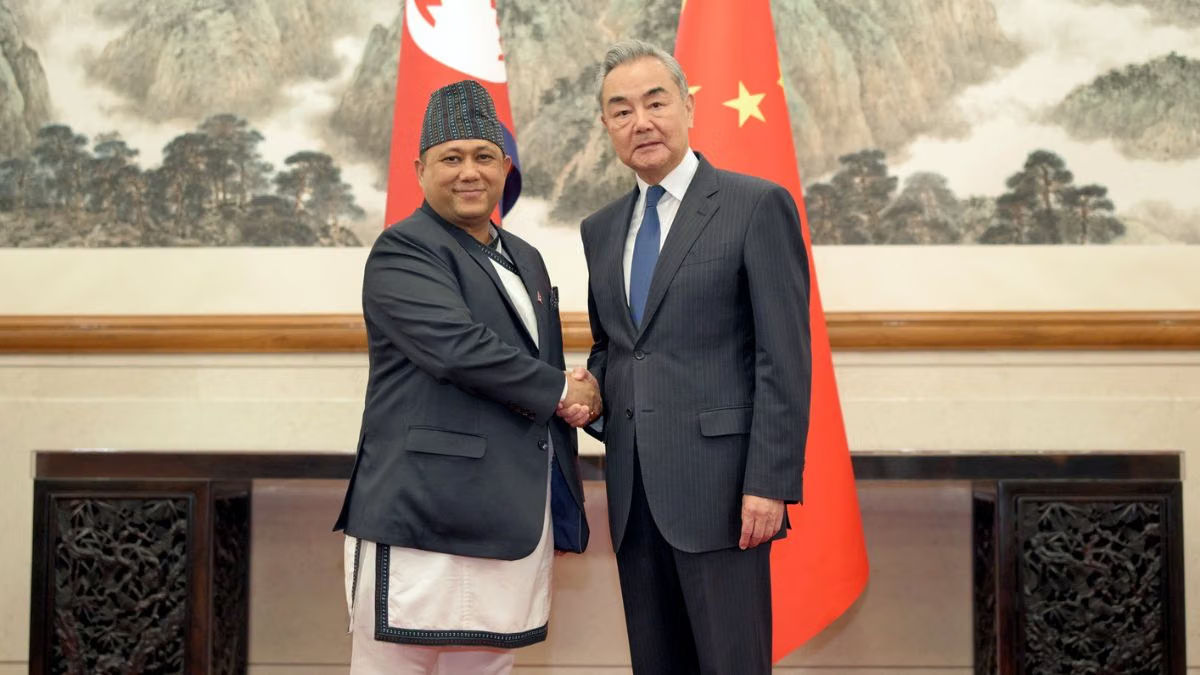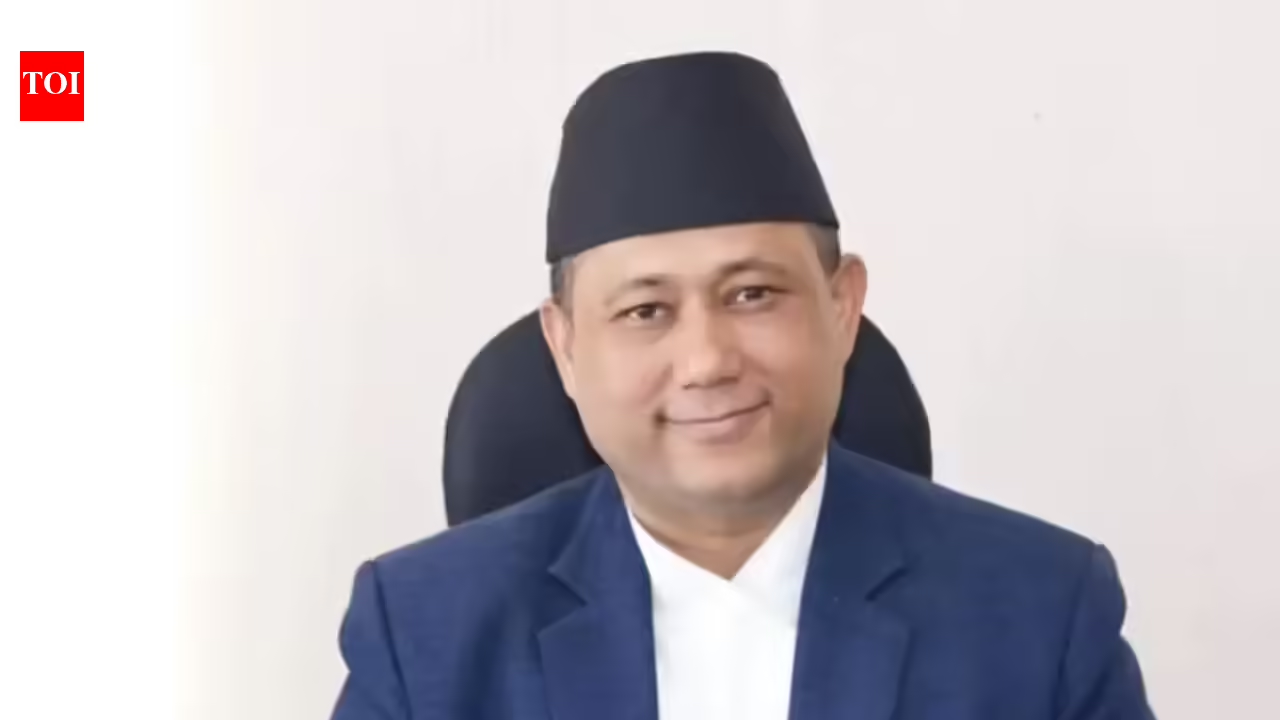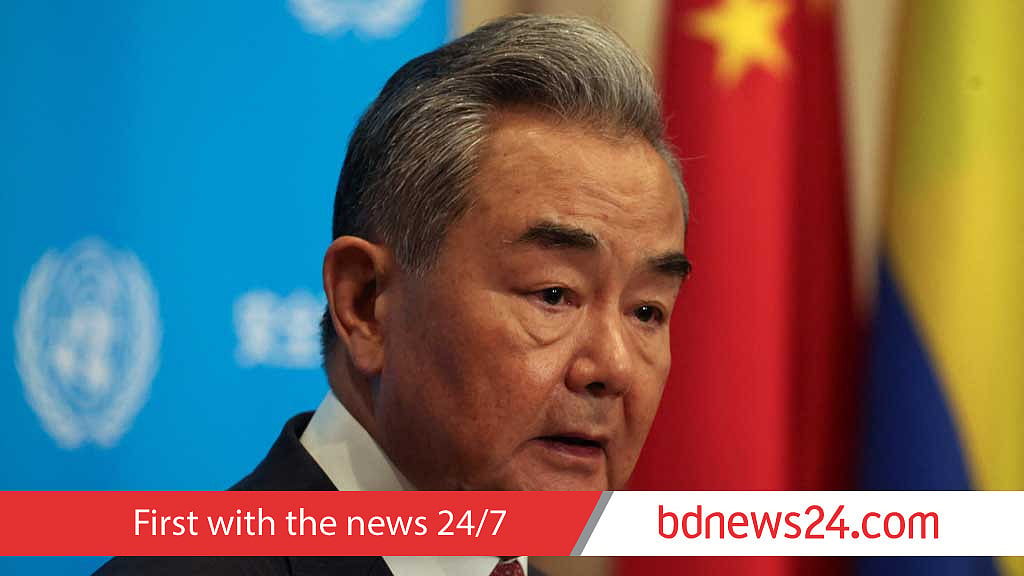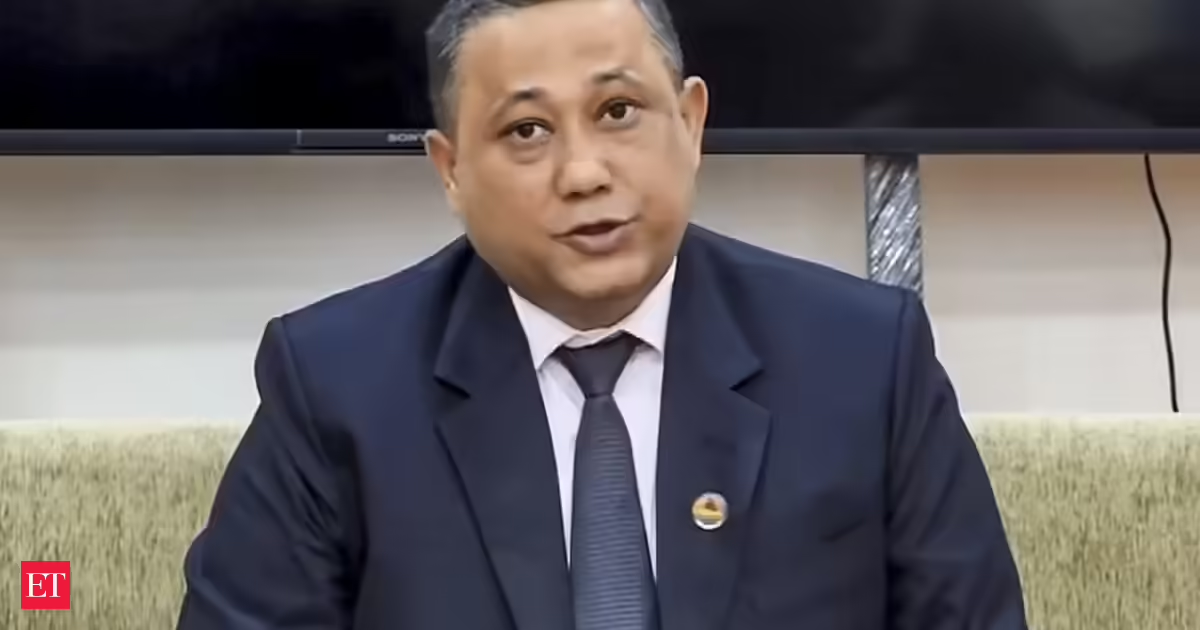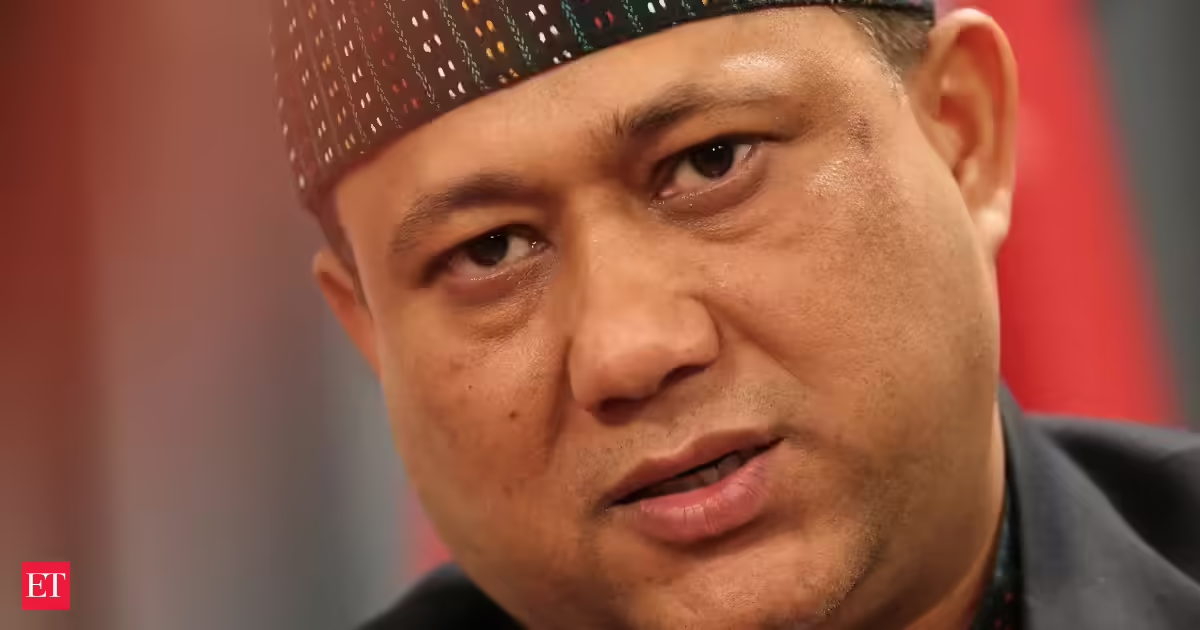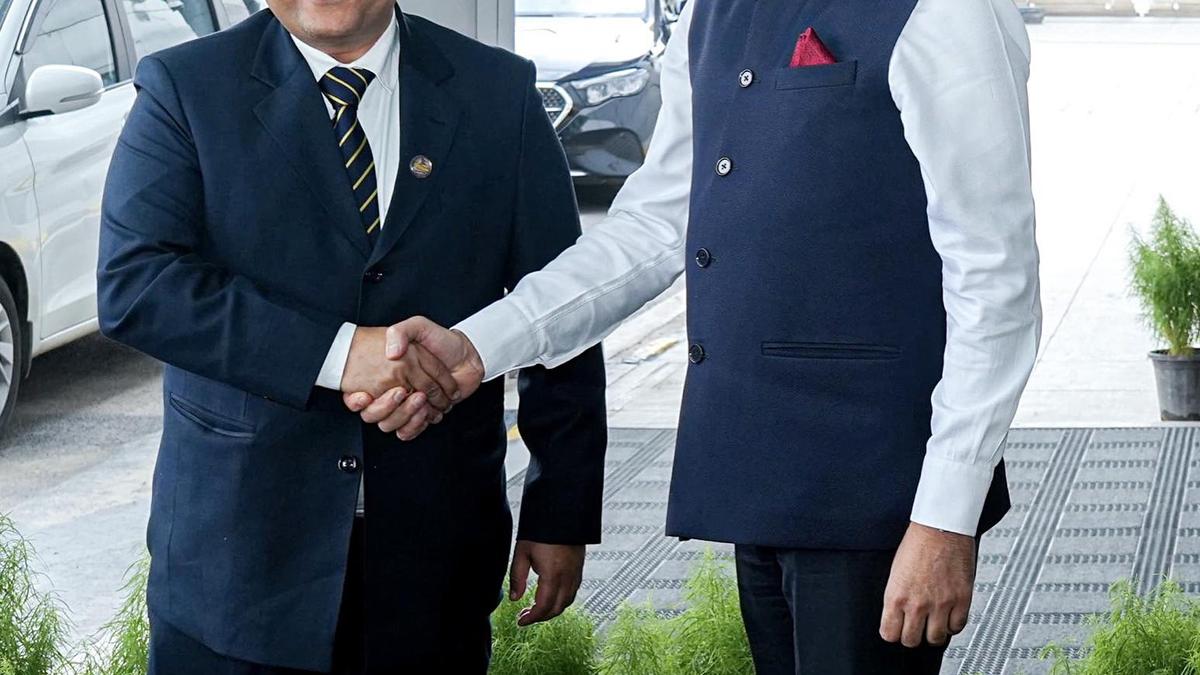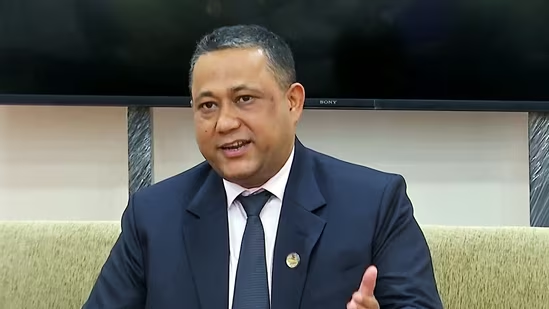
Nepal’s foreign minister Shishir Khanal concluded his four-day-long trip to China on June 17. This was the highest-level engagement between Nepal and China since a new government led by Prime Minister (PM) Balendra Shah, popularly known as Balen, took office in February 2026. His visit to Nepal’s northern neighbour comes in the backdrop of two high-level visits from Kathmandu to Delhi: the first by ruling Rastriya Swatantra Party chairman Rabi Lamichhane and the second by Khanal. Shishir Khanal emphasised that Nepal remains firmly committed to a bilateral approach. (ANI Video Grab)Interestingly, the first hundred days of the government have been focused on internal affairs, especially towards reforming and bringing transparency to institutions, including the judiciary, education, finance, bureaucracy, and the foreign affairs department. These efforts have been an attempt to address the grievances raised by the country’s youth during the Gen Z Movement in August last year. Now, two high-level visits to neighbouring countries mark a major opening for Nepal’s new government and present the opportunity to chalk a new roadmap for foreign policy. It is noteworthy that, unlike past governments, the PM is not in a hurry to make a foreign visit, either to India or China, but has let Nepal’s foreign office lay the groundwork for engagement. For Delhi, the good news is that Shah has indicated a willingness to visit India first—a goodwill diplomatic tradition long maintained by newly elected or appointed PMs of Nepal. But before the visit takes place, New Delhi needs to closely study Shah’s signalling of Nepal's new aspirational foreign policy. While Nepal’s new youth-led government has shown interest in engaging with India, Delhi has also adopted a proactive approach in its Nepal policy. The grand welcome offered to Rabi Lamichhane, in Delhi at the invitation of the Bhartiya Janta Party (BJP), and his meetings with the political leadership, followed by meetings with PM Modi and national security advisor Ajit Doval, reaffirmed Delhi’s Neighbourhood First approach. This approach offers support and assistance as the new government prepares its development policies for neighbouring countries and responds to emergency humanitarian calls. It is evident how delicate relations between Nepal and India have become over unresolved issues like territorial disputes—many of which Nepal continues to raise. Delhi has recognised this and is acting upon it. Shortly after the Gen Z Movement in Nepal, Modi addressed a political rally in Manipur in September 2025, commending the youth of Nepal for their role in nation-building. While India’s top leadership avoids conducting foreign policy publicly, Modi’s address to Nepal’s youth reflected a recognised urgency to engage with Nepalese youth, given their role in shaping the future of Nepal-India relations. Over the last decade, Delhi witnessed hashtags such as #GoBackIndia and #BackOffIndia on Nepal’s social media space, especially after the 2015 border disruptions. The rise of ultra-nationalism, laden with anti-India sentiment, under the Communist regimes in Nepal, particularly during the ousted PM KP Sharma Oli’s tenure, severely damaged the partnership. It was then that people-to-people ties, considered the strongest pillar of the relationship—reached their lowest point, and now they need to be rebuilt. Under Shah’s leadership, Nepal has conveyed to India its mission of resetting ties. During his trip to New Delhi, Rabi conveyed that, “Instead of looking solely at what our relationship has achieved, we want to make a fresh start by focusing on what it could have achieved—and what it can become.” While Delhi wants to ensure Nepal continues to protect India’s interests and security concerns, it “has also indicated that Nepal is a priority partner under our Neighbourhood First policy and we look forward to collaborating with the new government to elevate the special and multifaceted relationship between our two countries to greater heights.” What is needed in India-Nepal bilateral ties now more action and a delivery-oriented foreign policy that realises its full potential, where projects move from standstill to progress and conflicts are resolved through a mutual consensus. For instance, decades-long pending projects like the Pancheshwar Multipurpose Project, signed in 1996, need to actually move forward, as it offers the best uses of Nepal’s hydro potential for mutual benefits in the energy and irrigation sectors. As Delhi opens to new realities in Nepal, Kathmandu must ensure that it addresses India’s security concerns arising from an open border or anti-India rhetoric, and that engagement with China is not used as a political tool to fuel anti-India sentiment. At the same time, Kathmandu will have to ensure that the act of balancing ties between Delhi and Beijing is not merely diplomatic claptrap but a genuine objective. Also, policy makers in Nepal must ensure projects like the Belt and Road Initiatives (BRI) that Nepal signed with China in 2017 do not come at the cost of its national interests, financial security, and ties with third countries, but instead offer a roadmap for progress and development.(The views expressed are personal)This article is authored by Rishi Gupta, assistant director, Asia Society Policy Institute, New Delhi.
Nepal’s new foreign policy roadmap
This article is authored by Rishi Gupta, assistant director, Asia Society Policy Institute, New Delhi.
824 words~4 min read