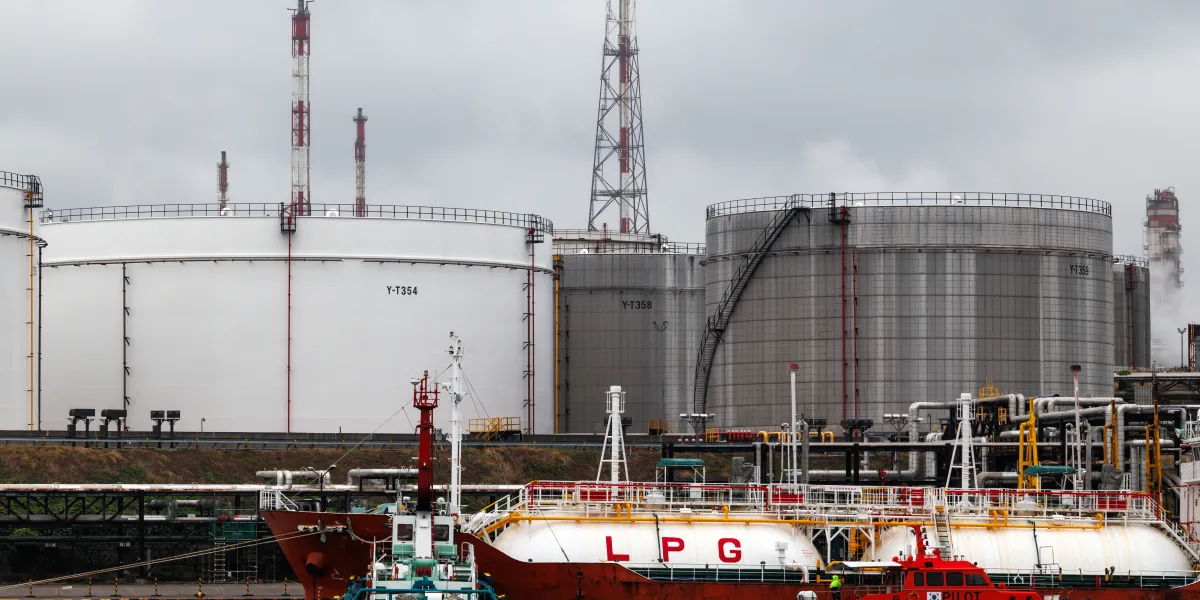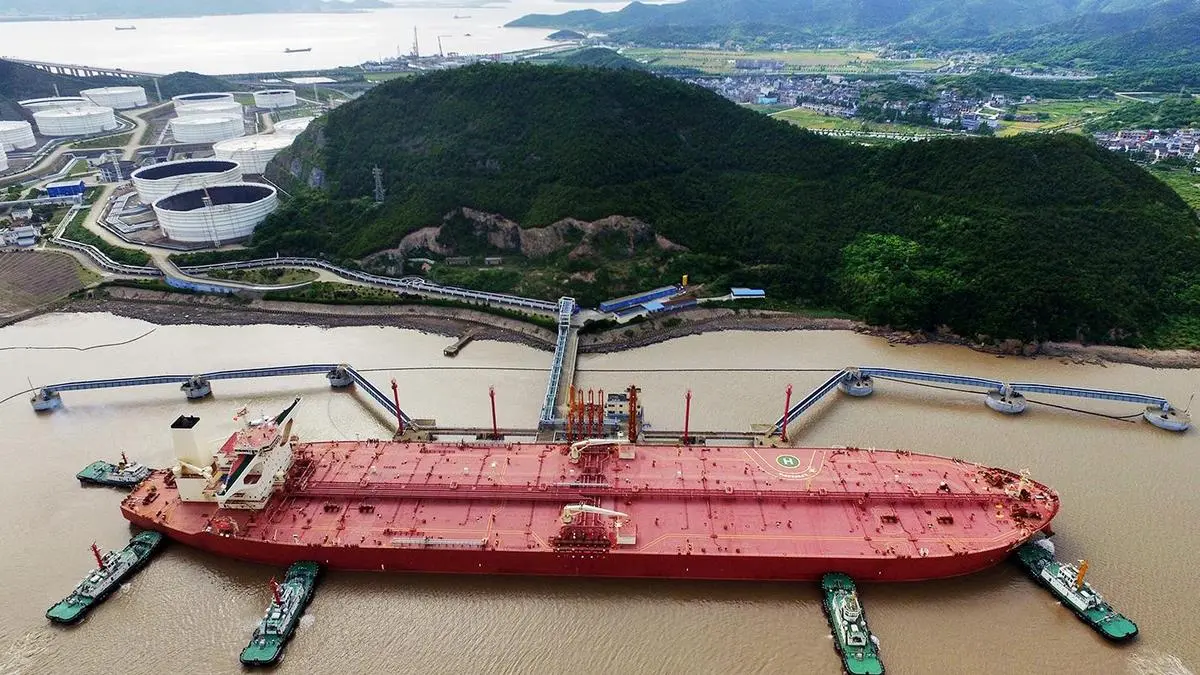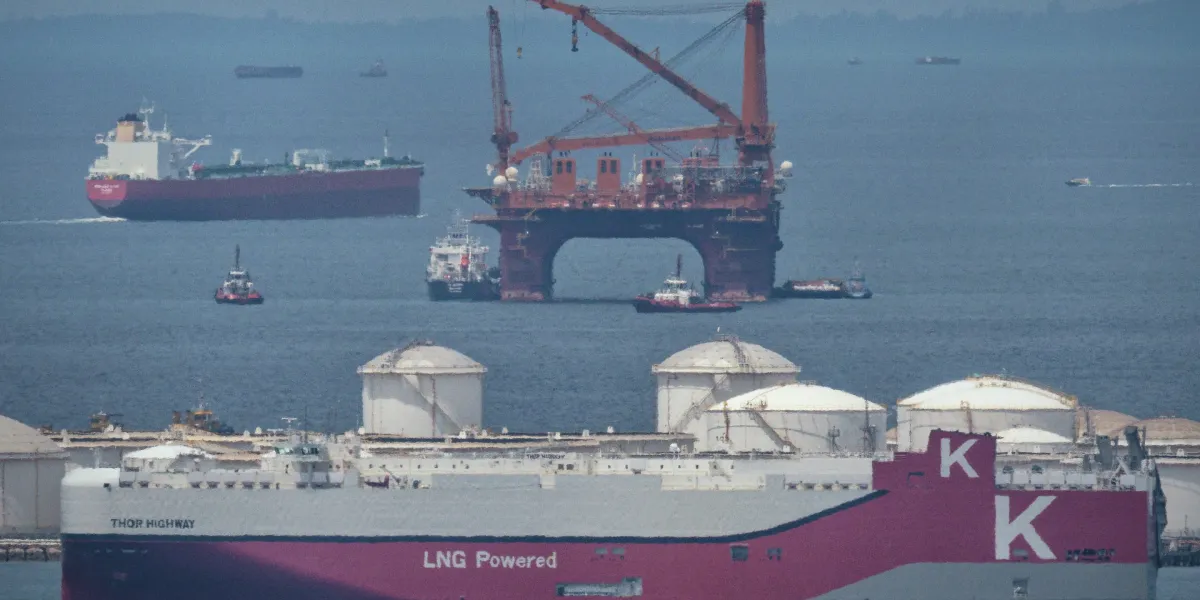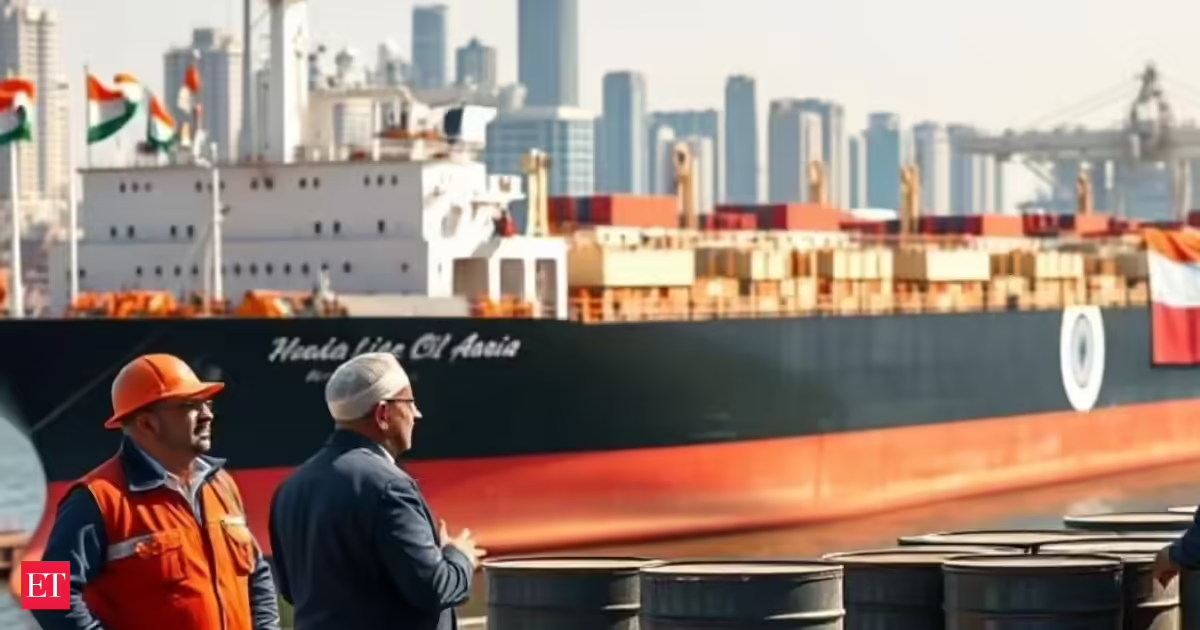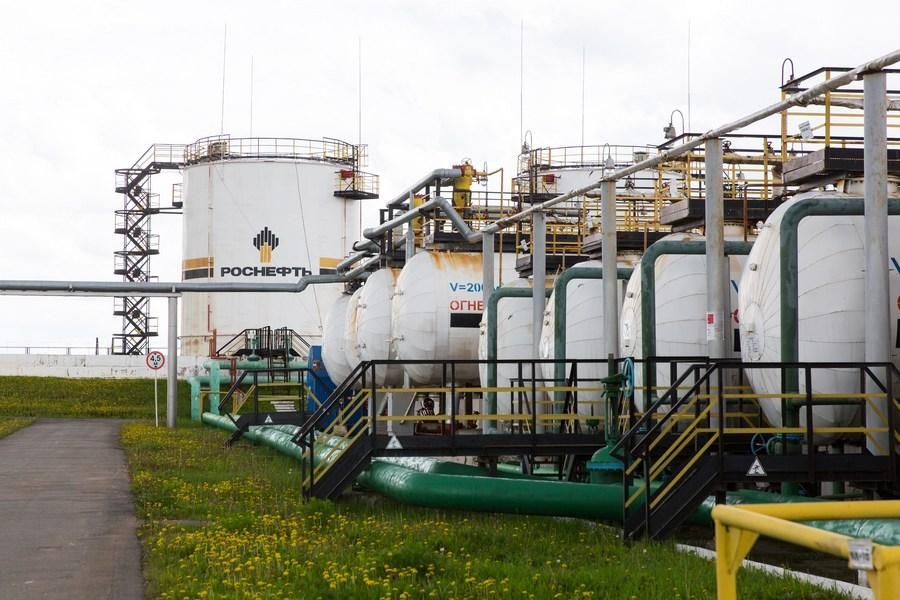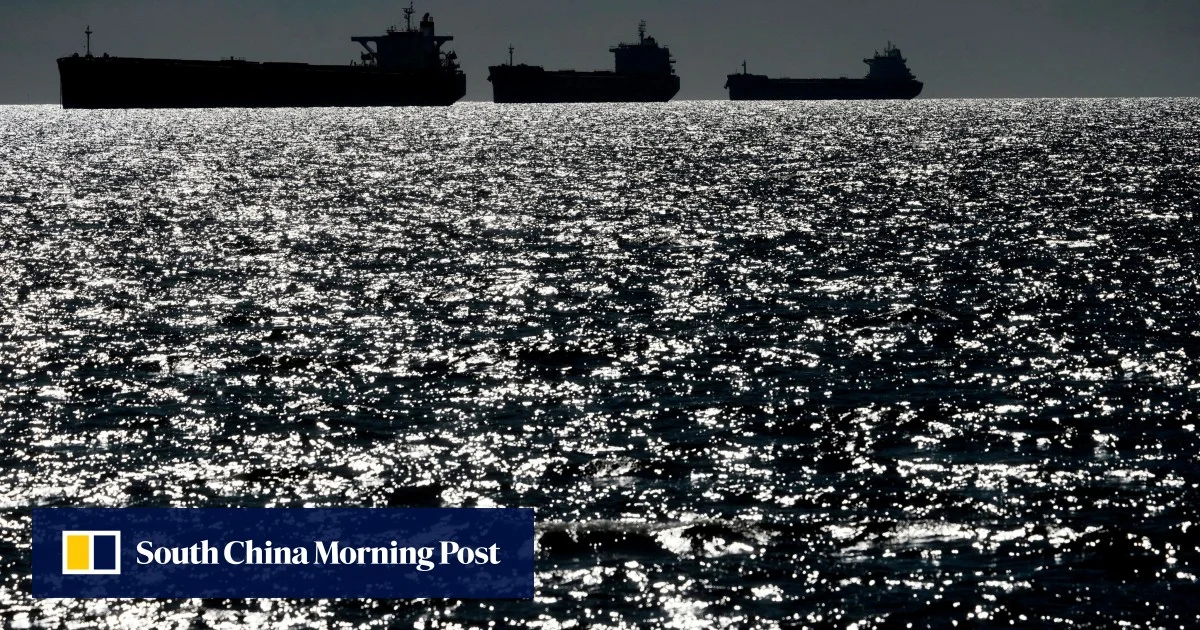
Asia’s fuel needs may take priority over the strategic risks of relying on oil from heavily sanctioned Russia, according to experts.Currently, there is little political appetite to treat the surge of Moscow’s crude flowing eastward through a “dark fleet” of tankers as a potential security issue.The US-Israeli war on Iran has caused the price of Brent crude – the benchmark measure – to spike to above US$100 since March, although talks with Washington have seen the price soften in recent days to around US$93 a barrel.Still, surging costs triggered by disruptions to Middle Eastern oil and gas routes through the Strait of Hormuz have punished Asia’s energy-importing economies, making reliable fuel sources a priority.While Russia’s oil and gas majors have been sanctioned by the United States and the EU over its invasion of Ukraine, the country is finding a multitude of customers for its fuel both new and old across Asia.Data from commodity analytics firm Kpler shows India imported about 1.9 million barrels per day of Russian crude in May 2026, up from 768,000 barrels daily in May 2022.Indonesia had said it was working on a regulatory framework to fulfil its plan to import 150 million barrels of crude from Russia this year, following a Kremlin meeting between President Prabowo Subianto and Russian leader Vladimir Putin in March, Reuters reported.
Why oil-hungry Asia ignores risks linked to Russia’s ‘dark fleet’
Asia prioritises fuel needs over security risks from Russian oil to survive the energy crisis, despite sanctions and diplomatic dilemmas.
TL;DRAI
India imports 1.9M Russian barrels daily (vs 768k in 2022); Indonesia targets 150M yearly. Asia prioritizes energy over sanctions. Deepens Asia's geopolitical divergence, raising tech infrastructure costs and creating compliance risk for Western operators in the region.
220 words~1 min read