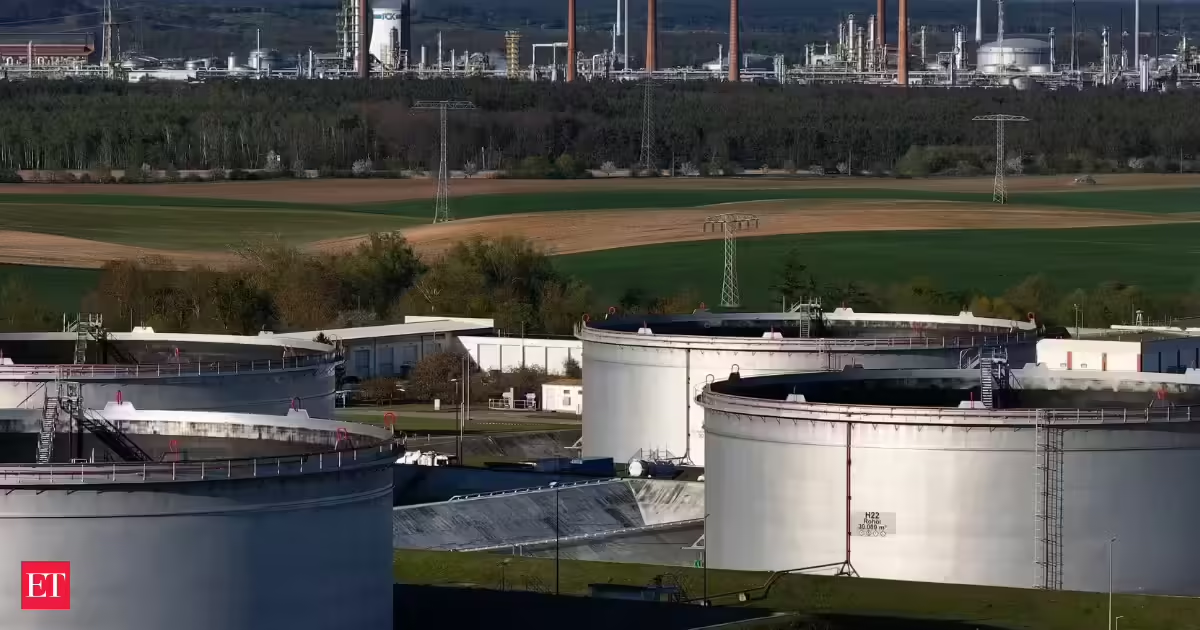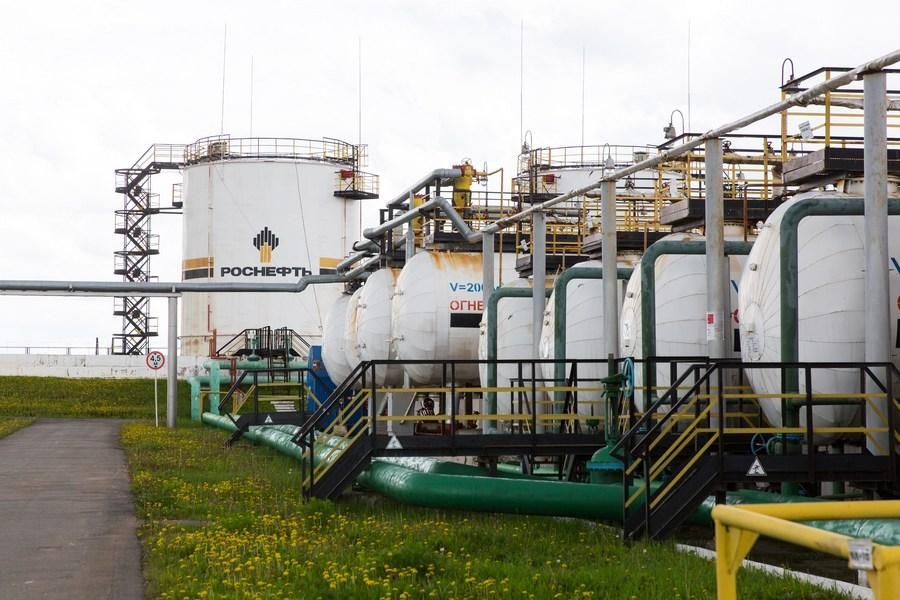
Photo taken on June 2, 2017 shows a plant of the Udmurtia Petroleum Corp project in Udmurtia, a republic in western Russia.
Global energy markets are navigating one of their most complex periods in recent years. While Western sanctions on Russia remain in place following the Ukraine conflict, concerns over oil supply disruptions linked to Middle East tensions have prompted Washington to extend temporary exemptions for certain Russian oil shipments. The decision reflects a delicate balancing act between maintaining pressure on Moscow and preventing further instability in global energy markets already grappling with geopolitical shocks, supply constraints, and elevated prices.
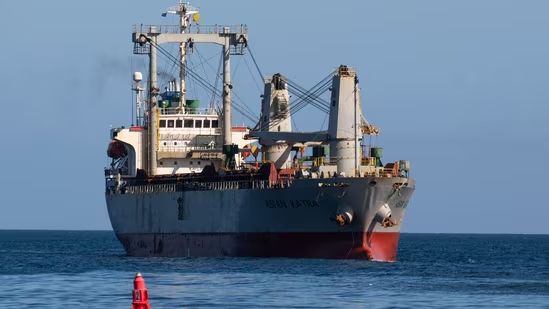
The United States recently announced a further 30-day extension of its sanctions waiver covering Russian oil and petroleum products that were already loaded onto tankers before the sanctions deadline. The waiver, which now runs until June 17, is intended to help vulnerable countries maintain access to energy supplies while reducing pressure on global crude markets.
US Treasury Secretary Scott Bessent said the extension would provide flexibility for nations facing energy security challenges and help ensure that oil already at sea reaches countries most in need. The decision marks a notable shift from earlier indications that Washington was unlikely to renew the waiver beyond its initial implementation.