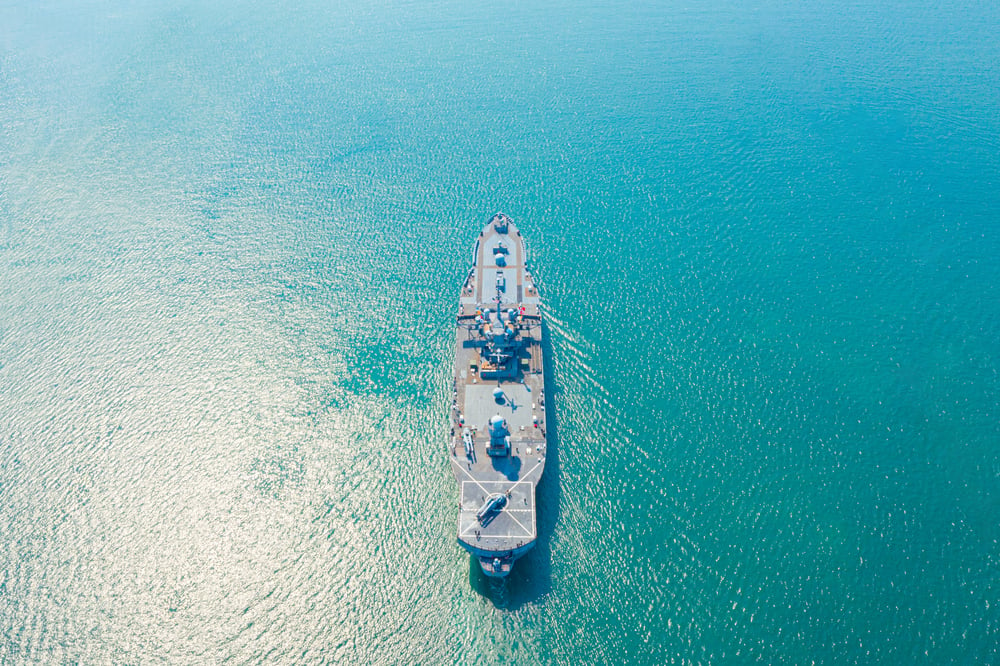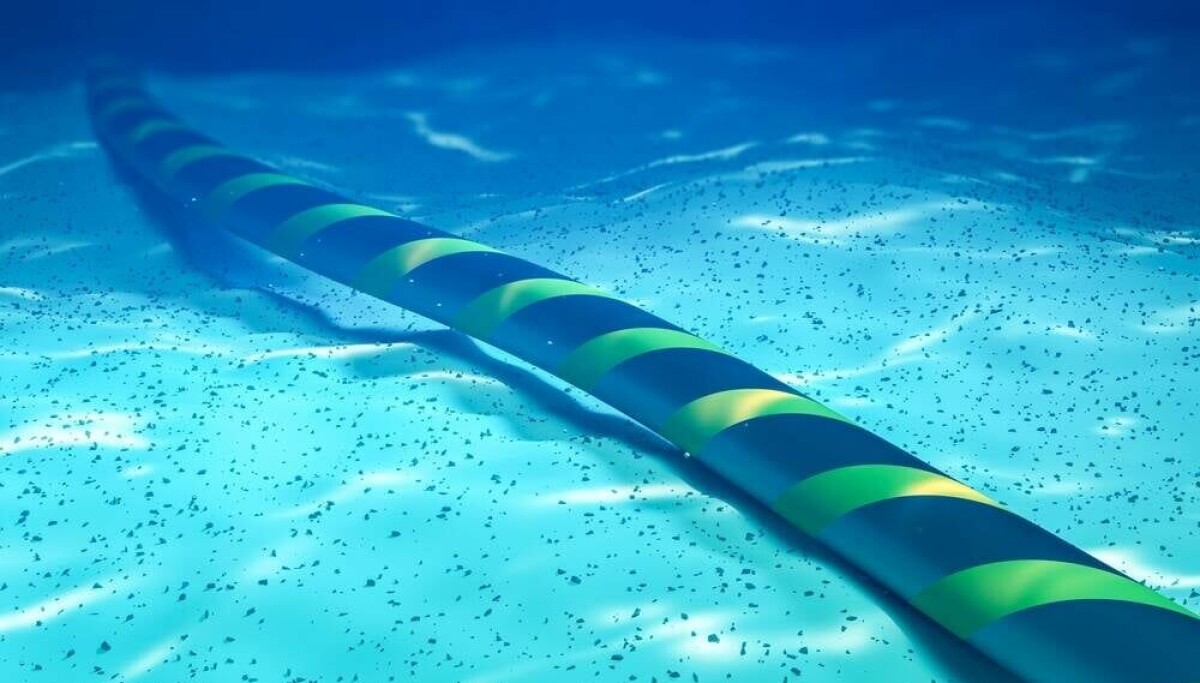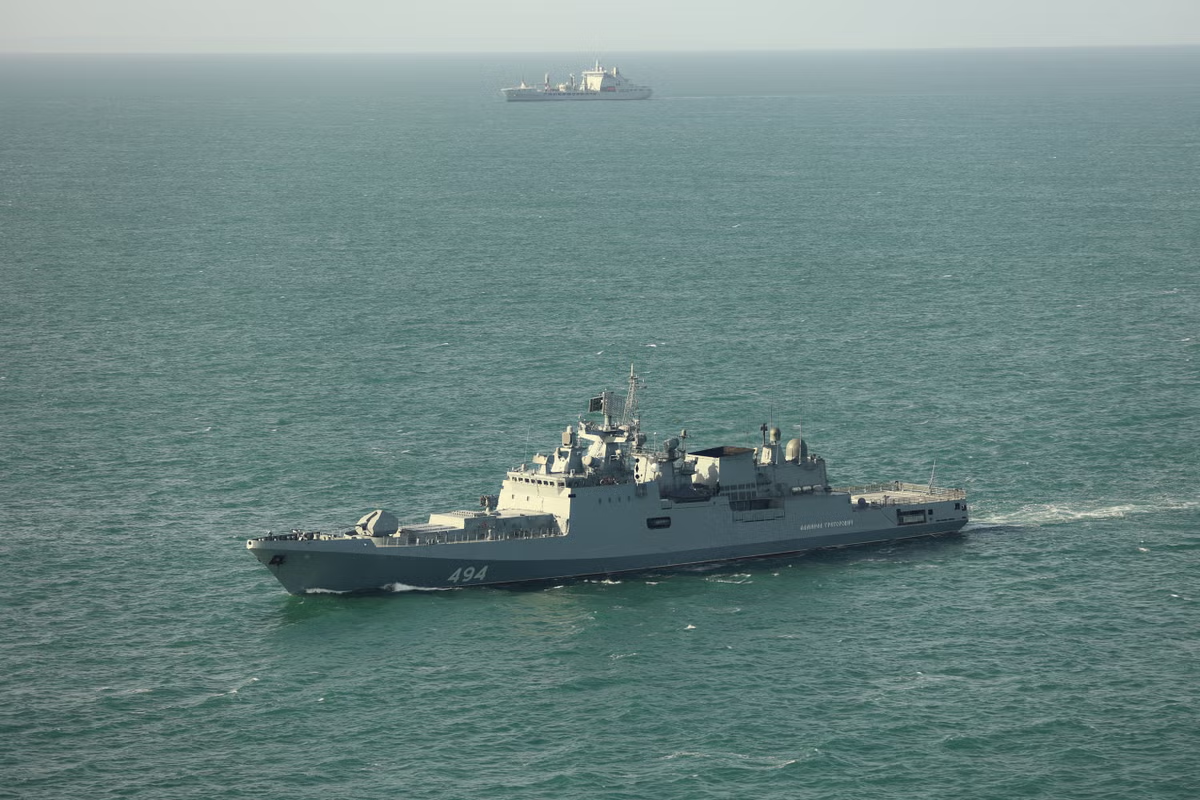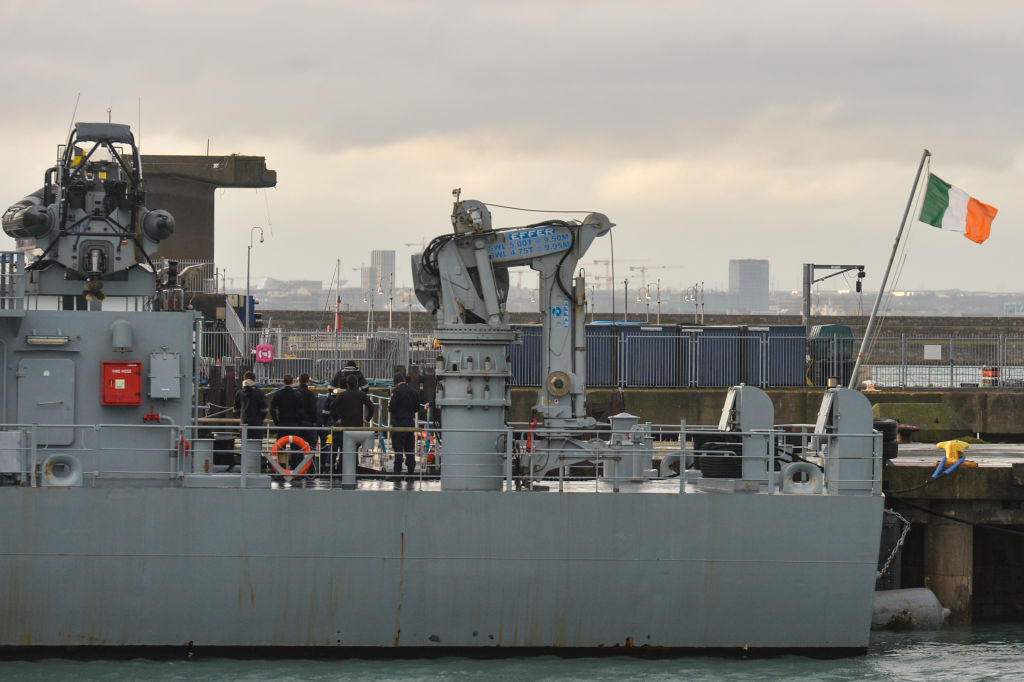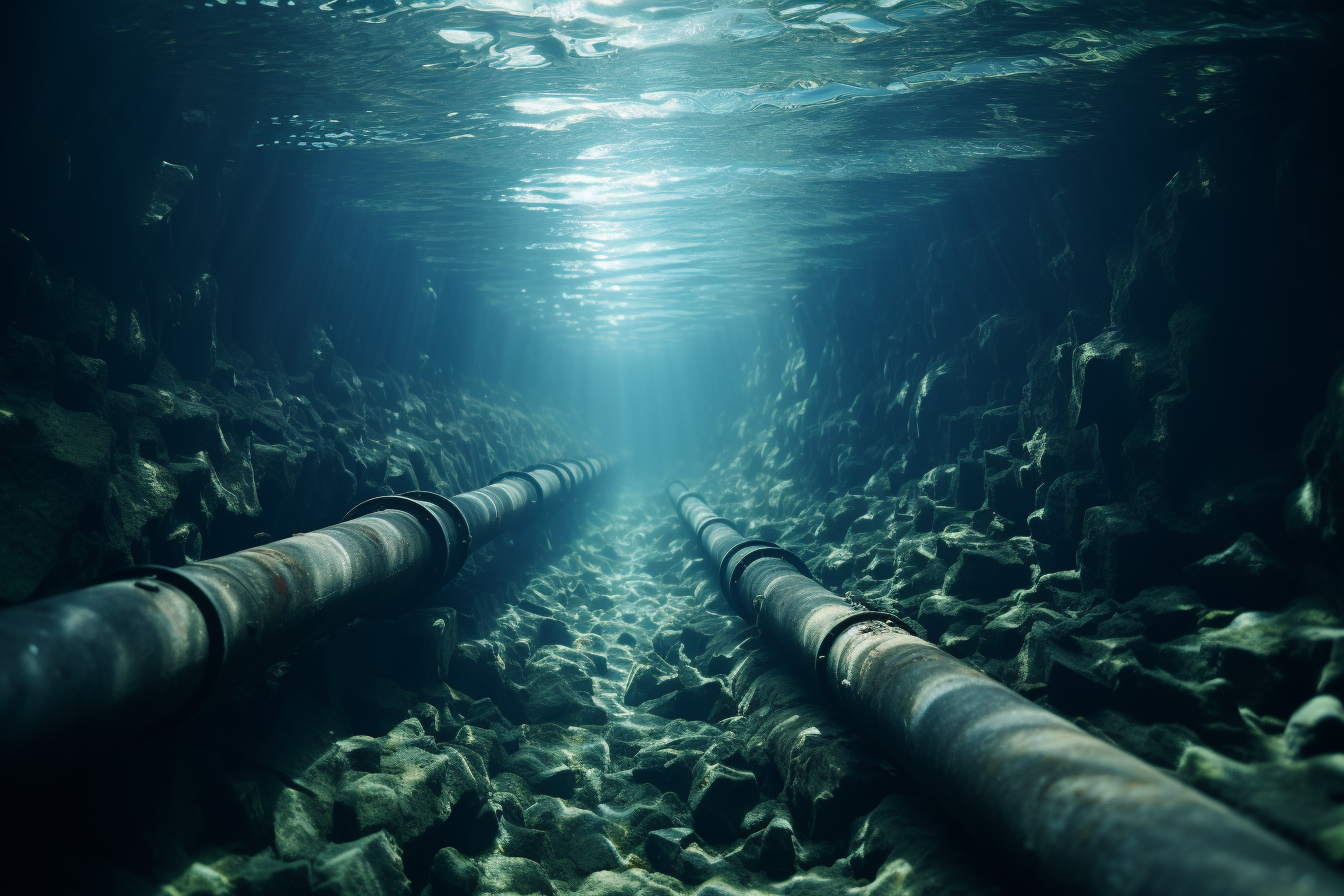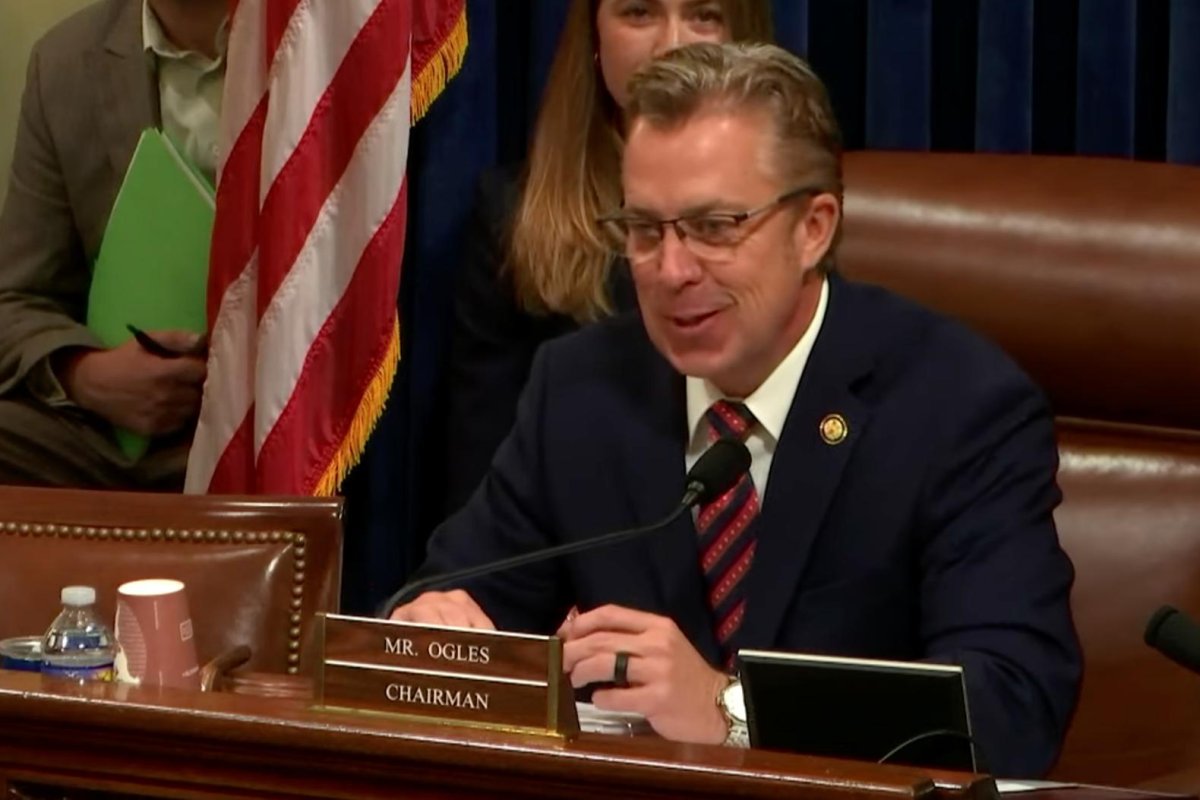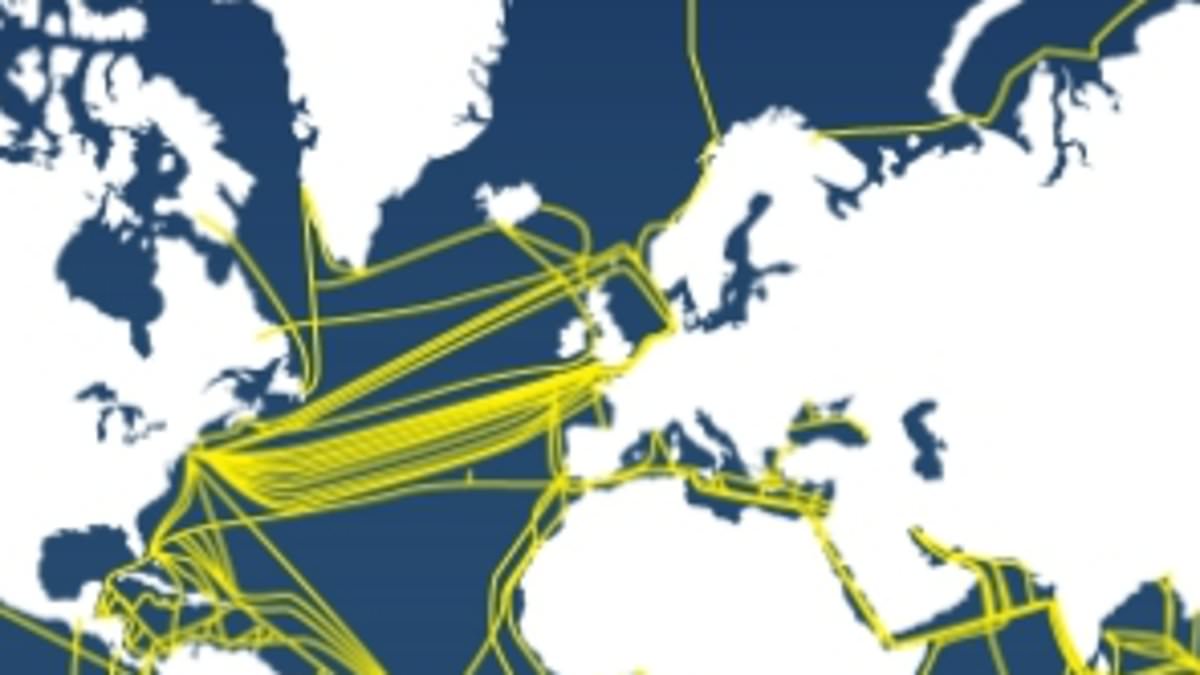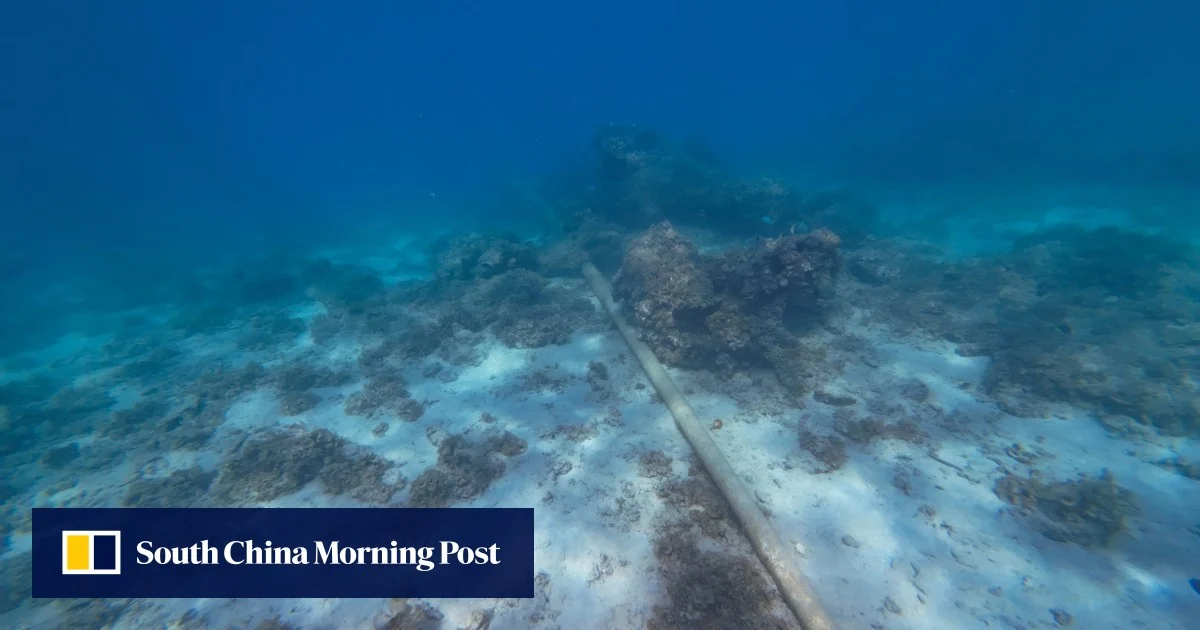
Global operations depend on securing subsea cable networks against physical threats to guarantee continuous data transport. UK telecoms minister Liz Lloyd addressed the Royal United Services Institute to detail how government policy will address the vulnerabilities of international connectivity.While addressing the institute, Lloyd referenced a speech delivered in 1900 by naval officer Carlyon Bellairs regarding the defence of early telegraph lines. Today, the core operational challenge involves securing the underlying fibre-optic infrastructure that enables modern global commerce.Without these subsea networks, the UK would lose functional connectivity to global markets, halting cross-border trades and international payments executed in milliseconds. Lloyd pointed out that the growing demand for compute power is driving a massive wave of infrastructure investment.The private sector plans to deploy tens of billions of pounds into technology infrastructure to power dedicated growth zones. However, a large portion of the cables landing on British shores were installed twenty years ago during the original data centre expansion. Replacing this aging infrastructure requires vast capital allocation.The financial exposure associated with underwater data links requires a defensive framework built directly upon commercial expansion rather than isolationism. In her address, Lloyd explicitly rejected the idea of shielding infrastructure through purely defensive physical engineering, stating:“True resilience does not come from hiding from the world or trying to encase our infrastructure in concrete. It comes from economic vitality. And it depends, more than anything else, on ensuring we have a healthy, thriving, and expanding cable sector—an engine of the UK’s broader economic success story to date.”This perspective reconfigures how wholesale carriers must view their asset protection pipelines. Rather than viewing compliance as a drain on corporate balances, infrastructure expansion acts as the primary defense mechanism. The reliance on these systems cannot be overstated, as Lloyd noted that:“Today, subsea fibre-optic cables are the silent workhorses of our economy. Without them the UK would be functionally cut off from the outside world. Much of our modern digital lives would simply cease to function.”Geopolitical pressures and multilateral defenceThe threat vectors targeting these underwater assets have expanded beyond accidental maritime damage to include coordinated state-level pressure. Western governments observe a growing risk of Russian and Chinese sabotage targeting subsea data paths.Security agencies also express concern that Iran may seek to exploit the dense concentration of data networks running through the shallow waters of the Persian Gulf. Australia’s Defence Minister, Richard Marles, described the seabed as a battlefield during a security summit in Singapore, calling for tougher international action against shadow-fleet vessels that operate with obscured tracking data.Marles noted that undersea internet cables serve as the arteries of modern civilisation but are currently sustaining damage at an unusual rate, leaving island nations exceptionally exposed. Over the past eighteen months, global infrastructure has experienced a series of attacks against subsea systems at a scale and frequency that lacks historical parallel.The vulnerability of these digital highways has drawn scrutiny from legislative bodies. A UK parliamentary inquiry warned that domestic infrastructure might be targeted during an international crisis, adding that investigators lacked confidence that the UK could prevent such attacks or recover within an acceptable time period.To counter these state-sponsored threats, international defence coalitions are pooling technical resources through the trilateral AUKUS partnership. During their meeting at the US Embassy in Singapore, Marles, UK Defence Secretary John Healey, and US Secretary of War Pete Hegseth reaffirmed their commitment to the alliance. Under Pillar I of the agreement, the nations confirmed that Australia’s acquisition of a conventionally-armed, nuclear-powered submarine capability remains on track.Arrangements are finalised for establishing Submarine Rotational Force-West (SRF-West) in 2027 at HMAS Stirling, supported by an initial US Navy personnel rotation later this year and a continued UK naval presence following a recent maintenance period conducted by HMS ANSON.Financial allocations underpinning this maritime shield include Australia investing up to AUD $8 billion at SRF-West, AUD $3.9 billion for a new Submarine Construction Yard, and AUD $12 billion for the Henderson Defence Precinct. This sits alongside a £6 billion commitment from the UK for the design and delivery of the advanced SSN-AUKUS warfighting capability. The alliance is also streamlining supply chains by pivoting to a model where Australia acquires three in-service Virginia-class submarines to maximise cost efficiencies.Operational drag in enterprise applicationsEnterprise resource planning systems and international database architectures rely on edge computing nodes that must constantly sync with central cloud repositories. When global network operators experience subsea fibre degradation, enterprise technology teams face sudden application failures at the network edge.Synchronising a globally distributed vector database (an increasingly common requirement for enterprise AI and analytics use cases) demands continuous, low-latency replication across international availability zones. If an underwater cable fails, data replication stalls. Local retrieval-augmented generation systems lose access to live enterprise data, increasing data errors as systems attempt to process transactions without updated contextual grounding.Mitigating these data continuity failures requires enterprises to provision redundant compute capacity and design complex local caching architectures. When edge nodes lose their primary fibre backhaul, enterprise systems must reroute workloads across secondary paths with higher latency profiles. This routing forces hardware to idle while waiting for data retrieval, burning expensive compute cycles without generating output.These engineering requirements inflate compute costs and reduce operating margins. Integrating legacy enterprise architecture with these demanding global workloads becomes highly problematic when the physical transport layer cannot guarantee unbroken throughput. Operators attempting to monetise intelligent platforms must guarantee transport reliability, or enterprise customers will refuse to migrate core analytics workloads to the cloud edge.Advancing telemetry and autonomous patrollingLloyd indicated that next-generation cable systems will actively monitor environmental conditions to detect interference before physical disruption occurs. This hardware evolution aligns directly with telcos’ ambitions to expose network telemetry via application programming interfaces. Providing wholesale carriers with these advanced diagnostic capabilities allows telcos to automatically reroute traffic before a cable is completely severed. Lloyd emphasised this technological trajectory, stating:“By embracing advances in sensing technology, we can transform subsea cables from passive transmitters into intelligent systems. These next-generation systems won’t just carry data; they will actively monitor environmental changes, improve our understanding of seabed activity, and detect hazards or interference before disruption even happens.”This automation addresses the core engineering challenges of modern data routing. By utilising real-time telemetry via open network application programming interfaces, operators can execute automated rerouting protocols before physical data degradation occurs. This active monitoring reduces the pressure on edge compute architectures and minimises the latency spikes that threaten distributed databases.Sovereign military operations provide an overarching layer of protection for these physical assets to reinforce commercial telemetry. The UK Defence Secretary recently disclosed that armed forces, working alongside allied nations, tracked three Russian submarines operating covertly within the North Atlantic to survey subsea cables.As part of the operation, the Royal Navy monitored the vessels to deter interference. To maintain this defensive shield, the UK Navy is currently exploring the creation of a hybrid force that incorporates the widespread use of autonomous underwater drones to combat hostile threats in the Atlantic.This autonomous approach aligns directly with the newly-announced AUKUS Pillar II Signature Project. The defense ministers announced the joint development of cutting-edge payloads and enabling systems for Uncrewed Undersea Vehicles (UUVs), with hardware deliveries slated to commence in 2027.The UUVs initiative explicitly targets the protection of vital national seabed infrastructure, deploying advanced surveillance, reconnaissance, strike capabilities, and mine countermeasures to guarantee undersea superiority. To accelerate deployment, the partner nations are expanding a licence-free environment across their shared defense industrial base, narrowing technology exclusions to allow industrial groups to collaborate via the Advanced Capabilities Industry Forum without the usual bureaucratic delays.Regulatory overhauls and sovereign repair capabilitiesDespite increasing state-level threats, routine maritime operations cause the majority of physical network damage. Natural seabed motion and dragging ship anchors represent the primary causes of cable faults. To mitigate these accidental damages, the government endorsed the European Subsea Cables Association’s Fishing Liaison Guidelines, which provide a blueprint for information sharing between the fishing and telecom sectors.Securing the physical landing stations where cables come ashore is an equally urgent priority, as these facilities house essential power and data management systems. The National Protective Security Authority and the National Cyber Security Centre are currently drafting specific physical and cyber security guidance for cable operators.The government plans to consult on new legislative measures building upon the Telecommunications Security Act to enforce strict incident reporting and risk management duties across the network. For operators and TowerCos, these legislative changes represent upcoming compliance mandates. Integrating automated compliance tracking into daily operations will require capital expenditure. Network managers will need to deploy software that logs all physical access and cyber intrusion attempts at these landing stations, ensuring that incident response plans actuate automatically during an event.Maintaining operational continuity requires swift physical repair capabilities. Currently, if a cable breaks within UK waters, a repair vessel reaches the site within eight days. The government is conducting market engagement to guarantee the retention of a sovereign, UK-flagged repair capability, with a final decision expected by the end of the year.Regulatory frameworks are also undergoing revision to reduce environmental compliance burdens for cable laying, maintenance, and removal operations in deep waters, where marine impact is minimal. Current sabotage legislation relies on antiquated laws. Lloyd announced upcoming legislative proposals designed to strengthen the criminal framework; ensuring strict consequences for deliberate or reckless cable targeting.Future capacity planning requires cross-departmental coordination to manage seabed real estate. Analysis conducted alongside The Crown Estate indicates the UK will require vastly higher cable capacity by 2035 to meet escalating digital demand.Mapping and protecting future cable routes aims to prevent physical congestion and avoid creating single choke points where multiple networks converge. This infrastructure expansion extends beyond data connectivity.The National Wealth Fund recently facilitated a £600m agreement for the Eastern Green Link 4 project, a 530km energy highway running beneath the North Sea. Cross-border collaboration remains essential for physical network protection, as evidenced by joint exercises planned between the UK and Irish governments to rehearse responses to major cable disruptions.See also: euNetworks deploys quantum-safe private enterprise connectivityWant to learn more about cybersecurity from industry leaders? Check out Cyber Security & Cloud Expo taking place in Amsterdam, California, and London. The comprehensive event is part of TechEx and is co-located with other leading technology events including the AI & Big Data Expo. Click here for more information.Telecoms is powered by TechForge Media. Explore other upcoming enterprise technology events and webinars here.
Global operations depend on securing subsea cable networks
Global operations depend on securing subsea cable networks against physical threats to guarantee continuous data transport.
1,714 words~8 min read