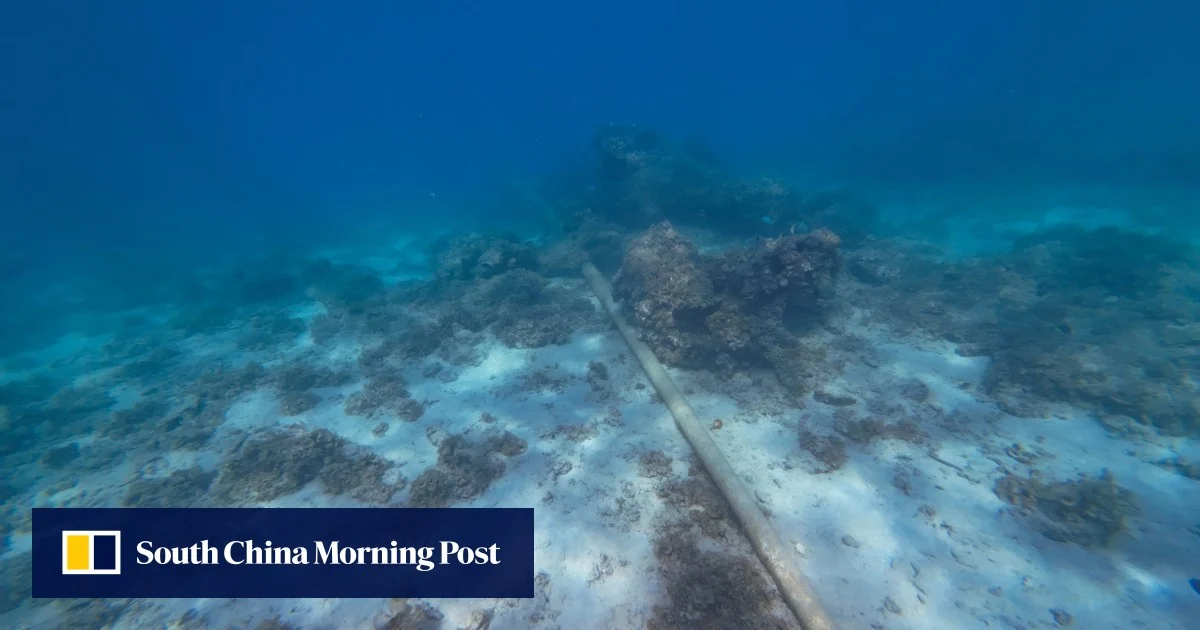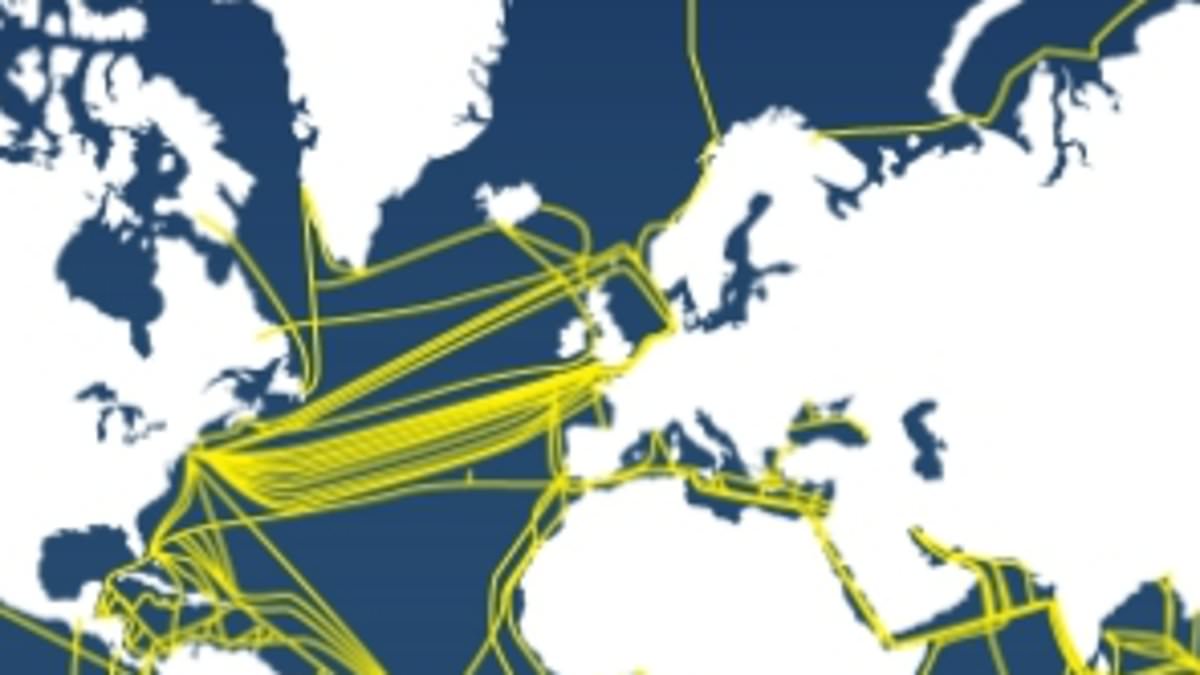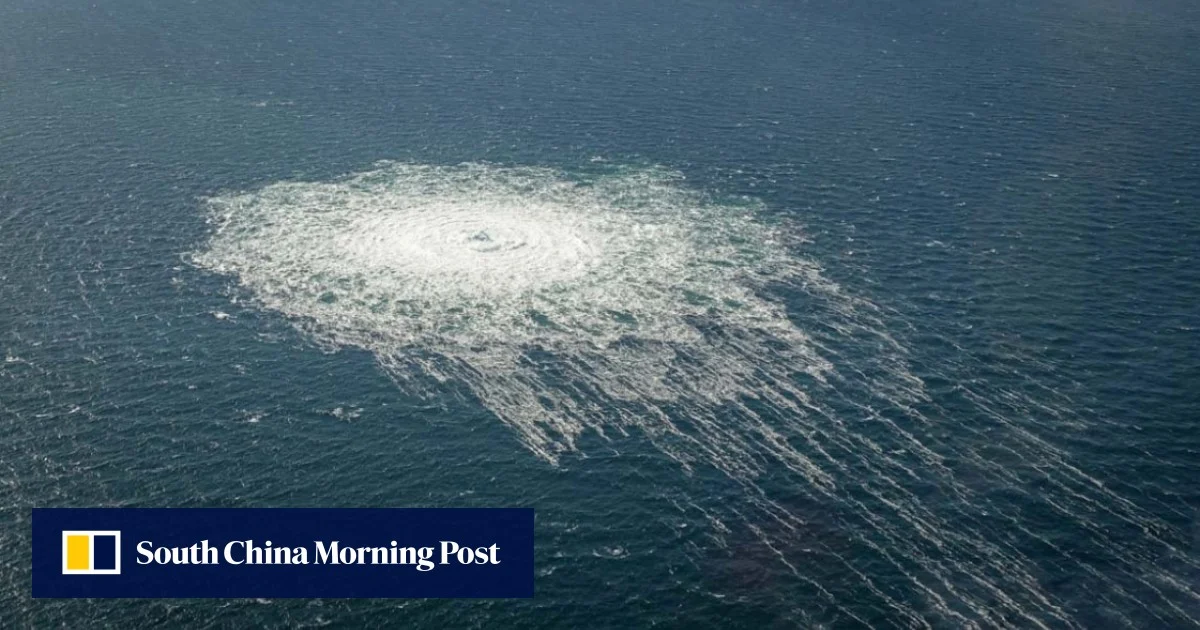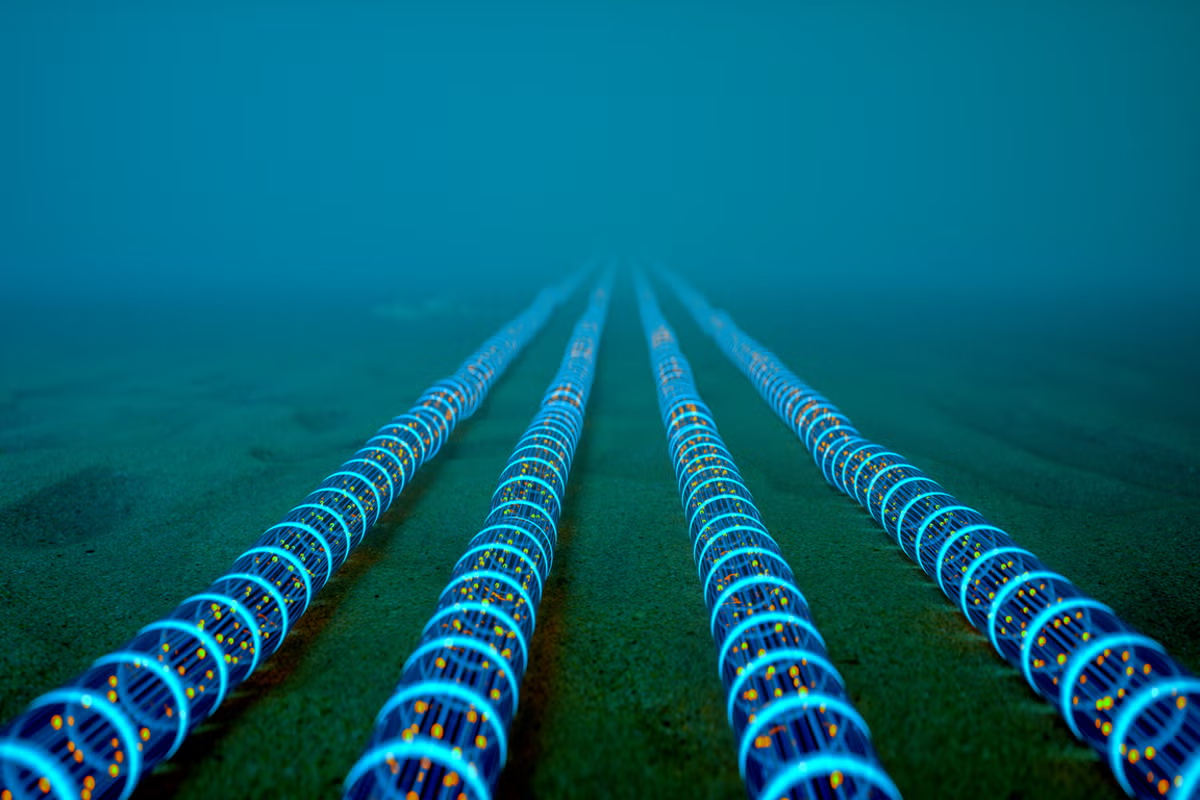
WASHINGTON, Nov. 20 (UPI) -- The United States faces growing threats to its undersea cable network that underpins global internet and financial traffic. Lawmakers and security experts pointed Thursday to recent incidents abroad as signs that foreign adversaries are testing the system's resilience.
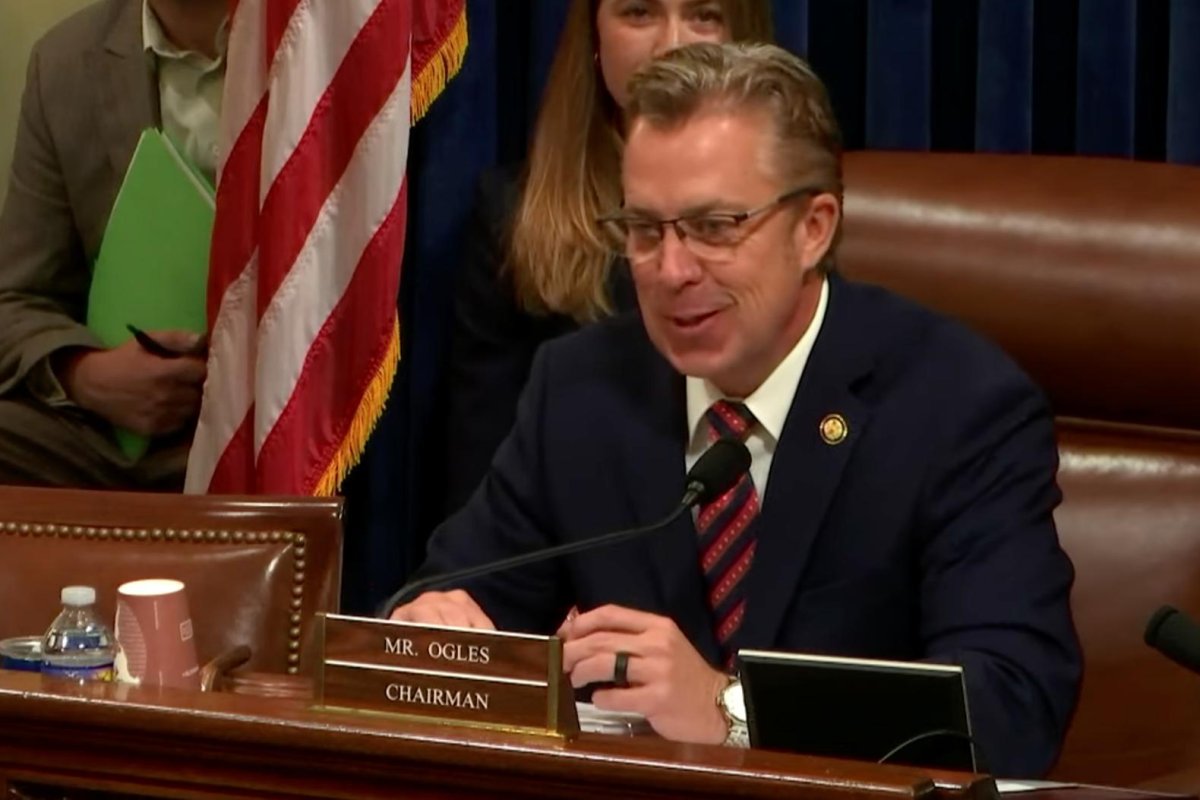
On Thursday, the House Committee on Homeland Security Subcommittee on Transportation and Maritime Security stressed that the United States lacks the coordination, defenses and deterrence needed to prevent or respond to deliberate attempts to disrupt these cables.
"I think an emphasis on securing these cable landing stations is of the utmost importance, because we have a lot of them, which also means we don't necessarily have the physical security and cybersecurity mechanisms in place to safeguard each of those isolated stations," said Kevin Frazier, artificial intelligence innovation law fellow at the University of Texas.
Officials said current policy gaps leave the network exposed to physical sabotage and more sophisticated forms of interference. Without a more seamless exchange of information, they said, the United States will remain slow to respond to suspicious activity.
"What we need is an agency that recognizes the need not just to secure a cable, but that securing all cables is what gives us national security, and that means more of a sense of urgency to assist the industry to build more protection," said Timothy Stronge, chief research officer of TeleGeography, a telecommunications data provider and mapper.