A
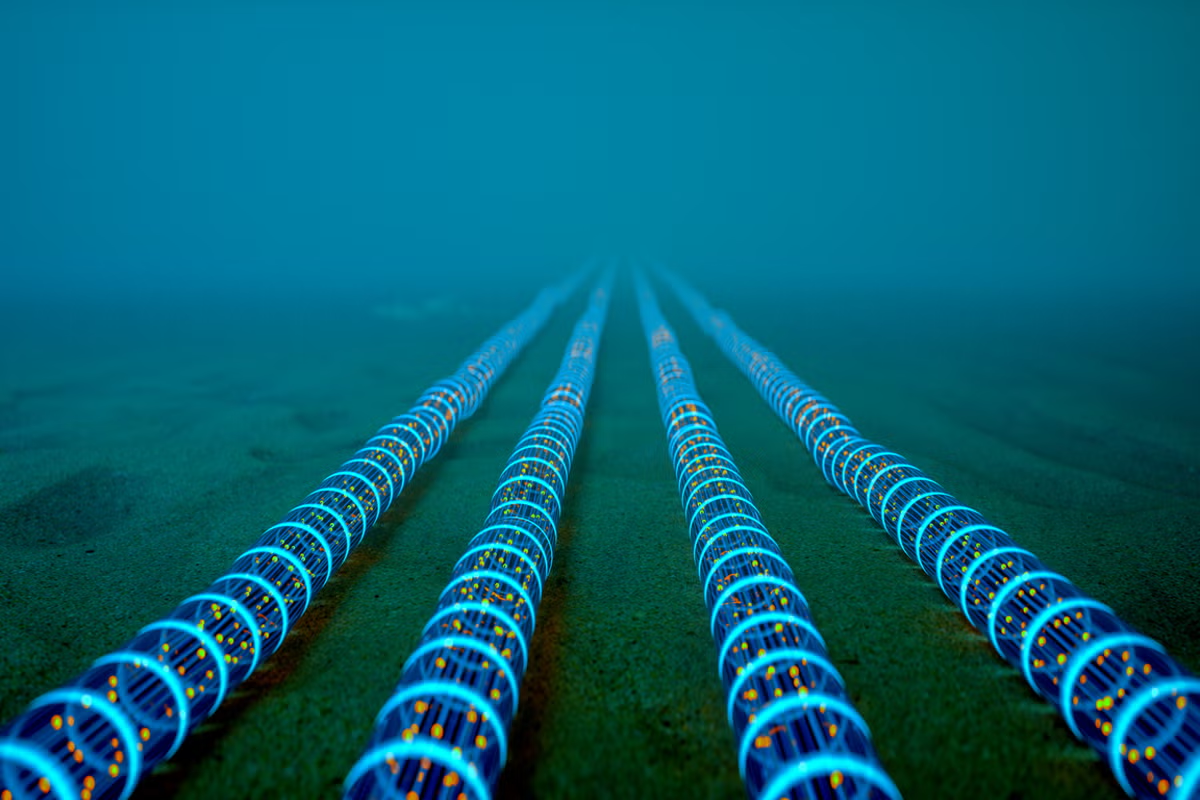
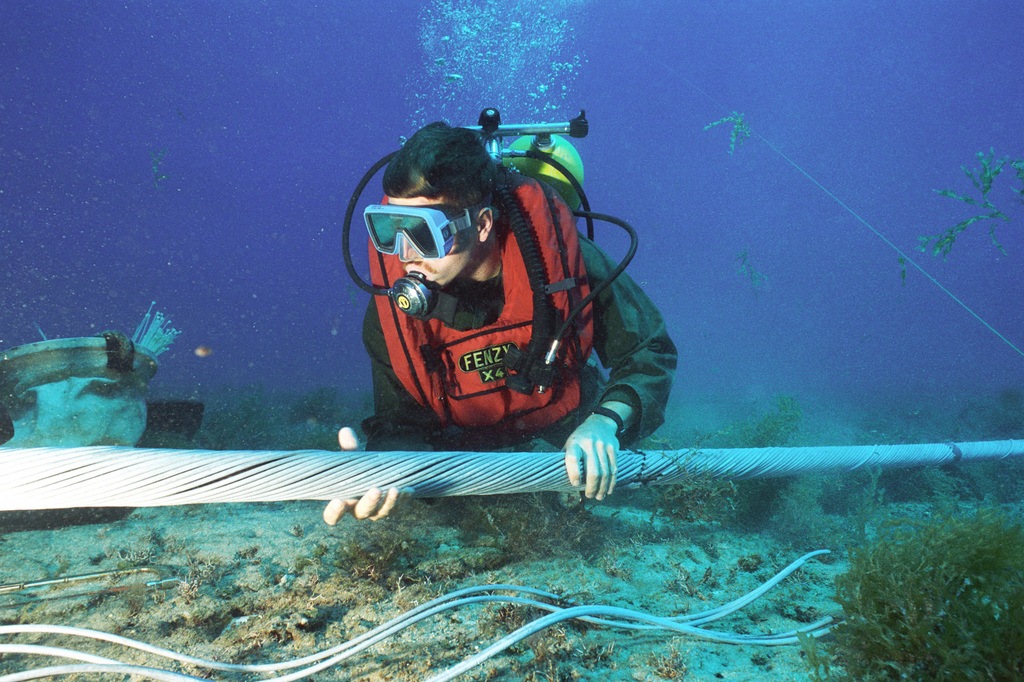
s tensions around the Strait of Hormuz escalated last week, attention focused predictably on oil markets. But another strategic vulnerability quietly emerged: the undersea cables crossing the Gulf that carry vast amounts of the world's internet traffic. Iranian officials warned that these cables represented a weak point in the region's digital economy, reminding governments that global connectivity depends on infrastructures far more fragile than most societies assume.
The global economy increasingly relies on systems that remain largely invisible to the public – submarine cables, satellites, data centers, cloud infrastructures and electrical grids. Yet these systems are exposed to mounting environmental, geopolitical and technical pressures. A growing number of experts now warn that the world is underestimating a new class of systemic threats: critical digital risks.
These risks differ from cybersecurity threats. They concern not malicious software or data theft, but the physical disruption of the infrastructures that allow digital systems themselves to function. Solar storms, cable ruptures, satellite collisions, heatwaves, earthquakes and power failures all have the potential to trigger cascading breakdowns across interconnected societies.