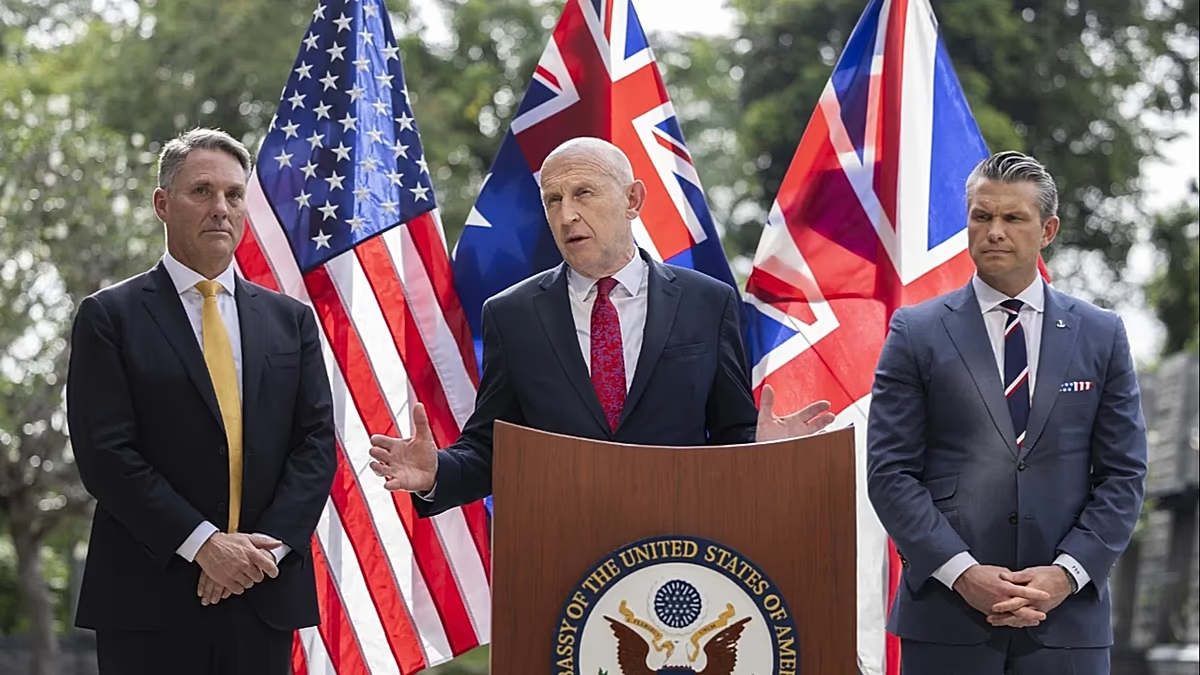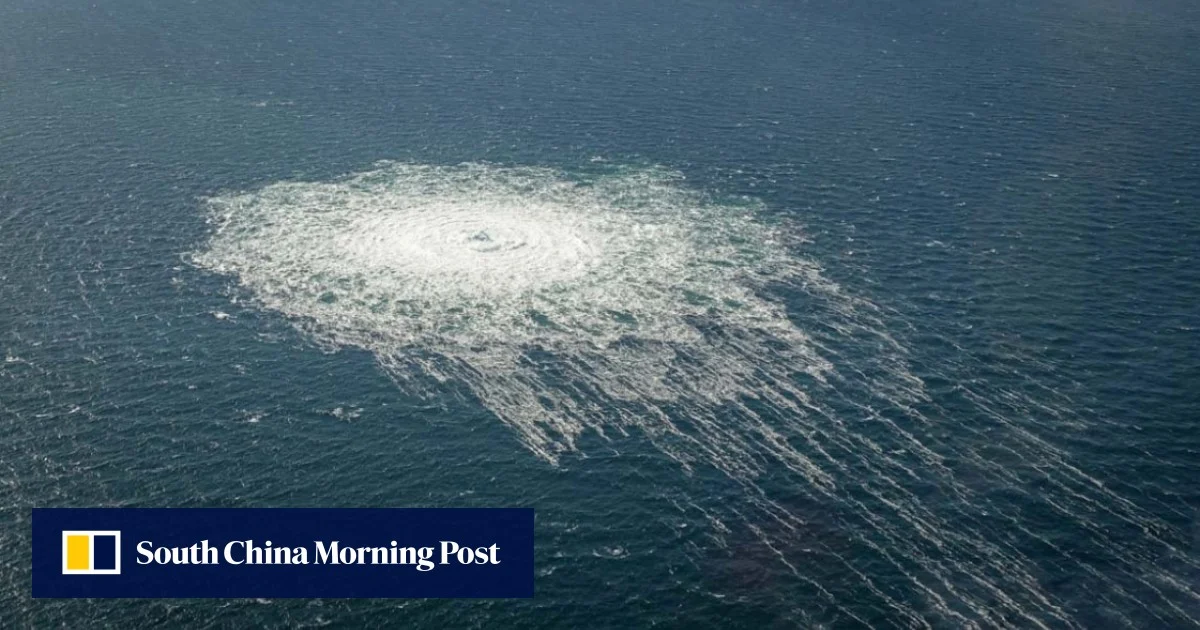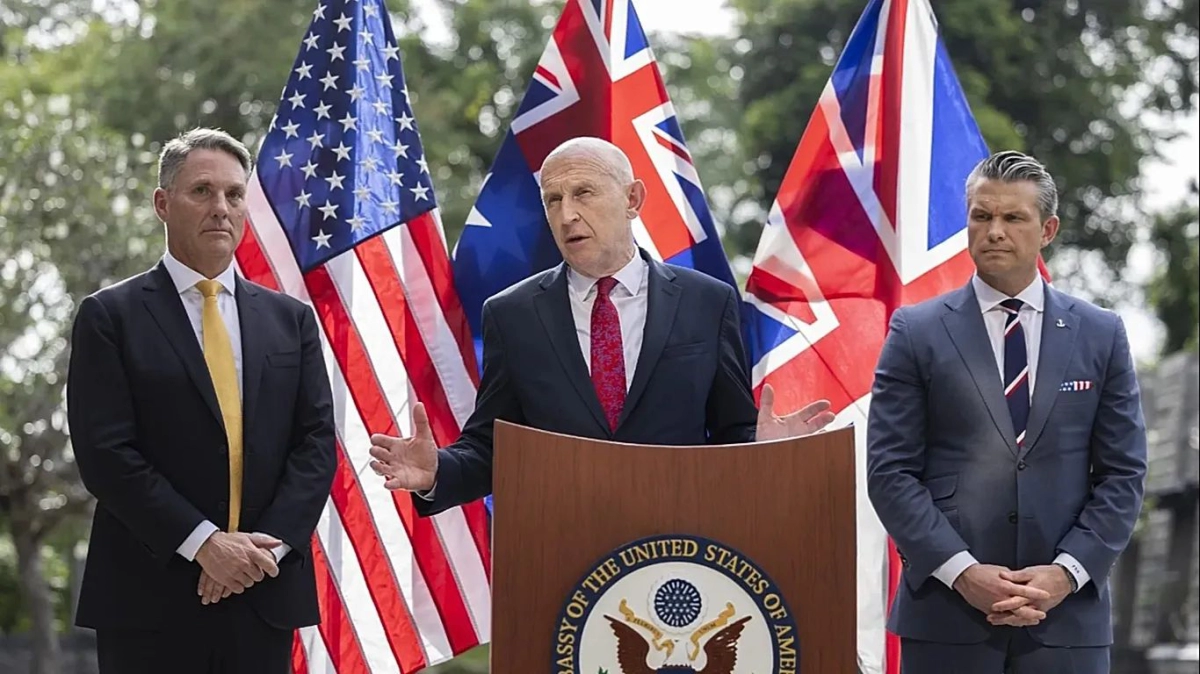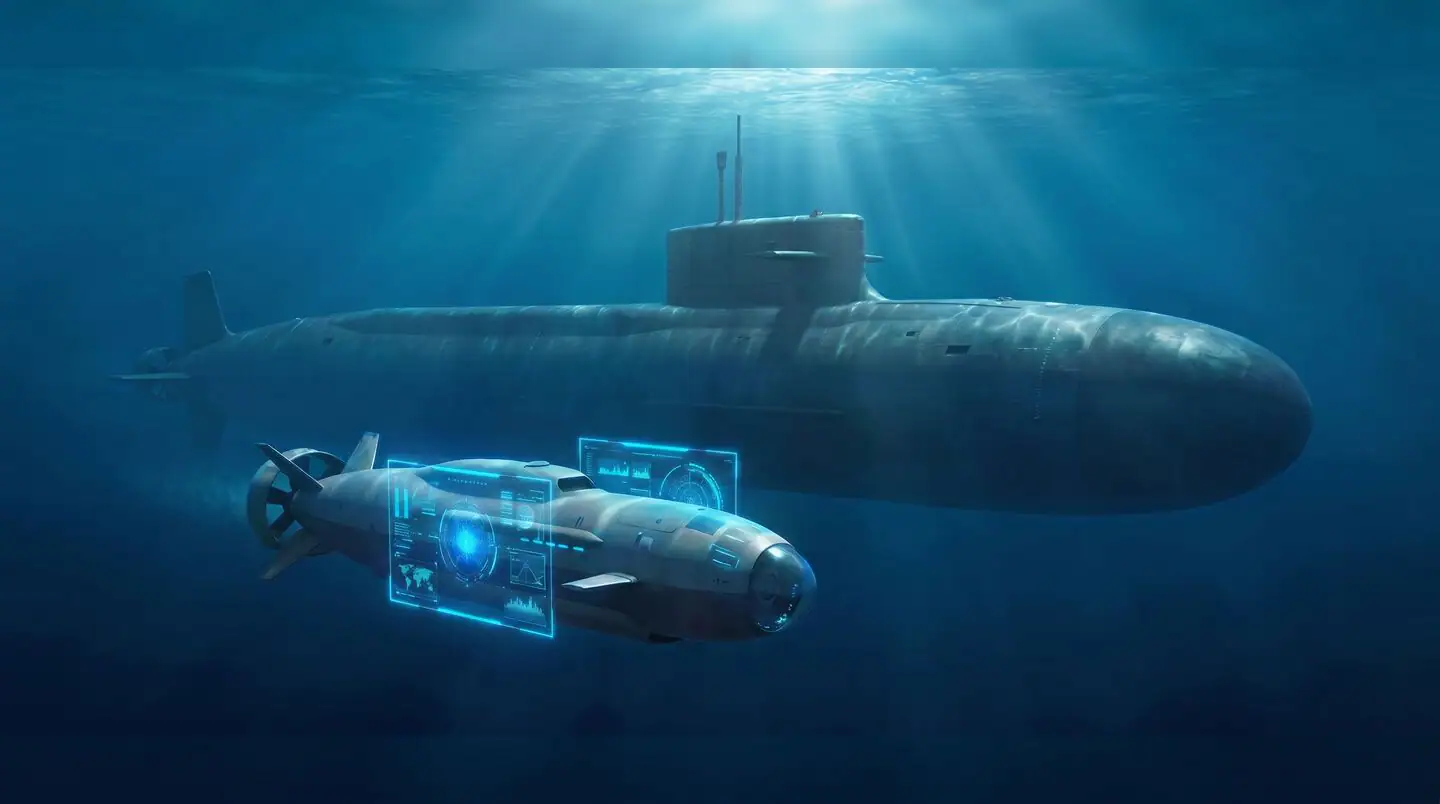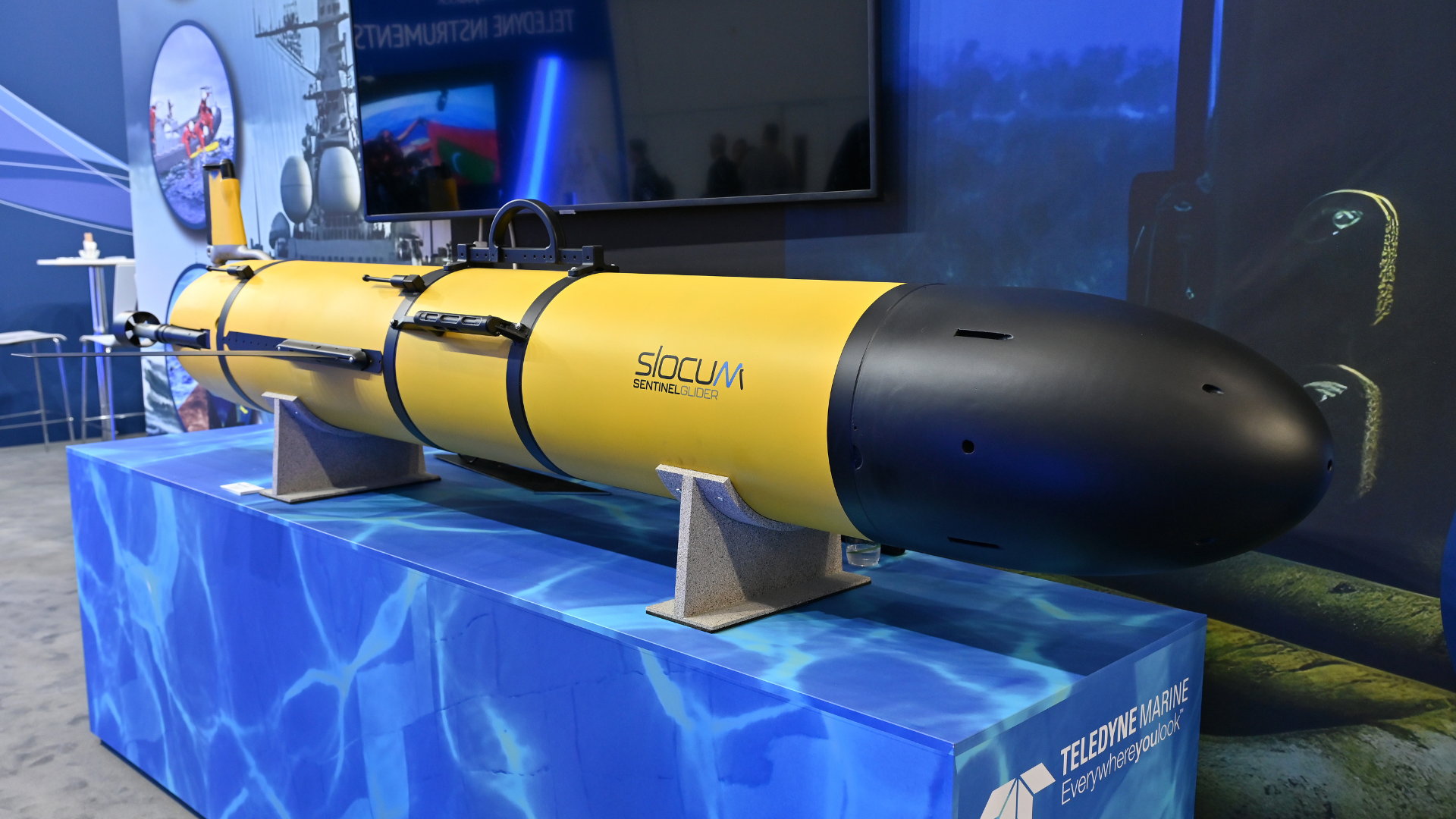
A trilateral security agreement between Australia, the UK, and the U.S. is leading towards the development of undersea drones to help protect their critical undersea cables from Russian sabotage. According to The Telegraph, UK Secretary of State for Defense John Healey says the three nations would work together to build this new technology, which is designed to protect the underwater infrastructure that connects several NATO members to each other.This move, according to Mr. Healey, would “rapidly give our forces the very most advanced battlefield technology as together we produce a range of cutting-edge sensors and weapons systems for undersea drones.” He also added, “This will give us the ability to detect, to deter, and deal with the threats, including our underwater cables and pipelines on which so much of our daily life depends.”There have been multiple incidents of undersea cables getting severed by cargo ships, which many authorities suspect have been done on purpose. Some examples of this include a couple of cables connecting Finland to Germany and Sweden to Lithuania, multiple undersea cables in the Red Sea that connected Europe, Asia, and the Middle East, as well as one cable that linked Taiwan and the U.S. Furthermore, Russian naval assets have been tracked close to undersea cables, and they’re suspected of mapping out this crucial infrastructure in international waters.Because of these, many nations are now taking steps to develop weapons and technologies to protect their infrastructure. DARPA (Defense Advanced Research Projects Agency), which is widely credited as the progenitor of the modern internet, has announced a call for proposals to build an autonomous underwater drone, while the U.S. Navy has signed a deal with an AI firm to develop tech that would allow undersea minesweepers to learn about new and novel threats in days. The UK is also testing a 40-foot drone for seabed warfare and other missions, while startups are working on various prototypes to help protect undersea cables.Governments are increasingly relying on uncrewed autonomous drones for missions like this. That’s because keeping a navy vessel on station to protect undersea cables that travel for miles can be a costly endeavor. So, undersea drones are a cost-effective alternative for monitoring critical underwater infrastructure, allowing navies to keep their assets free to respond to threats as needed.
Drones to protect undersea cables from Russian sabotage touted in new defense pact — US one of three partners developing new tech to protect $1.8 trillion in daily transactions
Undersea cables are the new sea lines of communication that navies must protect.
TL;DRAI
US, UK, Australia develop autonomous undersea drones protecting $1.8T submarine cable infrastructure from Russian sabotage. Undersea cable protection becomes critical geopolitical infrastructure; autonomous AI systems now core military tech investment, signaling accelerated defense spending.
446 words~2 min read