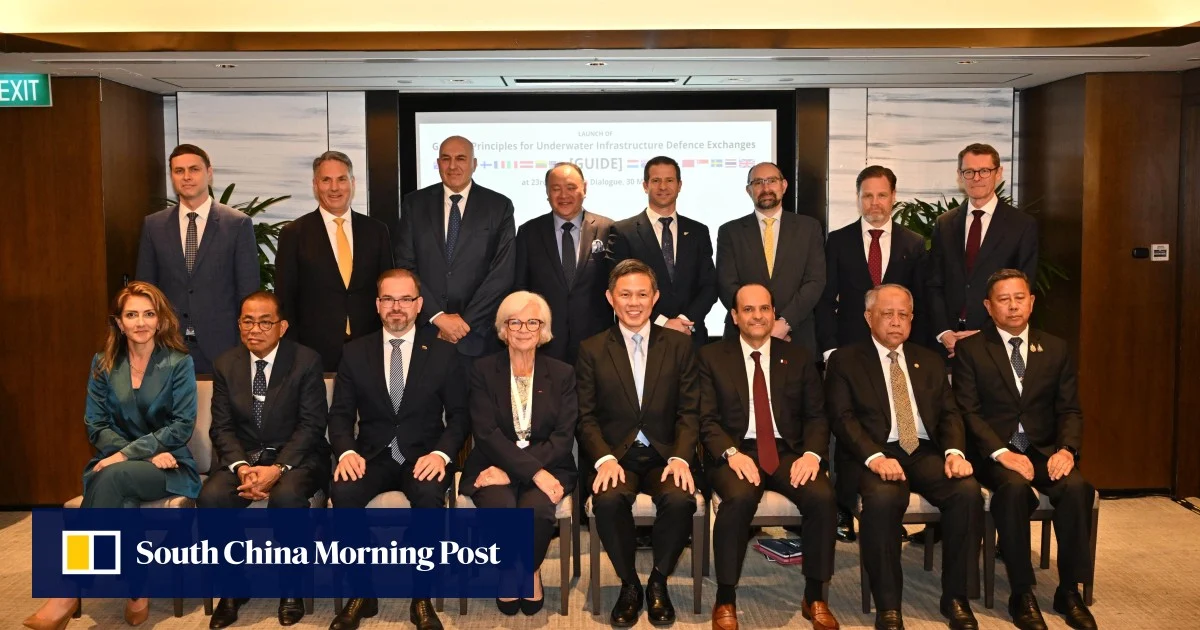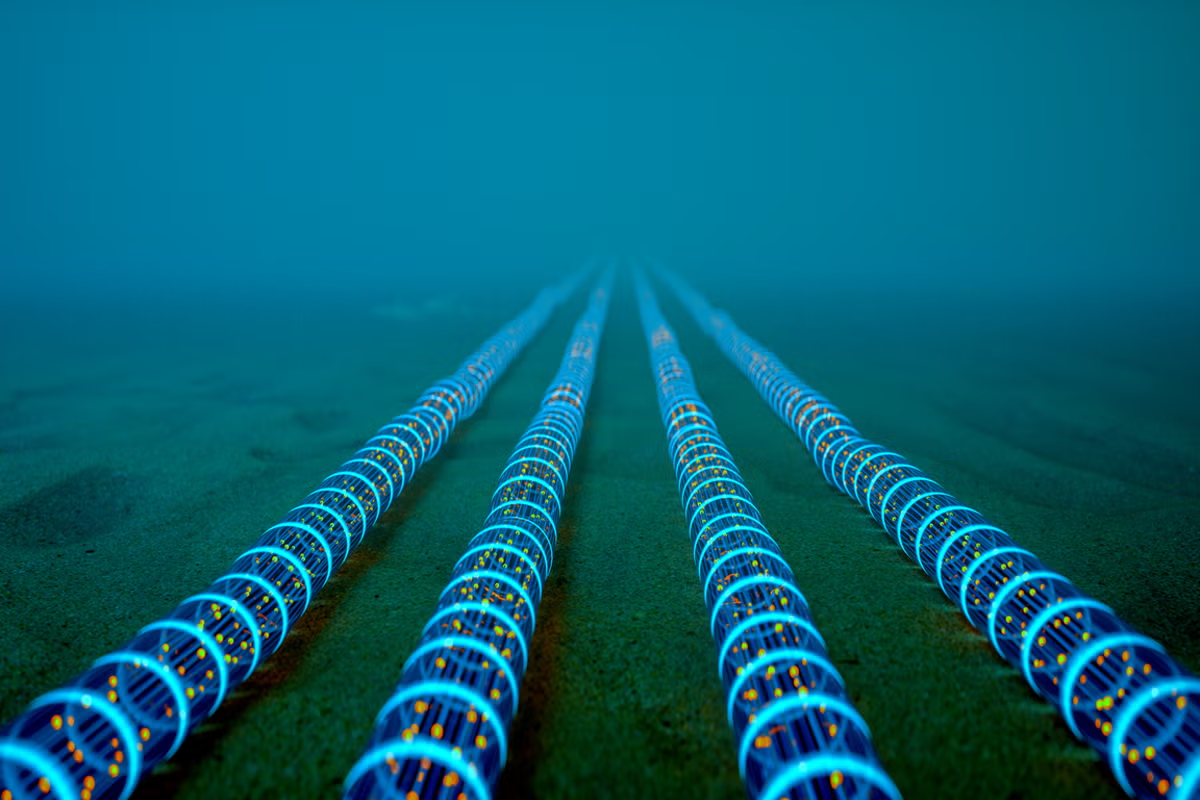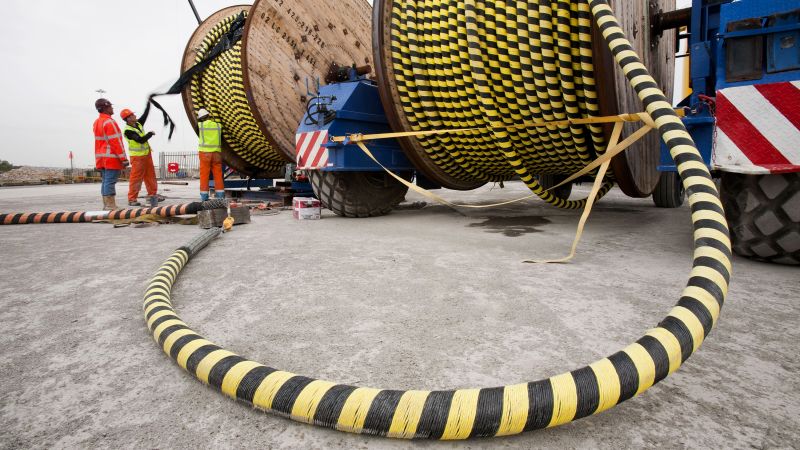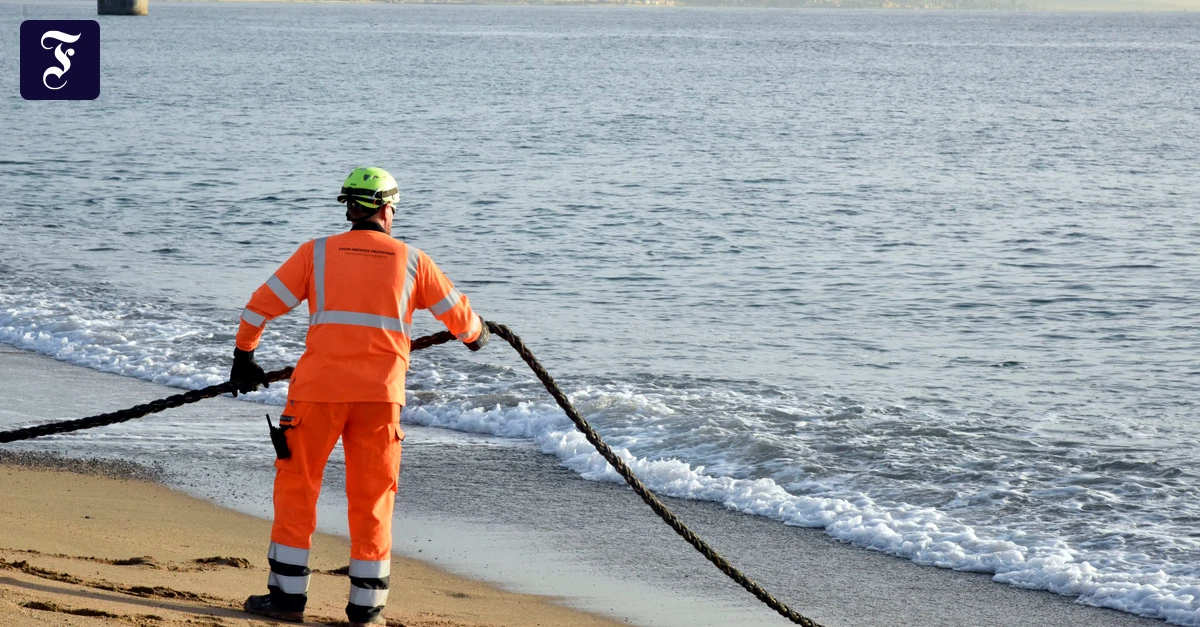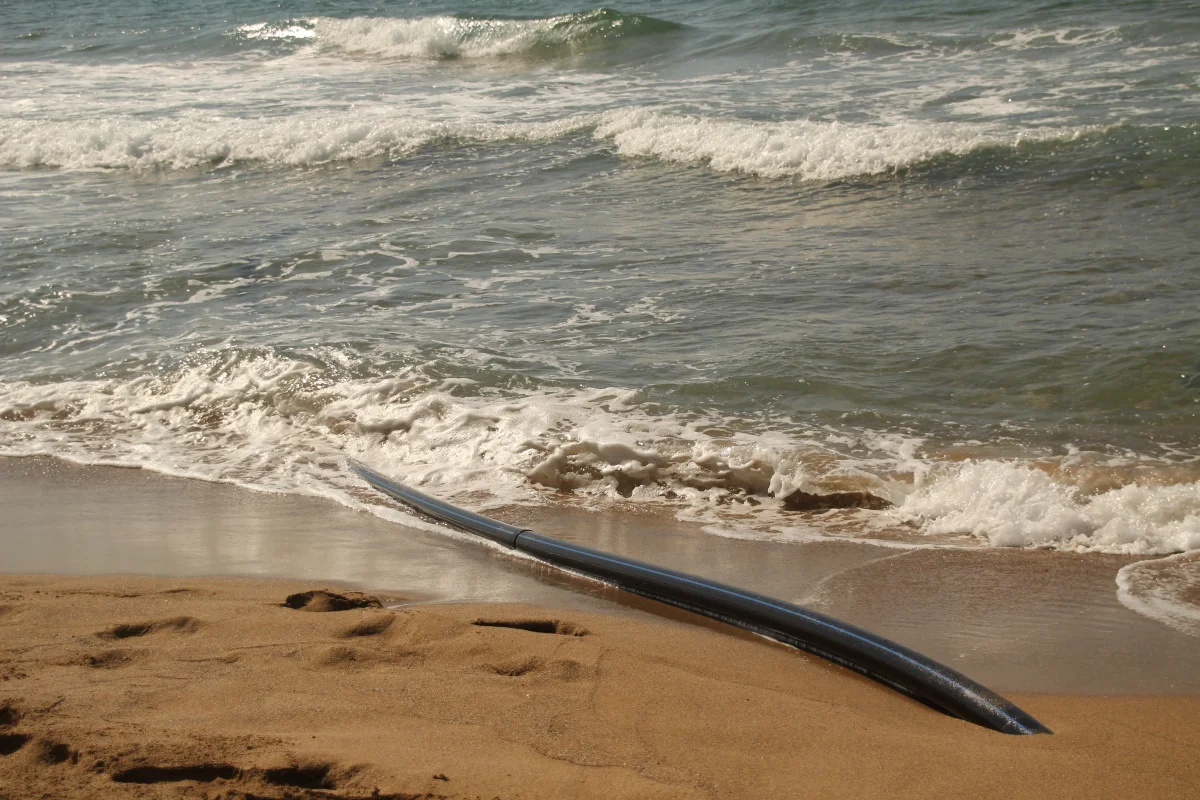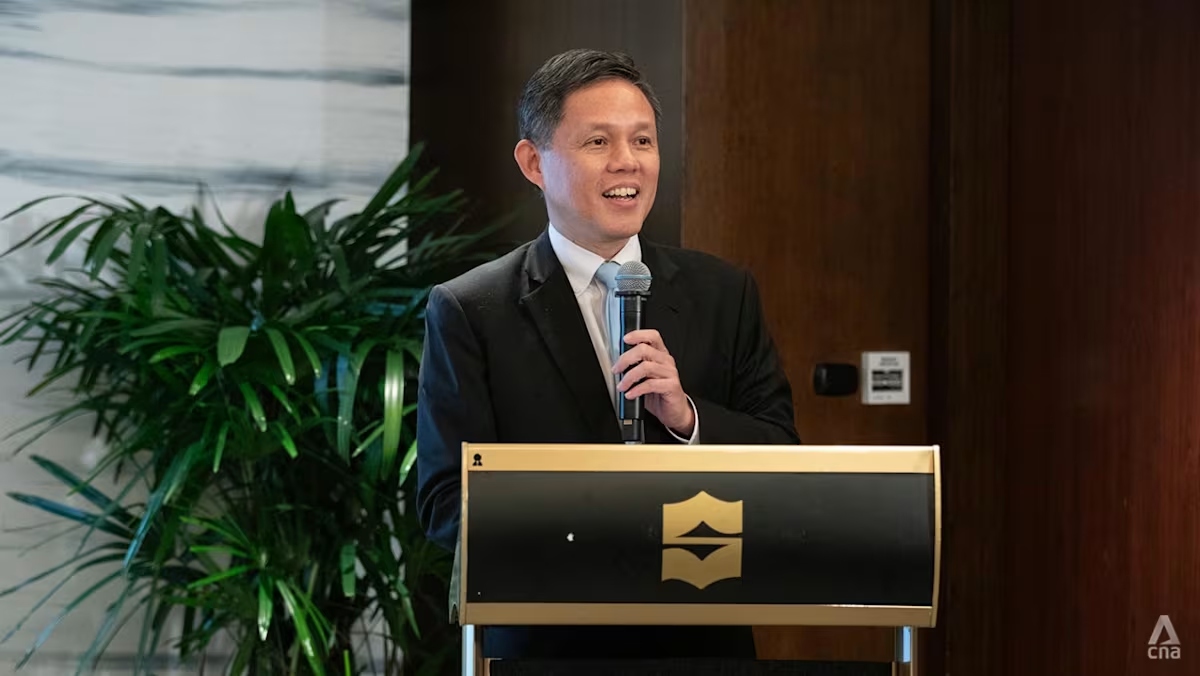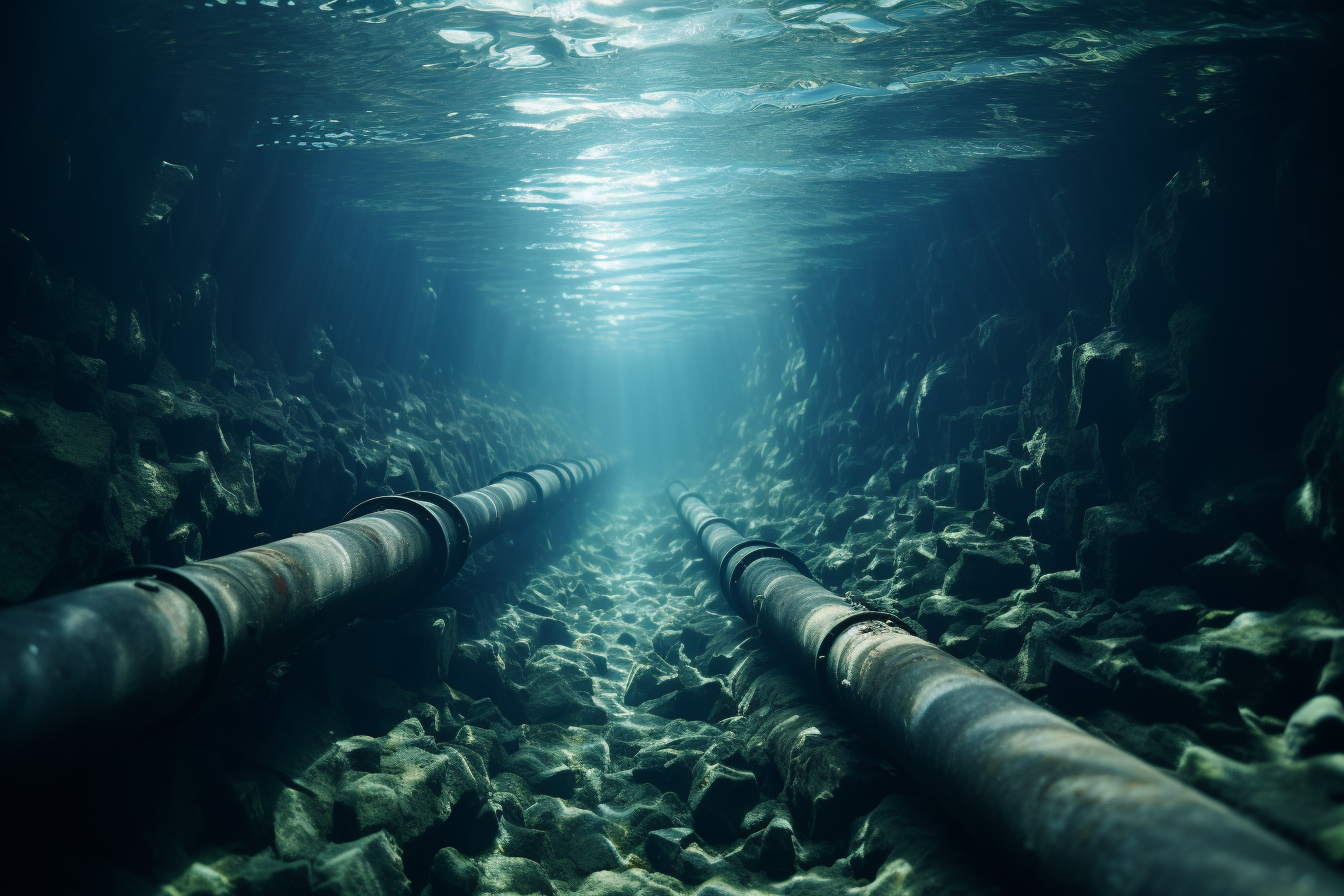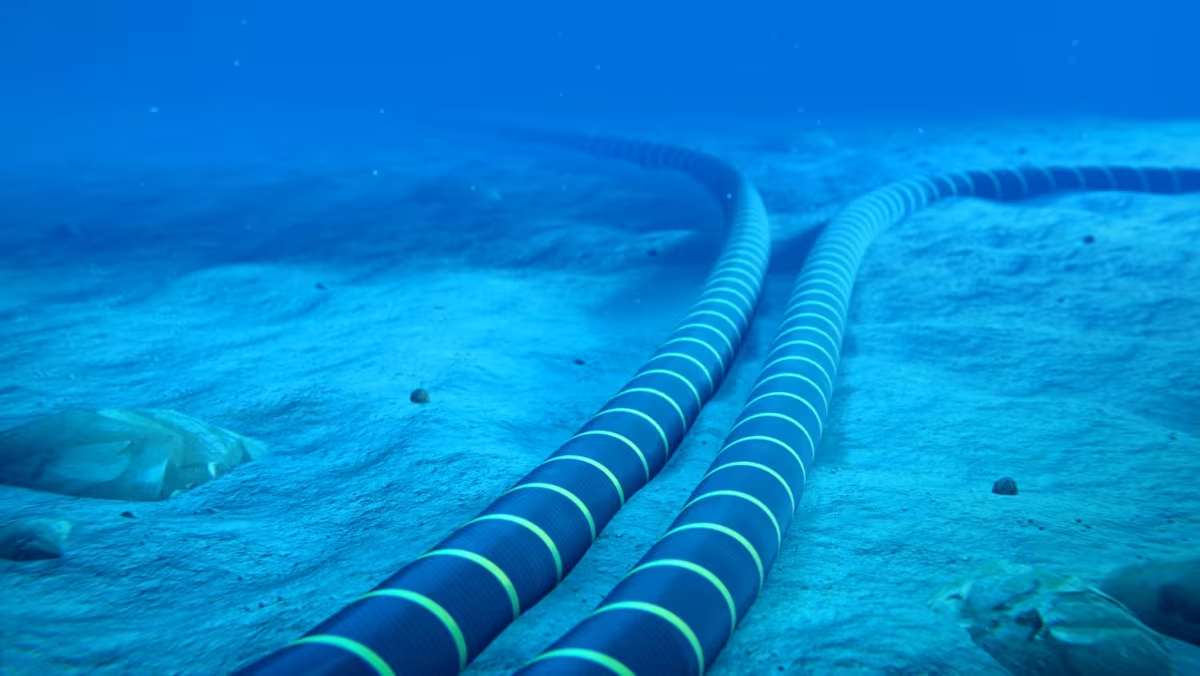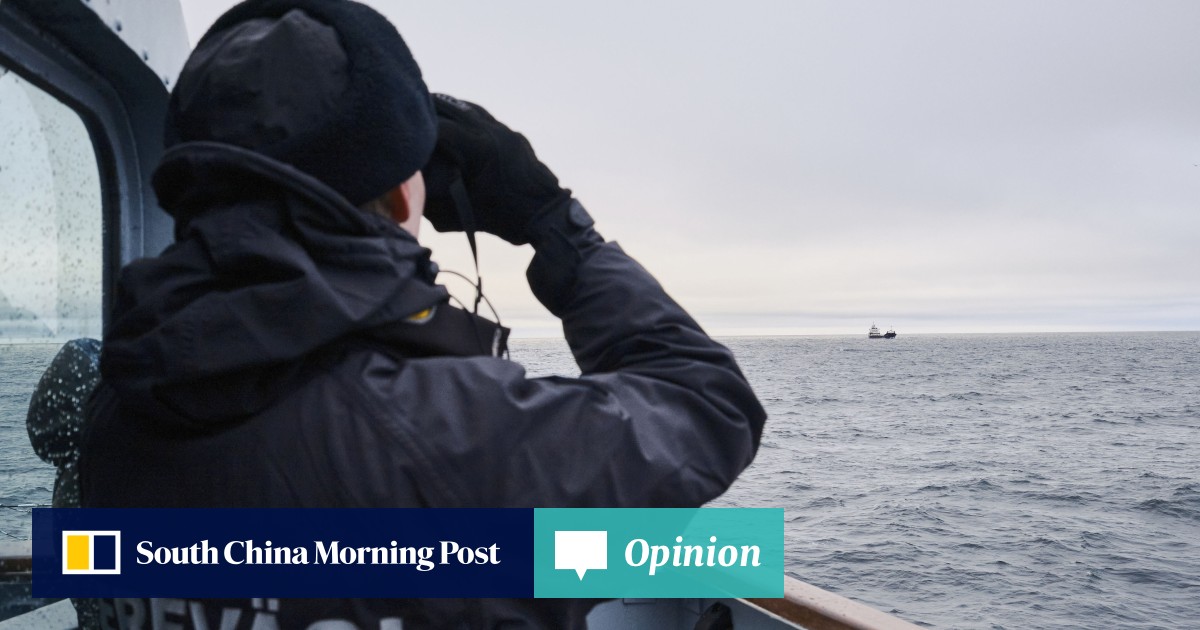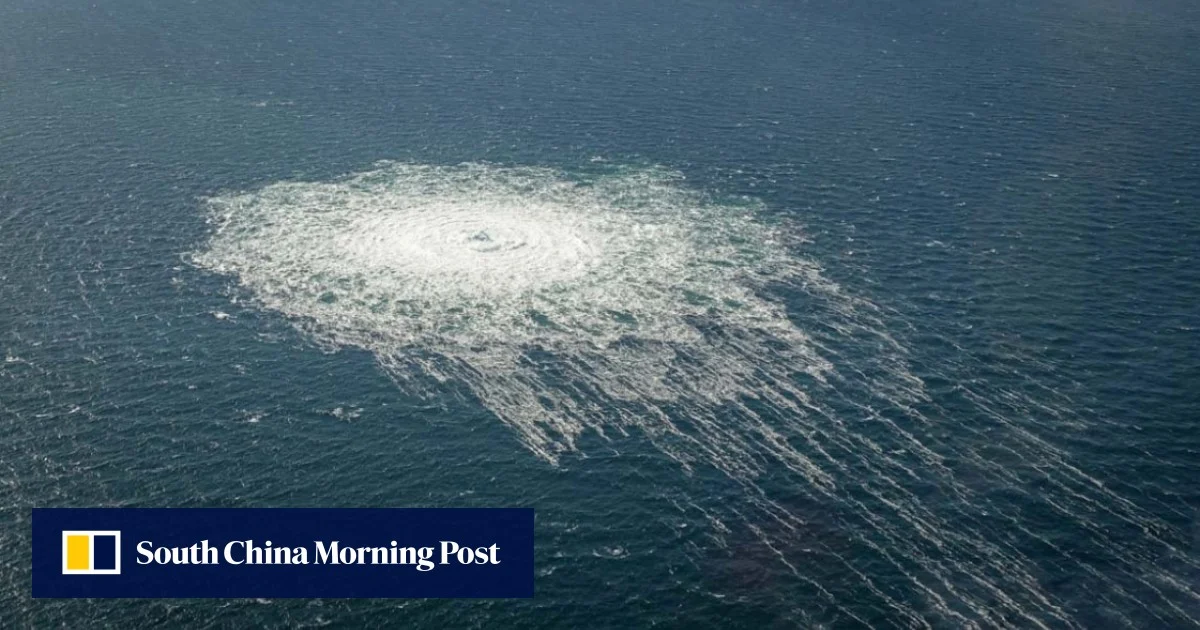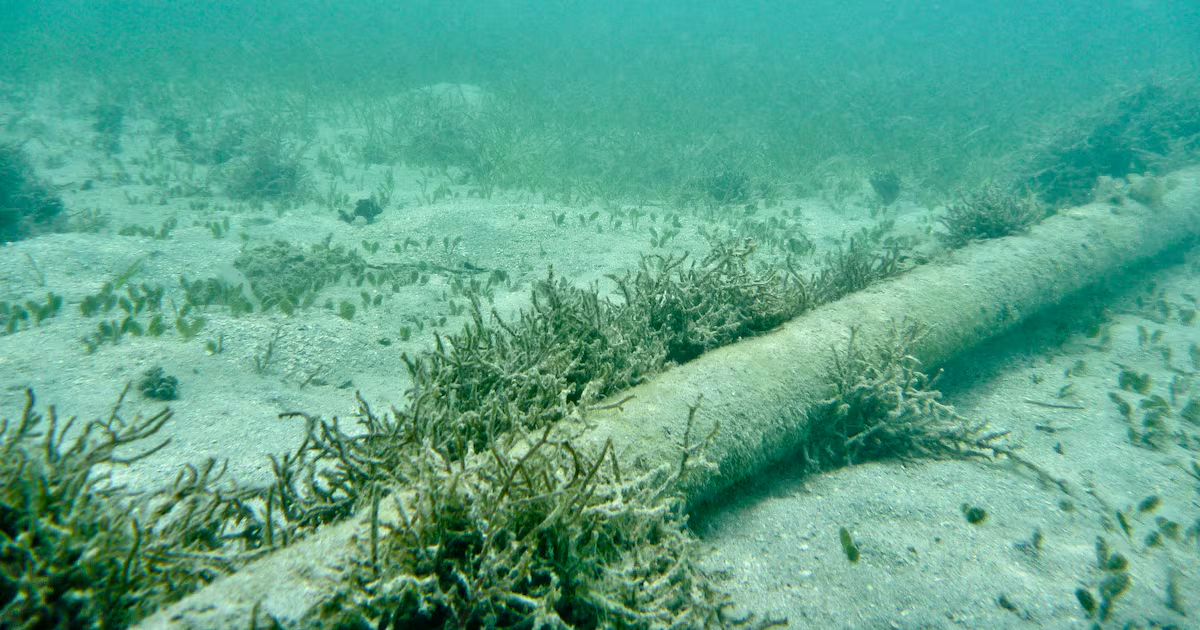
Underwater cables carry almost all the world’s data and much of its energy but they are poorly protected from damage, whether accidental or deliberate. A new initiative from Singapore aims to change that.Has the seabed become a battlefield?When Taoiseach Micheál Martin met former Japanese prime minister Shigeru Ishiba in Tokyo last July, one of the first issues that came up was the security of subsea cables off the Irish coast. Ishiba questioned the Taoiseach in detail about the activity of Russian fishing vessels close to the interconnector between Britain and Ireland and to cables used for data transmission.Such underwater fibre-optic cables carry more than 95 per cent of intercontinental data traffic and as Singapore’s defence minister Chan Chun Sing pointed out at the weekend, an attack on one part of the network can have knock-on effects on the other side of the world.“Today, the waterways are not just avenues for us to conduct our trade, but underneath those waters are also critical underwater infrastructure that connects our energy grid, our telecommunications grid,” he said. “Any disruption on one part of the network is a disruption on the entire network, and that is why it gives us great joy to see so many countries – from Europe to the Middle East to Southeast Asia, Asia Pacific – coming together.”Chan was speaking at the Shangri-La Dialogue in Singapore, where he joined ministers from 16 other countries to launch the Guiding Principles for Underwater Infrastructure Defence Exchanges (Guide). The pact is voluntary and non-binding, outlining principles such as adhering to sovereignty and jurisdiction in accordance with international laws and listing potential areas of co-operation such as information sharing between regions and improving crisis response.Three years ago, all five of Vietnam’s undersea data cables were disrupted at the same time for a number of weeks, so the country lost 75 per cent of its data transmission capacity. Vietnam stayed online thanks to overland fibre routes through China but speeds dropped dramatically, slowing economic activity too.Most undersea cables are privately owned, commissioned by telecommunications companies but acquired in recent years by tech giants such as Google, Meta, Microsoft and Amazon, which are also laying new ones. Most of the damage they suffer is unintentional, caused by anchors, fishing nets and natural phenomena such as earthquakes and landslides.But Australia’s defence minister Richard Marles said that recent months had seen cables being cut at an unprecedented rate, describing the seabed as a battlefield. He cited five cases of cables being cut in the Taiwan Strait and three in the Baltic Sea, hinting that China and Russia were to blame.“Over the past 18 months, we have witnessed a series of attacks against subsea critical infrastructure at a scale and frequency that is historically unprecedented,” he said.“Now, maybe these were accidents. But even if they were, it highlights the vulnerability of this crucial part of the globe’s infrastructure. If they were intentional, we are left to wonder: are countries testing our response times, testing our attribution thresholds and testing our political will to respond?”Singapore’s initiative includes Australia, Britain, Brunei, Estonia, Finland, France, Italy, Latvia, Lithuania, Malaysia, the Netherlands, New Zealand, the Philippines, Qatar, Sweden and Thailand. Chan said other countries had expressed an interest in signing up but two that are notable by their absence are the United States and China.The framework should facilitate closer co-operation and sharing of best practice but the biggest obstacle to securing critical underwater infrastructure may be a practical one. There are 570 subsea cable systems stretching over 1.4 million km but the world has only 77 cable ships, just 22 of which are dedicated cable-repair vessels.Please let me know what you think and send your comments, thoughts or suggestions for topics you would like to see covered to denis.globalbriefing@irishtimes.com
Singapore’s new initiative amid fears seabed becoming global battlefield
Underwater fibre-optic cables carry more than 95 per cent of intercontinental data traffic
626 words~3 min read