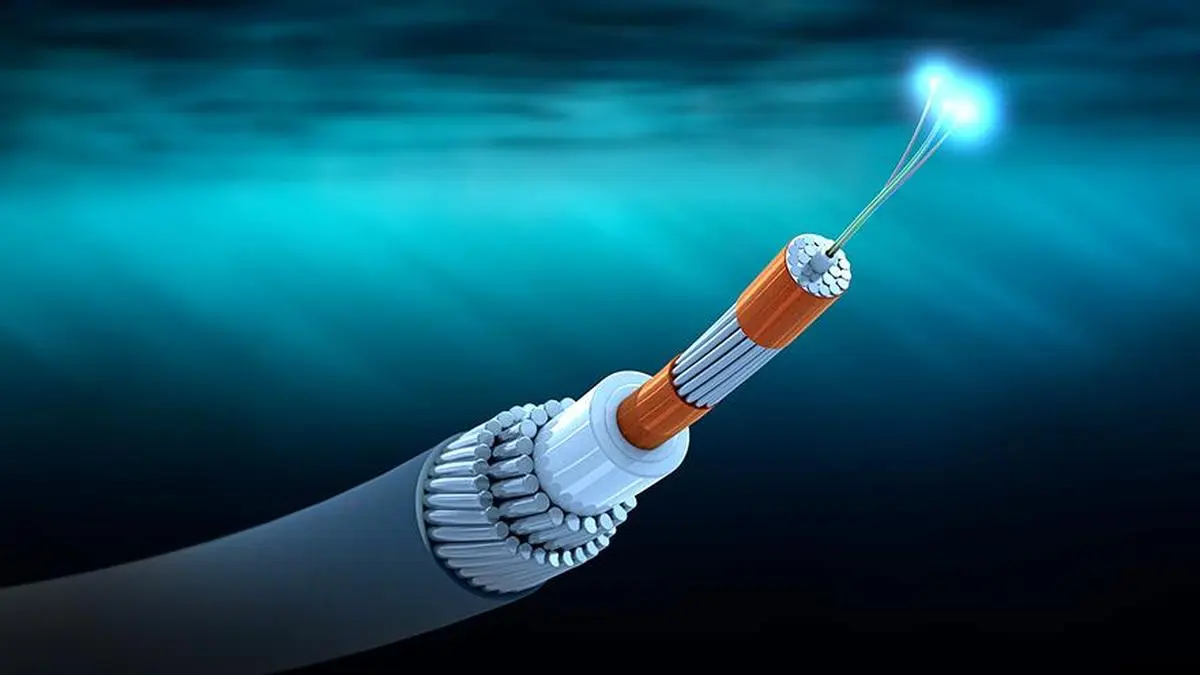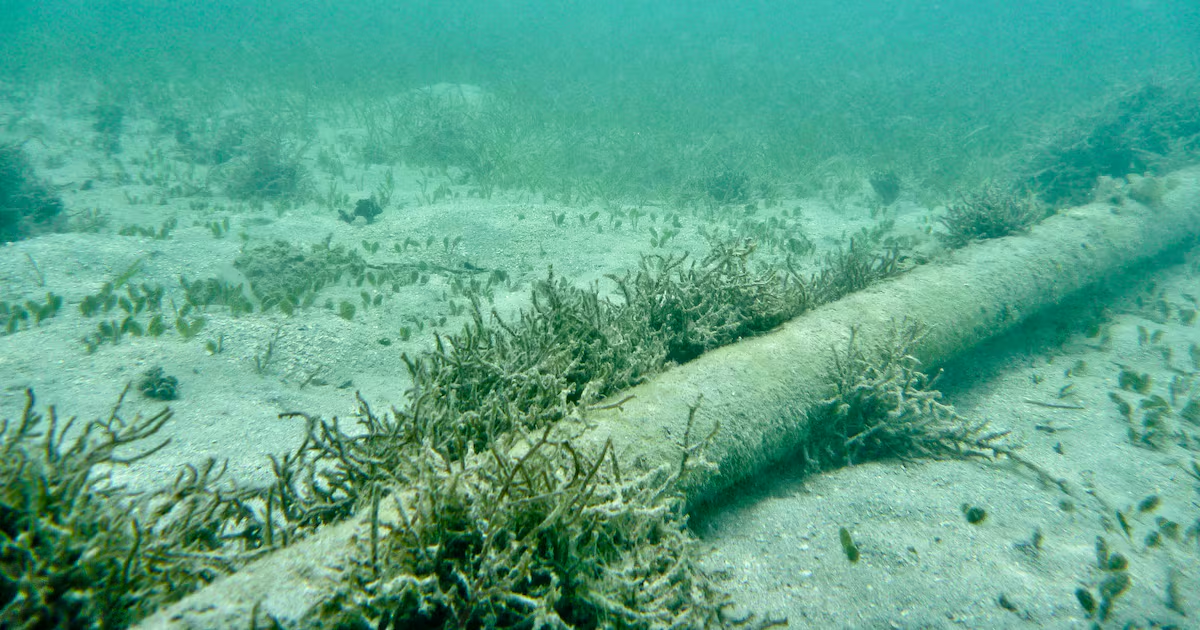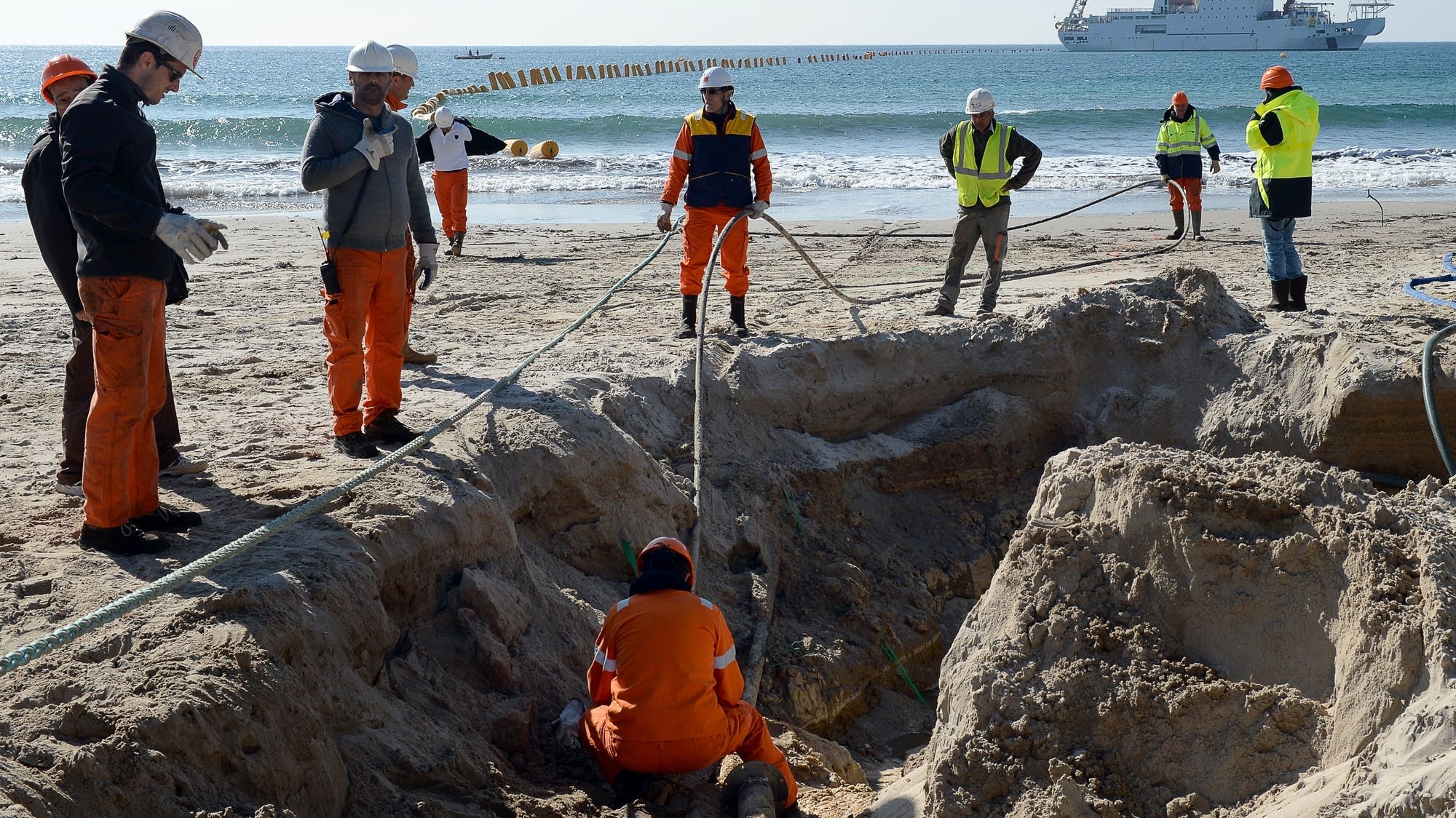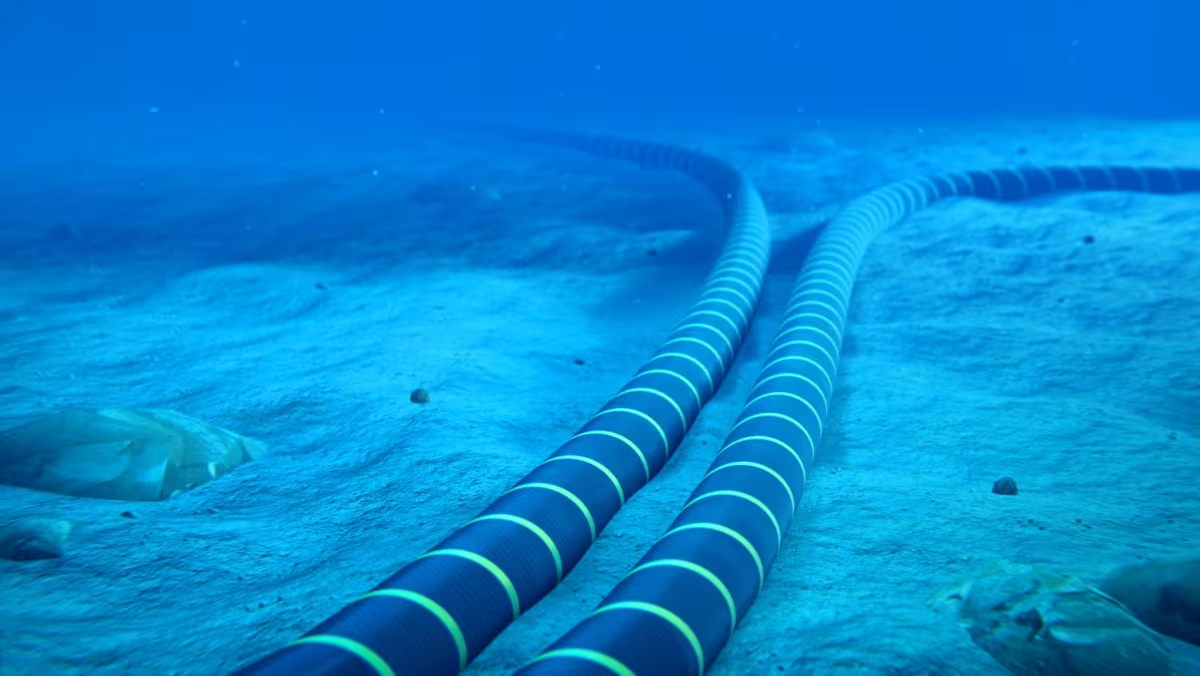
BEIJING: After chips, trade and 5G, the next front in US-China strategic competition is emerging beneath the sea: undersea cables.Stretching across ocean floors, these fibre-optic lines transmit multiple terabits of data per second between continents - carrying about 98 per cent of the world’s data traffic.Once regarded as neutral telecommunications infrastructure, they are now “indispensable strategic” assets at the heart of the US-China contest for digital dominance, said Bart Hogeveen, senior fellow and Europe director at the Australian Strategic Policy Institute (ASPI).And “their importance is also growing” - as the rapid rise of AI, cloud computing and global finance fuels the demand for faster, safer, and more reliable movement of data.
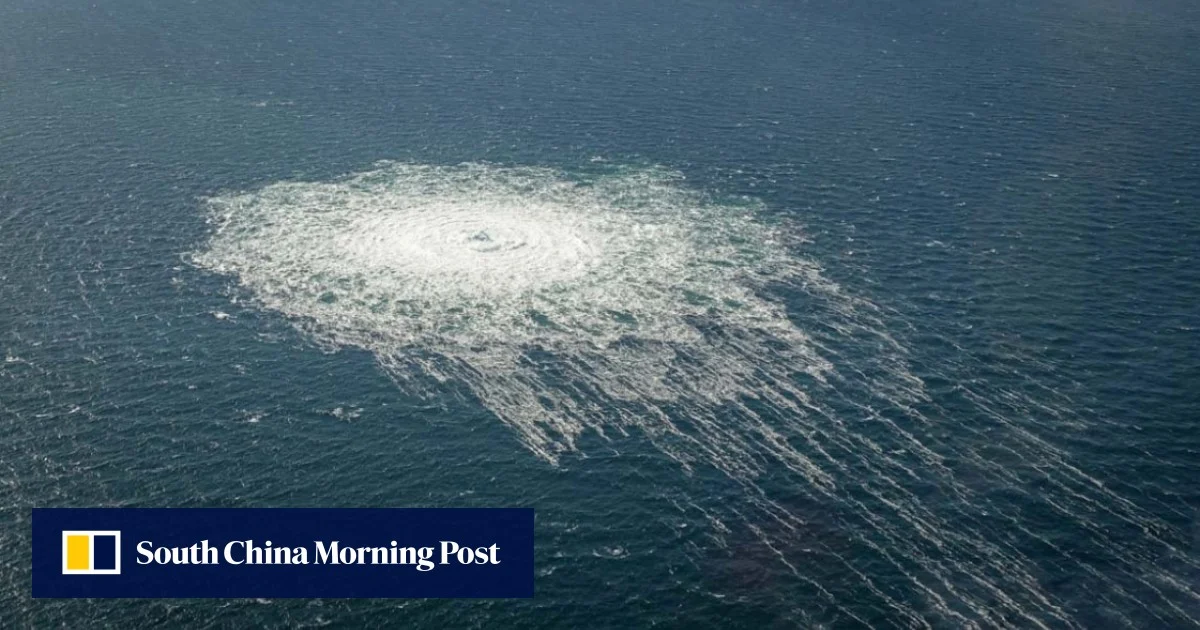
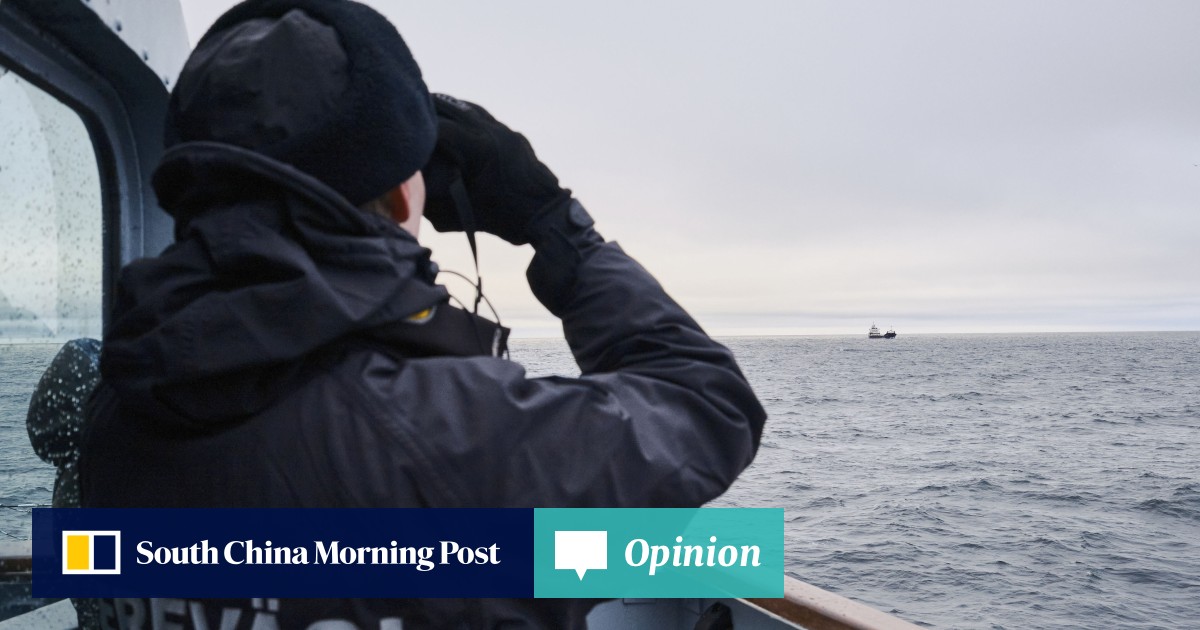
“Whoever controls critical infrastructure can exercise significant influence over how it's used, by whom, on what terms and at what cost,” Hogeveen said, adding that “concerns about foreign influence and strategic dependence have been becoming much more acute”.Recent developments also point to how quickly the subsea cable sector is being drawn into that rivalry.In June, Washington tightened oversight of submarine cable infrastructure, while Beijing has continued expanding its global cable footprint through Digital Silk Road-linked projects.At the same time, recent cable damage incidents around Taiwan and in the Baltic Sea, along with new initiatives to strengthen the protection of critical seabed infrastructure, have pushed what was once a little-known industry into the spotlight.