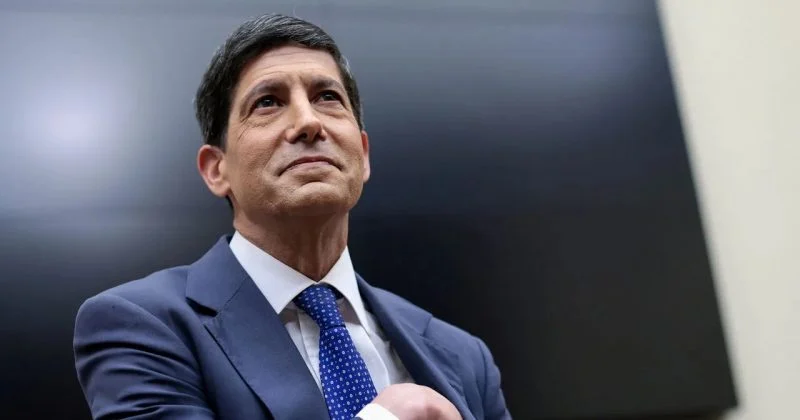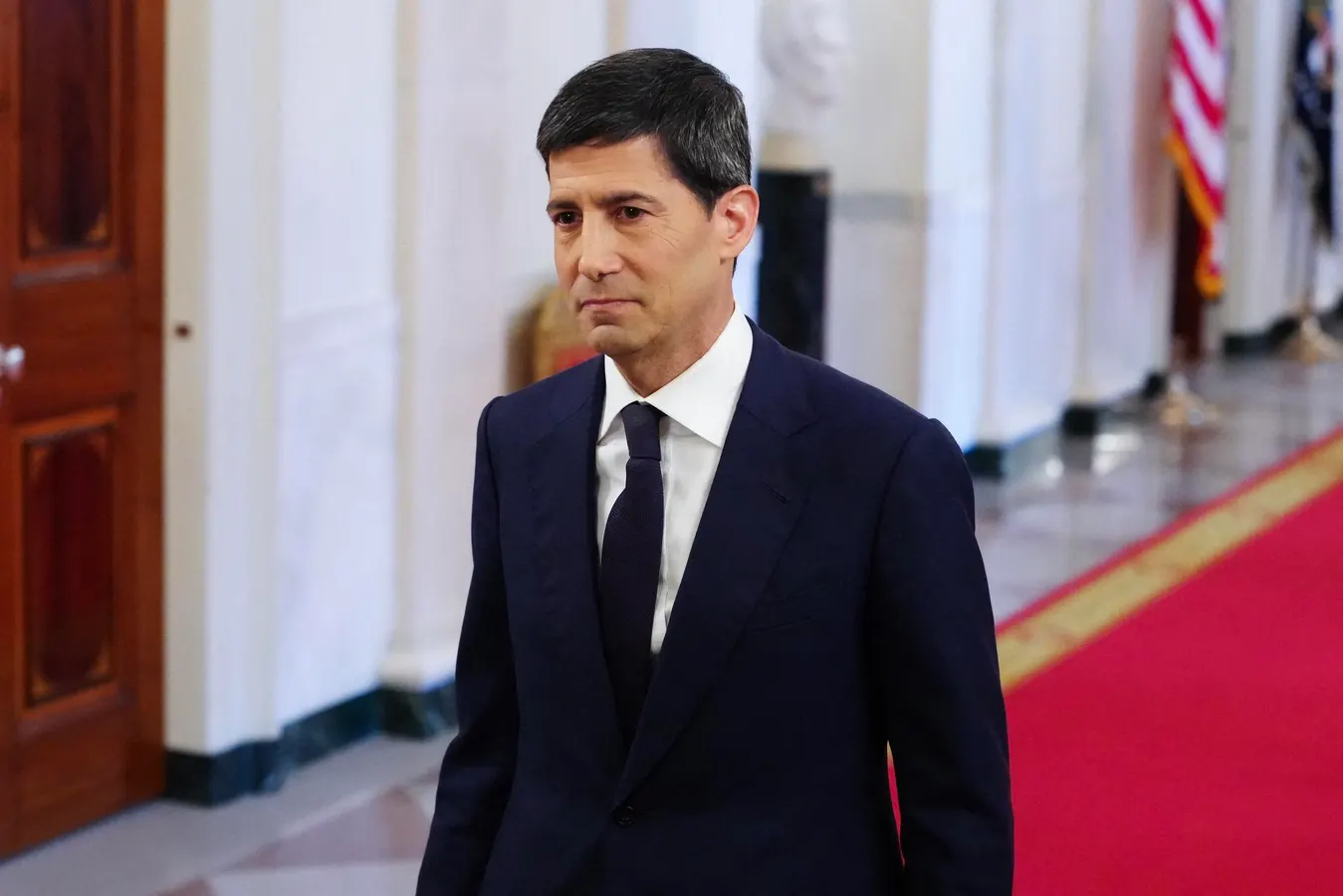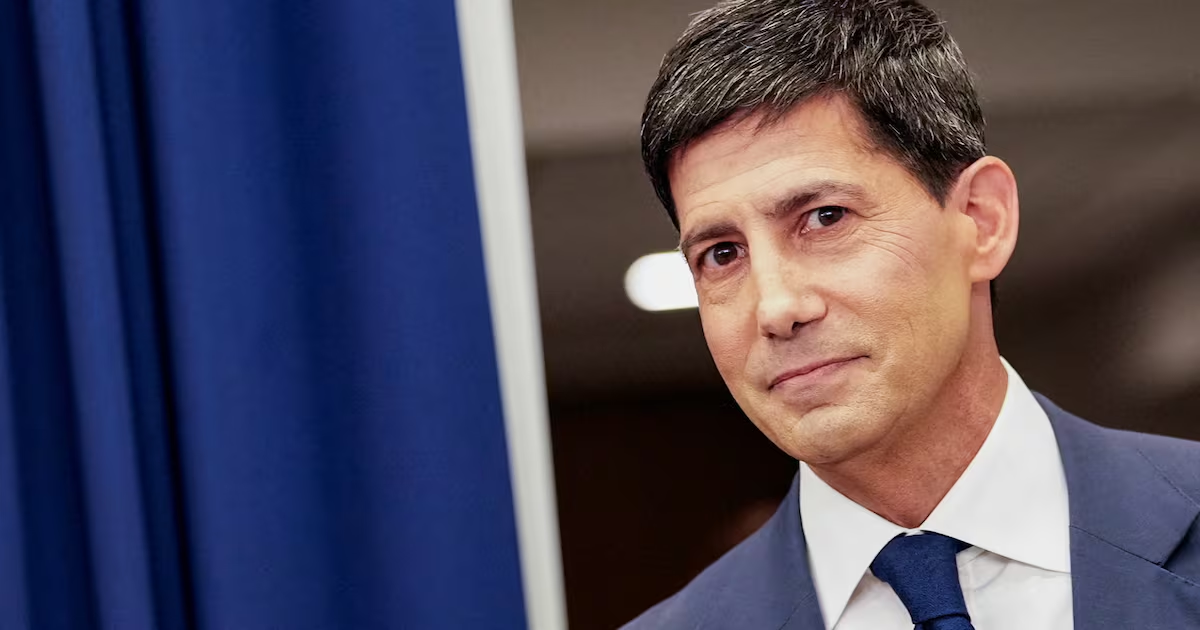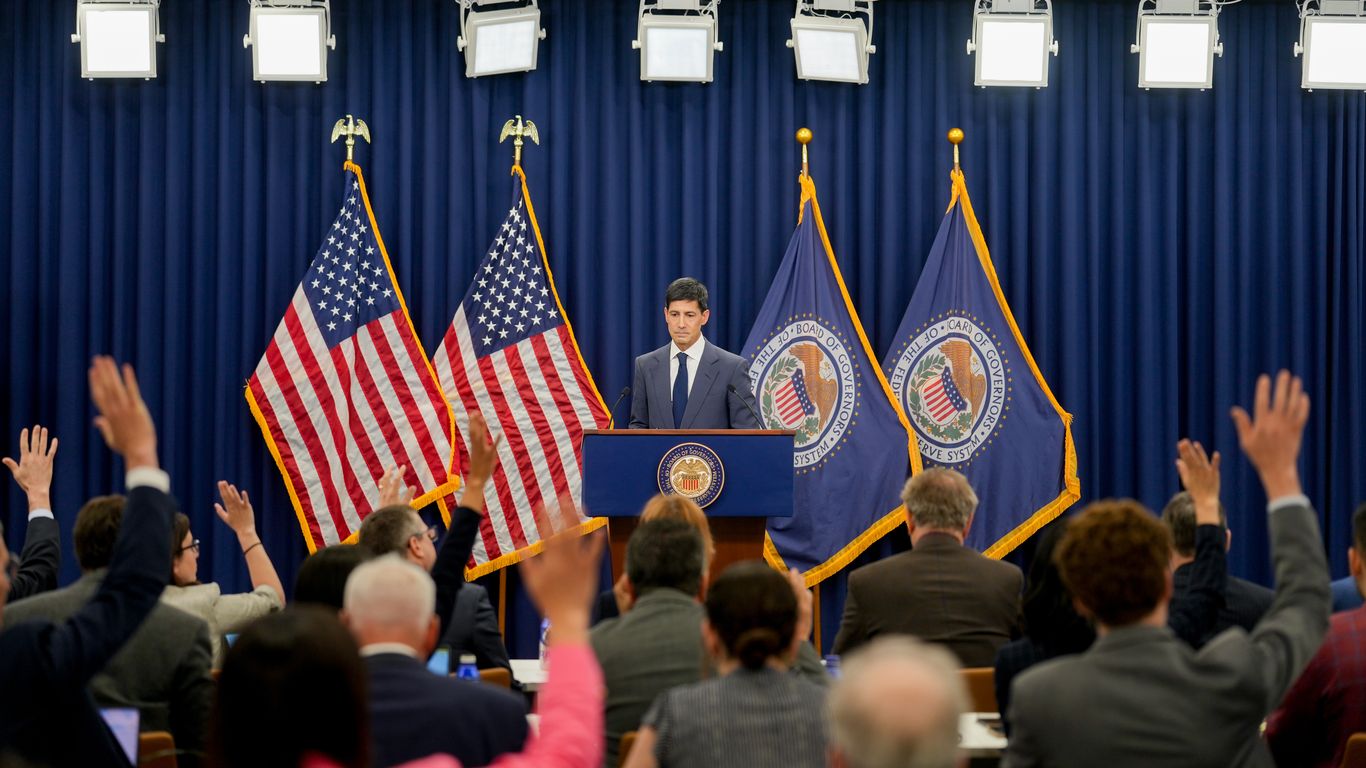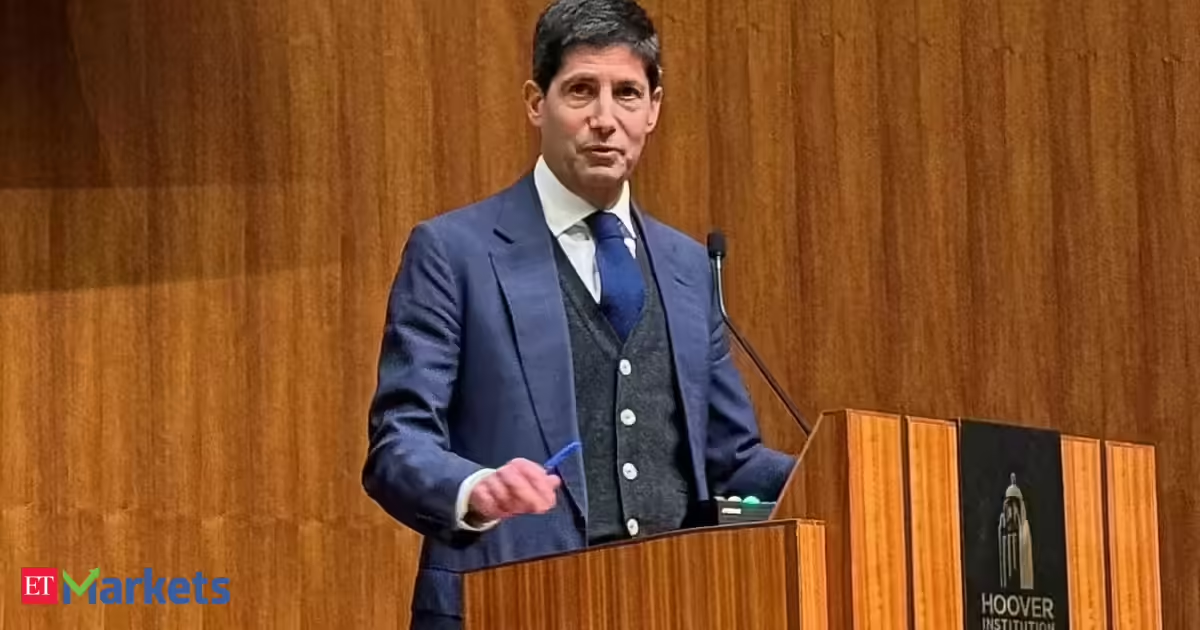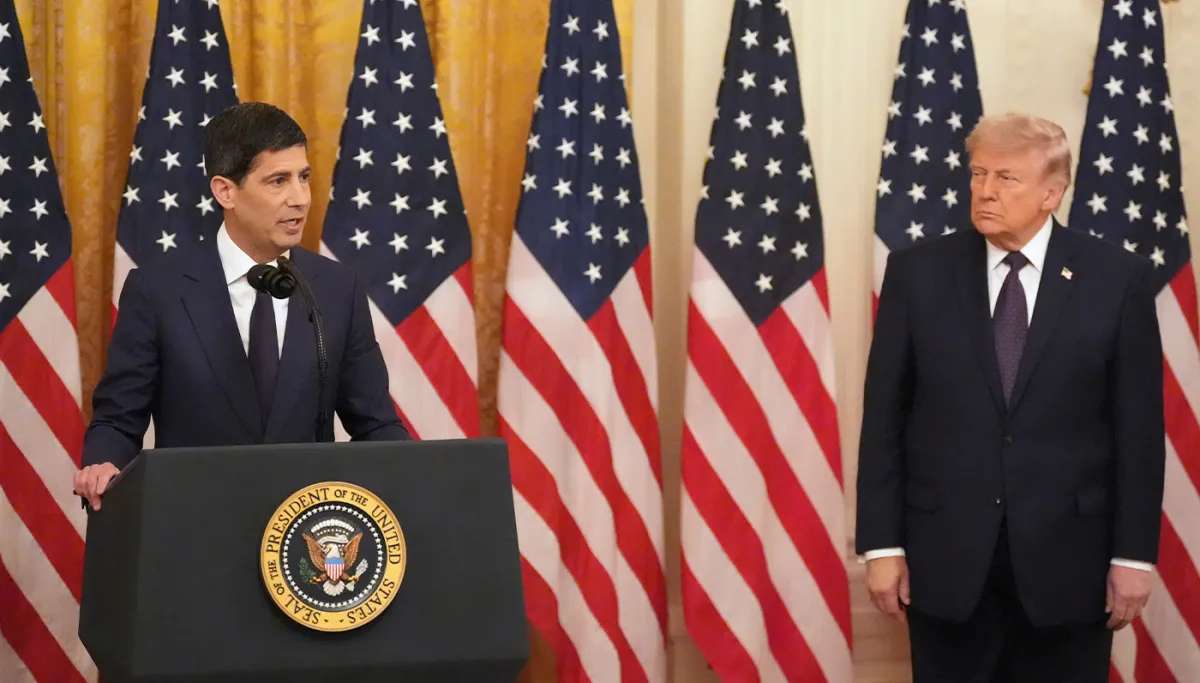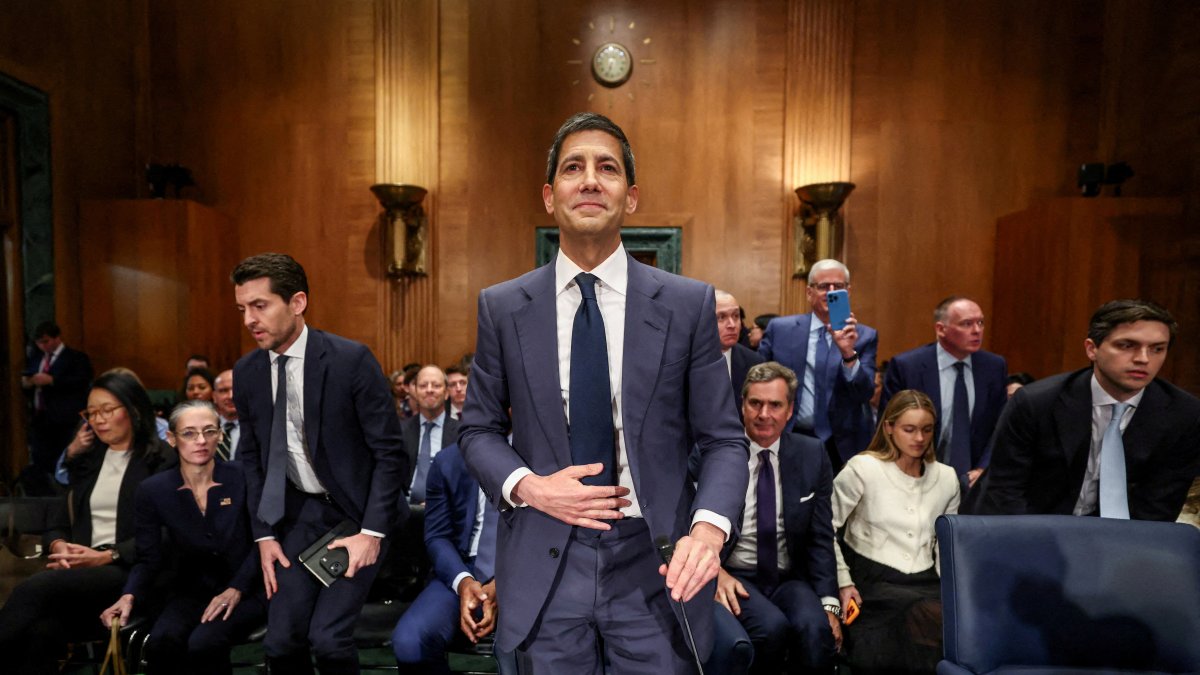
Kevin Warsh's appointment as chair of the Federal Reserve (Fed) is not merely a change in leadership. The real debate behind this appointment is whether the Fed's role, which has steadily expanded over the past 15 years since the Global Financial Crisis, will be redefined. Today, the modern central banking debate extends far beyond the level of interest rates, and a much more sophisticated question has emerged: while fulfilling its dual mandate, will the Fed continue to act as a supporter of public finances, or will it return to being an independent central bank primarily focused on price stability? This question is critical not only for monetary policy but for the U.S. dollar's status as the world's reserve currency and for the economic objectives of the Trump administration, too.
The Fed's dual mandate makes this balancing act even more important in this term. The central bank is responsible not only for controlling inflation but also for supporting maximum employment. Warsh assumes office in a highly complex economic environment. With the U.S.-Israel-Iran war ongoing, inflationary pressures remain elevated. At the same time, signs of slowing economic growth and tight financial conditions are prompting discussions about alternative policy approaches. In addition, potential pressure from the Trump administration regarding interest-rate policy remains a closely watched issue in financial markets.