June 20, 2026
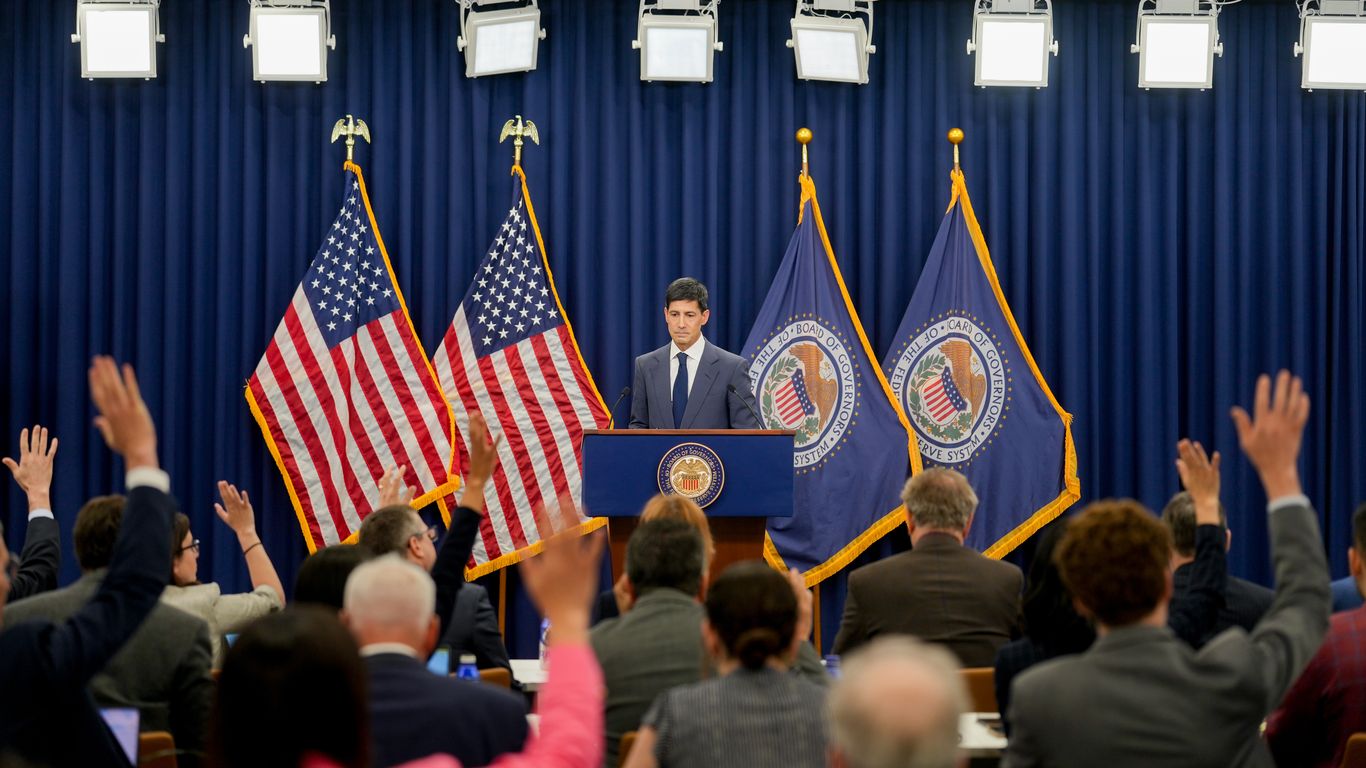
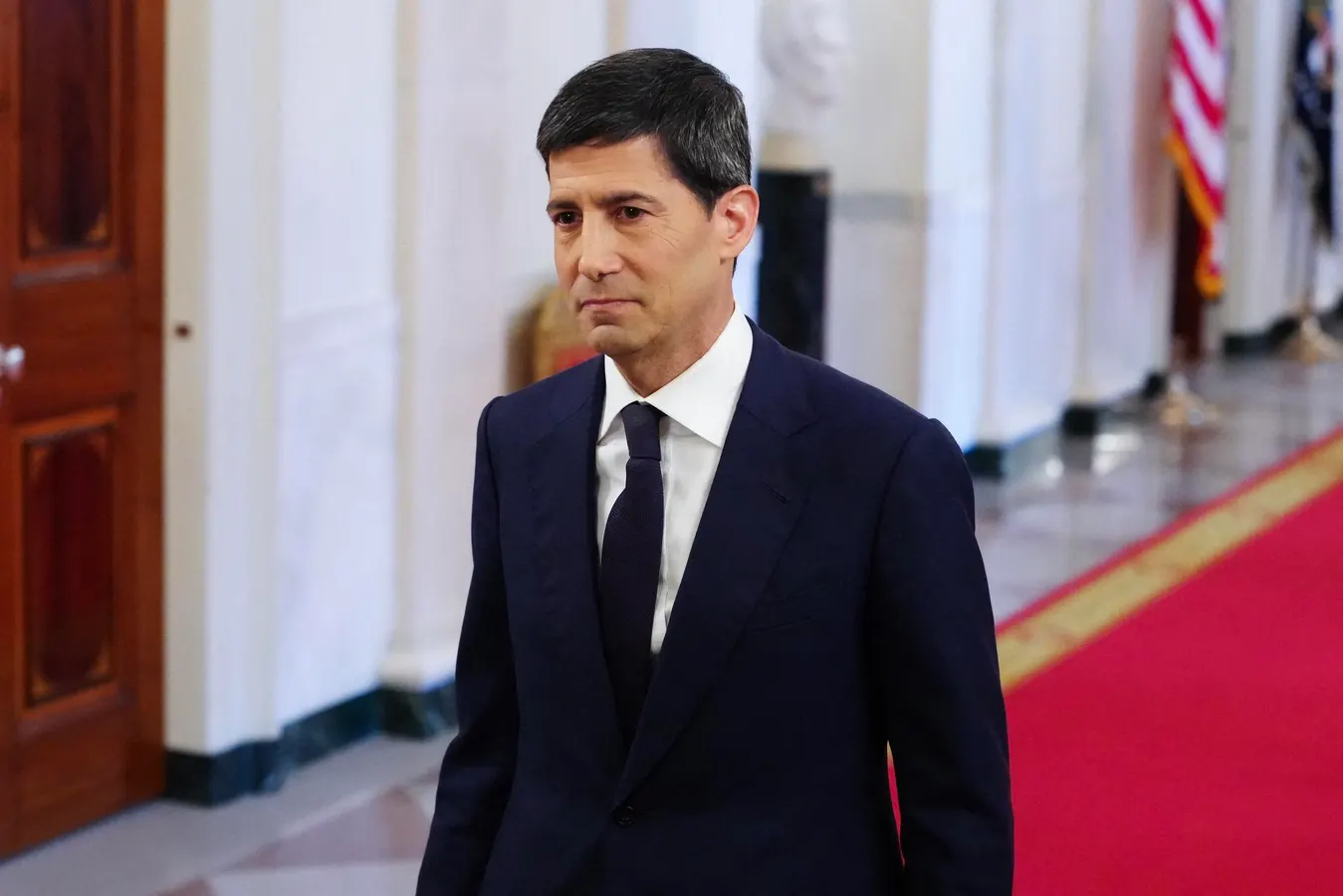
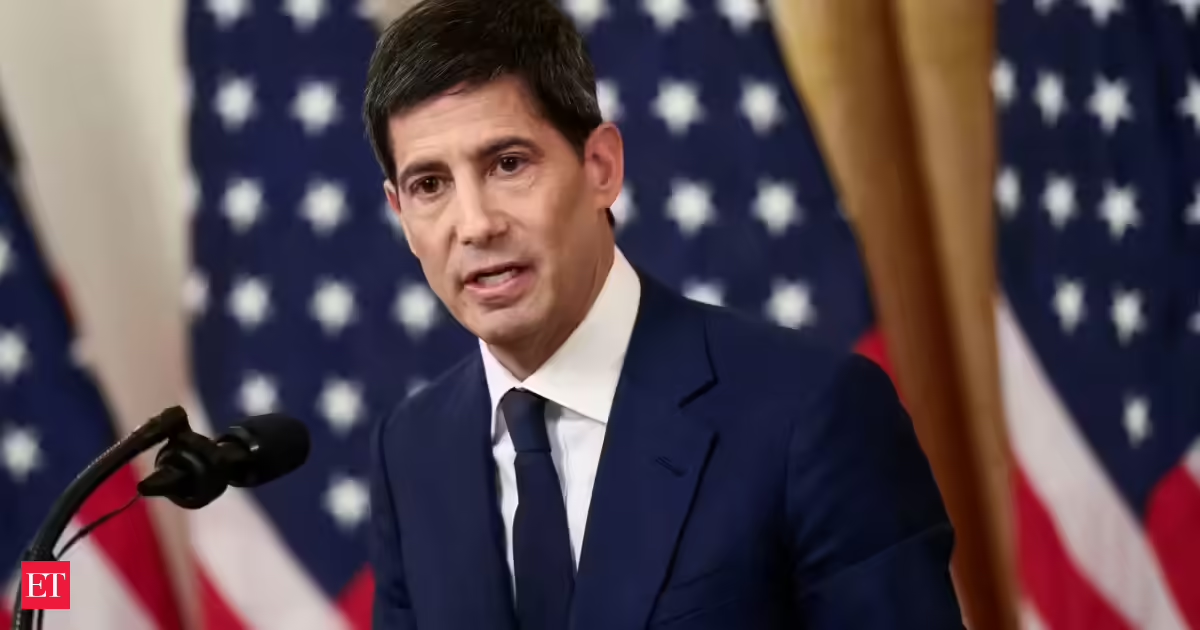
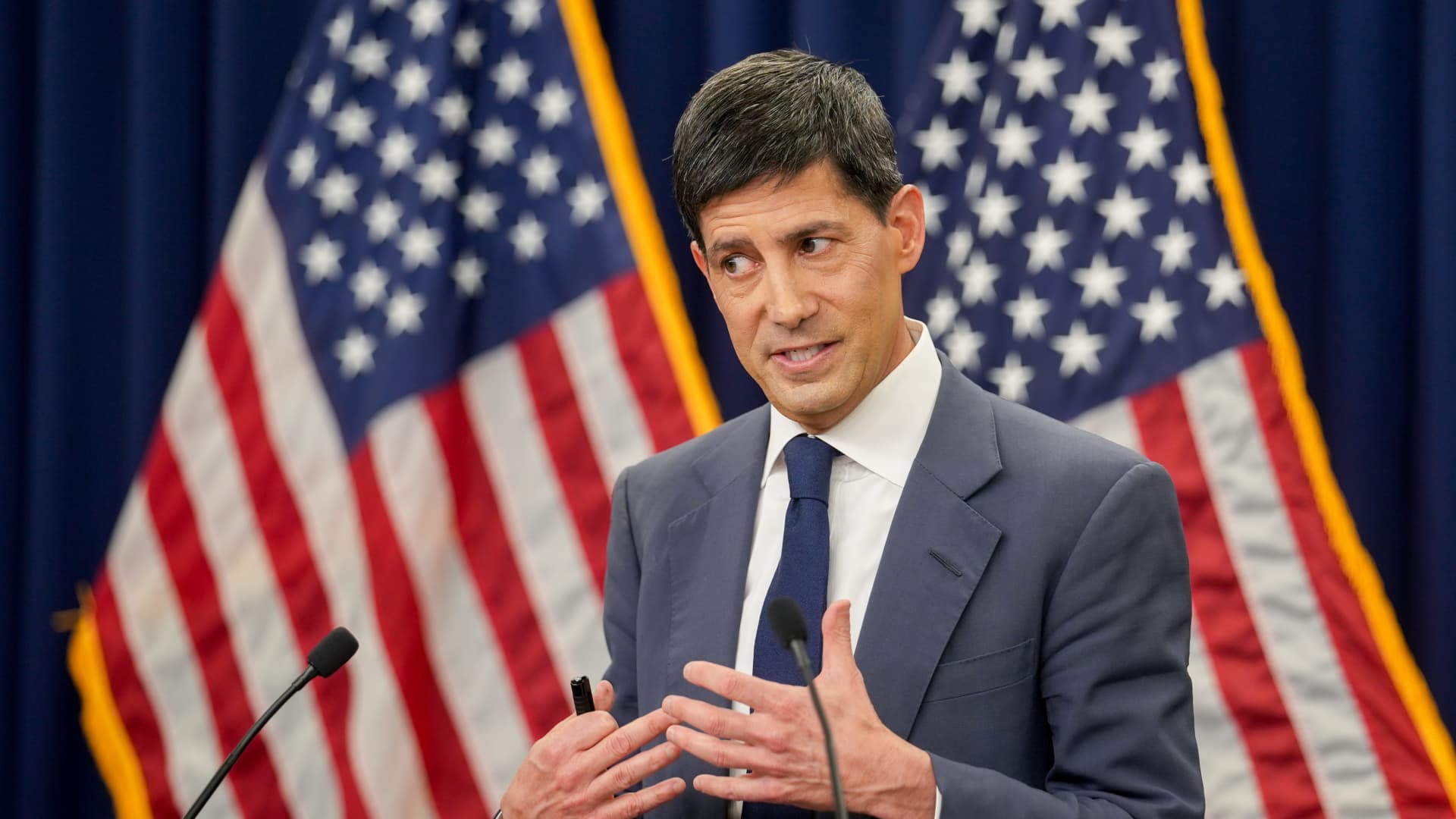
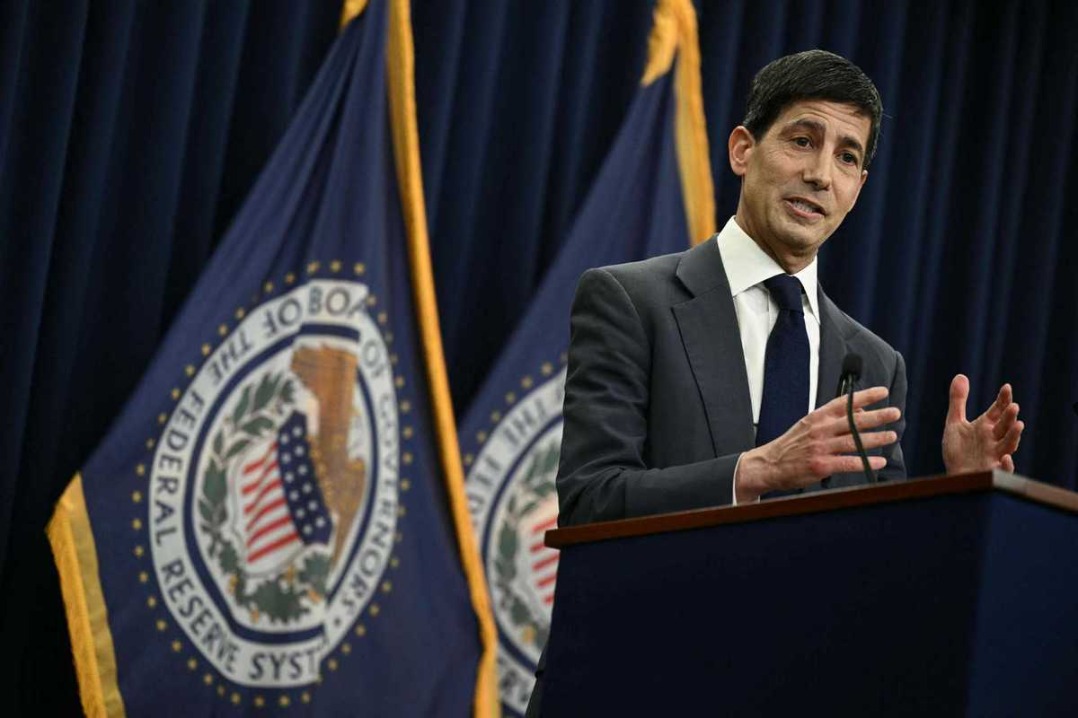
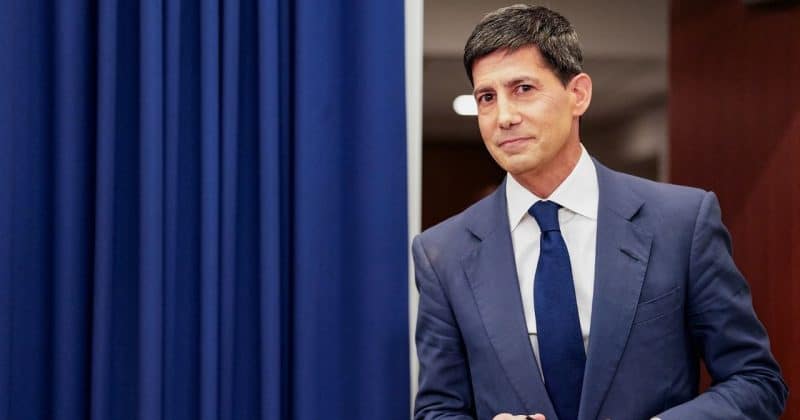
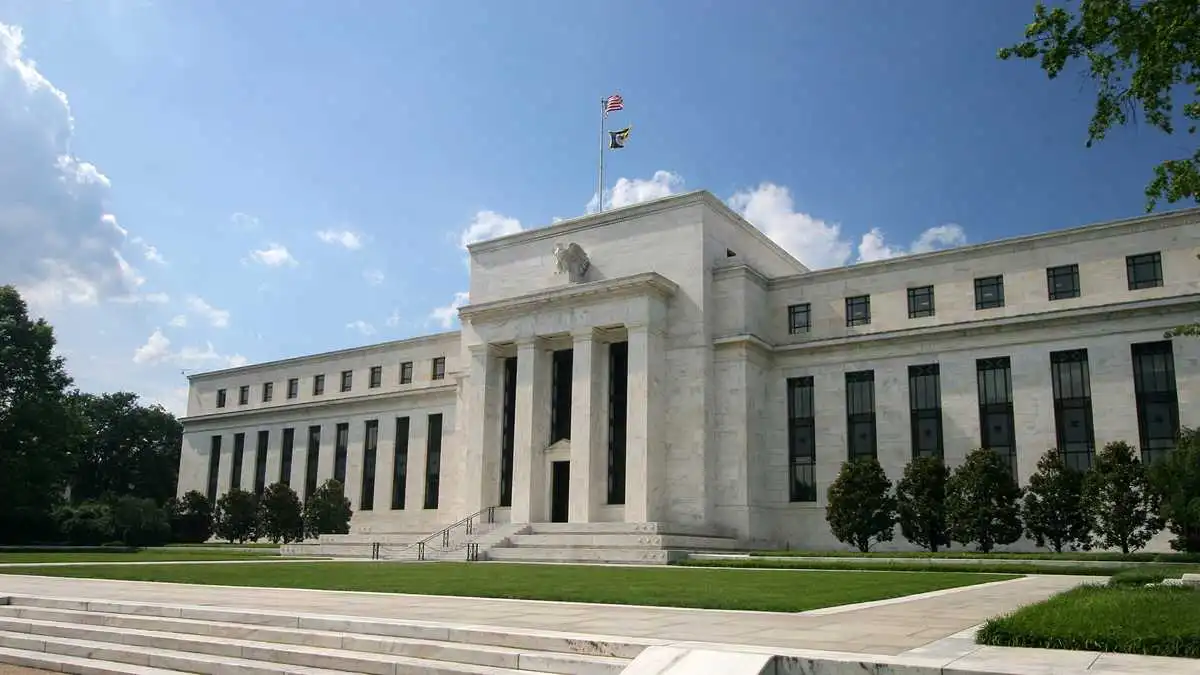
US Federal Reserve Chairman Kevin Warsh put his stamp on the job fast this week at a debut policy meeting that produced a return to stripped-down, 1990s-style central banking, before this century's crises put the Fed center-stage in economic management and turned its leader into a consoler-in-chief for Wall Street and Main Street alike.
The question now is whether the reduced role he seeks for the Fed and in effect for himself is compatible with a world grown more complex, a more-intense and polarized information environment, and markets now accustomed to a steady diet of top policymaker commentary.
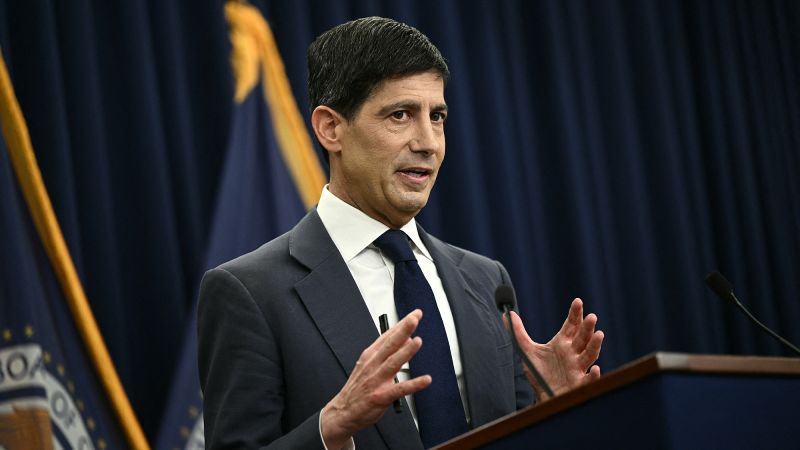
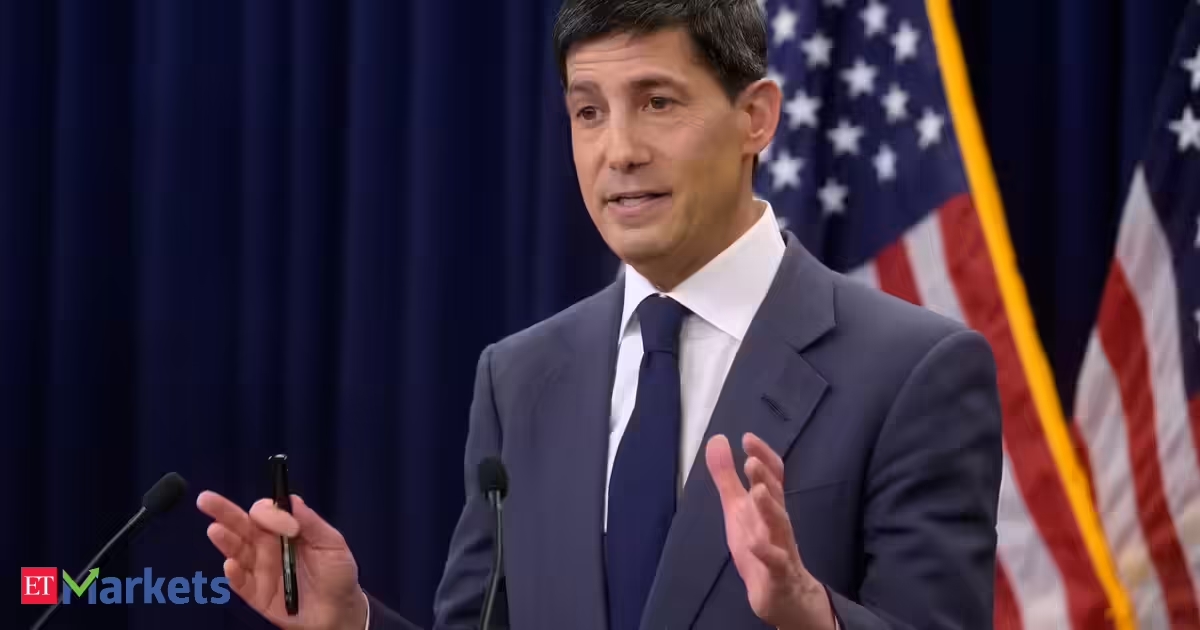
Whether he intended it, Warsh's emphasis on inflation in Wednesday's press conference, without any more-nuanced commentary about what might clear the bar for a rate hike, led investors to conclude an increase was coming soon and begin bidding up bond yields.
The market reaction "was massively amplified by the Warsh press conference that combined a hawkish near single-mandate emphasis on the need to deliver price stability with a total absence of any modulating discussion of the Fed’s strategy or reaction function," wrote Krishna Guha, a former top communications official at the New York Fed and now vice-chairman and head of economics and central bank strategy at Evercore ISI. "Discussion of the reaction function and strategy...supports more effective central banking," a main tenet of current central bank practice.