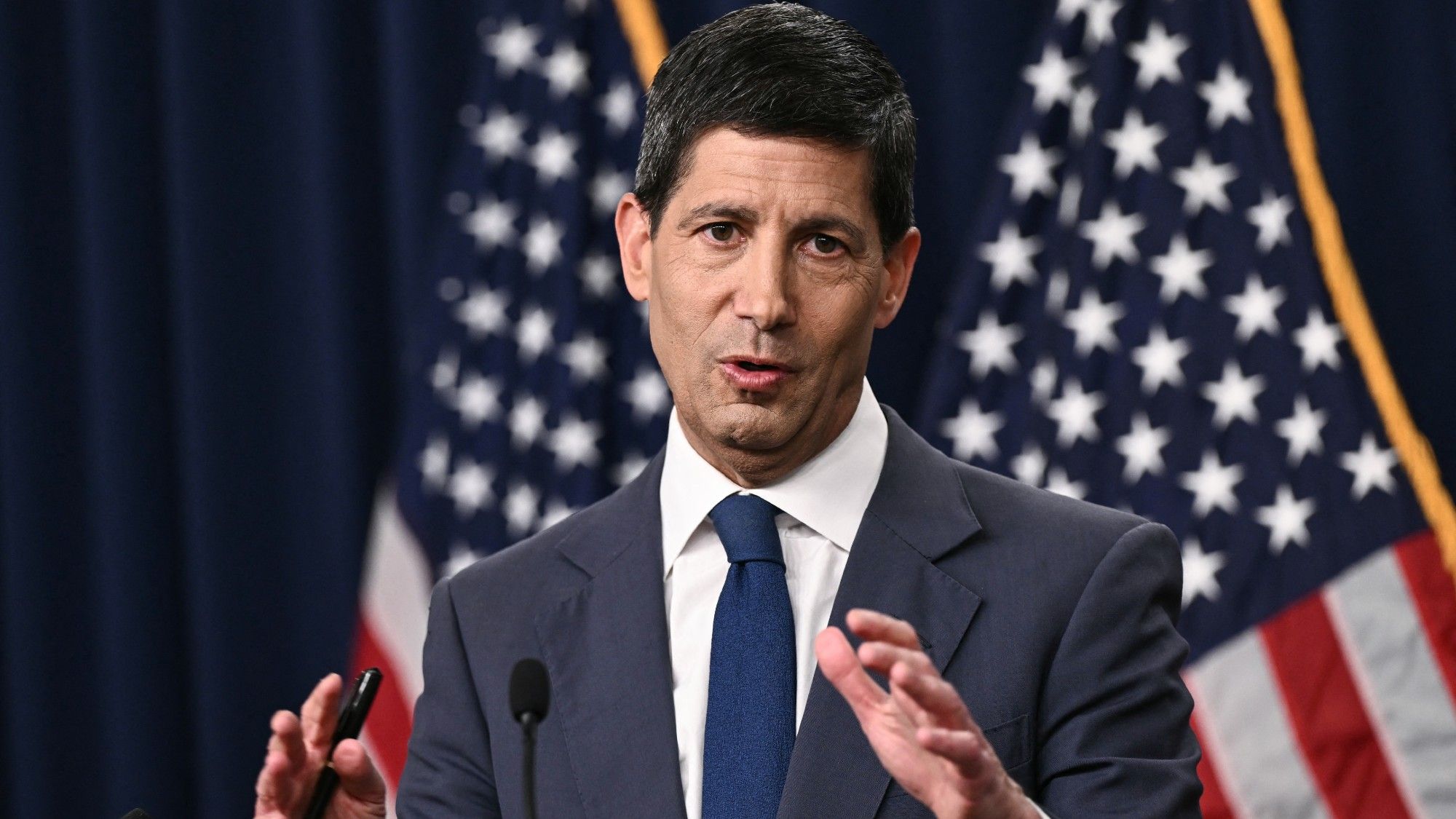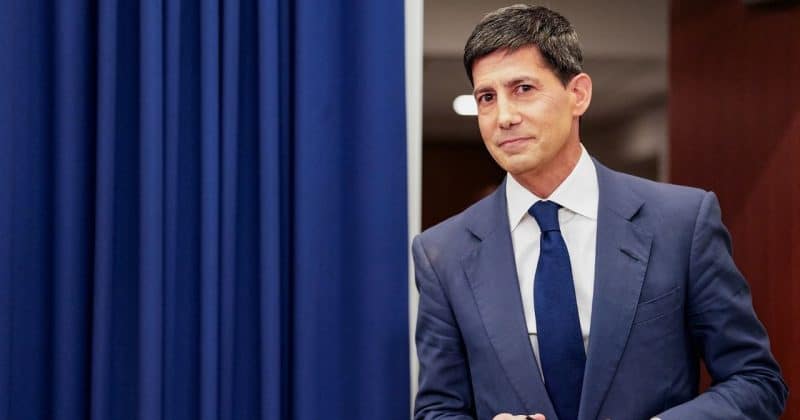
Kevin Warsh, confirmed as Federal Reserve Chair on June 17, 2026, is doing something unusual for a central banker: stepping back. His vision for monetary policy trades the Fed’s traditional toolkit of interventionist measures for something far blunter, letting financial markets themselves serve as the primary signal for policy decisions.
The Warsh doctrine takes shape
At his first FOMC meeting, Warsh held the federal funds rate steady at 3.5-3.75%. What turned heads was how he communicated it: a significantly shortened policy statement that stripped away the kind of hedging language Fed watchers have spent decades learning to decode.
Warsh has been blunt about inflation, calling it an “unfair burden” and framing it as a tax that needs to be eliminated. No caveats, no soft landings rhetoric. Just a straightforward pledge to deliver price stability.
In July 2026, he took the philosophy further, promoting the idea that markets should provide “unfiltered” signals without Fed interference. In English: the Fed should stop trying to micromanage every corner of the financial system and instead let asset prices, Treasury yields, and dollar movements tell policymakers what’s actually happening in the economy.