Even a month ago, monetary policy sailing looked smooth for incoming Federal Reserve Chairman Kevin Warsh.One possible flare-up for Warsh, who became Fed chairman on May 22, succeeding Jerome Powell after an eight-year tenure, was the threat of the Iran conflict temporarily pushing oil prices higher. Yet in Warsh’s early days heading the nation’s central bank, inflation appeared contained. Even when the price of West Texas Intermediate crude spiked to over $112 a barrel in early April, the 10-year Treasury yield, a benchmark measure of future inflation expectations, remained muted, trading as high as 4.4% before cooling off.
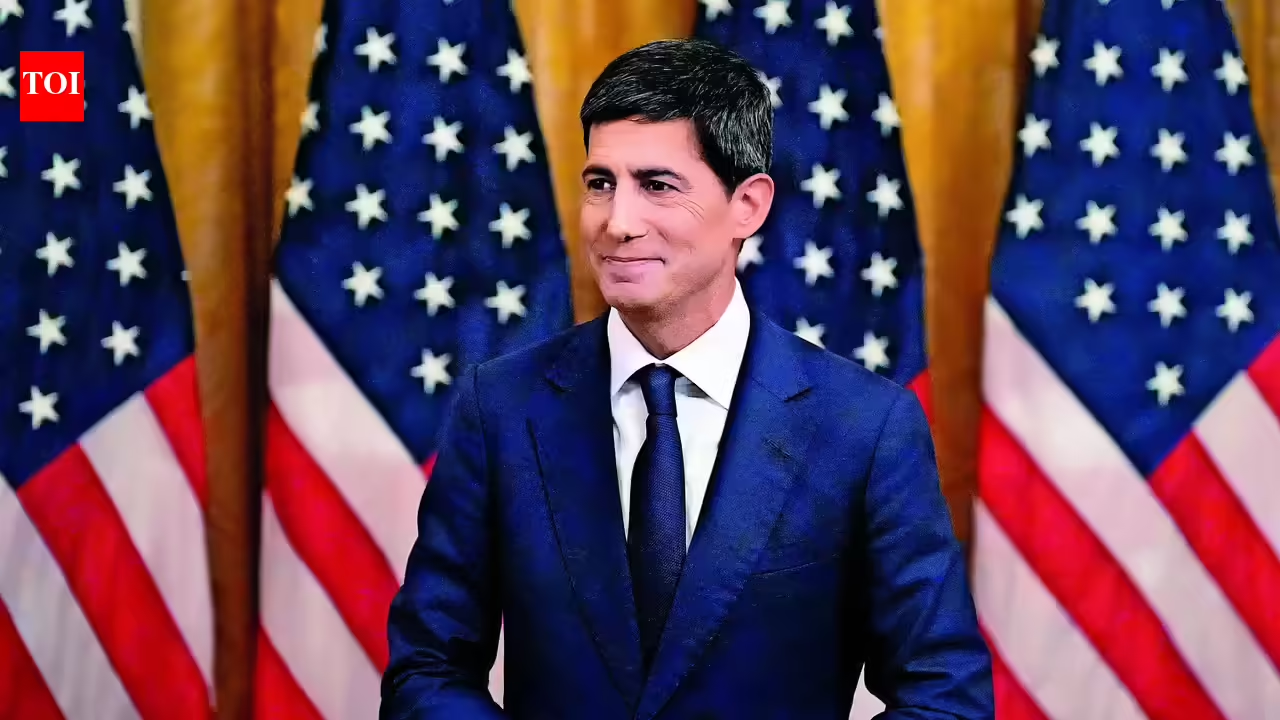
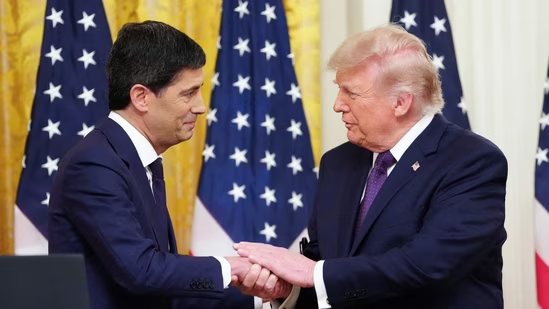
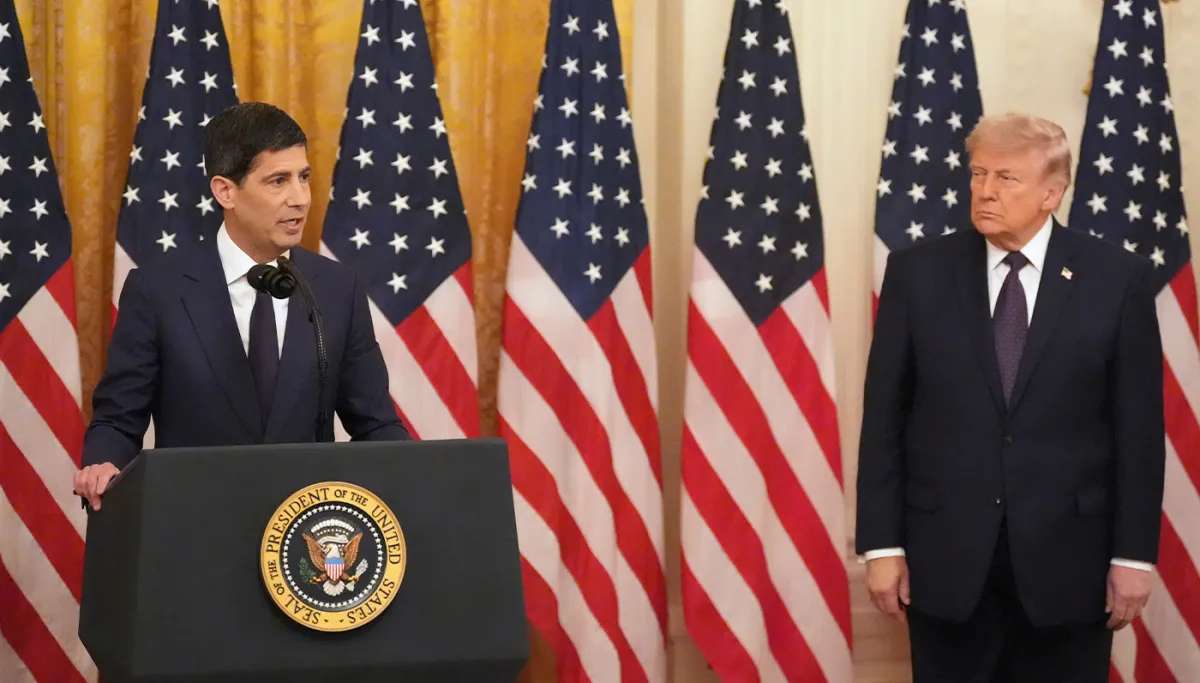
President Donald Trump listens as Federal Reserve Chairman Kevin Warsh speaks during Warsh’s swearing-in at the White House on May 22. (Alex Brandon/AP)
As market expectations often do, they have turned on a dime. In the past two weeks, longer-term bond yields spiked, with the 10-year Treasury hitting 4.69% and the 30-year yield reaching 5.197%, the highest level in nearly 20 years.
As Bob Dylan once said, “You don’t need a weatherman to know which way the wind blows.” The bond market is now blowing loudly, and it believes that higher inflation is not going away. This deprives Warsh of an easy path to cut the federal funds rate.