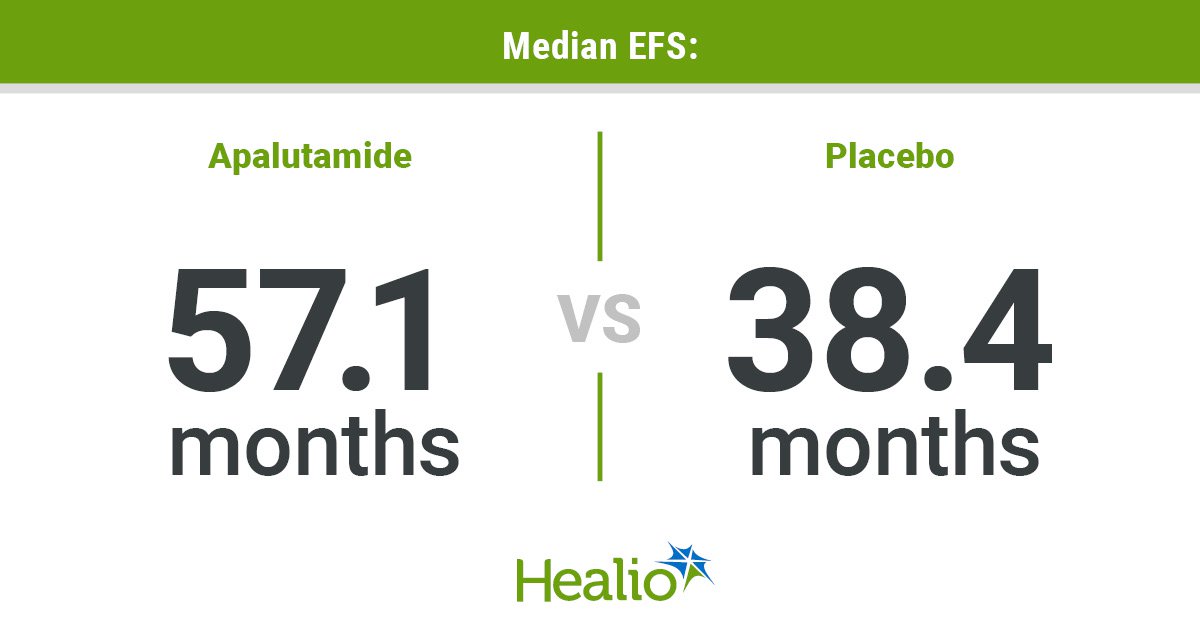
High-risk localized and locally advanced prostate cancer patients treated with apalutamide—a next generation neoadjuvant androgen-receptor pathway inhibitor (ARPI)—plus hormone therapy before and after prostate cancer surgery resulted in more major pathologic responses and reduced the risk of metastasis or death, meeting both primary endpoints, in an international Phase III clinical trial led by principal investigator Mary-Ellen Taplin, MD, medical oncologist at Dana-Farber Cancer Institute, and Adam Kibel, MD, chair of the Department of Urology at Mass General Brigham.
These potentially practice-changing findings were presented by Taplin in a plenary session at the American Society for Clinical Oncology (ASCO) Annual Meeting in Chicago and published in the New England Journal of Medicine.
More than 330,000 people are diagnosed with prostate cancer annually, and up to 20% have an aggressive form of the disease that is considered high-risk for relapse after primary therapy. Current standard treatment includes radical prostatectomy and/or radiotherapy with androgen-deprivation hormone therapy (ADT).
While this treatment works well for some, up to 50% of patients relapse within five years. This highlights the need for an improved regimen that acts earlier and more intensively to improve outcomes.