CHICAGO -- Men with metastatic castration-sensitive prostate cancer (mCSPC) and DNA repair alterations had significantly longer progression-free survival (PFS) with a targeted drug plus an androgen receptor pathway inhibitor (ARPI), results from an international randomized trial showed.
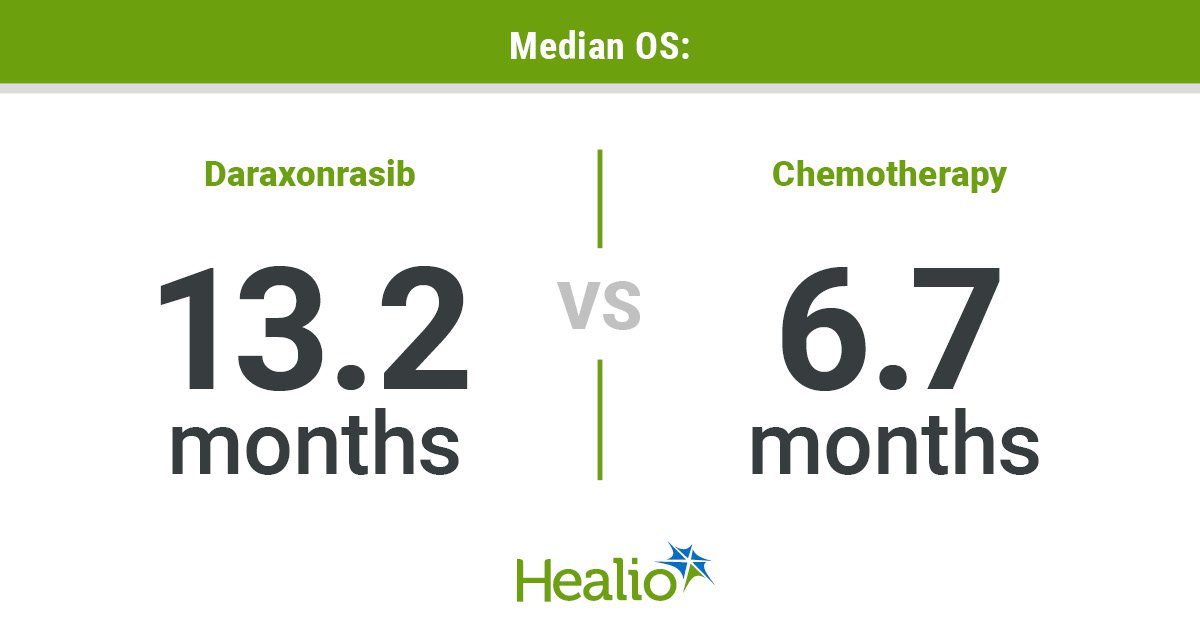
Radiographic (r)PFS at 3 years improved from 50% with enzalutamide (Xtandi) and placebo to 77% with enzalutamide plus the PARP inhibitor talazoparib (Talzenna). A preliminary analysis of 3-year overall survival (OS), a secondary endpoint, showed no difference between the two groups but a trend in favor of the talazoparib arm (78% vs 72%). Exploratory analyses suggested the talazoparib combination improved rPFS in patients with homologous recombination repair (HRR) alterations other than BRCA.
Serious adverse events (SAEs) occurred more often in the talazoparib group, and half the patients randomized to the PARP inhibitor had grade ≥3 anemia, reported Neeraj Agarwal, MD, of the University of Utah Huntsman Cancer Institute in Salt Lake City, at the American Society of Clinical Oncology (ASCO) annual meeting. The results were published simultaneously in the New England Journal of Medicine.
"Talazoparib-enzalutamide leads to a clinically meaningful and statistically significant prolongation of rPFS versus active enzalutamide control," said Agarwal. "The rPFS benefit was consistent across clinical subgroups, including BRCA mutations and non-BRCA mutation subgroups. The time to PSA progression and subsequent anti-neoplastic therapy were aligned with the primary rPFS results."