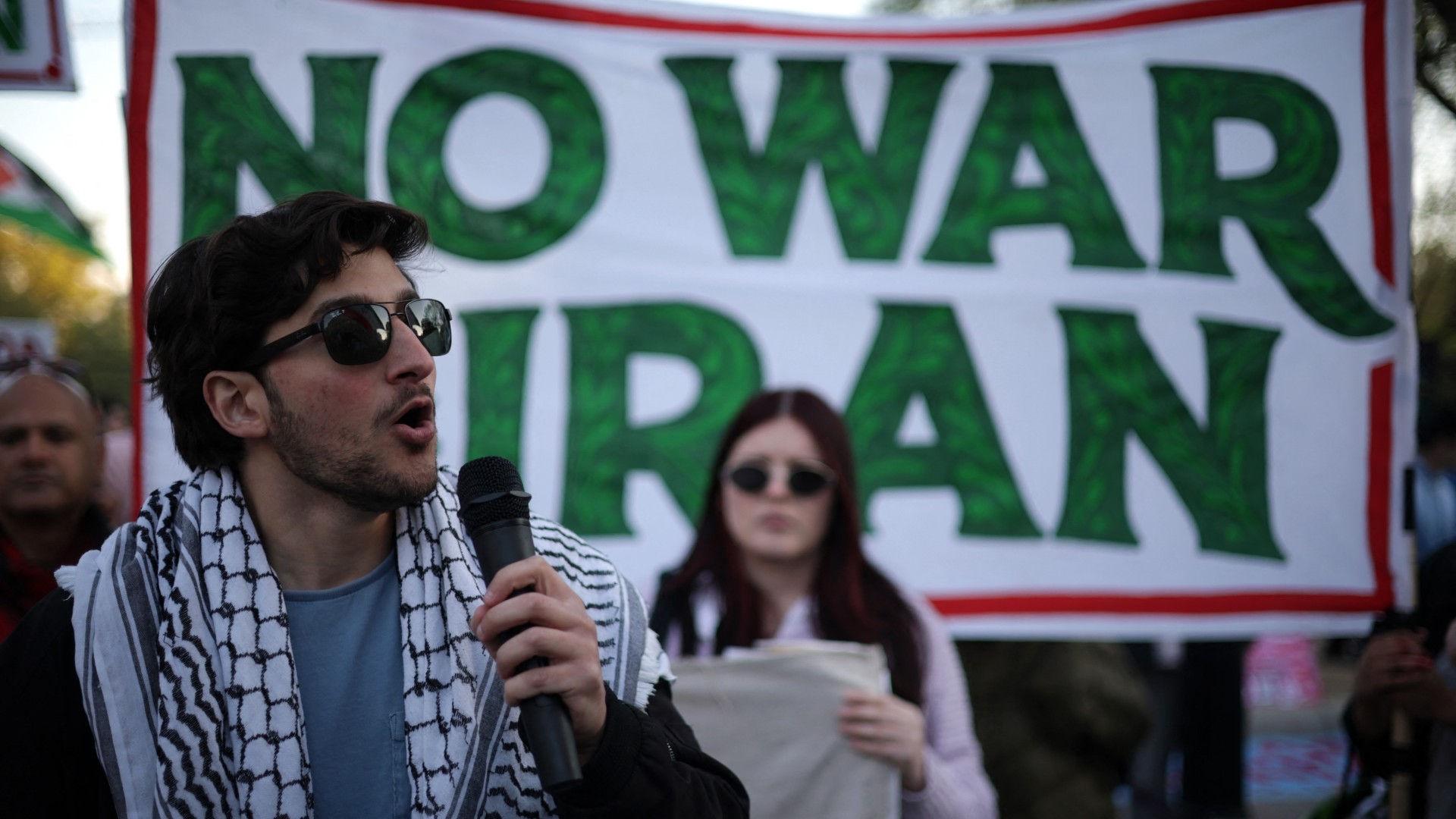
As tensions with Iran once again push the US toward the possibility of further involvement in Middle Eastern conflicts, a novel brand of anti-interventionism has swept American politics. After two decades of costly wars in Iraq and Afghanistan, both the populist right and progressive left have grown more willing to question the assumptions underpinning American military engagement abroad. Politicians as ideologically diverse as Thomas Massie and Alexandria Ocasio-Cortez now openly criticize interventionist foreign policy, while public fatigue with the post-9/11 wars has become increasingly visible across the political spectrum. Yet even as Americans tire of foreign interventions, cuts to the defense budget are politically untouchable. Wars end, defense spending does not.
At first glance, this would suggest that the United States is entering an era of military restraint and fiscal austerity. In practice, the opposite is happening. In April, the White House released its budget blueprint for fiscal year 2027, requesting roughly $1.5 trillion for defense. That is a 44 percent increase, and the largest single year jump since the Korean war. The same blueprint proposes a non-defense discretionary spending cut of around 10 percent, with housing and healthcare programs among the targets.