https://arab.news/8msqz
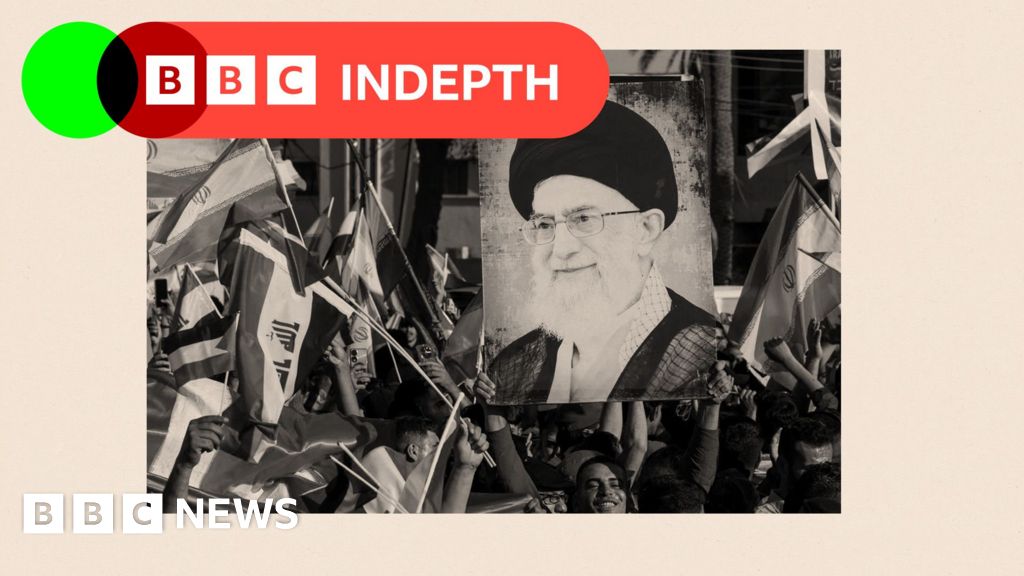
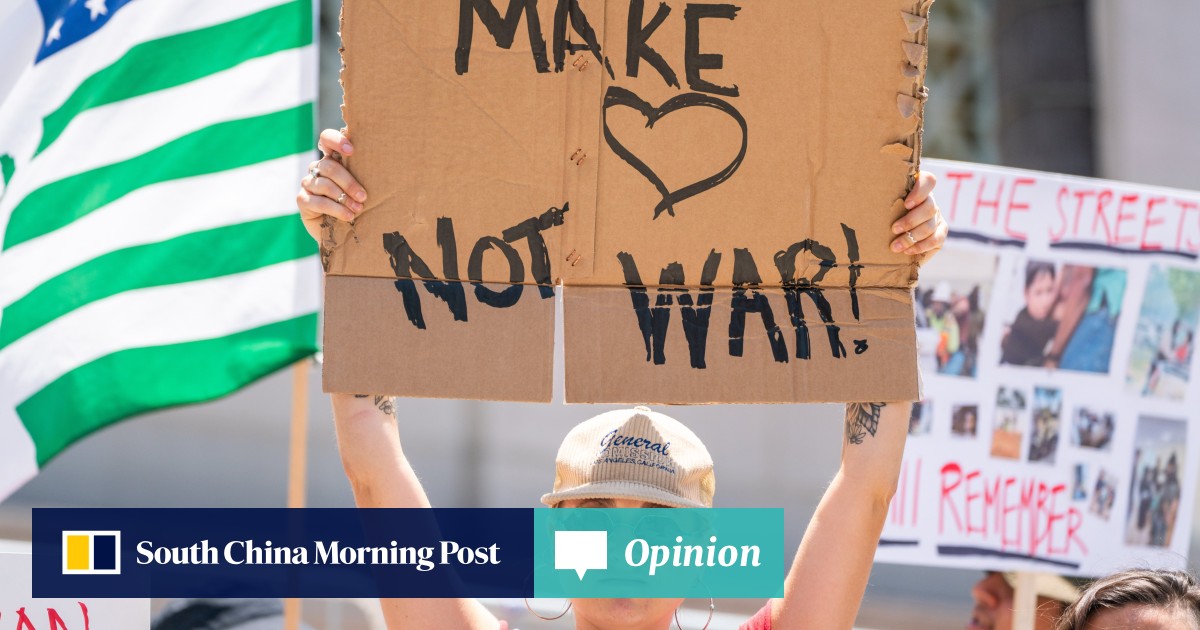
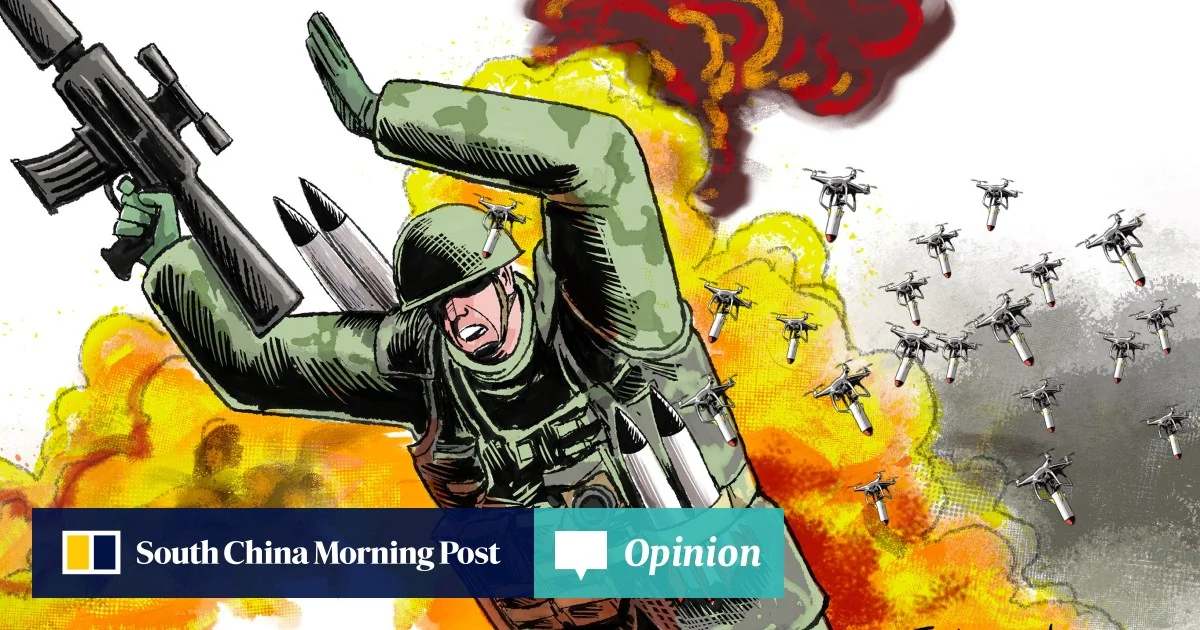
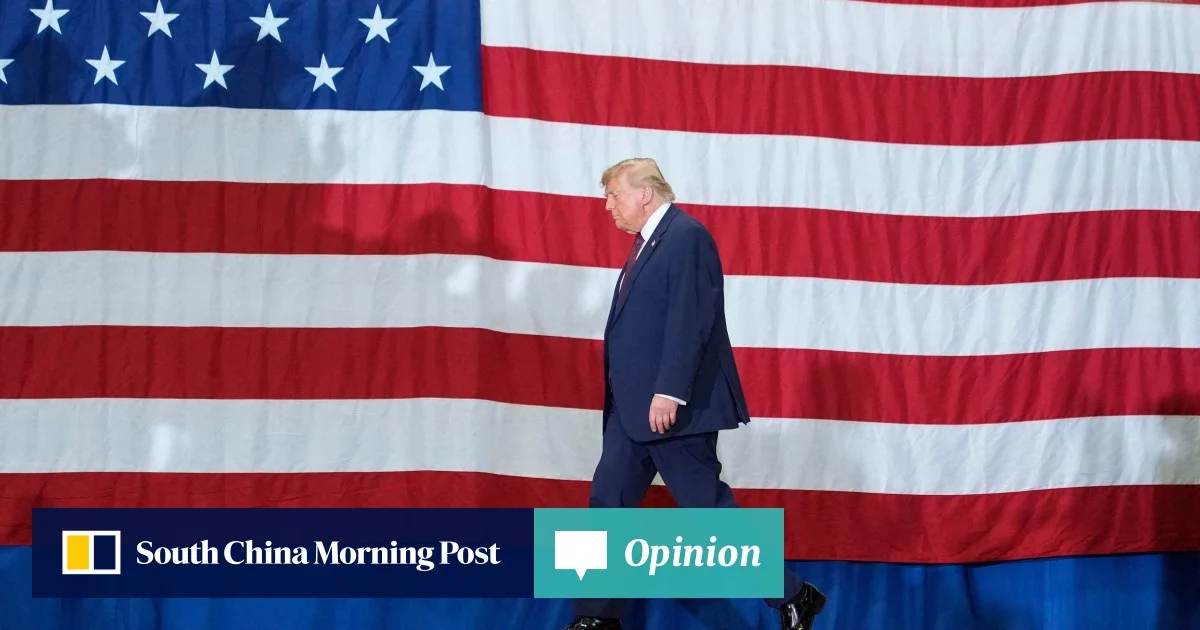
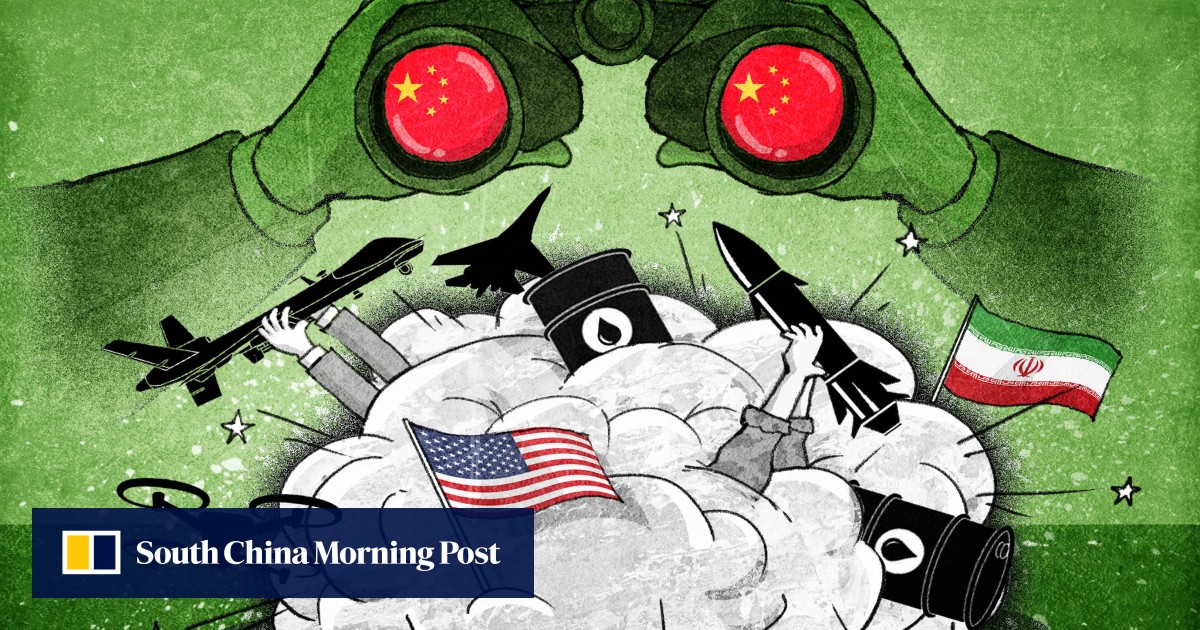
Forget about the war with Iran for a moment. The conflict inside the US, with universities, foreign students, immigrants, and the polarization between interventionists and isolationists, may have far more impact on the country’s future as a world power or on the empire it has built itself up to be in the 20th century. In this conflict, the US is at war with itself and has much to lose.
When the dust settles, what will matter is whether what the US achieved through war can be preserved in times of peace. We have seen how that failed in Iraq and Afghanistan, when after a military victory and occupation, the US did not succeed in creating a local government that could control the country as its ally. For an empire, military power is important for expansion, but empires consolidate their control by recruitment.
Former empires controlled vast territories with very few people because they could co-opt the locals who then ruled on their behalf. Romans ruled most of the known world for almost a millennium because the conquered could become Romans, absorbing the culture and language and serving the empire. Some emperors, such as Septimius Severus and Philip the Arab, were from Carthage or the town of Shahba in the Roman province of Arabia, now in Syria. The British in India ruled over tens of millions with tens of thousands, incorporating officials, administrators and the military. Several early Ottoman grand viziers were also originally recruited as slave boys in the Balkan provinces, such as Serbia and Croatia, and rose through the ranks both through meritocracy and by joining Sufi religious orders.