L
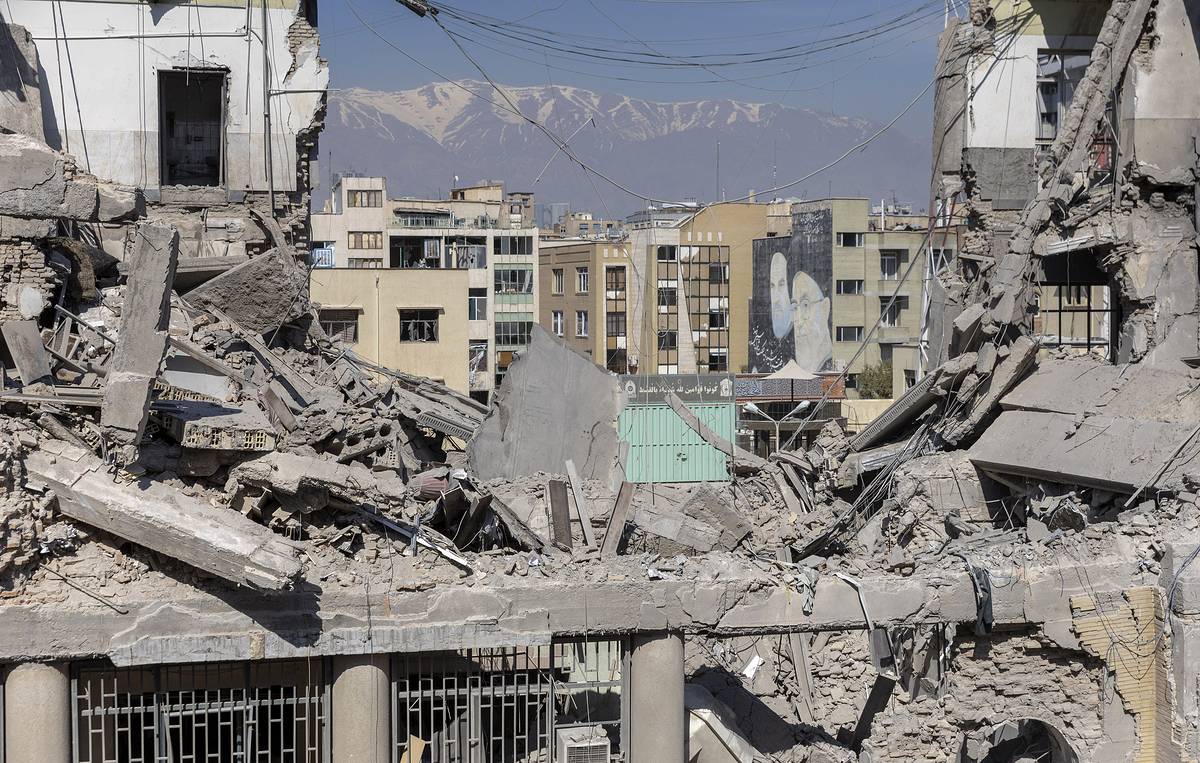
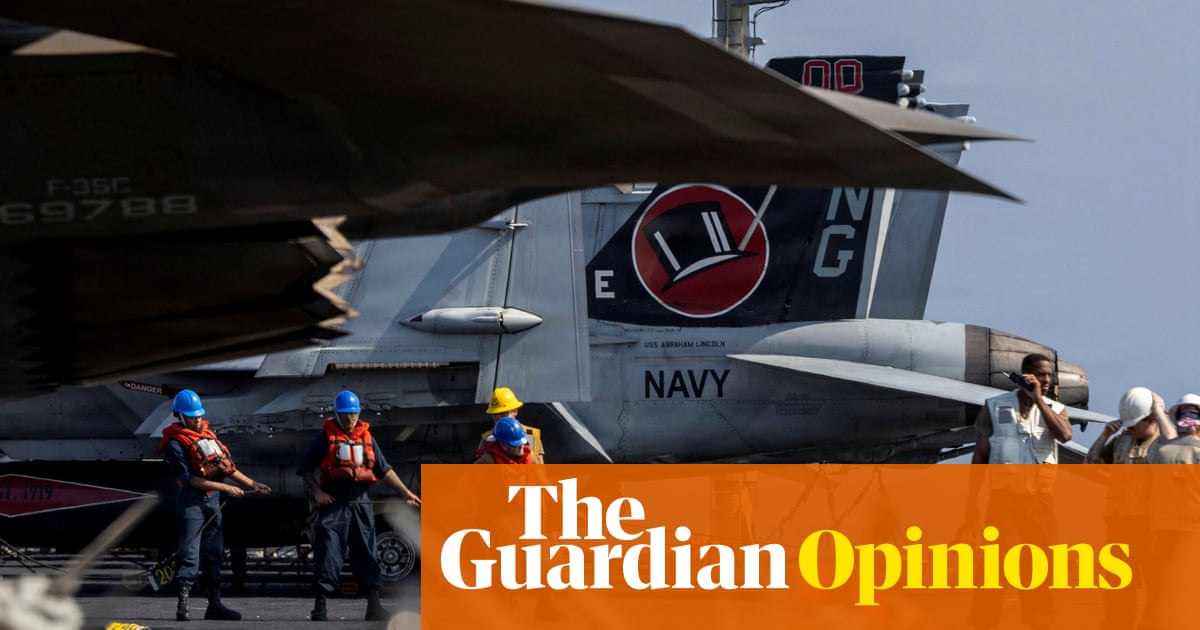
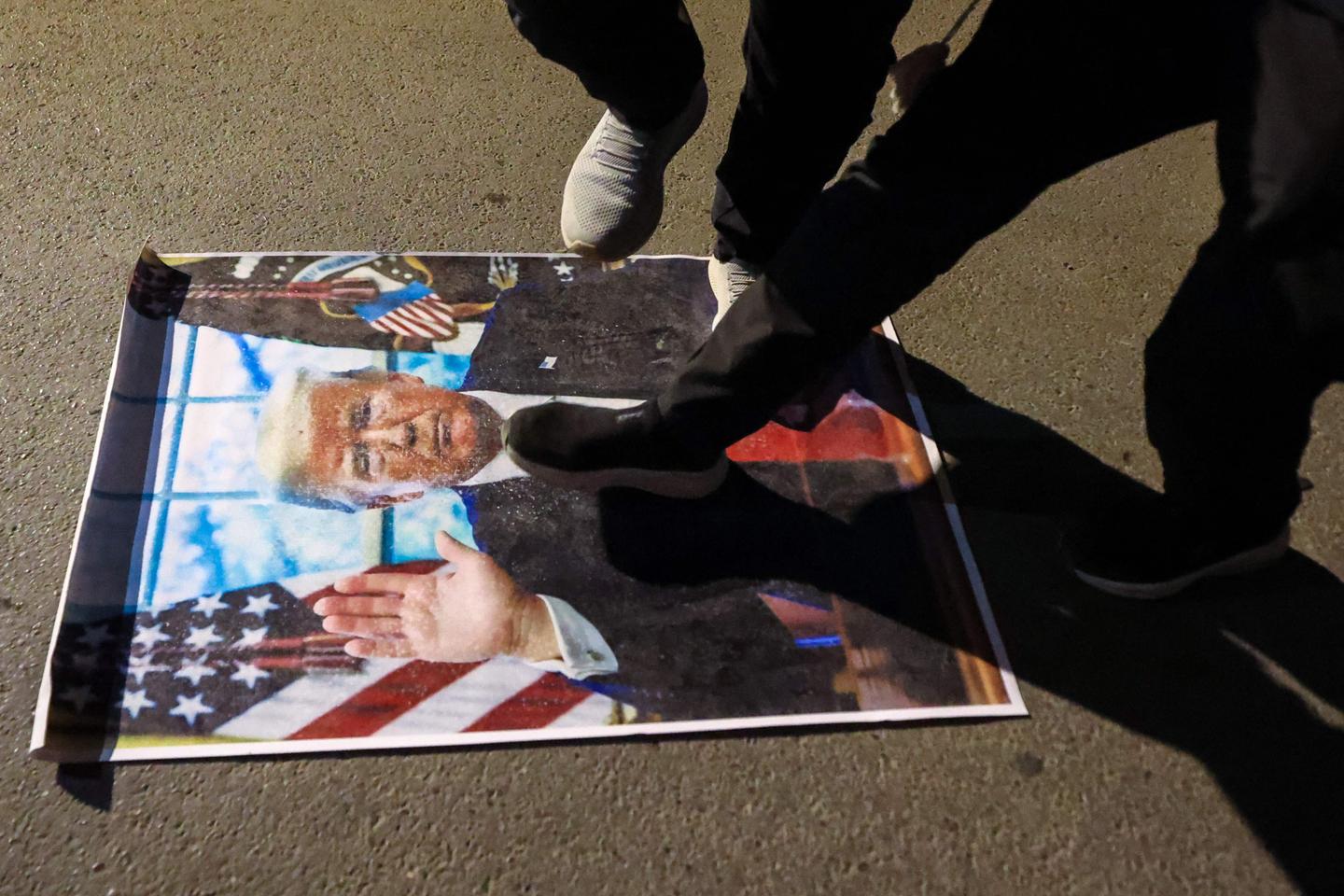
et's spell it out directly: The militaristic drift of the United States that we are witnessing with the war in Iran resonates above all as a terrible admission of weakness. US elites have become increasingly aware of the financial, commercial and political fragility of their country. The most nationalist among them have concluded that the only solution is to put weapons on the table. The stated goal of this warlike strategy is perfectly clear: It is not about promoting any kind of collective ideal, but rather about profiting financially from possessing the world's largest military force.
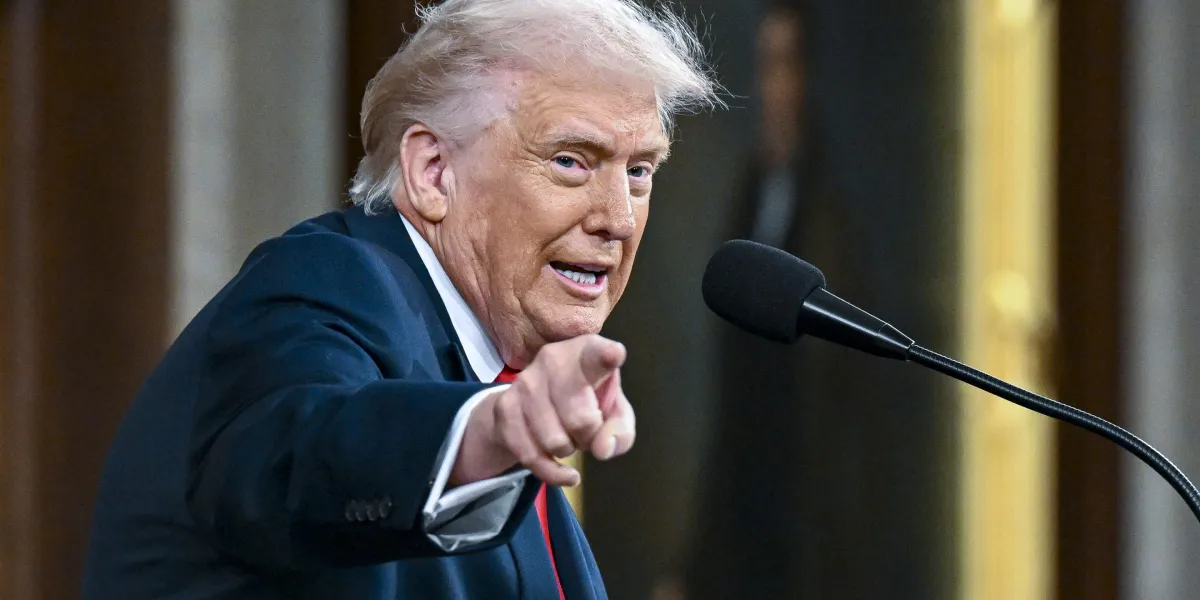
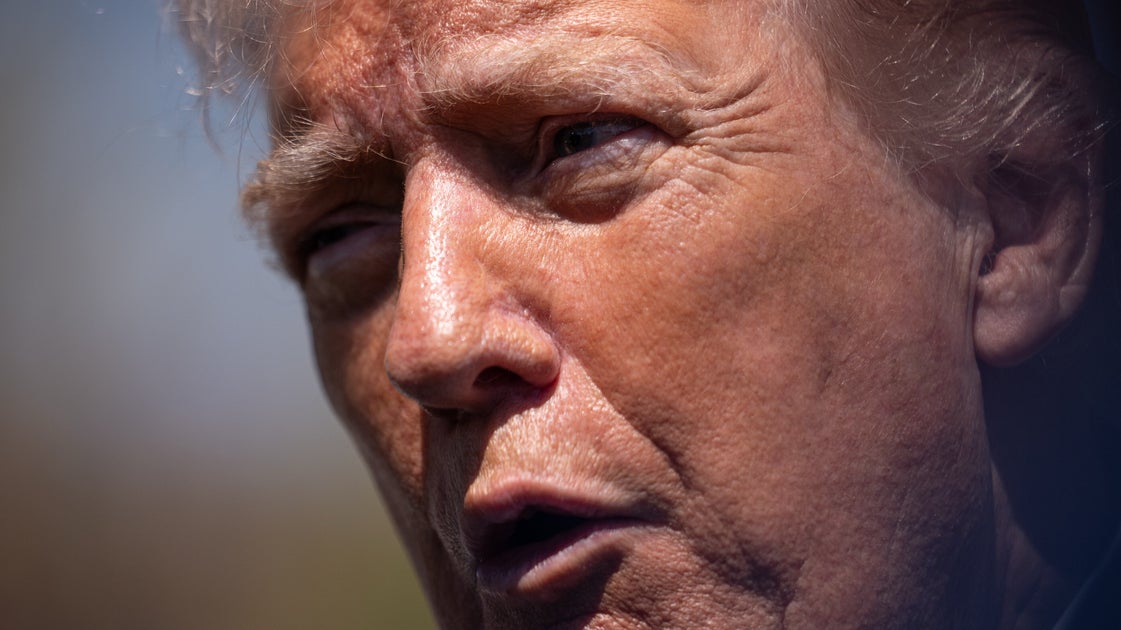
Trump's words must be taken seriously: He is ready to strike deals with any mullah or Chavista on the planet, so long as US companies can lay their hands on the riches of Iran or Venezuela. The same logic applies to the minerals of Greenland, Ukraine or Russia. Business is business and Trump intends to use force to make lucrative deals wherever they may be found. His approach is reminiscent of the European colonial powers of the past.
It is also important not to overestimate the impact of individual personalities. What has happened since early 2025 across the Atlantic has certainly exposed the limits of the US democratic model and the extreme risks associated with the personalization of power. No one anticipated just how easy it would be to govern the country by signing a cascade of executive orders, without any real checks and balances, not in Congress nor in the Supreme Court with no real counterweight, either in Congress or in the Supreme Court (or only very belatedly and very partially, as recently on tariffs).