T
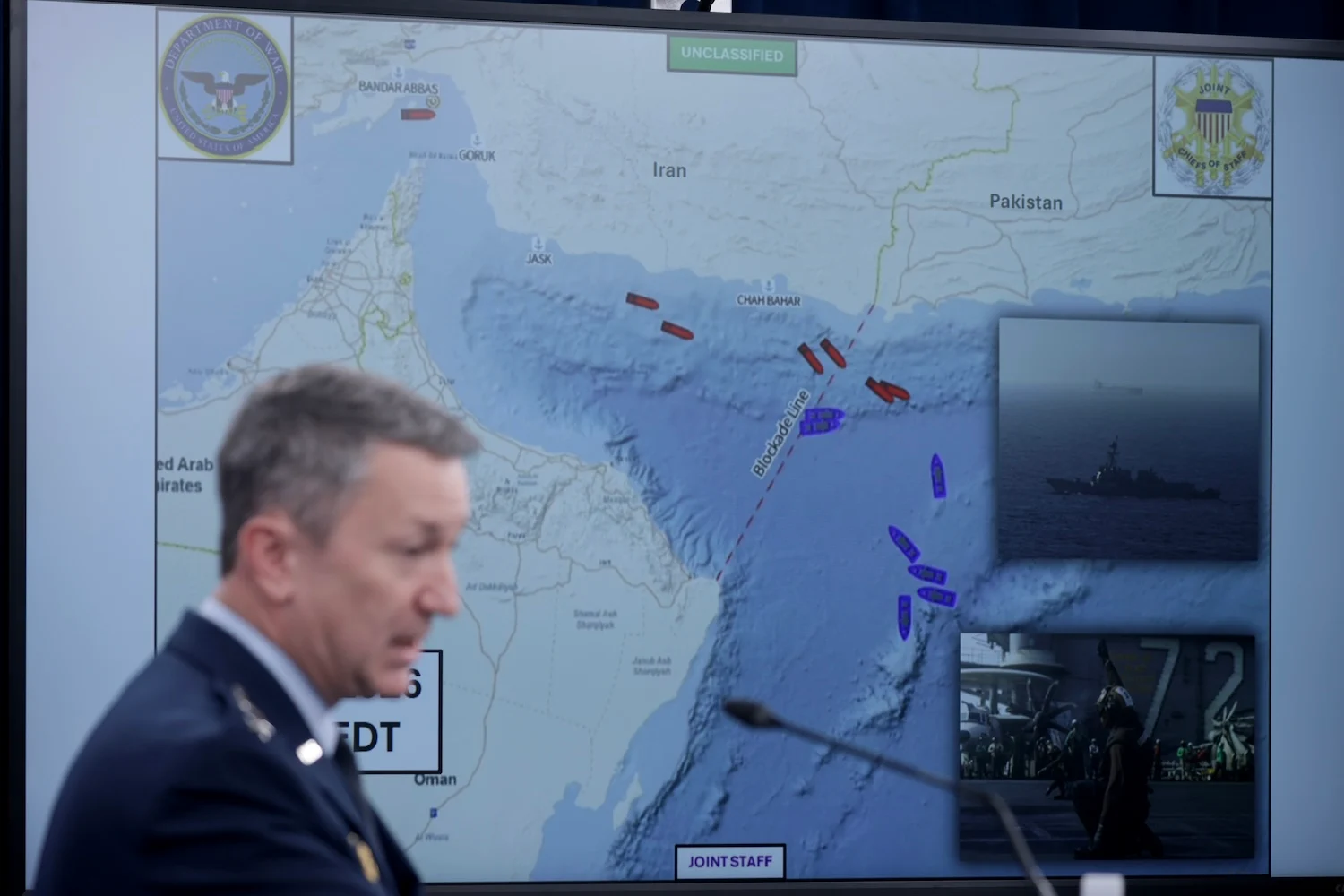
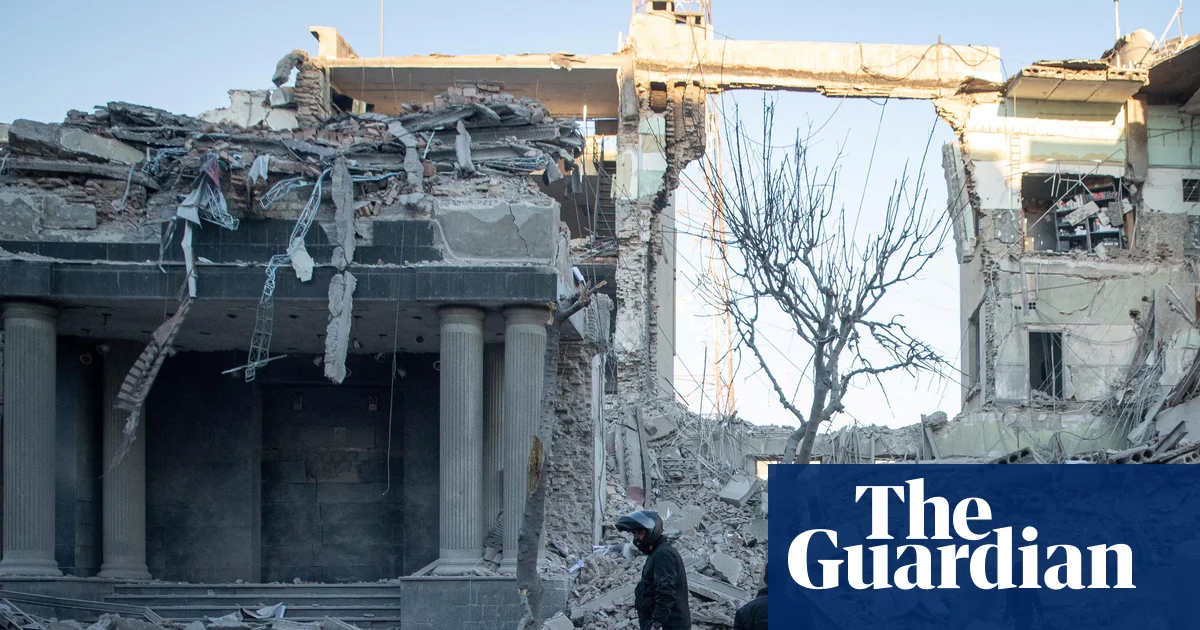
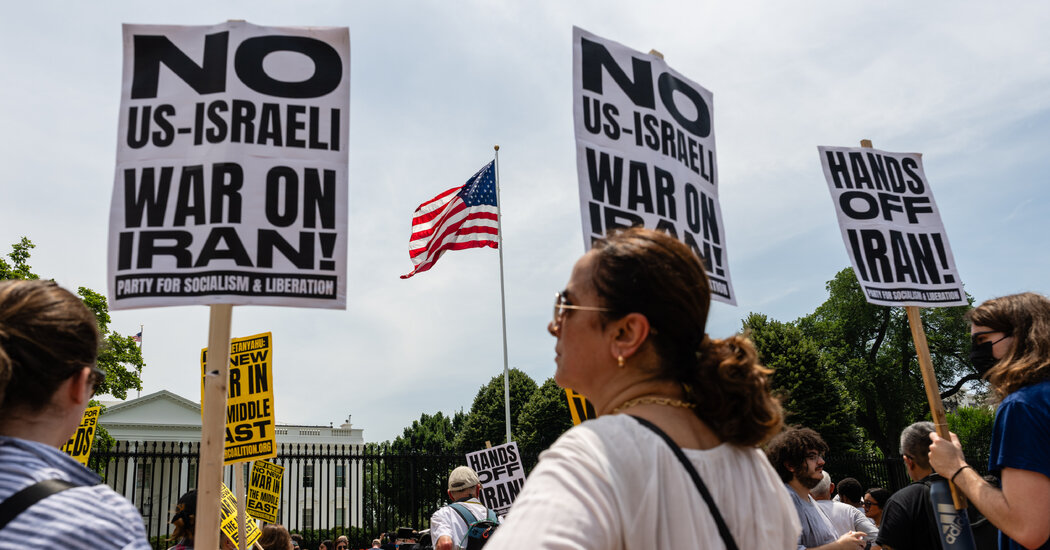
he "war of choice" currently unfolding in Iran – and which could expand beyond – violates a core principle of international law: the promise of "sovereign equality" and "territorial integrity" as enshrined in Article 2 of the United Nations Charter. However, the roots of the crisis lie in the failure of the US Constitution. The significant risks of global conflict escalation cannot be properly understood or addressed without a clear analysis of how and why the American legal framework has failed.
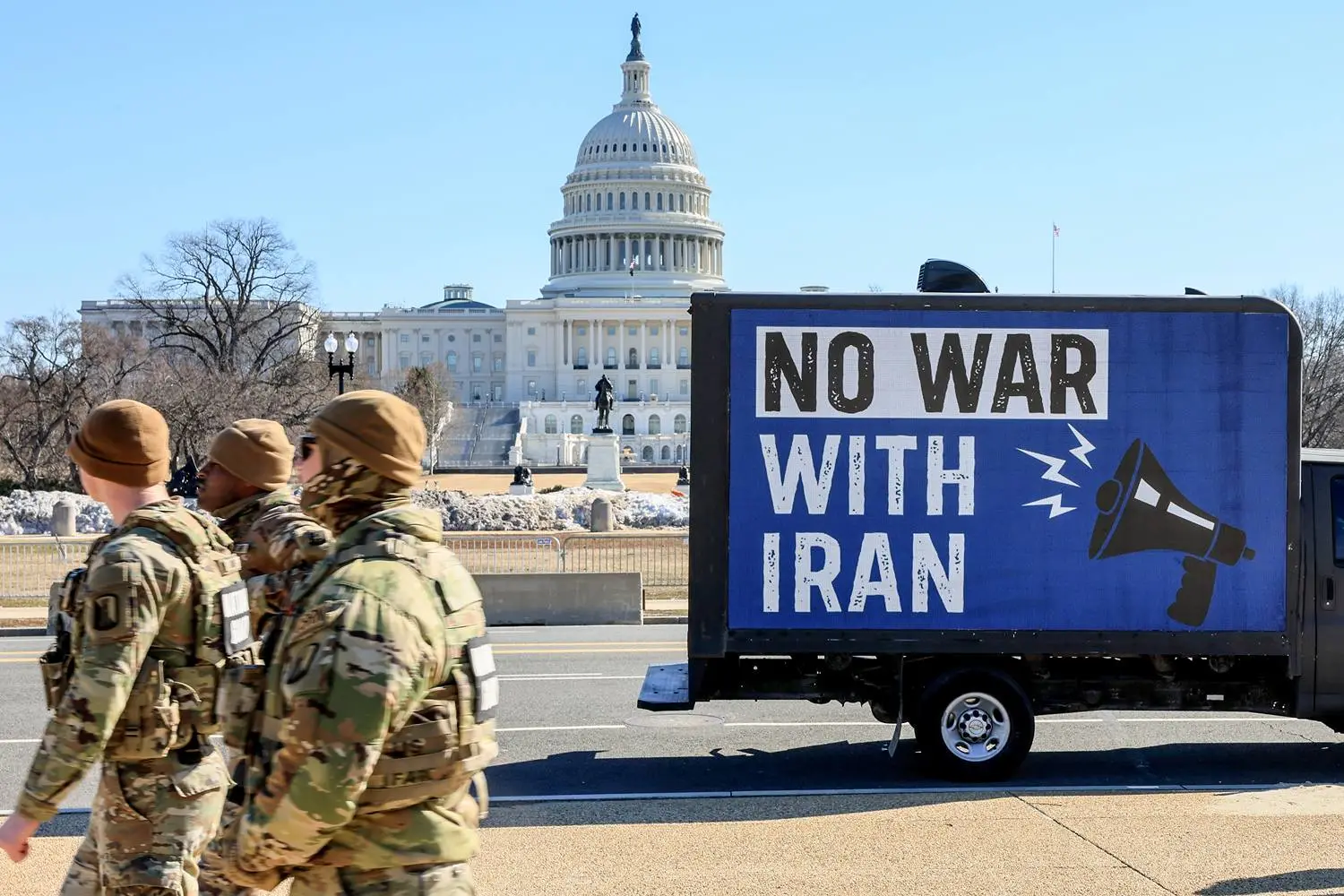
The US Constitution grants Congress – not the president – the power to declare war. Since the 1790s, it has been accepted that this does not prevent the White House from responding to "sudden attacks." To guarantee legislative control over the armed forces, the Constitution also imposes a time limit on military expenditures; fearing the creation of a permanent army, the Founding Fathers set a two-year cap on any funding allocated to the Army or Navy.
No practical means
Yet those constraints have failed to achieve their intended effect. Congress last declared war on June 2, 1942, against Bulgaria, Hungary and Romania; budgetary limits on military capacity remained effective until World War II.