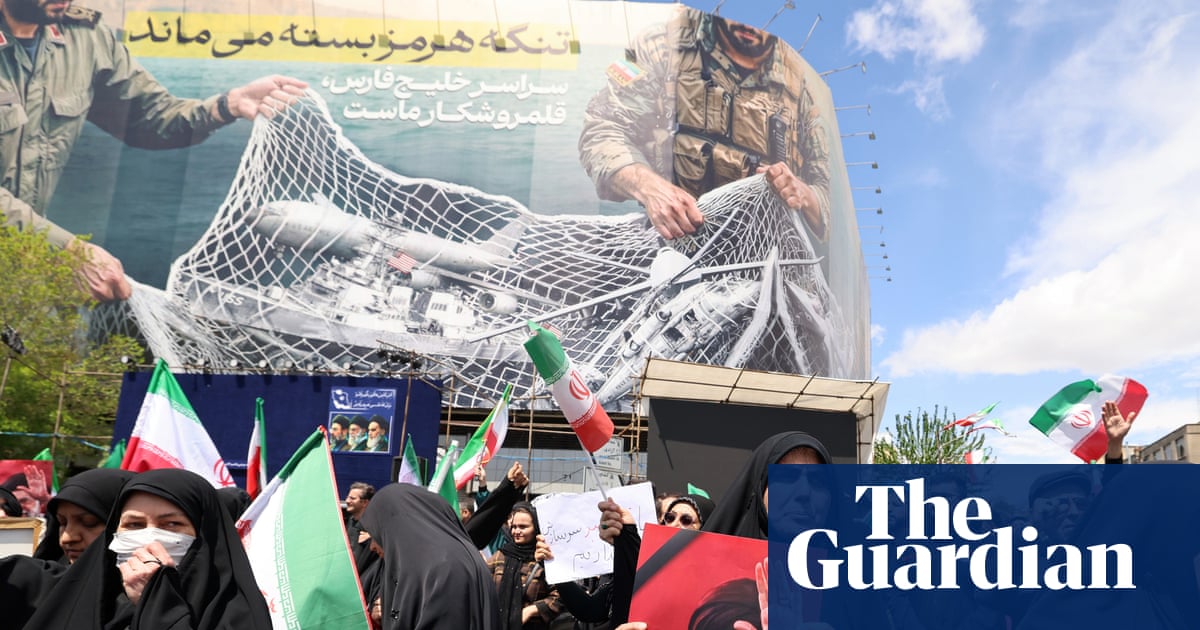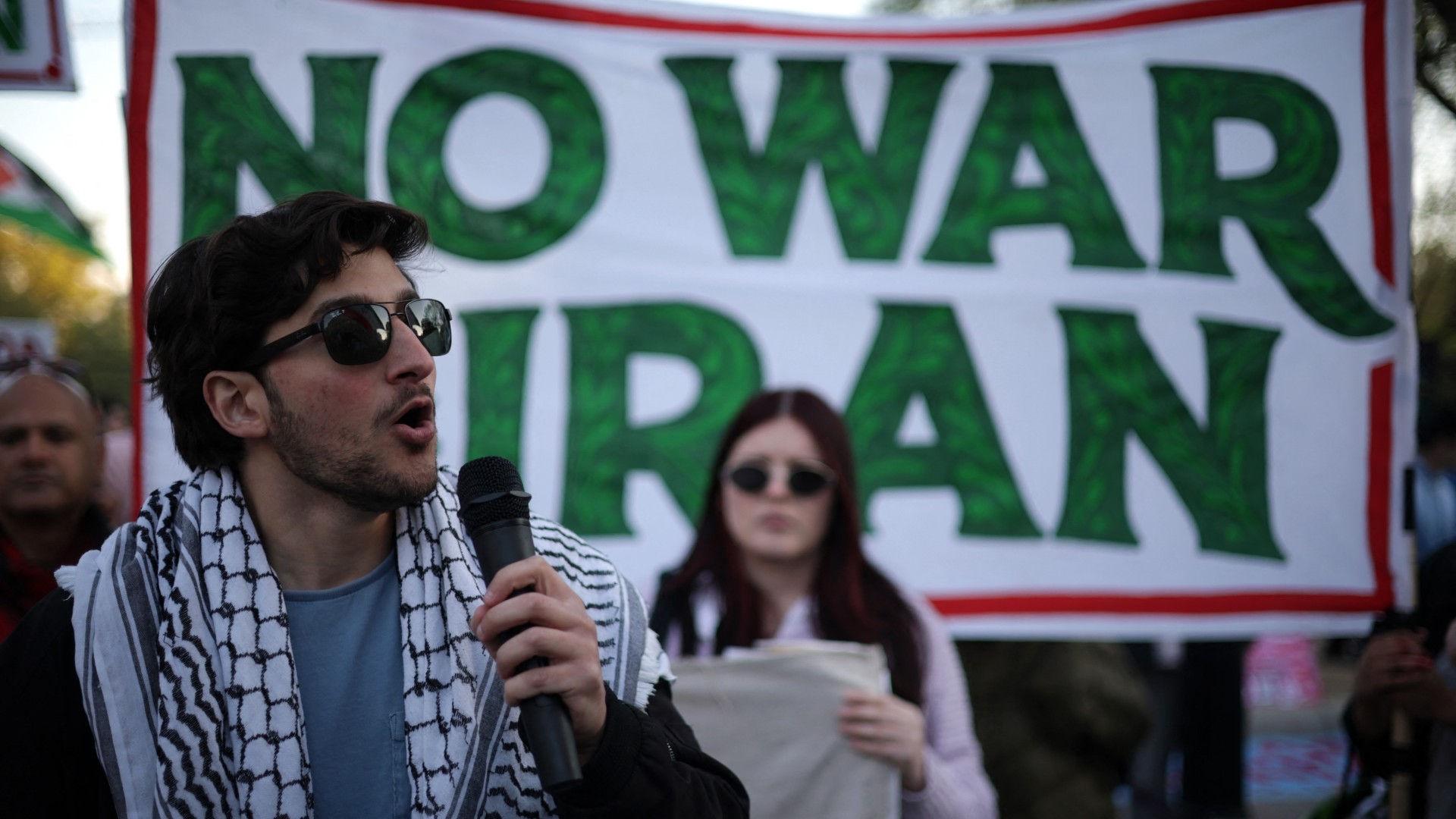
As a fragile ceasefire between the US and Iran holds, thousands in the Iranian-American diaspora are still reeling from the wave of infighting over the war, one that has both painfully and publicly fractured the community.
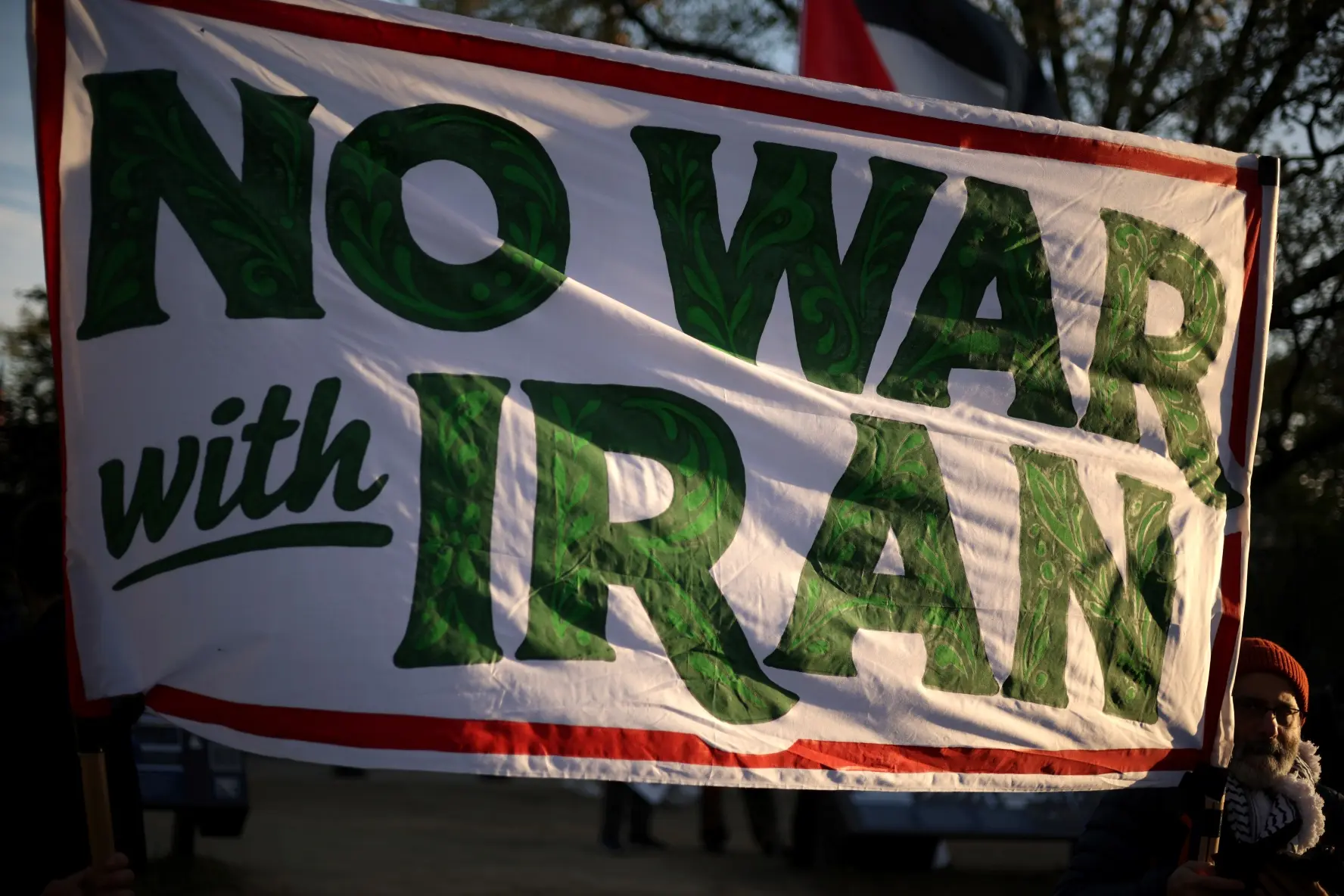
To outsiders, those disagreements look like explosive arguments on social media and duelling protests either celebrating or condemning US-Israeli air strikes on the Islamic Republic.
The most difficult tensions, however, are unfolding far from public view, inside living rooms and across dinner tables, where families grapple over Iran’s future.
Recent polling points to a generational divide within the diaspora in views on the war. A March 2026 survey by the Public Affairs Alliance of Iranian Americans found that individuals aged 18 to 34 are less likely to support US-Israeli strikes or US backing of opposition figures seeking political change in Iran.
Younger Iranian Americans are also more inclined towards diplomatic engagement, including easing sanctions rather than pursuing regime change, and express greater concern about civilian casualties in Iran.