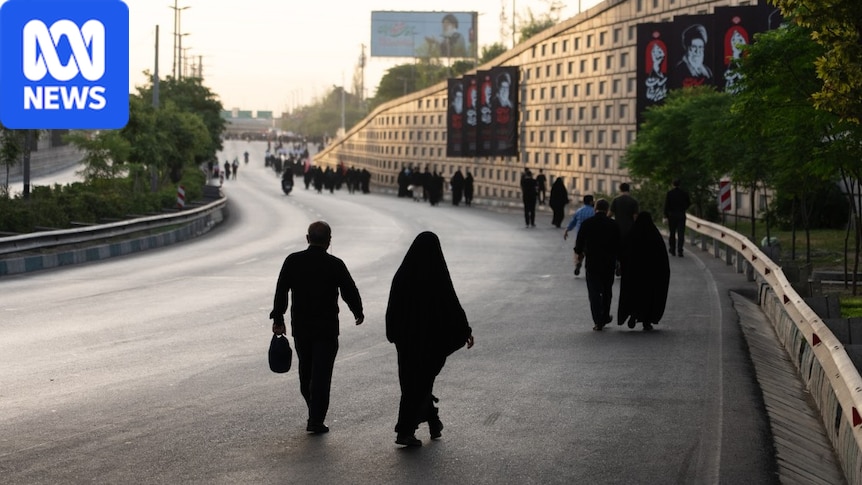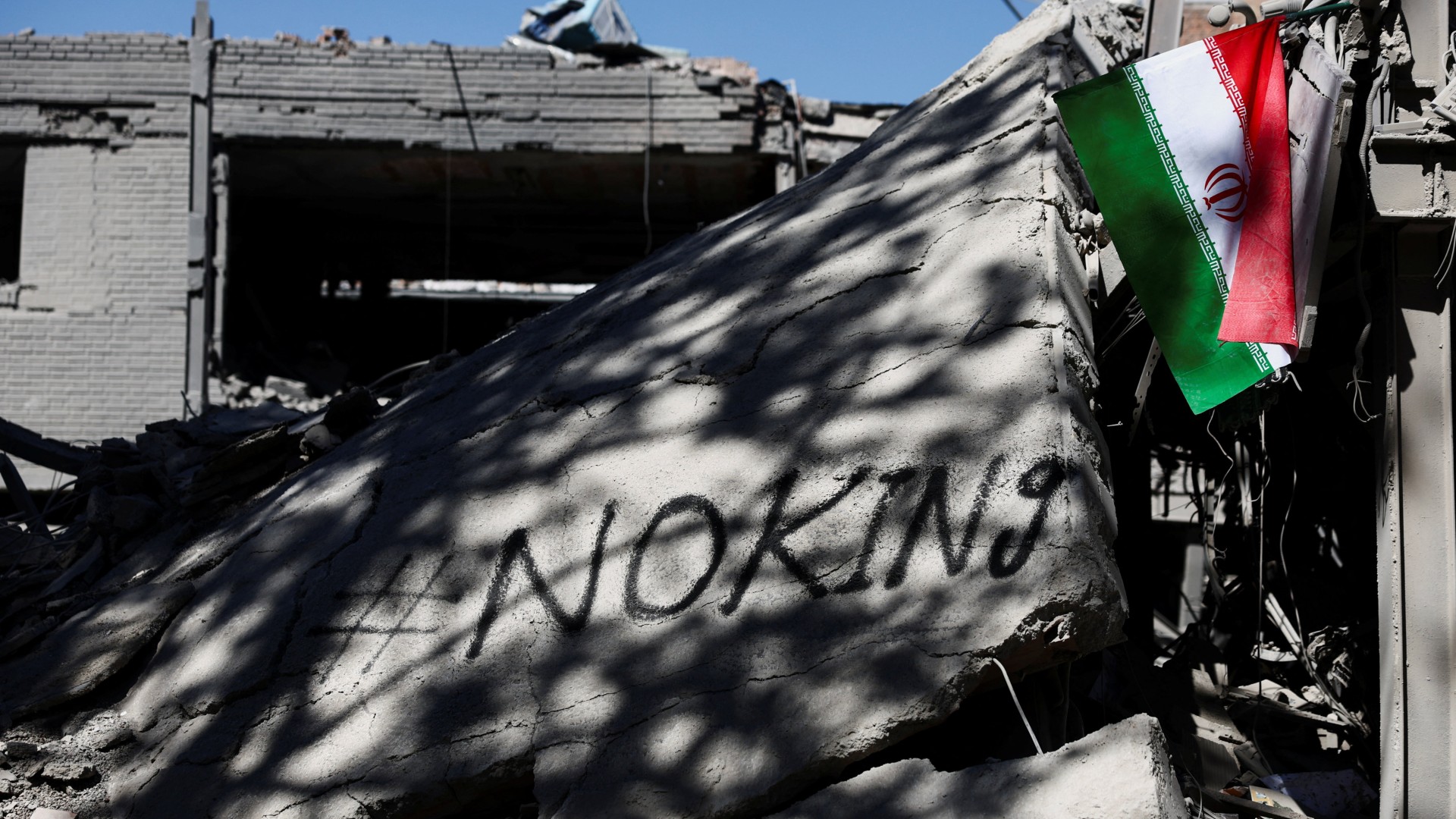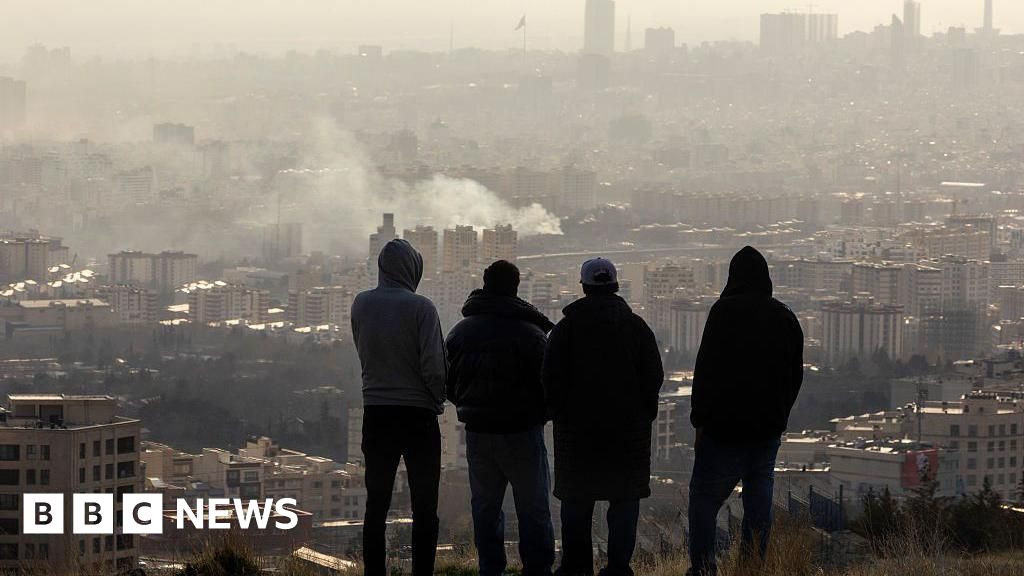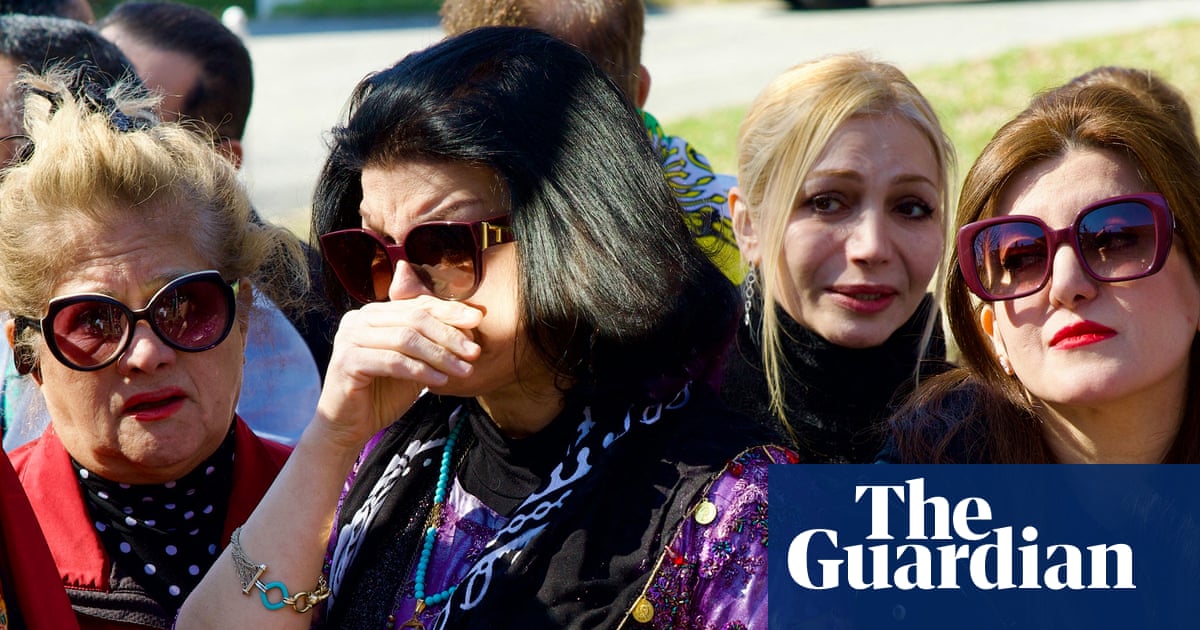
In Tehran, the Guardian spoke to people about how war is transforming their feelings toward the regime and their country’s future
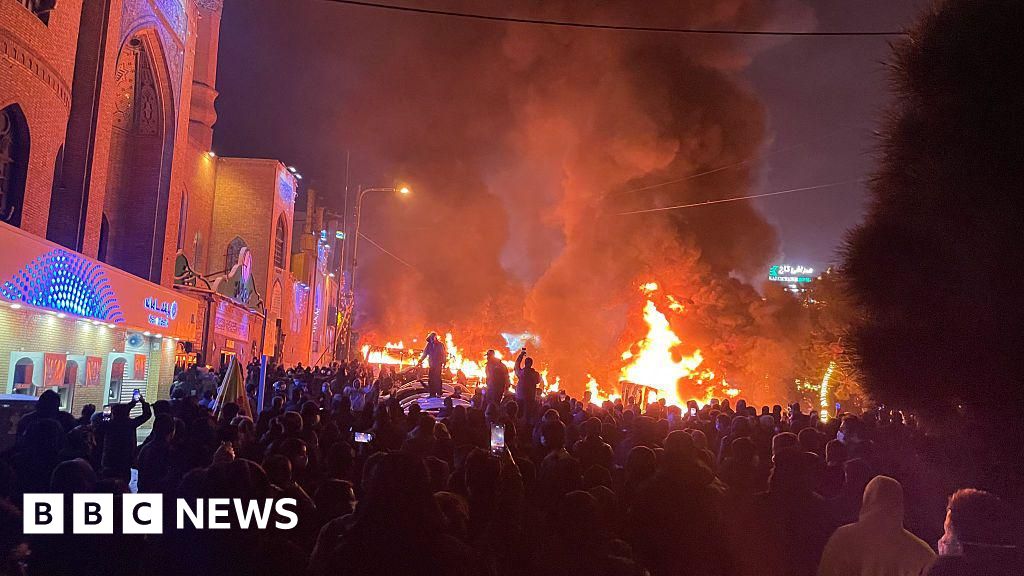
Behzad has a master’s degree in the humanities and lives with his partner in a rented flat in central Tehran. He says he didn’t take part in January’s anti-government protests, but only because the call had come from Pahlavi [the exiled son of Iran’s former monarch] and he didn’t want their protest appropriated in his name. He says he knew people shot and killed by the regime.
He is now, against his will, a conscript. In Iran, compulsory military service strips men of basic rights until it is completed: they cannot work formally and nor can they leave the country. He had hoped to serve in an administrative post, but since the start of the war, he says he has been pushed into guard duty, patrols and sentry work at military sites, where he has faced bombardment.
What haunts him most is not only fear of dying, he says, but the absurdity of the position he has been forced into. “I feel no attachment whatsoever to this system. Not only do I have no interest in it – I actually hate it. You just have to stand in some corner and wait for something to come out of the sky at any moment and hit you, and you drop dead as if you had never existed. It’s such an absurd death. You die in a way that makes it feel as though you were never here in the first place.