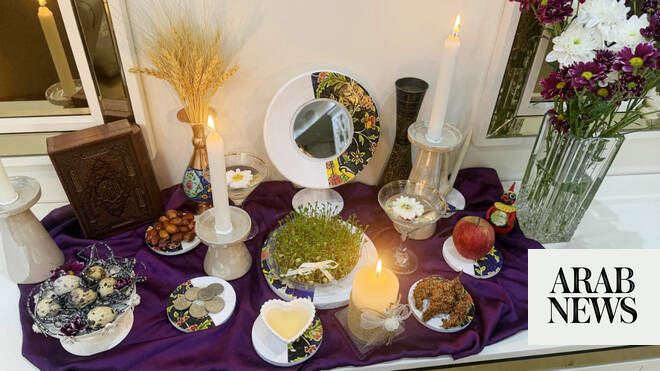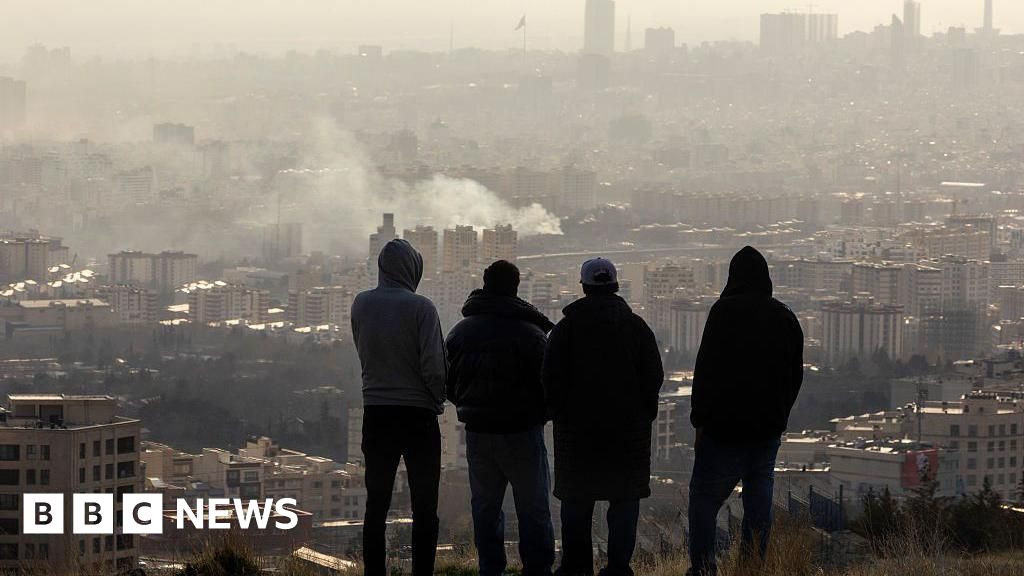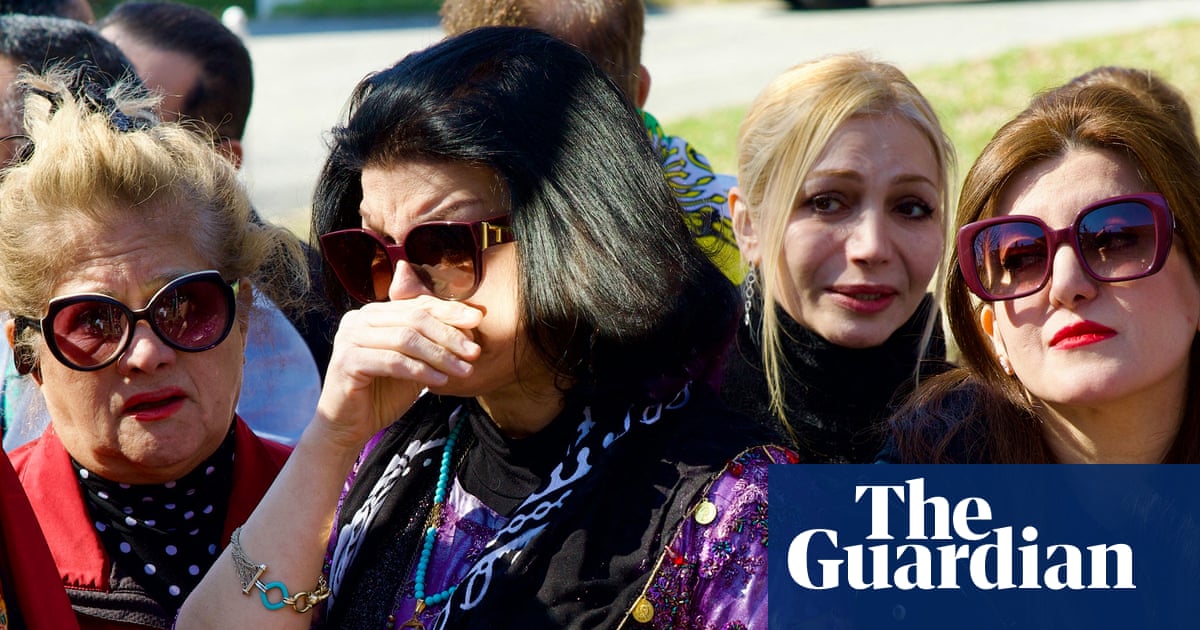
Little joy could be found among Iranians in the diaspora as Friday rang in Persian new year and the war on their homeland reached the three-week mark
When Israeli and American missiles first started falling on Tehran, and as news of the death of Iran’s supreme leader, Ayatollah Ali Khamenei, leaked out, Nasser, a sixtysomething Iranian American dad from Boston who regularly travels to Iran, briefly experienced something akin to optimism. He “felt a flash of hope”, he told me, “or maybe vengeance, when Khamenei and his circle were hit”.
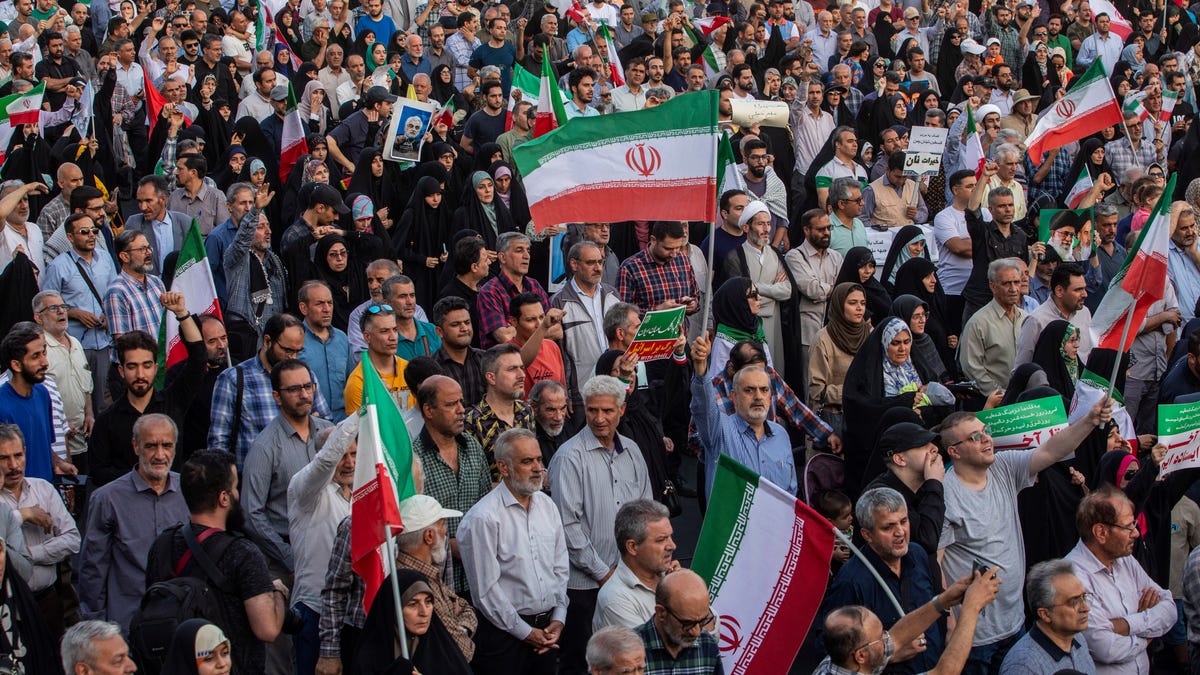
It was a common sentiment among the millions of Iranians in the North American diaspora who have, for multiple reasons, come to reject the rule of the velayat-e-faqih, or the “guardianship of the Islamic jurist”, the Islamic Republic’s governing doctrine. Many Iranians inside and outside the country had just recently held Khamenei directly responsible for the horrific bloodshed during the mass protests in January. If the top leadership of the Islamic republic was decapitated, perhaps, many believed, Iran could forge a different future.
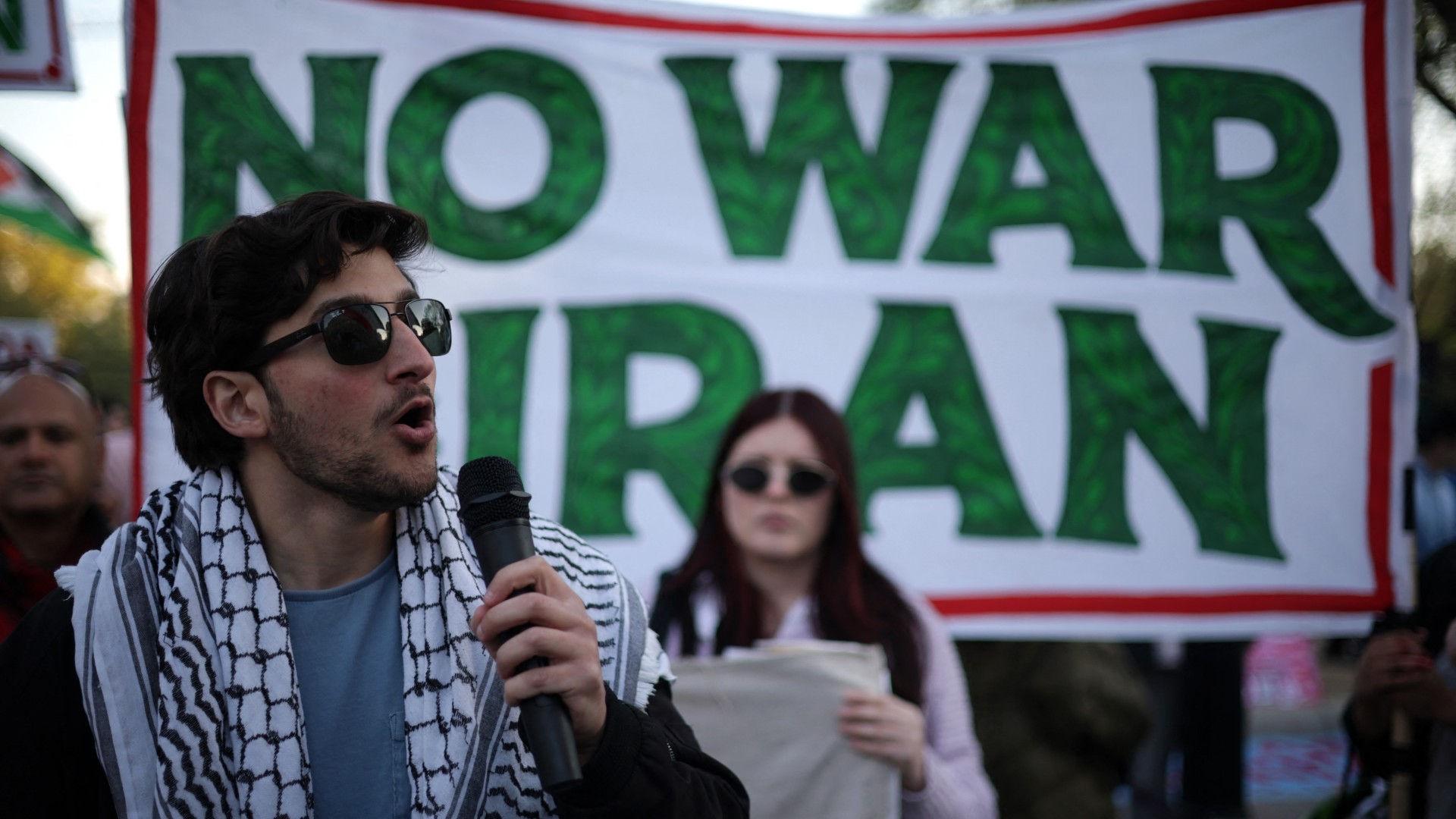
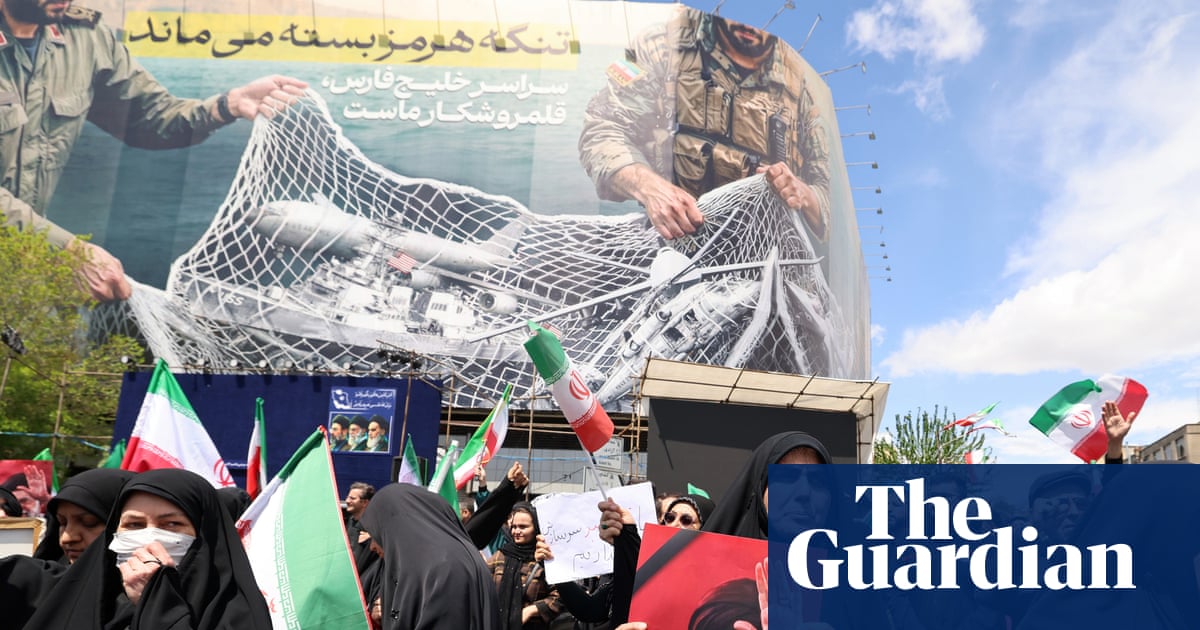
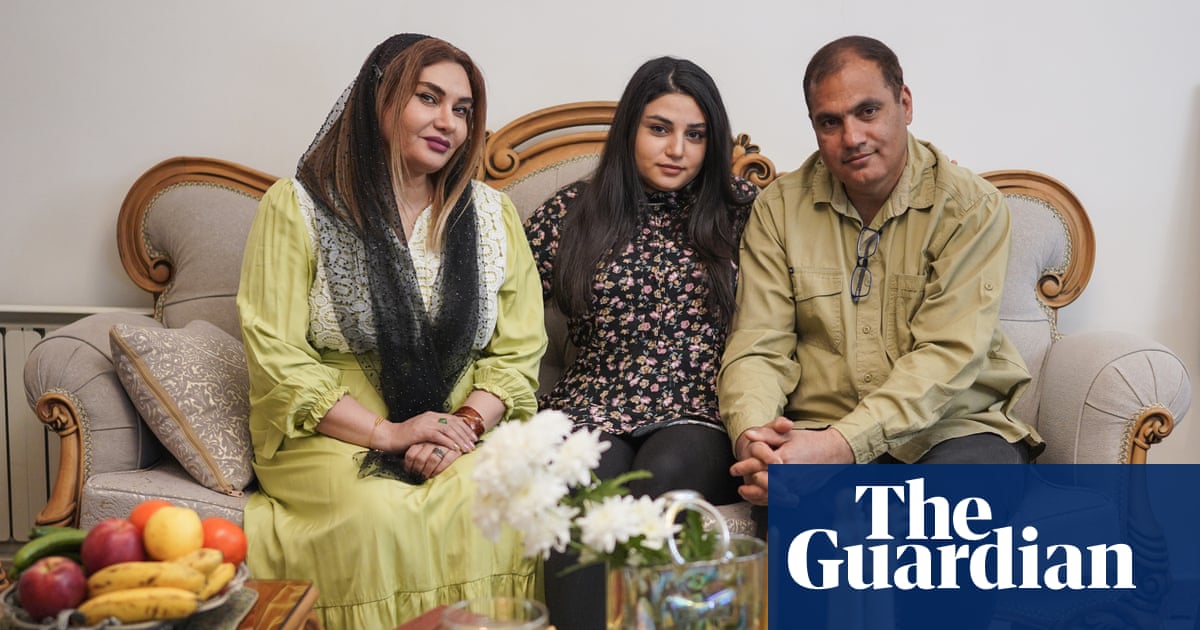
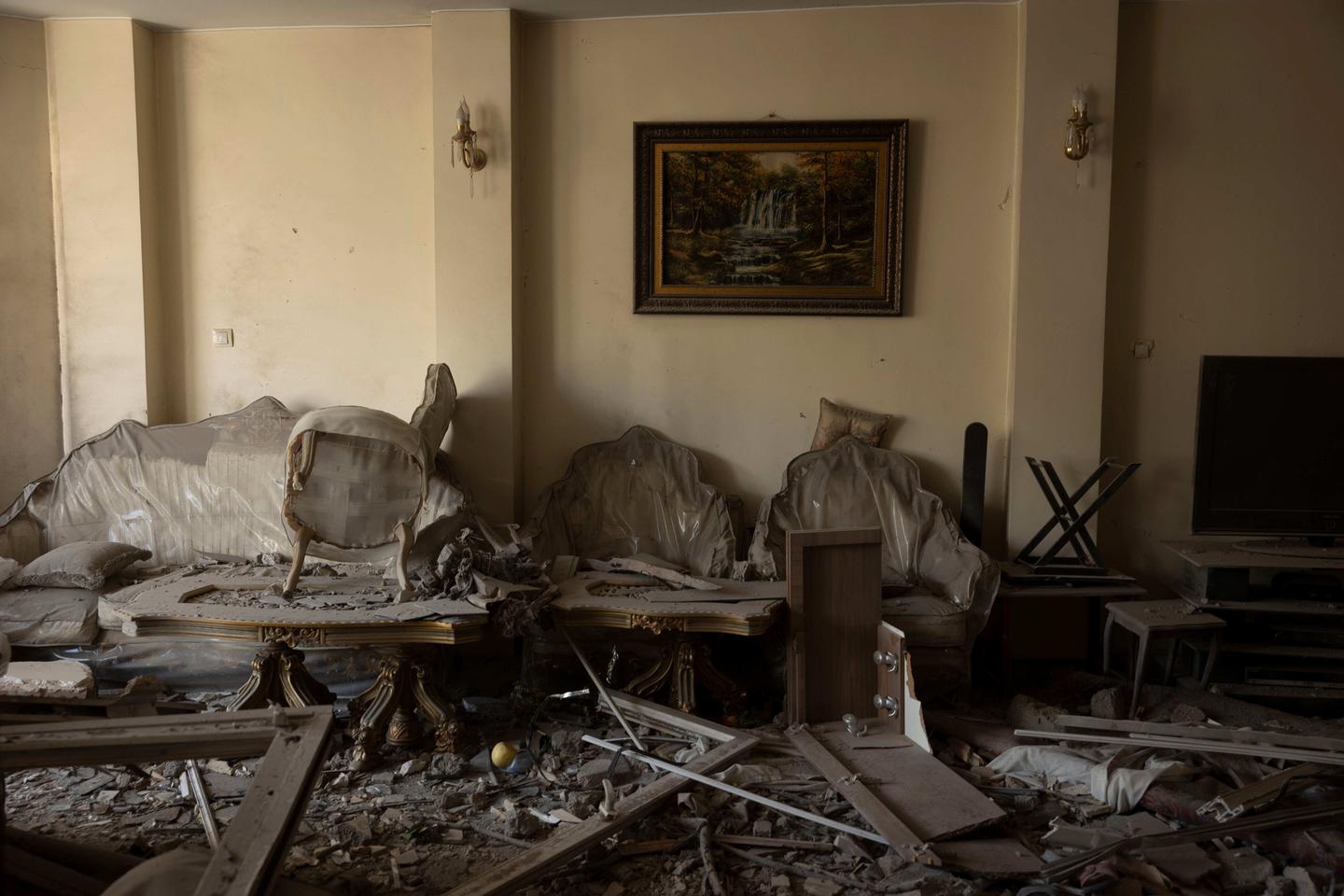
But now, after three weeks of all-out war on his homeland and with thousands of dead Iranians, damage to cultural heritage sites, and seeming randomness of missile attacks in cities, that hope has disappeared. “Now,” he tells me, “I feel sick about it.” (The Guardian is using pseudonyms for the people quoted in this story, who asked for anonymity because of possible retribution against family inside Iran.)