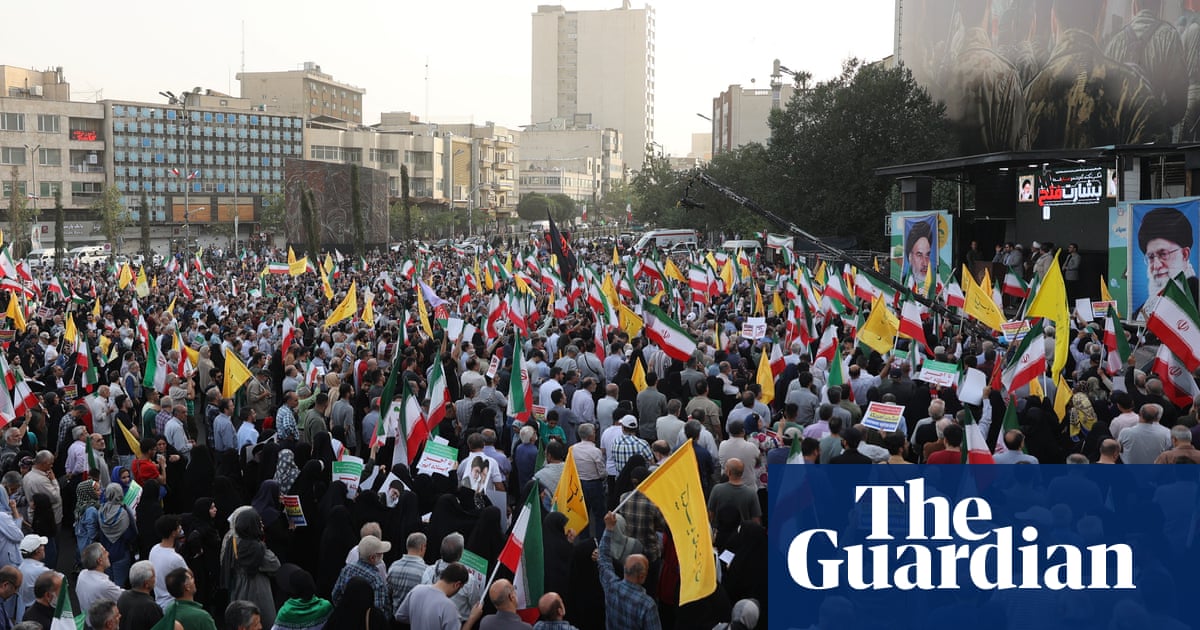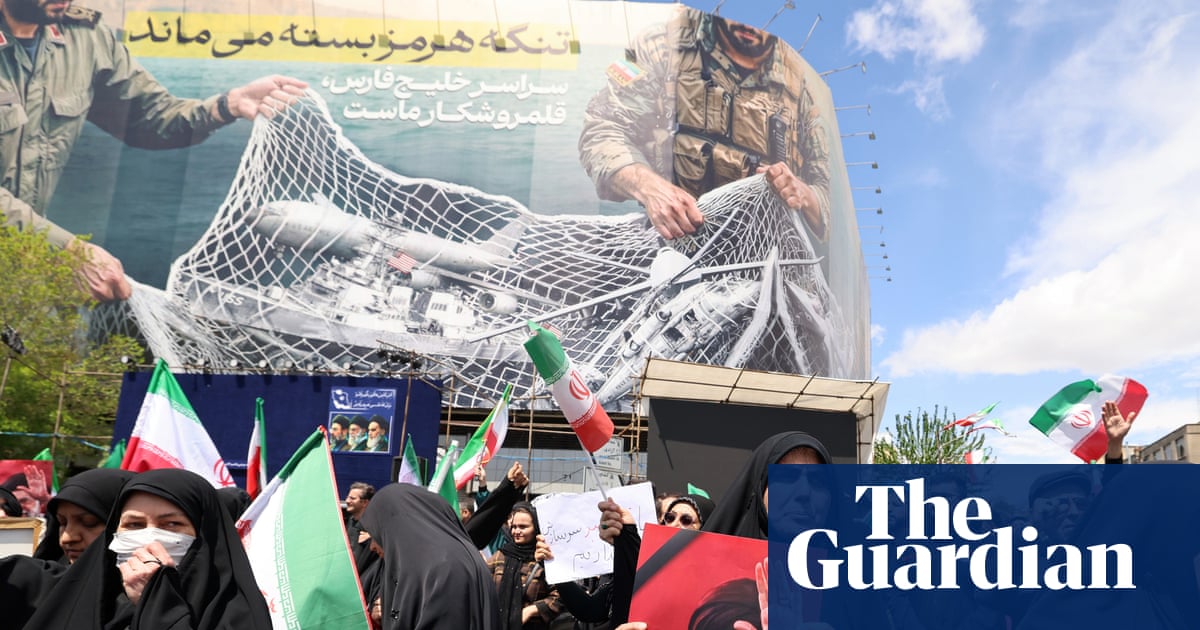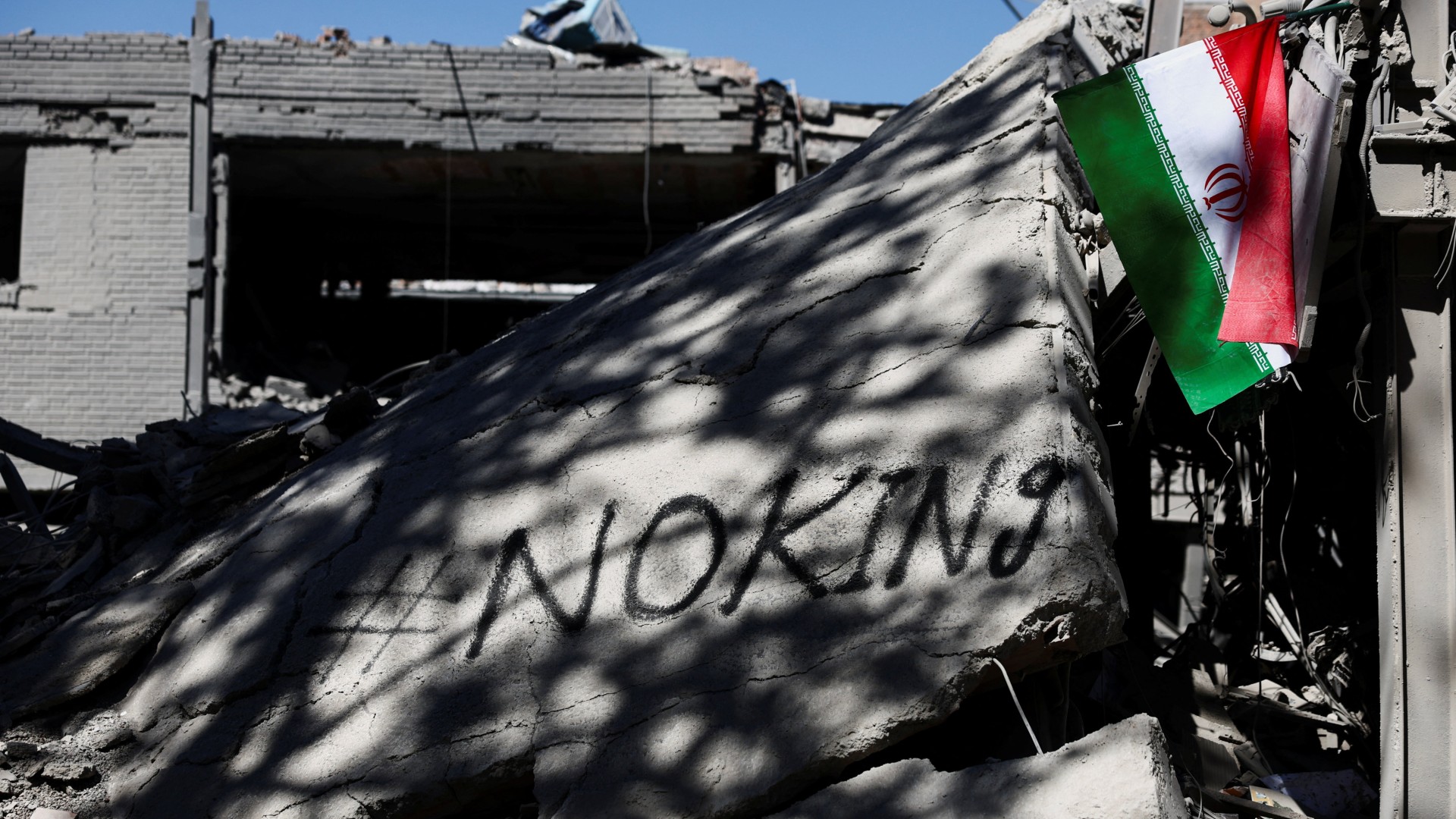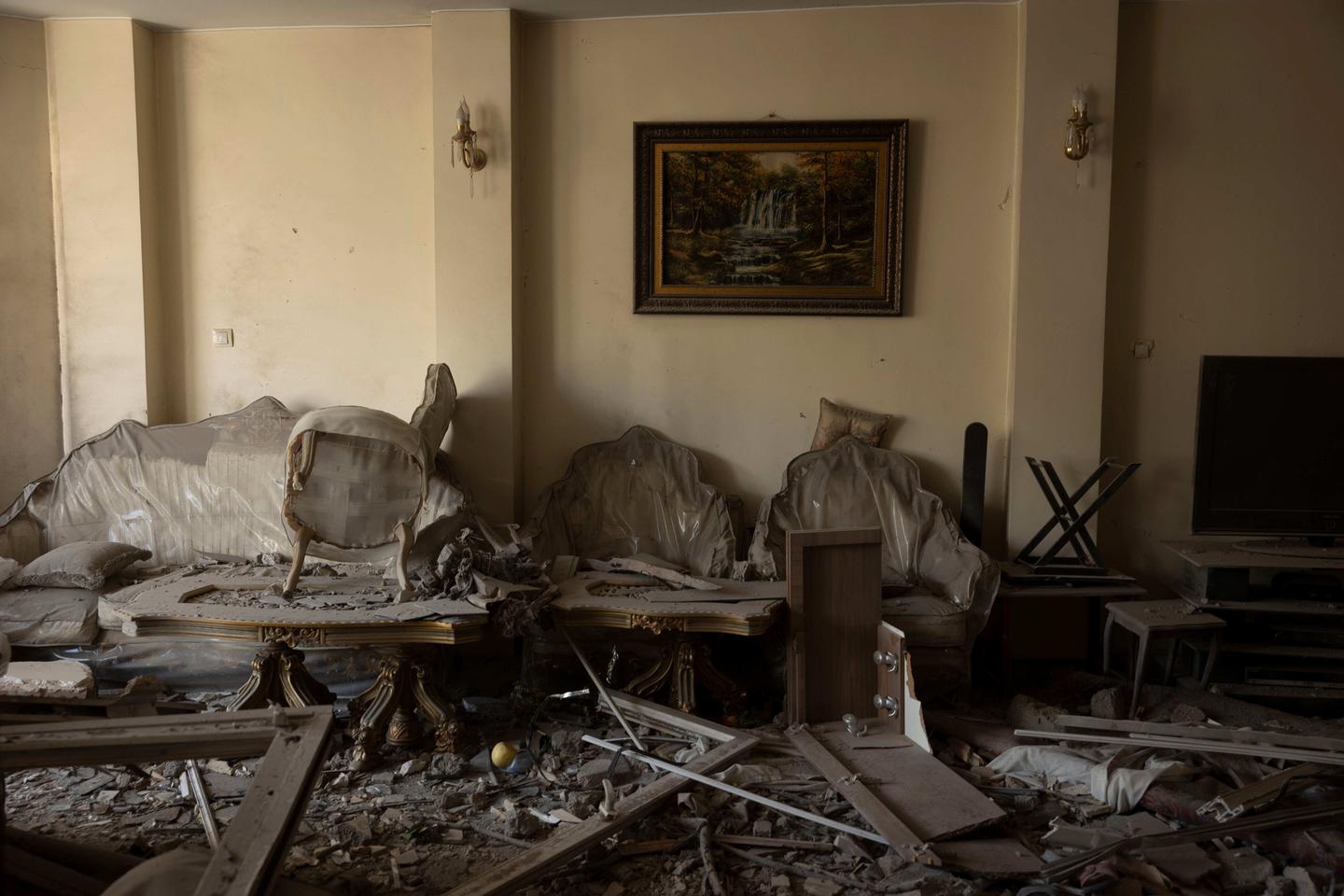
The inside of a house destroyed by bombings, in Tehran, April 7, 2026. MARYAM RAHMANIAN/SHUTTERSTOCK/SIPA
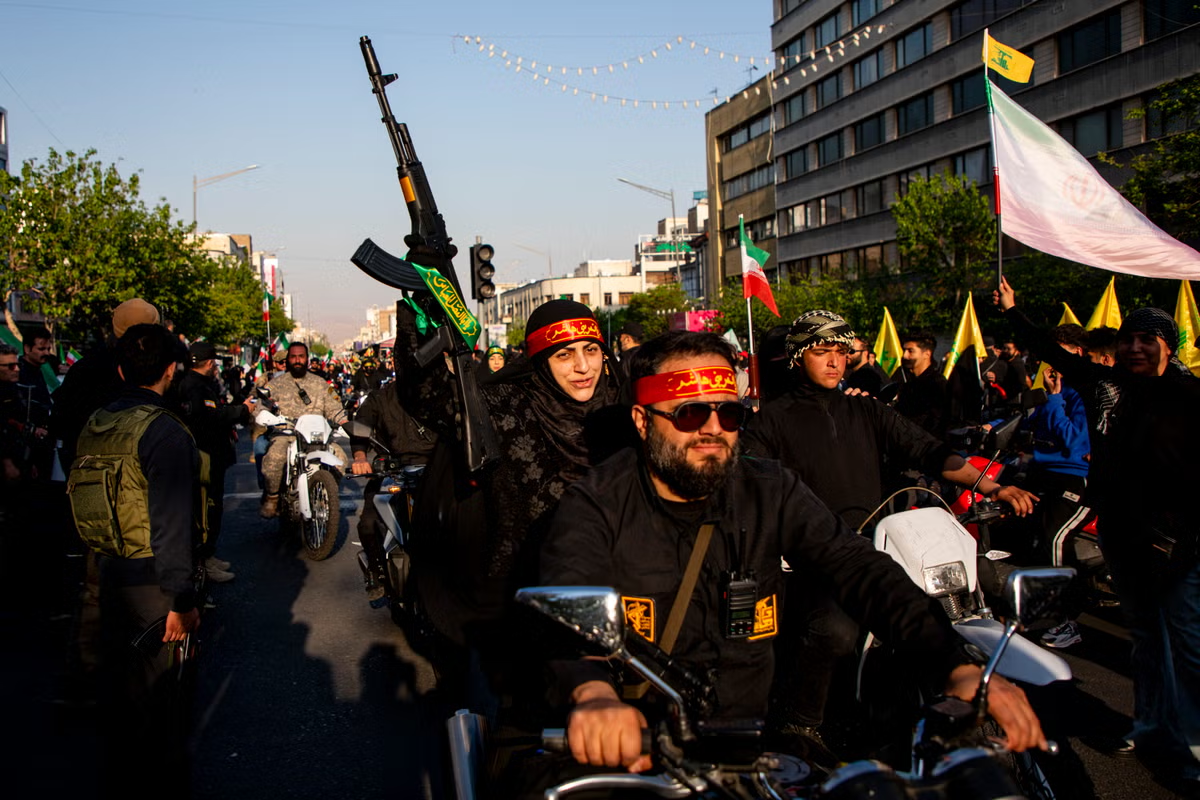
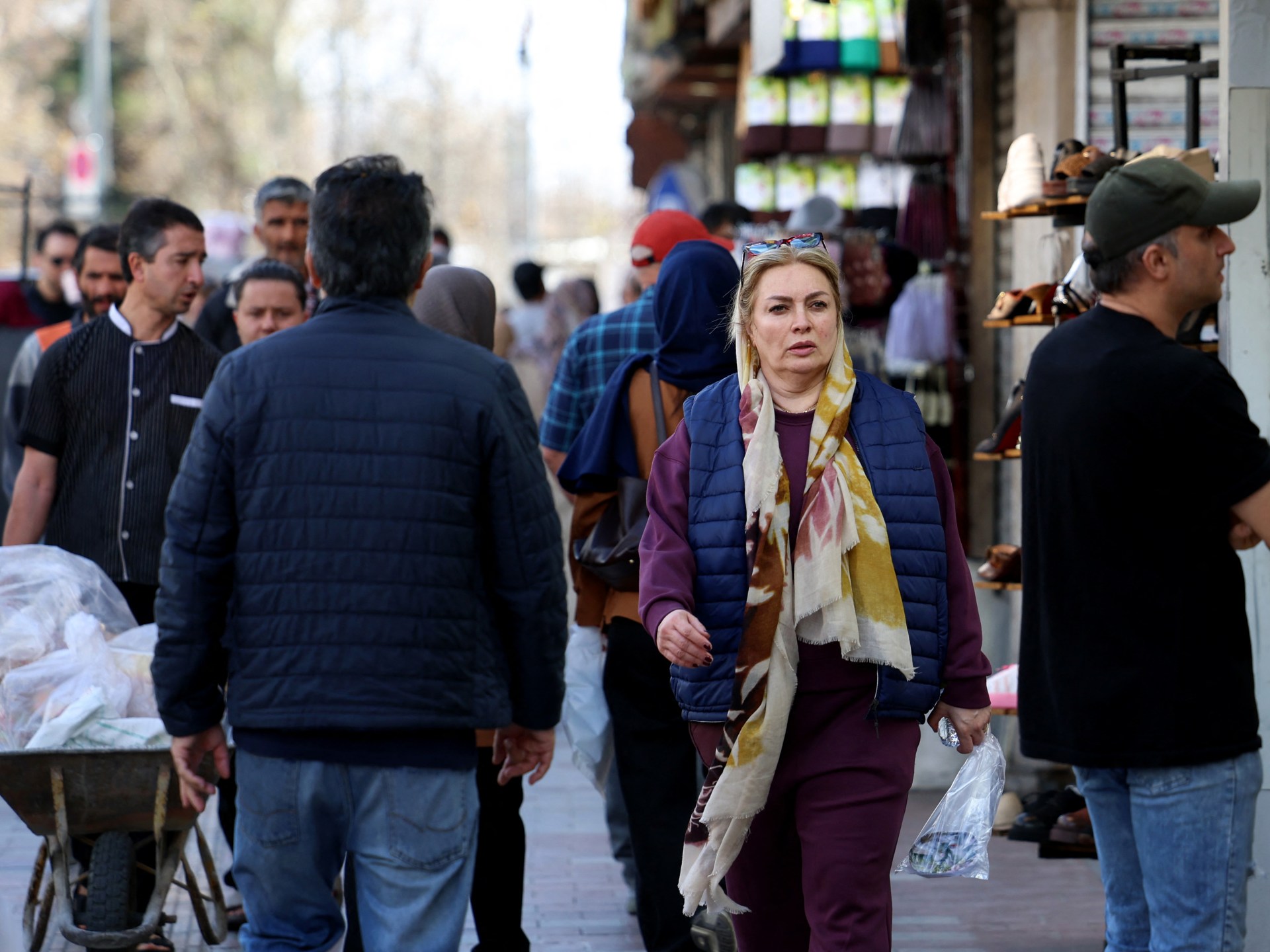
Relief, bitterness, the sense that this is just a brief respite before fighting resumes, feelings of betrayal or, on the contrary, of victory: Since Donald Trump announced a two-week ceasefire, overnight Tuesday, April 7, after 40 days of intense strikes on both military targets and civilian infrastructure, Iranians have been swept by sometimes contradictory emotions.
"I am happy and a little relieved, because honestly I never imagined we could get out of this war," said Shadab (a pseudonym to protect her identity), an interior designer in her forties, speaking from Tehran via WhatsApp. While the Iranian regime has restricted internet access since the start of the Israeli-American attacks on Iran on February 28, this mother of a young son – like a tiny minority of Iranians – is still able to get online using VPNs purchased at exorbitant prices. "My greatest joy is mainly that, for now, I no longer have to leave the country," continued Shadab, who has no sympathy for the Iranian regime, and had been seriously considering fleeing with her son if Trump followed through on his threat to strike the country's power plants.