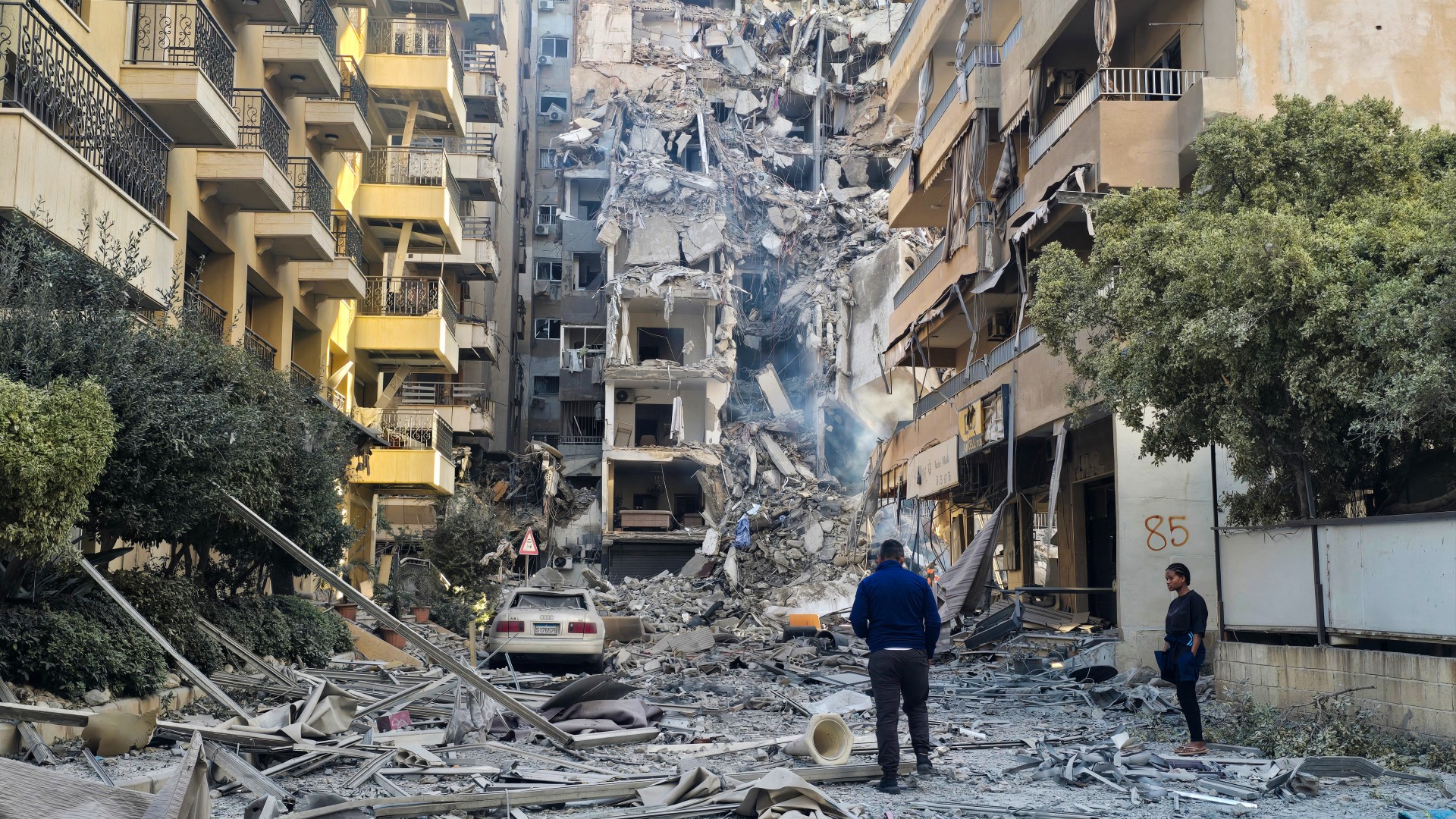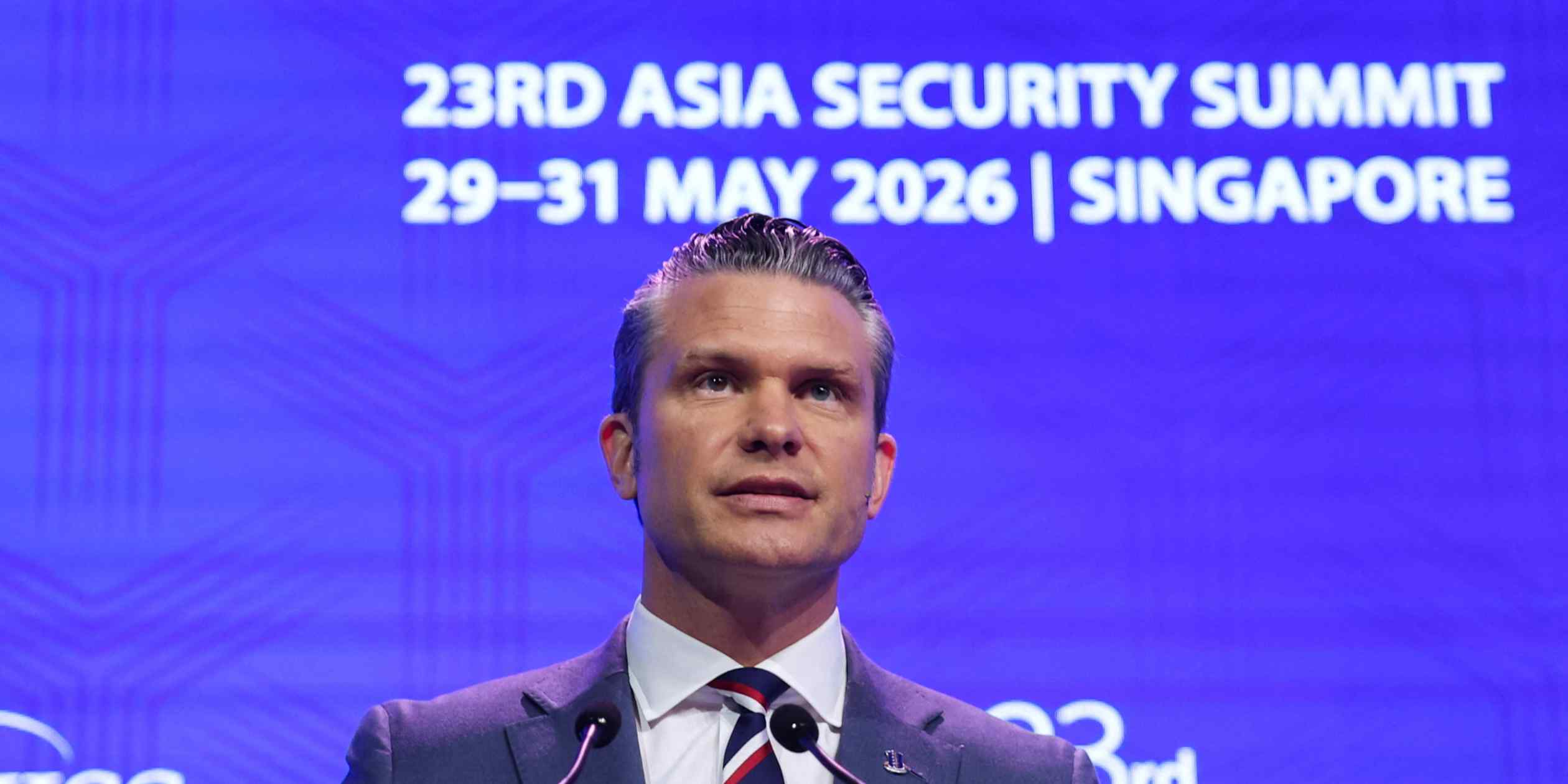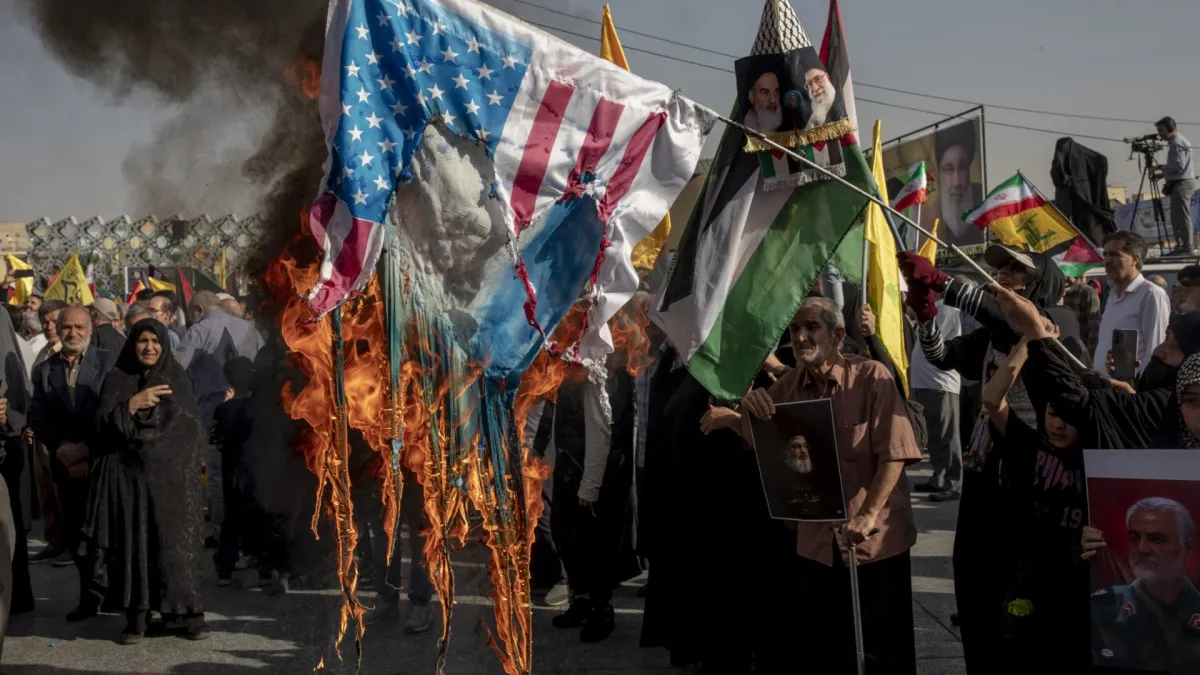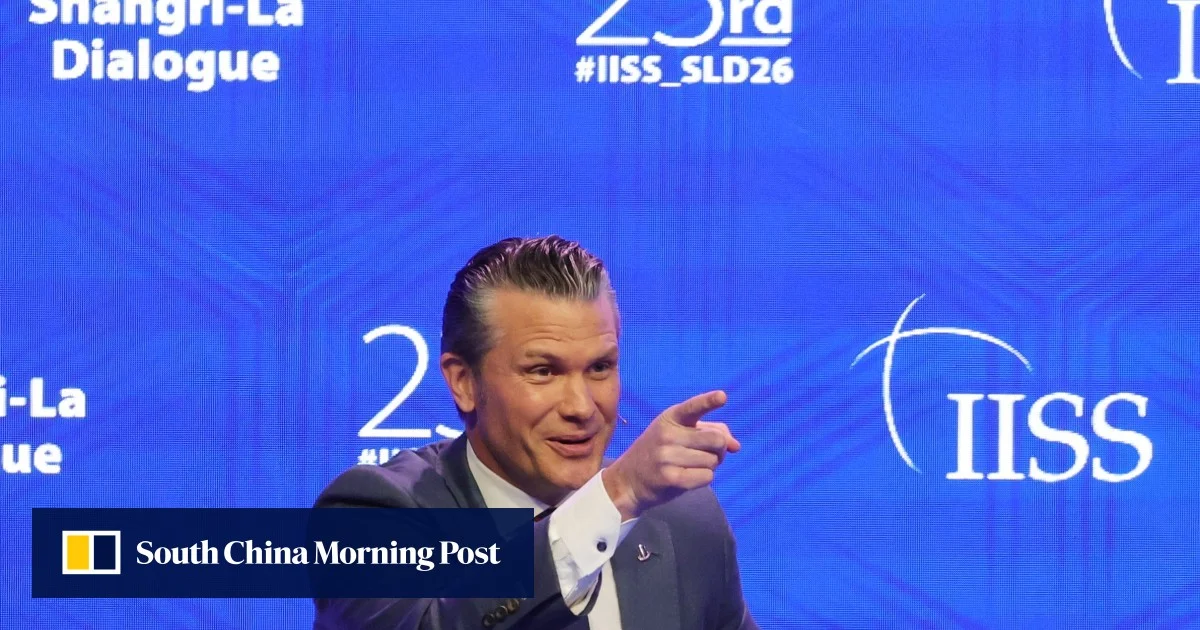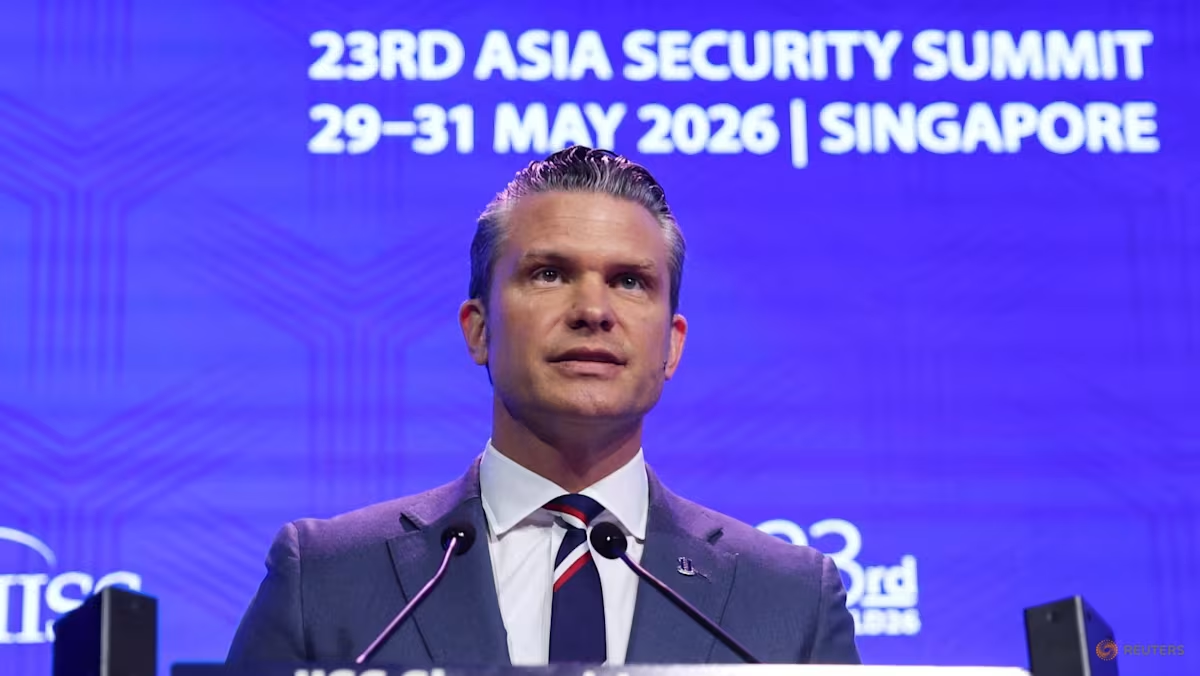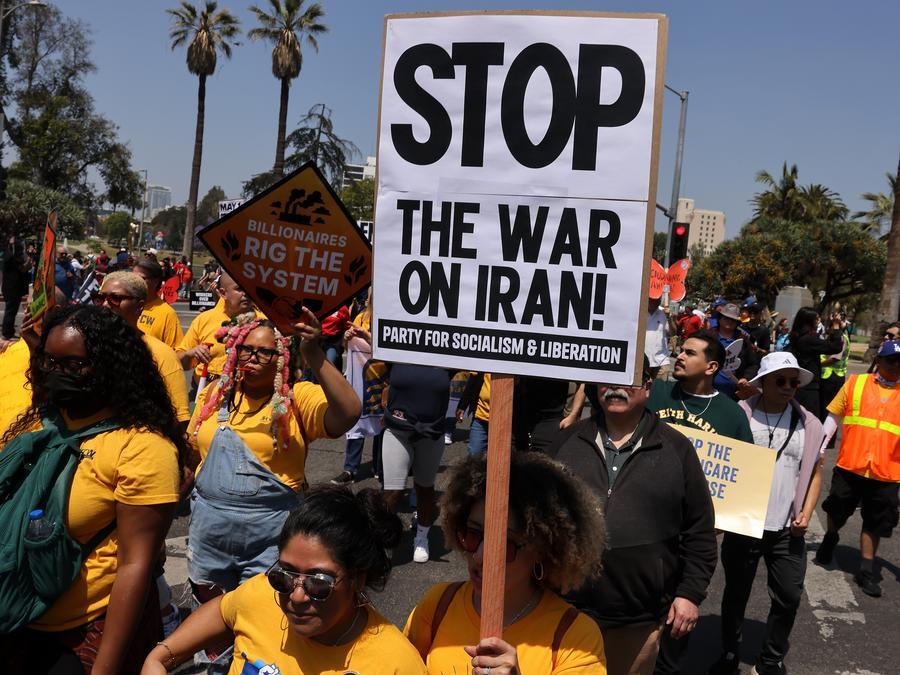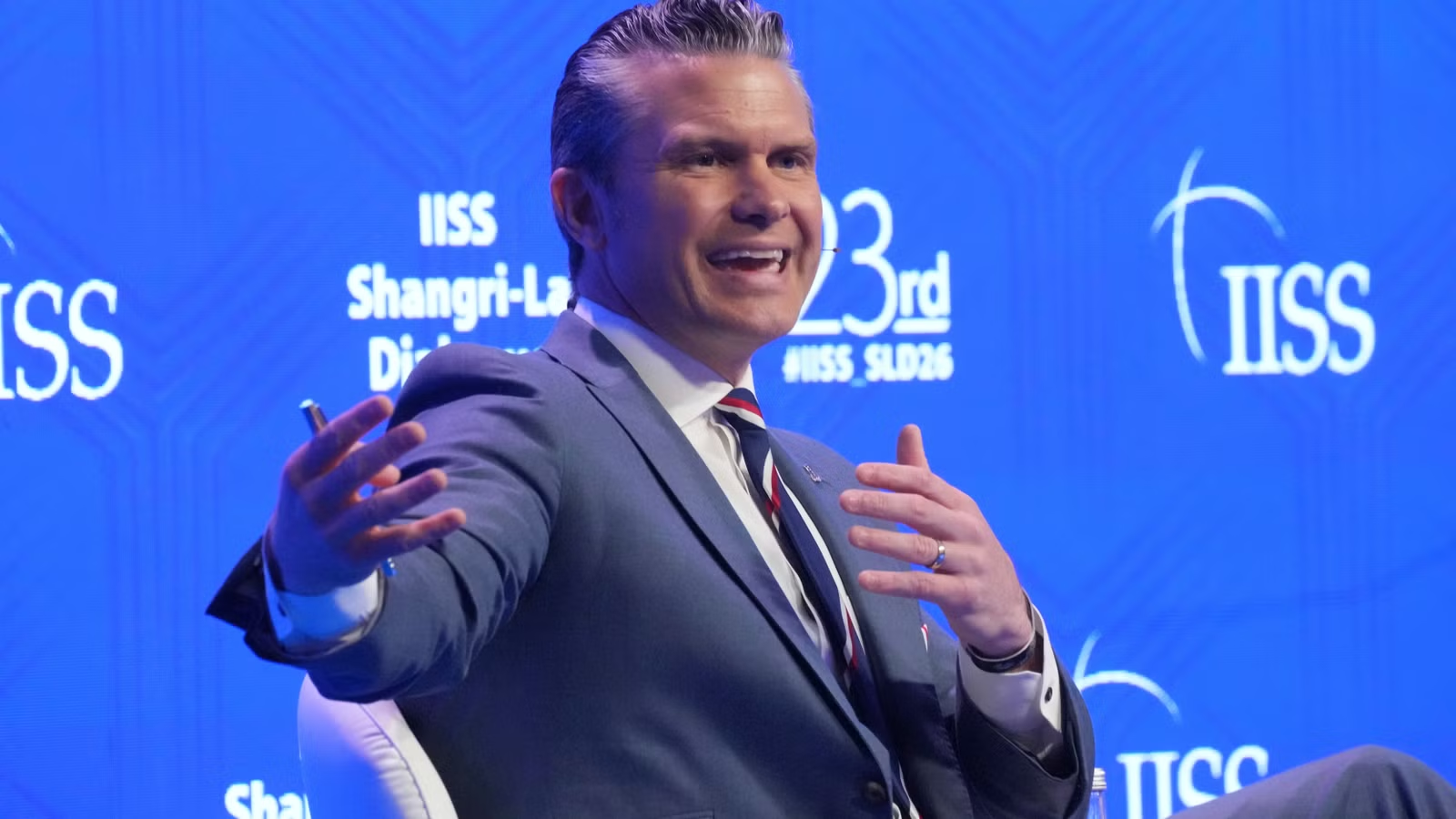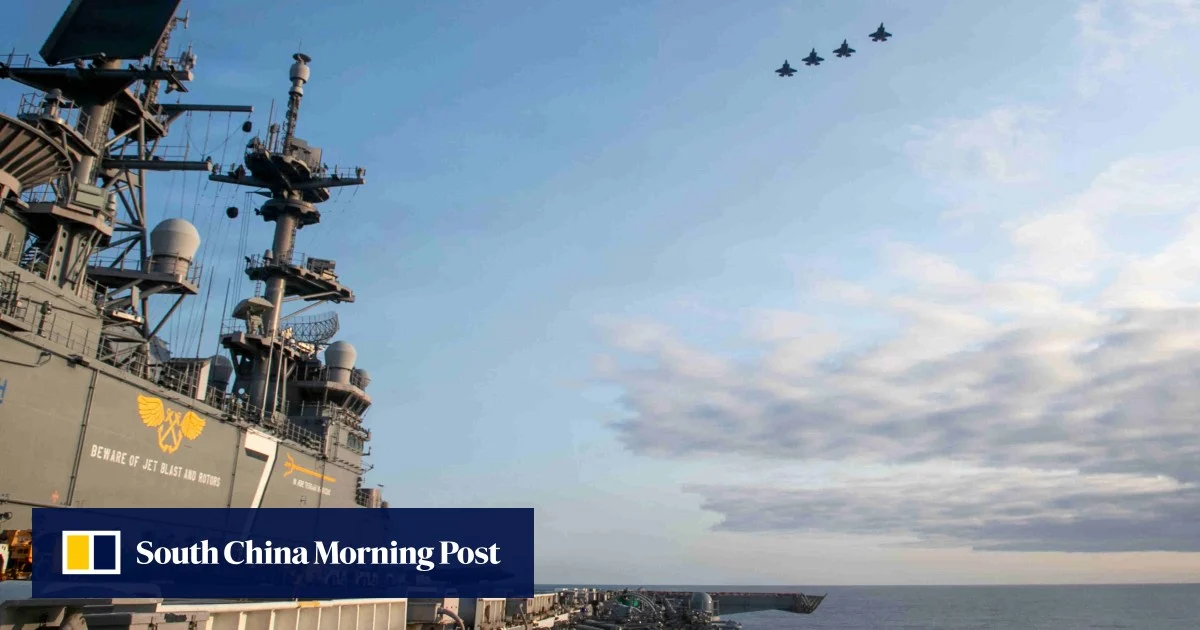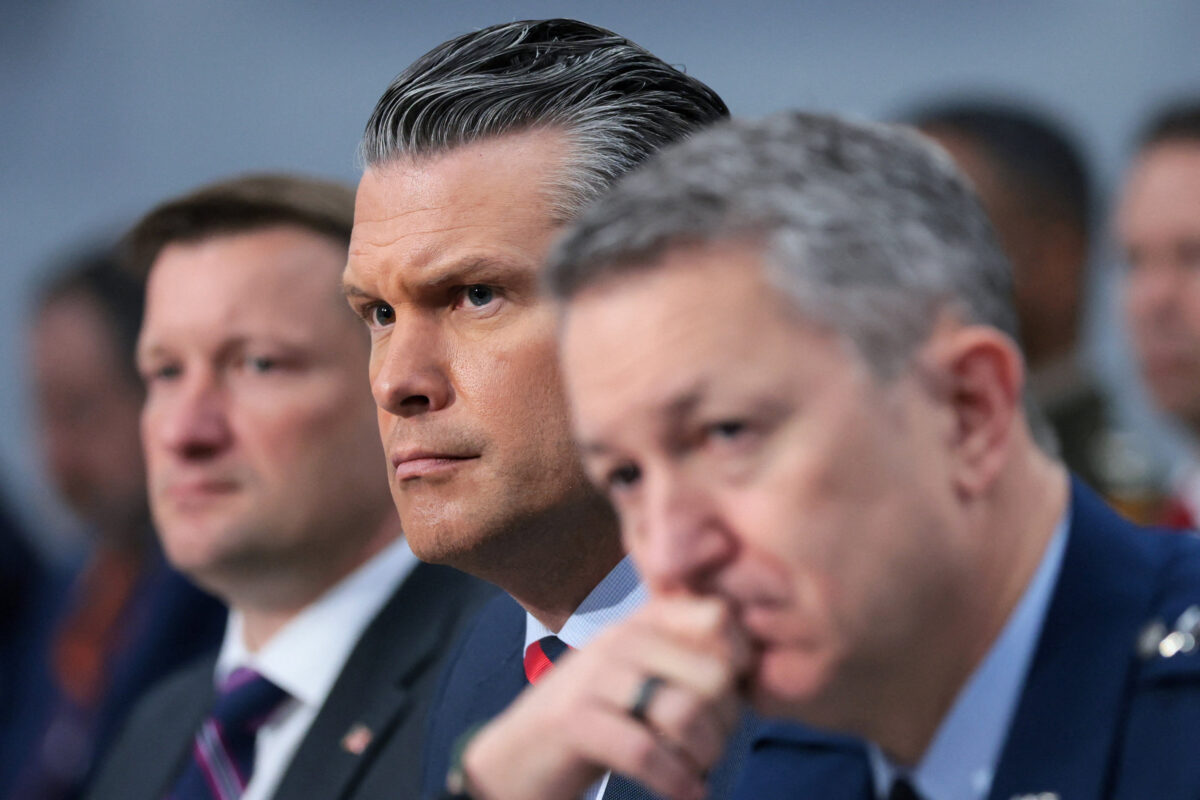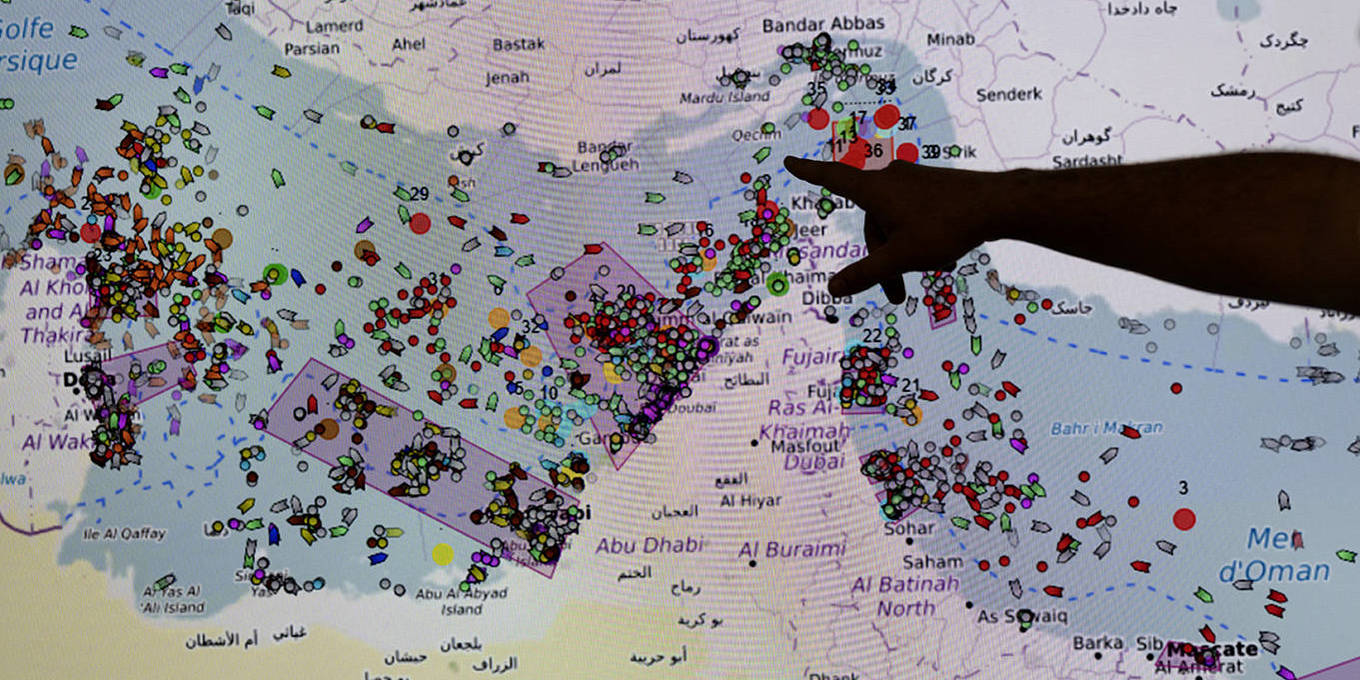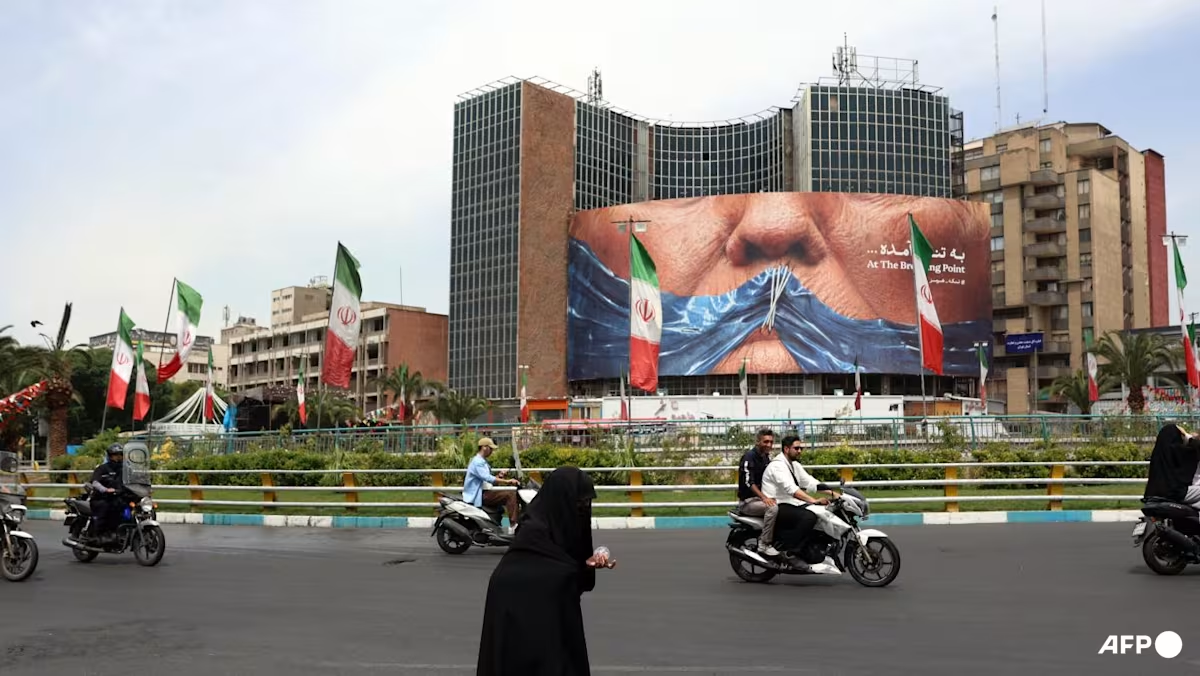
At the Shangri-La Dialogue in Singapore this past Saturday, US Secretary of War Pete Hegseth spoke about the “most consequential region in the world.” He was not talking about the Middle East, where the US-Iran conflict, now in its fourth month, has settled into a brittle ceasefire, as the Strait of Hormuz’s closure continues to rattle the global economy. He was talking instead about the Pacific—and, in the process, reviving a long-running and wider debate about whether the United States should “pivot” its attention away from the Middle East and toward the Indo-Pacific.
The US role in the world is, of course, more complicated than focusing exclusively on one region or the other. So, we asked three of our leading experts to assess where things go from here and how the United States should position itself in the world following the Iran war.
Grand strategy: Don’t “pivot” now
Contrary to those who argue that the United States can and should pivot to Asia, this conflict shows that the Middle East will likely remain an important theater for US grand strategy for years to come.
Since World War II, Washington has prioritized three theaters in its grand strategy and military force posture: Europe, the Middle East, and the Indo-Pacific. US strategists viewed these as the three regions with the greatest concentrations of wealth and danger whose security and stability mattered for the well-being of average Americans.