Get the latest news and updates from Dawn
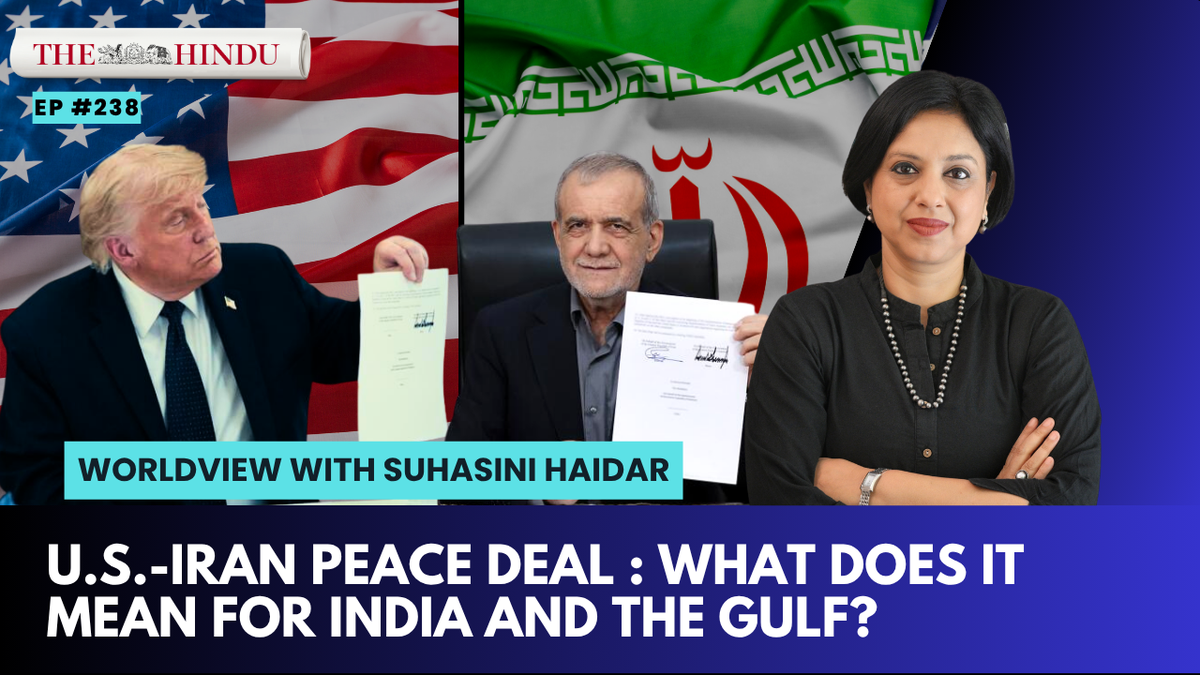
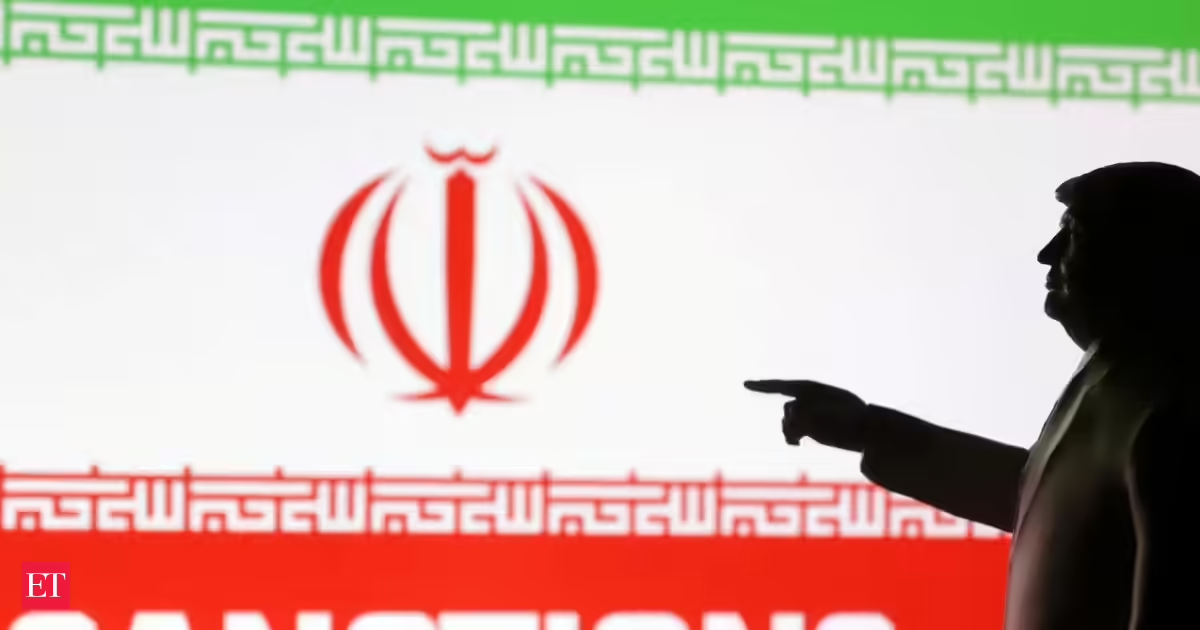
WASHINGTON: Reports that the United States and Iran are close to extending a ceasefire and reopening the Strait of Hormuz have sparked an intense debate in Washington about the future of US policy toward Tehran.
The discussion extends far beyond the White House. Some of America’s most influential think tanks — research institutions that often shape policy debates and supply experts to successive administrations — are offering sharply different assessments of Iran, the consequences of the recent conflict and the political risks facing US President Donald Trump as he heads toward the 2026 midterm elections.
The timing is particularly significant because the midterms will determine control of Congress during the second half of Trump’s presidency. Republicans currently hold narrow majorities in both the House of Representatives and the Senate, but history suggests those majorities could be at risk.
For many, the most important question is no longer whether Washington and Tehran can reach a temporary understanding. It is whether the economic and political fallout from the conflict will reshape American politics and constrain the administration’s options.