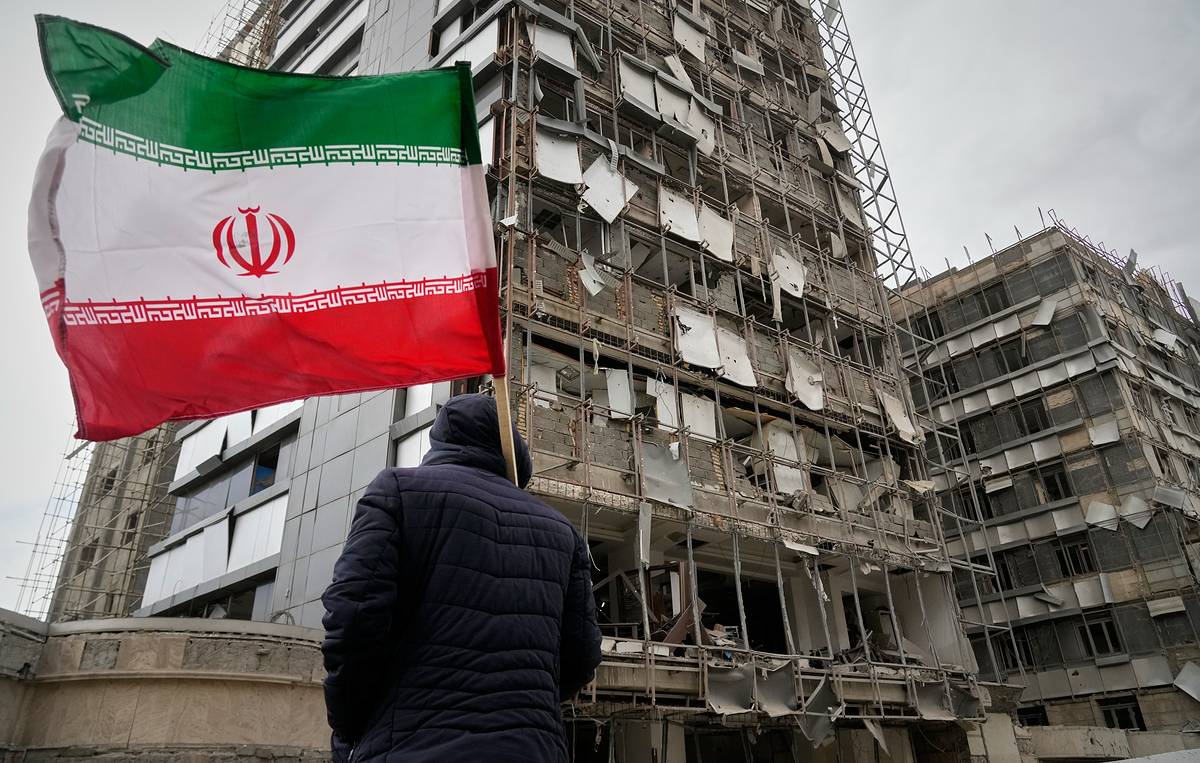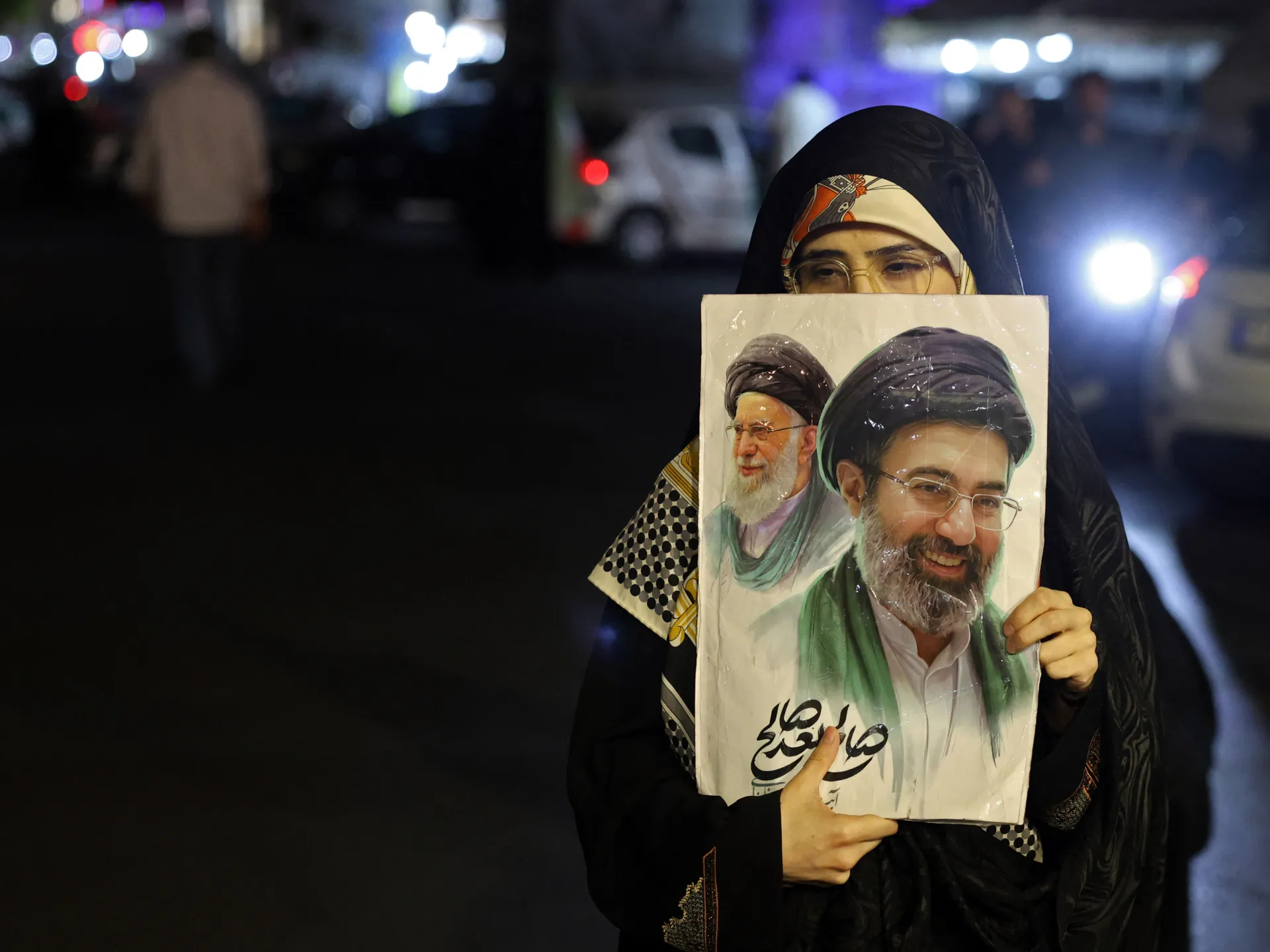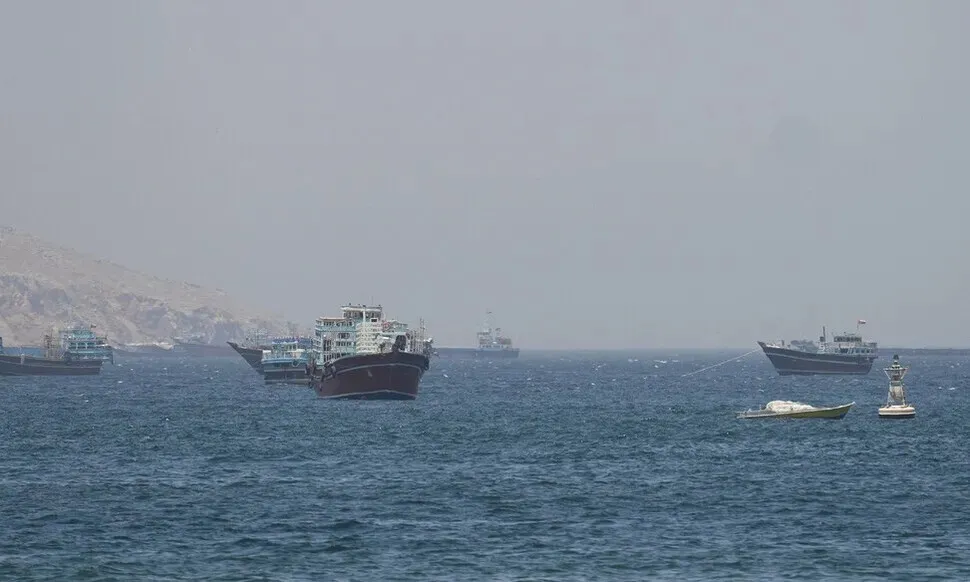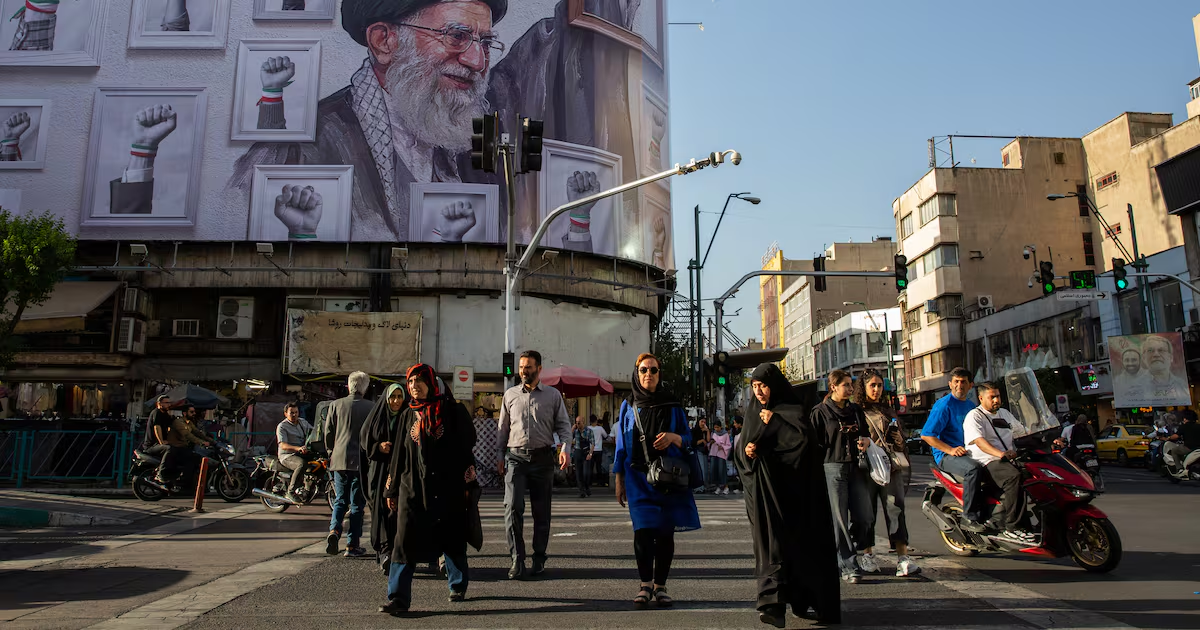
Salma El Wardany, Fiona MacDonald and Jeff MasonUpdated May 7, 2026 — 4:05am,first published 11:15pmCairo/Kuwait: The United States and Iran were circling around a fresh proposal to end the war on Wednesday (US time), as President Donald Trump searches for an exit from a conflict that has elevated energy prices and damaged his political standing.Washington has presented a one-page memorandum of understanding that would gradually reopen the Strait of Hormuz and lift the American blockade on Iranian ports, according to a person familiar with the measure, who asked not to be identified discussing sensitive information.US President Donald Trump said if Iran doesn’t agree to give what has been agreed to, the bombing will resume.APIf both sides agreed on the 14-point preliminary deal, that would start the clock on 30 days of detailed negotiations, including on Iran’s nuclear program, to reach a full agreement.The initial offer, first reported by the US media outlet Axios, capped off a chaotic 48 hours that illustrates the bind Trump confronts as he tries to defuse an energy crisis he helped create by attacking Iran alongside Israel in late February.The move came after Trump suspended a short-lived US mission to offer safe passage for commercial ships through the strait, which handled one-fifth of the world’s oil and gas supply before the war.Adding to his urgency is a summit scheduled next week with Chinese President Xi Jinping, which was already postponed in the early days of the conflict because of the Middle East backdrop.Polls show Americans’ distaste for the conflict is growing, six months from US mid-term elections in which the cost of living will be a central focus.Petrol prices breached $US4.50 a gallon ($1.64 a litre) for the first time since July 2022, according to the American Automobile Association. That trajectory has challenged Trump’s prediction that costs at the pump will plummet when the war ends.Oil steadied after plunging nearly 8 per cent in the previous session, with Brent trading above $US102 a barrel.A number of times throughout the conflict, Trump has indicated that a deal is near, though none has materialised.Donald Trump’s Truth Social post on Wednesday morning US time (Wednesday night AEST).Truth SocialPosting on social media on Wednesday (US time), he said the US would end its military campaign and lift its blockade of Hormuz “assuming Iran agrees to give what has been agreed to, which is, perhaps, a big assumption”, without giving details of the proposal. “If they don’t agree, the bombing starts.”“They want to make a deal. We’ve had very good talks over the last 24 hours, and it’s very possible that we’ll make a deal,” Trump told reporters in the Oval Office, saying later, “it’ll be over quickly”.Iran was expected to send a response via Pakistan, acting as a mediator, in the next two days, the person familiar with talks said. State media has signalled that parts of the US proposal remain unrealistic to Iran’s leadership.Iranian lawmaker Ebrahim Rezaei, a spokesperson for parliament’s powerful foreign policy and national security committee, described the proposal as “more of an American wish-list than a reality”.Iran’s parliament Speaker, Mohammad Bagher Ghalibaf, appeared to mock reports that indicated the two sides were close, writing on social media in English that “Operation Trust Me Bro failed”.Revived hopes of an agreement came as US Central Command said forces fired at an unladen Iranian-flagged tanker on Wednesday (US time), disabling the vessel as it attempted to sail toward an Iranian port in violation of America’s blockade.In Israel, the prospective deal caused concern, with Prime Minister Benjamin Netanyahu’s government pledging to keep pressure on Iran until it’s totally defeated and its nuclear, missile and proxy militia programs dismantled.Netanyahu was holding talks with American officials to better understand the situation, CNN reported, citing an Israeli source it didn’t identify.Meanwhile, the Israeli army on Wednesday launched an attack near Lebanon’s capital for the first time since its ceasefire with Iran-backed Hezbollah began on April 17 as it tried to assassinate the commander of the militant group’s elite Radwan Force in Beirut.There was an airstrike in the densely populated Haret Hreik neighbourhood in Beirut’s southern suburbs while a warship fired three missiles at a residential building in the area, according to Lebanon’s state-run National News Agency. There was no official confirmation that the commander was killed.Other Israeli attacks took place in southern Lebanon, where IDF strikes on Hezbollah’s operations have continued.Bloomberg, ReutersGet a note directly from our foreign correspondents on what’s making headlines around the world. Sign up for our weekly What in the World newsletter.More:Middle East at warIranUSAIsraelDonald TrumpTrump's AmericaTrump's White HouseFrom our partners
US, Iran weigh potential deal as Trump seeks way out of war
Washington has reportedly presented a one-page memorandum of understanding that would gradually reopen the Strait of Hormuz and lift the American blockade on Iranian ports.
762 words~3 min read