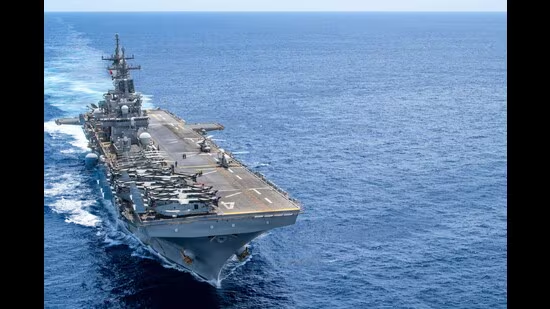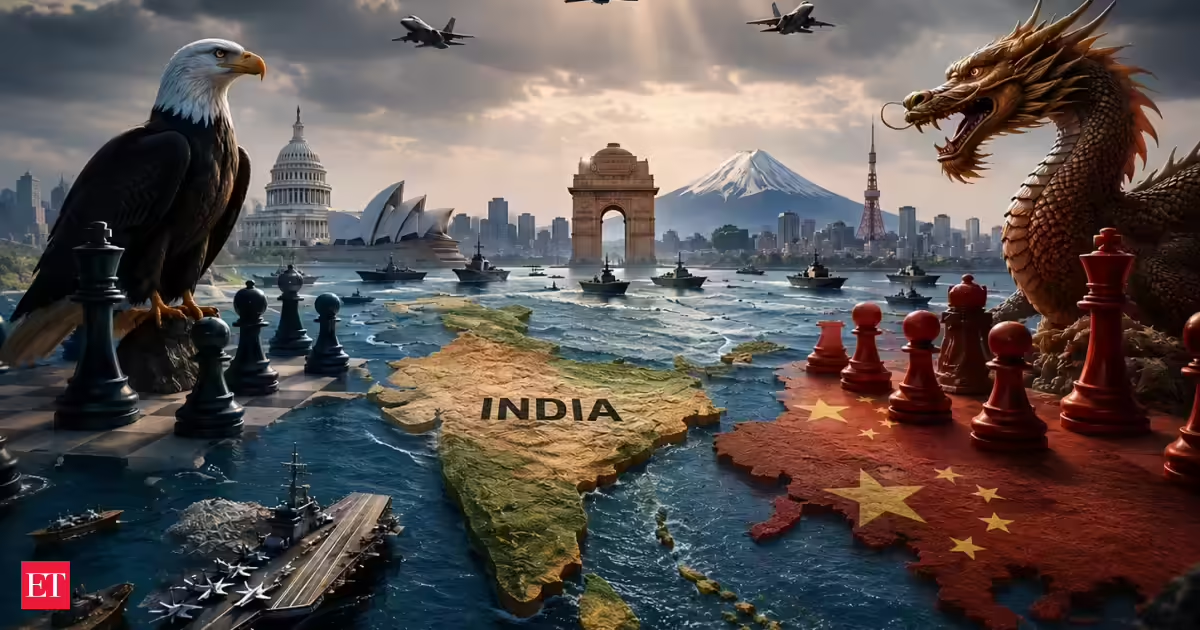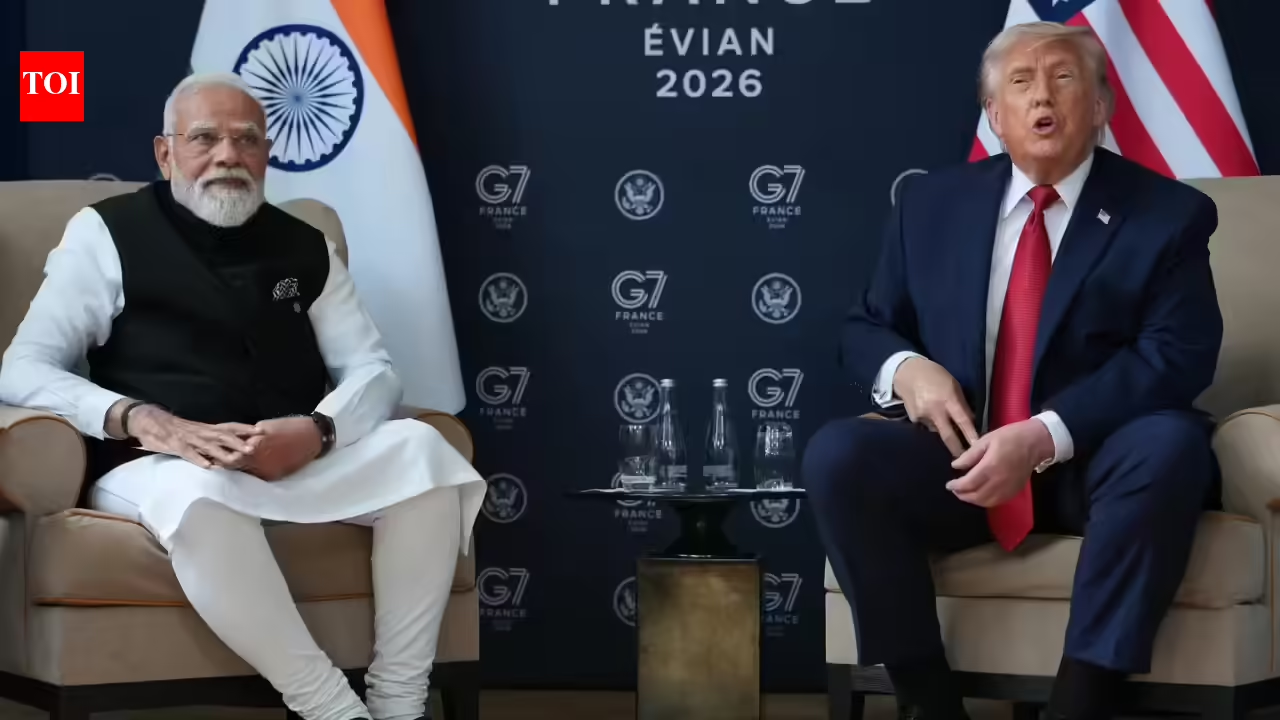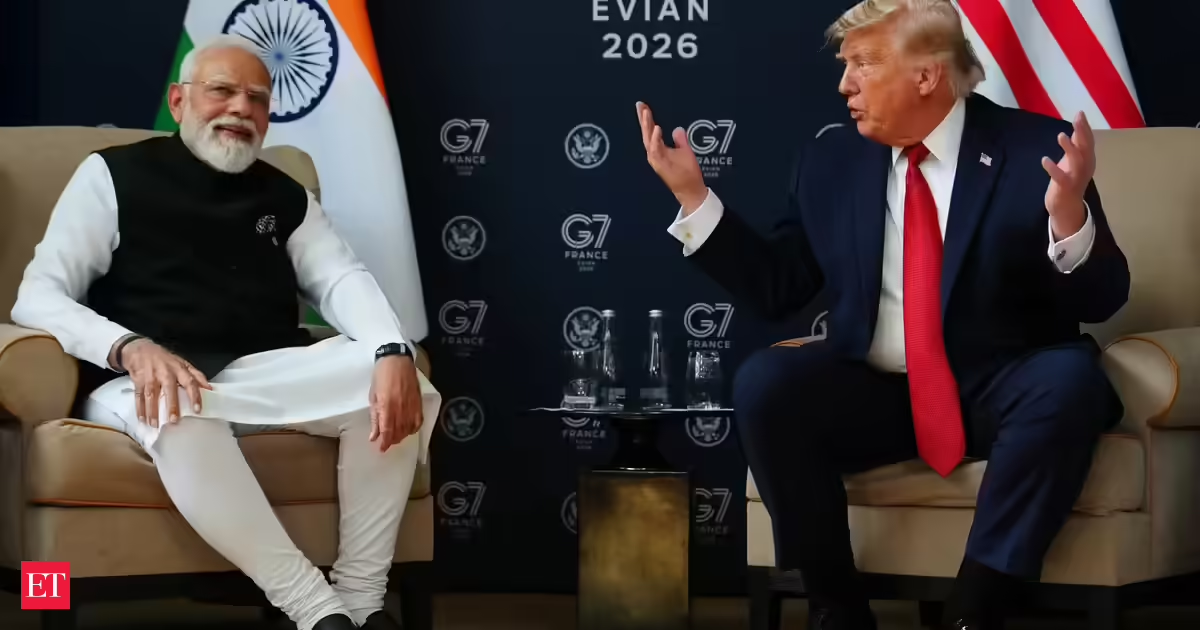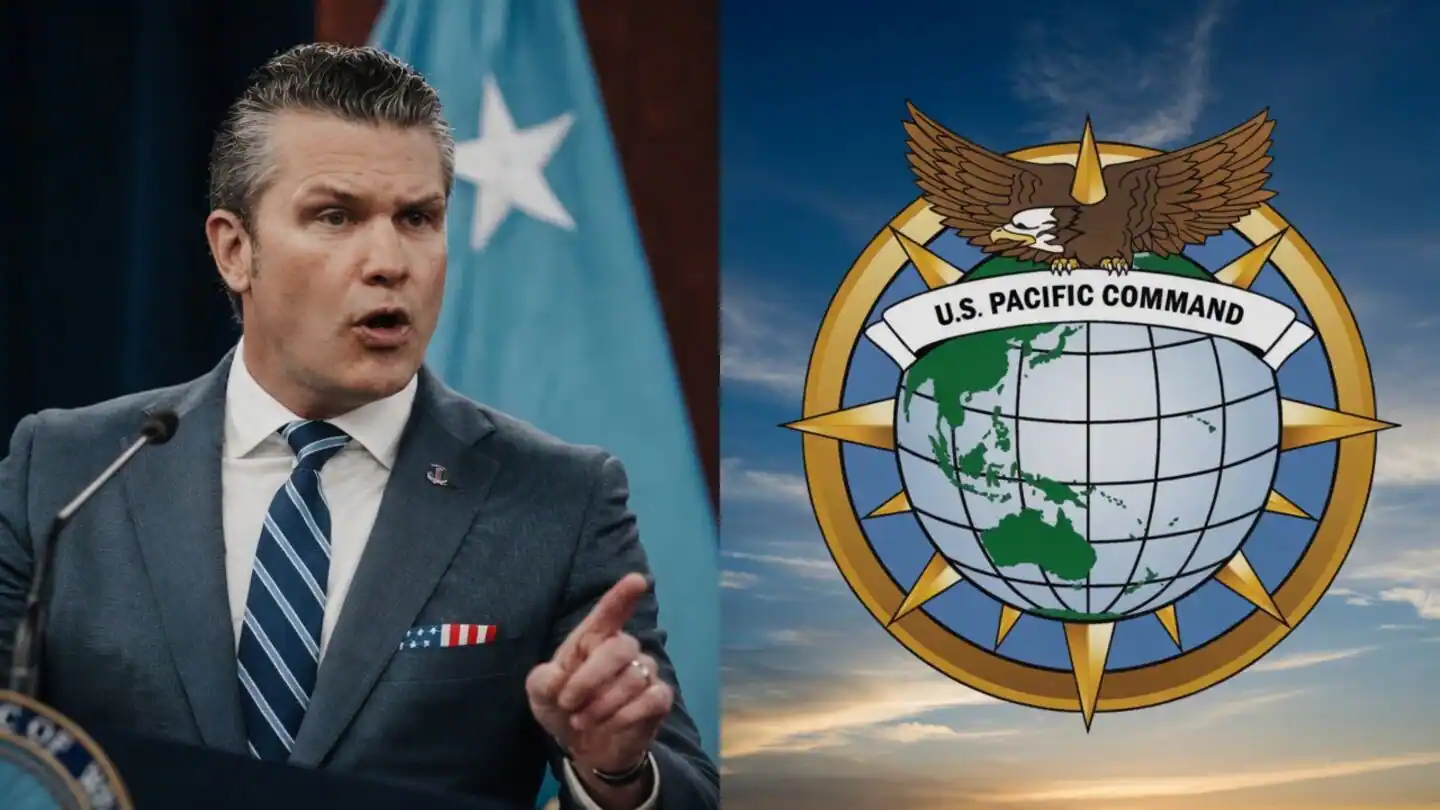
The recent decision by the US Secretary of War, Pete Hegseth, to rechristen the Indo-Pacific as just Pacific command has caused justified concern regarding India-US ties. Unfortunately, such concerns also miss the larger point and evolving geopolitical realities that are far more important than a name change. Beyond the perceived slight, the divergence within the Indo and the Pacific has become stronger in recent years. So has the divide between India and the US and its strategic partners.
The US didn’t rename Indo-Pacific in 2018 to improve relations with India—and New Delhi should not worry about what it means in terms of US favourability. Both are fallacies, which emerge from conveniently overlooking the raison detre of the Indo-Pacific – China’s rise and the need to counterbalance its rising power. The Indo-Pacific, after all, has always been a means to an end. Much of the discourse in New Delhi tends to lose sight of this and ends up treating the framing as an end in its own right.The US pivoted toward the ‘Indo-Pacific’ policy framing with China in mind (end) and the belief that India will increasingly be a contributory factor to the maritime balance of power in Asia (means). Washington did not invent the Indo-Pacific to improve ties with India – which was already on a remarkable upswing. It is easy to conflate the two, but the difference remains. The ability to maintain a viable link between the two (the China challenge and the India prospect) was the secret sauce to ascendent India-US strategic ties in the 2010s.