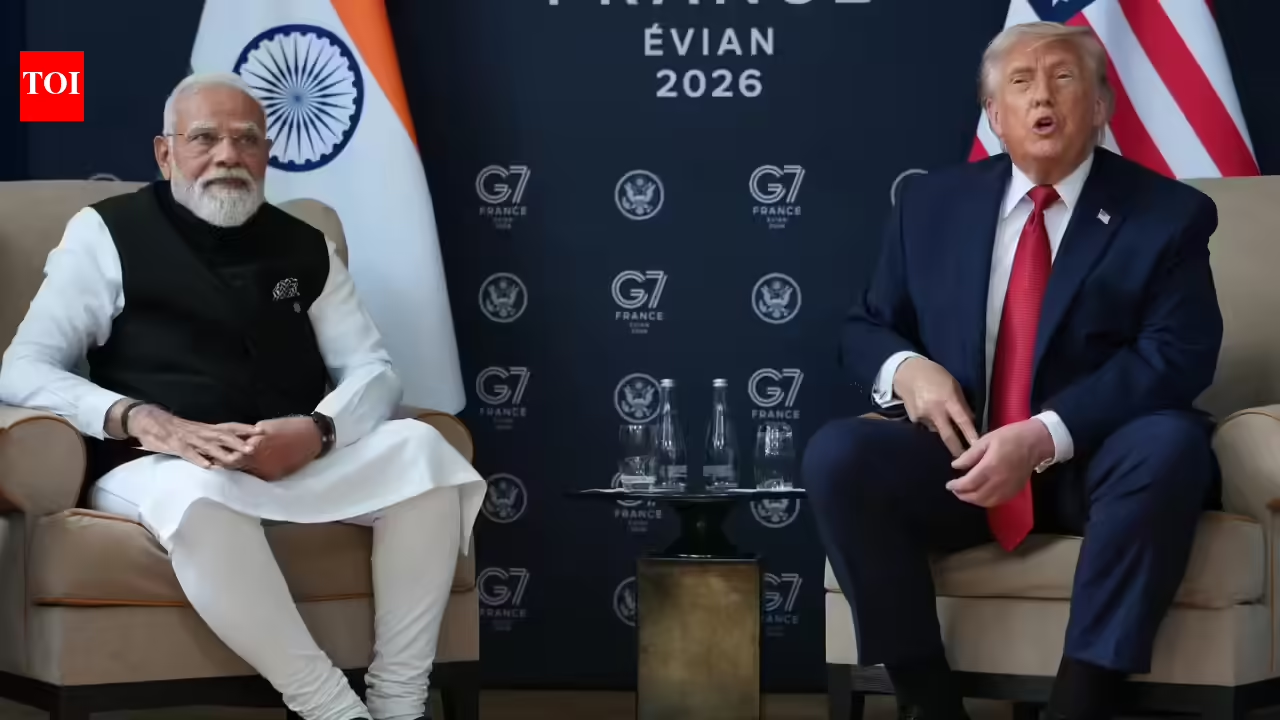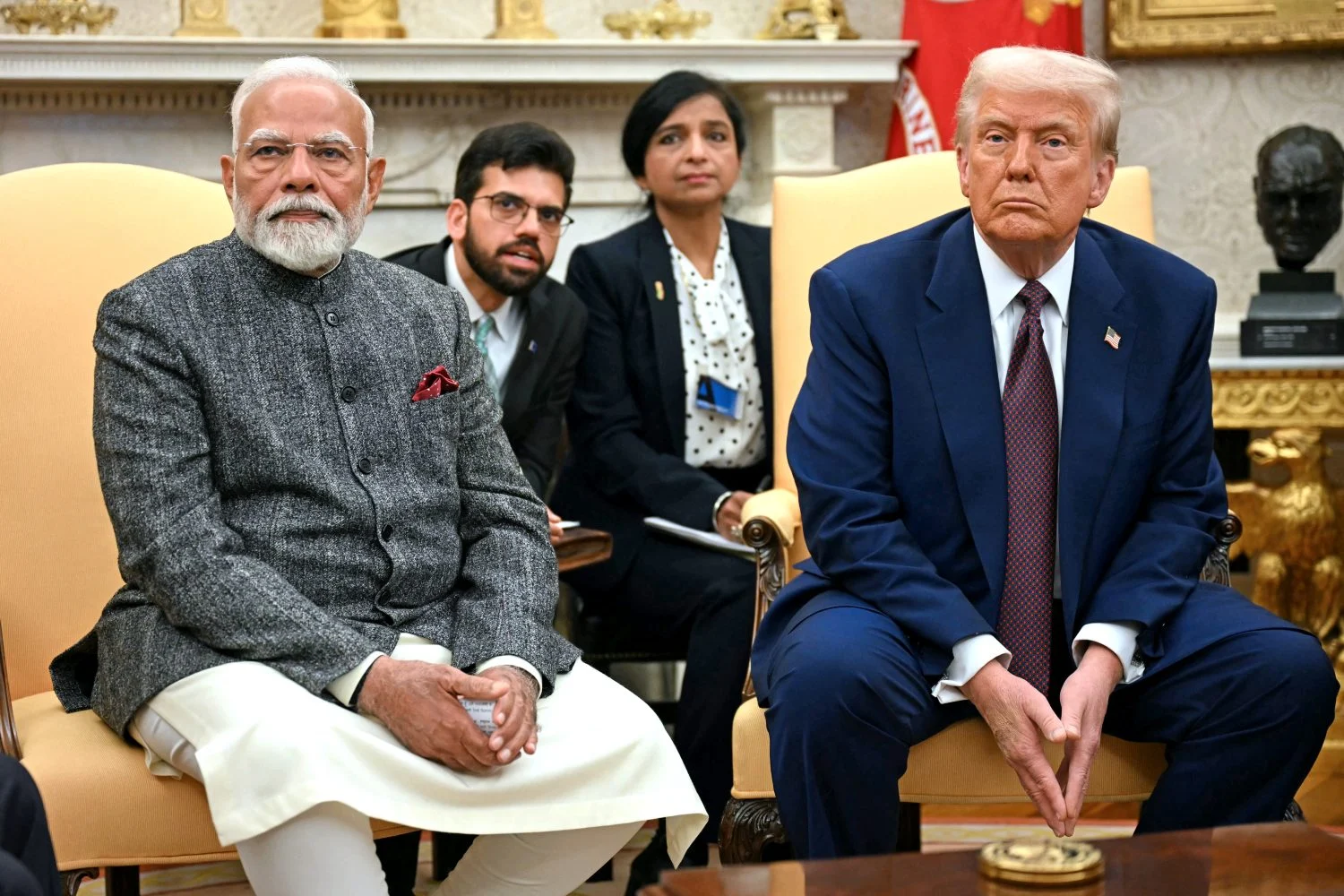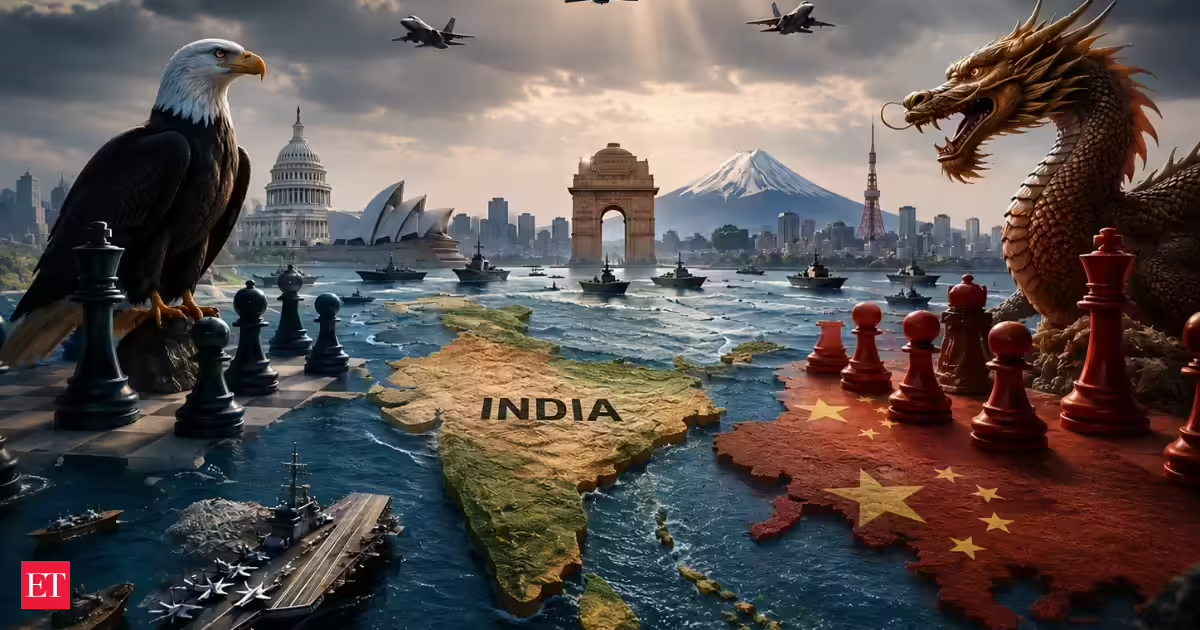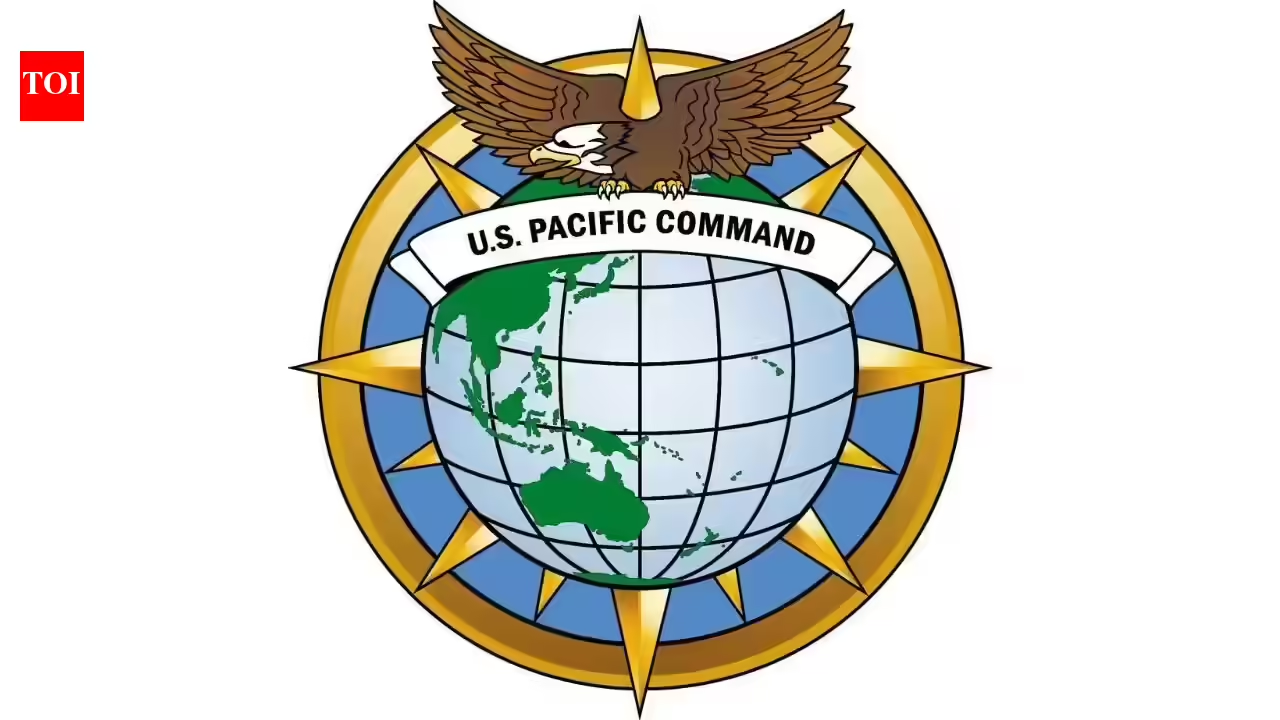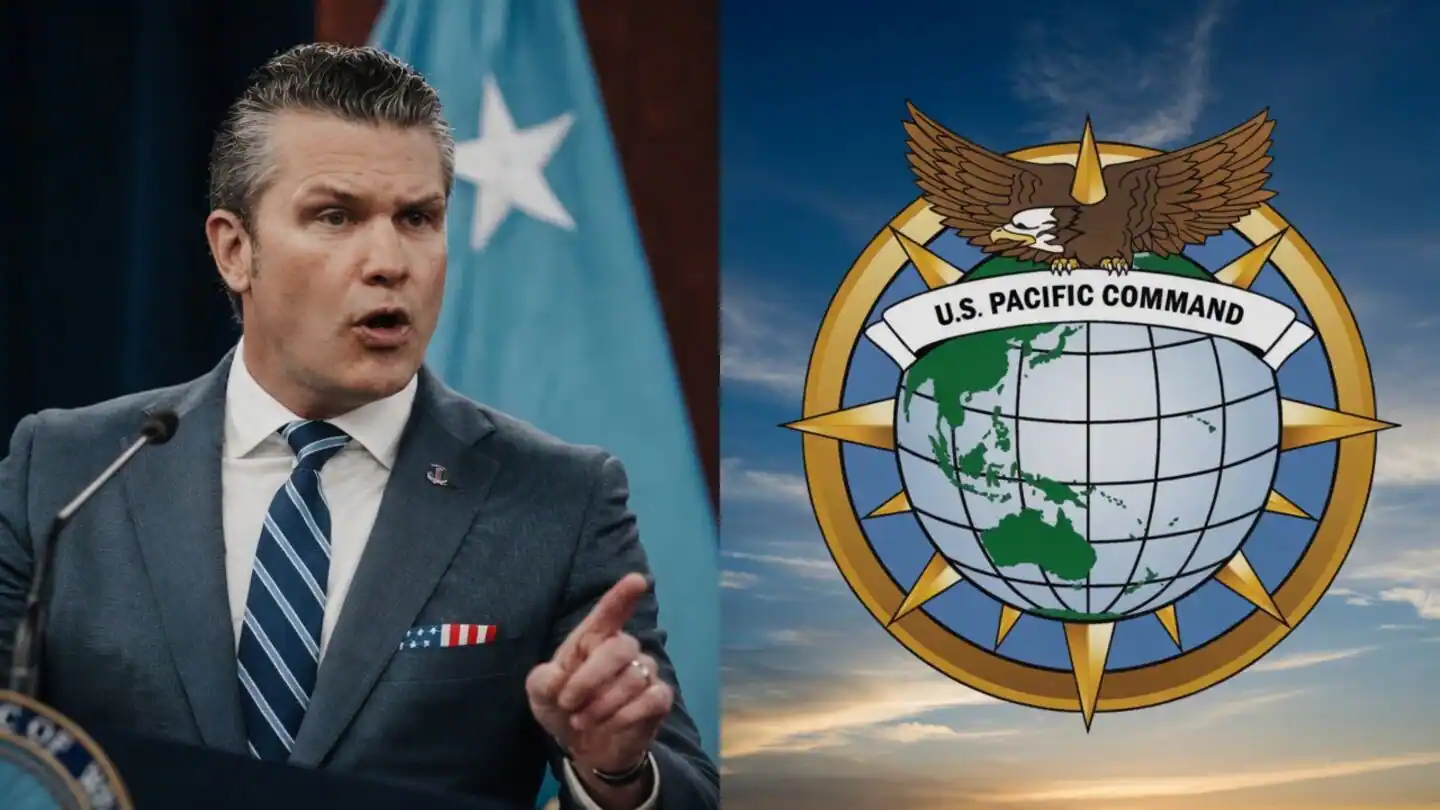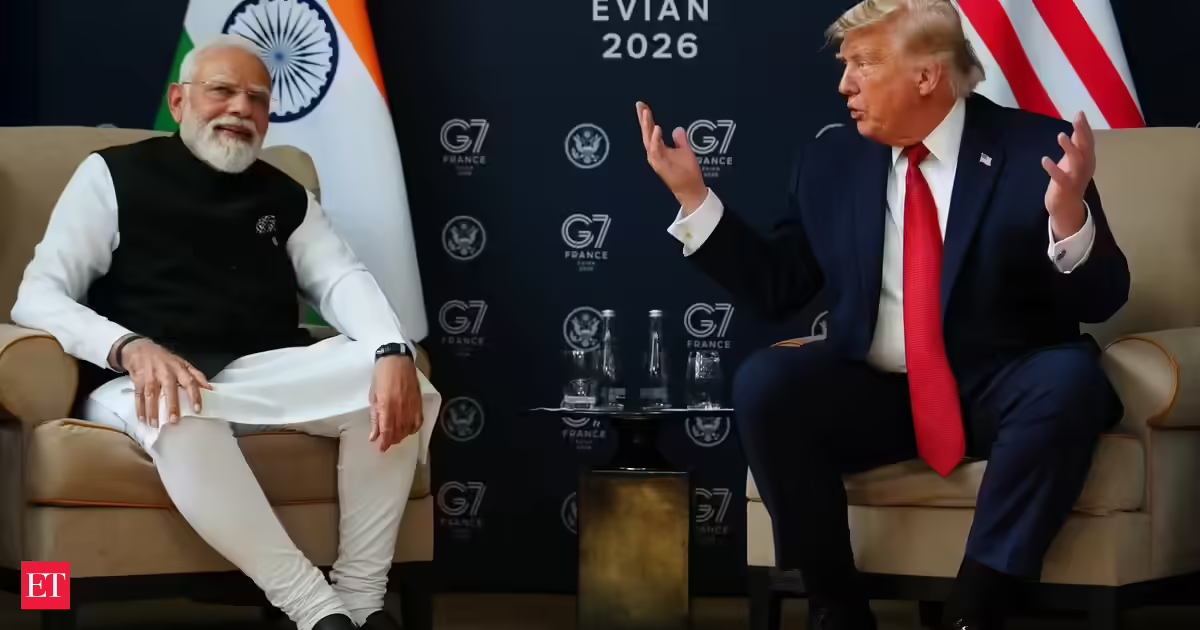
SynopsisWashington's decision to rename the US Indo-Pacific Command back to Pacific Command has sparked debate over India's strategic importance. Despite assurances from President Trump, analysts view the move as a symbolic downgrading, occurring amidst existing bilateral friction and concerns about US policy in Asia.APPrime Minister Narendra Modi with US President Donald TrumpPentagon's decision to drop "Indo" from the US Indo-Pacific Command's title and restore its old Pacific Command designation has reignited questions over India's place in American strategic thinking, with the move triggering concern in strategic circles that Washington may be placing less emphasis on New Delhi's role in its broader Asia policy, as per a report by Times of India's Chidanand Rajghatta.The US Department of Defense announced on Tuesday that the US Indo-Pacific Command (INDOPACOM) would once again be known as the Pacific Command (PACOM), reviving the designation used from 1947 until 2018.Also read: Hollywood to Bollywood no more: US makes a move in India's backyardAccording to Rajghatta's report in ToI, the announcement came just hours before Prime Minister Narendra Modi's engagement with President Donald Trump on the sidelines of the G7 summit, lending additional significance to a move many view as highly symbolic.Seeking to play down the significance of the renaming, the Pentagon said, "The command's fundamental mission and its unwavering commitment to maintaining a free and open theatre alongside regional allies and partners are unchanged." It also stressed that the command's area of responsibility still extends "to the western border of India." Separately, Trump sought to reassure New Delhi, telling reporters during his meeting with Modi that the US would be there to help India if anyone attacked the country and insisting that bilateral ties "could not be any better."Symbolism versus strategyDespite the official assurances, the renaming has unsettled observers because the term "Indo-Pacific" was deliberately adopted by the first Trump administration in 2018 to signal that the Indian and Pacific Oceans constituted a single strategic theatre and to underscore India's growing importance in balancing China's rise. The timing of the change has amplified unease, coming amid differences over tariffs, India's purchases of Russian energy, visa issues affecting Indian professionals and renewed American engagement with Pakistan.The Pentagon has maintained that the decision is rooted in history rather than strategy.Also read: India, US 'very close' to inking a trade deal, says Trump after meet with Modi "Restoring the legacy USPACOM designation honours the command's deep historical roots," it said, citing the command's role in the post-World War II security architecture, the Korean and Vietnam wars and decades of humanitarian operations. However, South Asia security analyst Christopher Clary questioned the rationale, saying, "Maybe it was a silly idea to rename the Combatant Command to add 'Indo-' but once you made that decision you've really got to stick with it unless there is a very good policy reason, which there isn't."Fresh questions over the QuadThe renaming has also fuelled debate within sections of the strategic community over whether the Trump administration is reassessing its approach towards China, the Quad grouping and partnerships including India. Former foreign secretary Kanwal Sibal criticised the move on X, writing: "The fact is all the blows to the relationship have been delivered by Trump and his team and they are still at it by renaming the US Indo-Pacific Command as the Pacific Command just before the PM Modi-Trump meeting."At the same time, supporters of the administration reject suggestions that Washington is retreating from Asia. They point to reports that Adm. Samuel Paparo has sought congressional approval for a $122 billion package aimed at strengthening military deterrence against China, while Pentagon officials continue to describe India as a "critical anchor" in the Indian Ocean and maintain that military cooperation and defence technology ties remain robust. Yet, many strategists believe names matter because they reflect priorities, and for them, dropping "Indo" risks creating the impression that Washington is mentally redrawing its strategic map at a time when China's footprint continues to expand across the Indian Ocean region.(With inputs from ToI's Chidanand Rajghatta)Read More News on
The 'Indo' exit: Pentagon's PACOM reset raises questions about India's place in Trump's Asia calculus
Washington's decision to rename the US Indo-Pacific Command back to Pacific Command has sparked debate over India's strategic importance. Despite assurances from President Trump, analysts view the move as a symbolic downgrading, occurring amidst existing bilateral friction and concerns about US policy in Asia.
668 words~3 min read