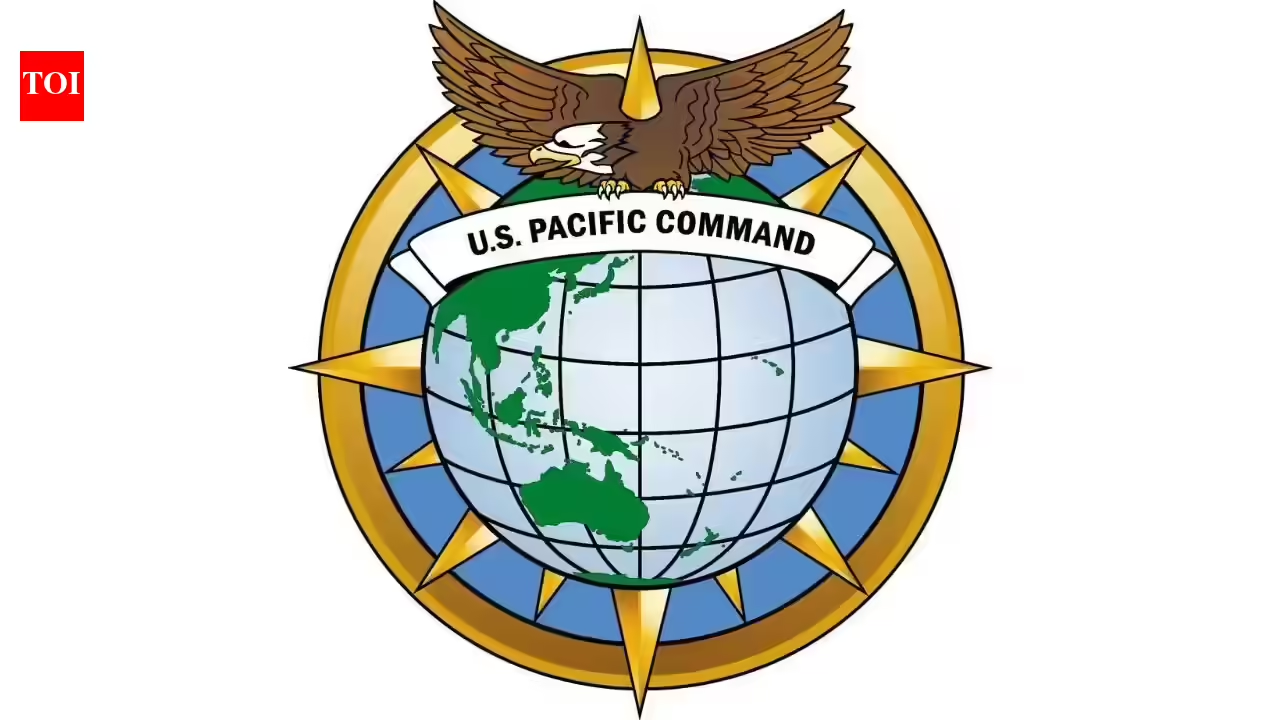
Originally established in 1947 as the US Pacific Command (USPACOM), it was officially renamed to US Indo-Pacific Command in May 2018
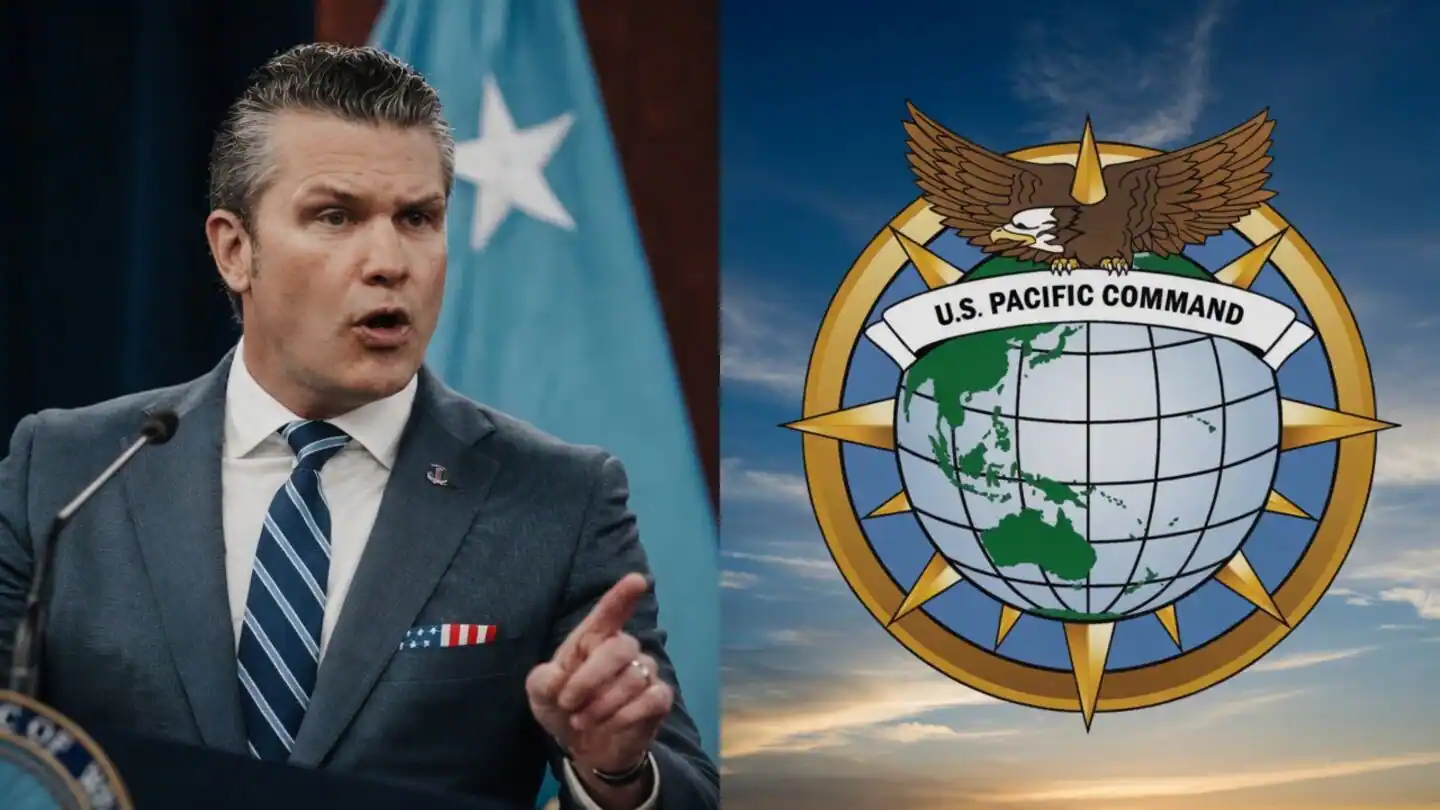
The United States (US) has reversed its eight-year-old decision to restore the name of the US Indo-Pacific Command (USINDOPACOM) to the US Pacific Command (USPACOM). The US Department of War, in its announcement through a Tuesday’s post on X, said the USPACOM’s vast area of responsibility—spanning from the waters off the West Coast of the United States to the western border of India—remains exactly the same.It also assured that the command’s “fundamental mission and its unwavering commitment to maintaining a free and open theater alongside regional allies and partners are unchanged.”The dropping of “Indo” from the nomenclature, however, has left experts and geopolitical commentators wondering what it would mean for India and its positioning as a growing stakeholder in the regional security as against China. They believe the move is indicative of realignment in strategic thinking of Trump administration on the Quad, consisting of Australia, India, Japan and the United States, adds another layer of distrust in the bilateral relations, and is in sync with the series of abandoning global leadership role historically held.Originally established in 1947 as the US Pacific Command (USPACOM), it was officially renamed to US Indo-Pacific Command in May 2018 during Trump’s 1.0 regime and it has been redesignated, without alteration in geographical area of influence, in the second stint at the Washington, DC.Historical Roots“Restoring the legacy USPACOM designation honors the command’s deep historical roots, fostering a sense of pride and collective spirit among all who serve in the Pacific. From its critical role in establishing the post-WWII regional security architecture to its coordination of joint forces during the Korean War, the Vietnam War, and countless humanitarian operations, the USPACOM namesake carries decades of military heritage and enduring regional partnerships,” read the long post on X.Reacting to the announcement, Congress MP Shashi Tharoor wrote on X, “One more nail in the coffin of the Quad?”, perhaps hinting at President Trump’s treating Quad with studied indifference due to his preference over bilateral negotiations rather than multilateral groupings.Captain Anurag Bisen, Senior Fellow At Vivekanand International Foundation, told businessline that the move is another example of US walking out of the global leadership role it has held for long, as it did with NATO and 31 UN Organisations, to bolster the Trump administration’s “America First” strategy.“On the strategic front, the US had introduced Indo-Pacific into the sweeping Command structure to gain legitimacy and foothold in this region by forging a construct that was meant to be against China but geopolitical maneuvering over the years did not appear to have yielded desirous results,” the veteran submariner from Indian Navy stated.He, though, did not agree that it marks an end to Quad which continues to find meaning common to member countries, witnessed in recent foreign ministers meeting in Delhi where they formally launched the Indo-Pacific Maritime Surveillance Collaboration (IPMSC) and the Quad Critical Minerals Initiative Framework.Another Indian Navy veteran and expert Captain Sarabjeet S Parmar stated that the Trump administration which added “Indo” during the first regime to acknowledge bonhomie in the bilateral relations for larger regional security push, is going back on its strategic thinking, indicating a new dimension to the growing distrust between India and the US.In some ways, the initiative is confusing and a signature of President Donald Trump’s flip flop decision making which we saw even in the stand off with Iran, said the distinguished fellow at the Council for Strategic and Defence Research (CSDR).Indo-Pacific Strategy“The change in the name is immaterial and its difficult to decode the thinking behind the announcement since the geographic area of influence remains the same it was before 2018. It reflects lack of cogent strategy on Indo-Pacific as even the Quad has for the last few years has not been able to find its feet. US wanted it to have a security underpinning which India and others did not buy,” he remarked.He agreed that the change is likely to be seen as an implicit validation of China’s long-held rhetoric. Beijing rejected the Indo-Pacific construct given its view that it was Washington’s design to contain China’s rise.Published on June 17, 2026