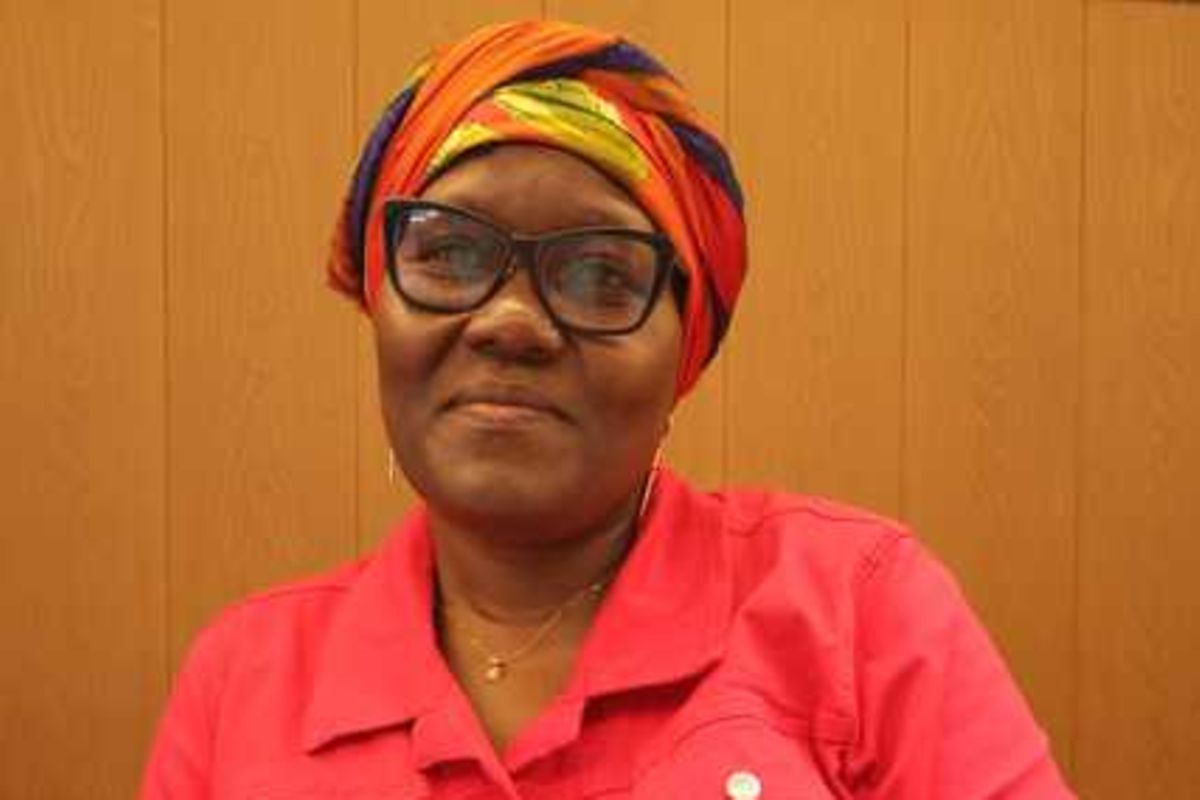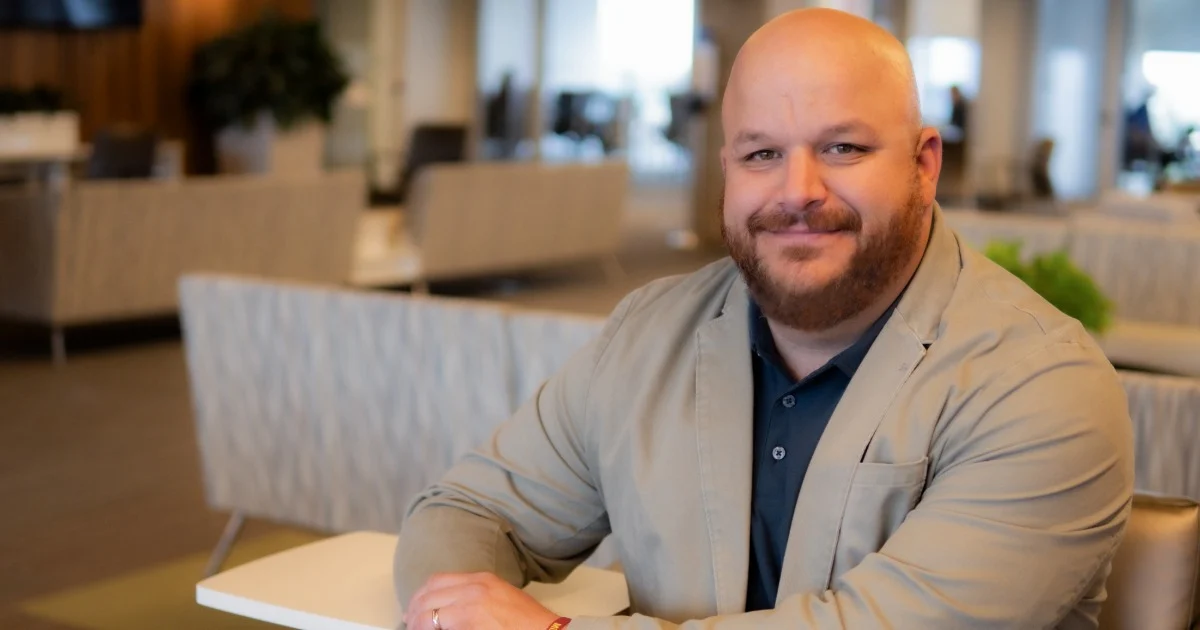
Sheridan Miyamoto, RN, has spent years confronting a grim reality in American healthcare: Where a sexual assault survivor lives can determine whether that person receives the expert care they need.In many rural communities, there are no certified sexual assault nurse examiners, or SANEs, available to conduct forensic exams, collect evidence and guide survivors through one of the most traumatic moments of their lives. Survivors are sometimes transferred hours away. Others never seek care at all.Miyamoto, who also has a PhD in nursing science and healthcare leadership, decided that gap was unacceptable.Today, the founder and chief scientific officer of SAFE-T System leads a telehealth-enabled forensic nursing platform that connects rural hospitals with experienced SANEs in real time, helping survivors receive trauma-informed care close to home."It affects more than half of all U.S. women, yet 80% of survivors will not have access to an expert sexual assault nurse examiner," said Miyamoto.SAFE-T System, a spinoff of Penn State, grew from years of research and fieldwork focused on one central question: Could expertise be delivered remotely without sacrificing quality of care?The answer, Miyamoto discovered, was yes.Building a lifelineBefore launching SAFE-T in Pennsylvania, Miyamoto worked at UC Davis as a forensic nurse, program lead and researcher. There, she helped produce what she describes as the first experimental evidence showing telehealth-supported sexual assault programs could outperform comparable rural hospitals without that support."The program ran in six rural sites over eight years and made the case that mattered: expertise could live at a central hub and serve communities where it would otherwise be absent," she said.That research laid the groundwork for the Sexual Assault Forensic Examination Telehealth Center, known as the SAFE-T Center, launched in 2017 with support from the Department of Justice's Office for Victims of Crime.The concept extended far beyond video calls.SAFE-T pairs local nurses with expert tele-SANEs who guide examinations in real time. Before a survivor even enters the exam room, the local nurse and remote expert meet privately to review the case and coordinate care.Inside the room, survivors are told they are not alone."Tele-SANEs are trained to make survivors feel believed, to make clear that what happened was not their fault, and to open a pathway to healing," Miyamoto said.Survivors frequently describe the experience in deeply personal terms."The tele-SANE did an amazing job and made me feel better in one of the worst times of my life," one survivor said in feedback collected through the program.Another said: "I felt cared about and heard."Technology built for the real worldMiyamoto quickly realized existing medical imaging technology was poorly suited for rural forensic care.Traditional colposcopes used for documenting injuries can cost as much as $30,000 and require extensive training. Other digital systems produced blurry images or lacked integrated telehealth capability."We set out to build what didn't exist," Miyamoto said, "a single imaging system that could capture quality body and genital images, support integrated telehealth, and transfer images directly to secure cloud storage with no risk of data deletion, loss or misuse."The resulting SAFE-T imaging platform allows remote SANEs to view magnified, high-resolution images in real time while guiding local nurses through evidence collection and documentation.According to SAFE-T data, 89% of acute examinations in an earlier pilot study resulted in changes to forensic evidence collection that otherwise might have been missed or improperly documented.That has implications far beyond the hospital.Rural prosecutors often face cases where evidence was never collected properly or where no trained forensic expert is available to testify. SAFE-T's model, Miyamoto said, helps preserve both evidence and credibility.A sustainable modelOne of the largest hurdles was convincing hospitals to invest in a program serving a patient population many health systems historically struggled to support financially."Hospitals already lose money providing sexual assault services," Miyamoto said. "Emergency departments are under pressure. Administrators are skeptical of new costs."SAFE-T leaders responded with hard data.The organization reports that SAFE-T sites retain 75% of trained nurses after one year and 50% after two years, dramatically higher than the national specialty average of 8%, Miyamoto said. Hospitals also reported improved emergency department efficiency because SANEs assumed leadership of sexual assault care, freeing physicians to focus on other patients.At the same time, 92% of patients reported their care improved with SAFE-T support.Eventually, hospitals that once depended entirely on grants began paying for the service themselves."That is the hardest result we have achieved," Miyamoto said. "Hospitals that once turned survivors away are now paying, out of their own operating budgets, to make sure that never happens again."Expanding the workforceSAFE-T has now trained 164 SANEs across partner communities, representing what the organization says is a 353% increase in the local forensic nursing workforce in underserved areas.The network currently connects 24 partner hospitals across seven health systems in two states, operating around the clock with little more than reliable Wi-Fi required at participating sites.Miyamoto believes the long-term goal is not permanent dependence on remote experts. Instead, she wants communities to build their own sustainable forensic nursing programs with telehealth serving as mentorship and support."The goal we articulated from the start was not to make hospitals permanently dependent on a remote expert," she said. "It was to develop local expertise that could stand on its own."The model has also influenced public policy.Pennsylvania's Sexual Assault Emergency Service Act, signed into law in 2023, was fueled in part by SAFE-T outcomes data and prioritizes rural and underserved hospitals for future implementation funding if appropriations are approved.More survivors seeking carePerhaps the clearest measure of SAFE-T's impact is that more survivors are now coming forward for treatment. Partner hospitals have reported increases in survivor care-seeking ranging from 25% to 280% during the first year after implementation.Across the SAFE-T network, more than 533 comprehensive examinations have been completed. Miyamoto sees those numbers as evidence of something larger than operational success.When survivors feel believed, respected and supported during the first hours after an assault, she said, they are more likely to seek counseling, advocacy services and legal accountability.One advocate involved with SAFE-T described the difference plainly."The exam I attended with SAFE-T, that client is still very active, still receiving follow-up services and counseling," the advocate said. "It builds a stronger rapport in the initial visit and encourages them to receive follow-up care."For Miyamoto, that outcome remains the point of the entire system.In communities where survivors once faced isolation, distance and disbelief, expert care can now arrive through a screen – and, increasingly, through nurses trained to provide it themselves.Follow Bill's health IT coverage on LinkedIn: Bill SiwickiEmail him: [email protected]Healthcare IT News is a HIMSS Media publication.WATCH NOW: Connectivity is healthcare's invisible digital backbone
The nurse who closed a dangerous gap in rural sexual assault care
Sheridan Miyamoto's telehealth-driven forensic nursing model is helping rural hospitals deliver trauma-informed sexual assault care – and changing what survivors can expect after the worst moments of their lives.
1,090 words~5 min read