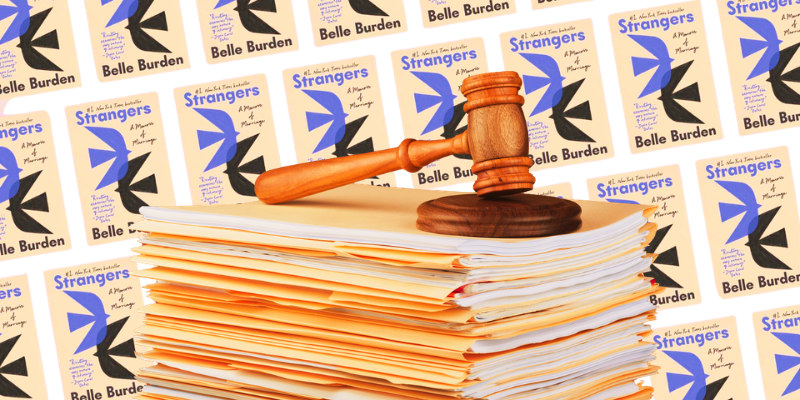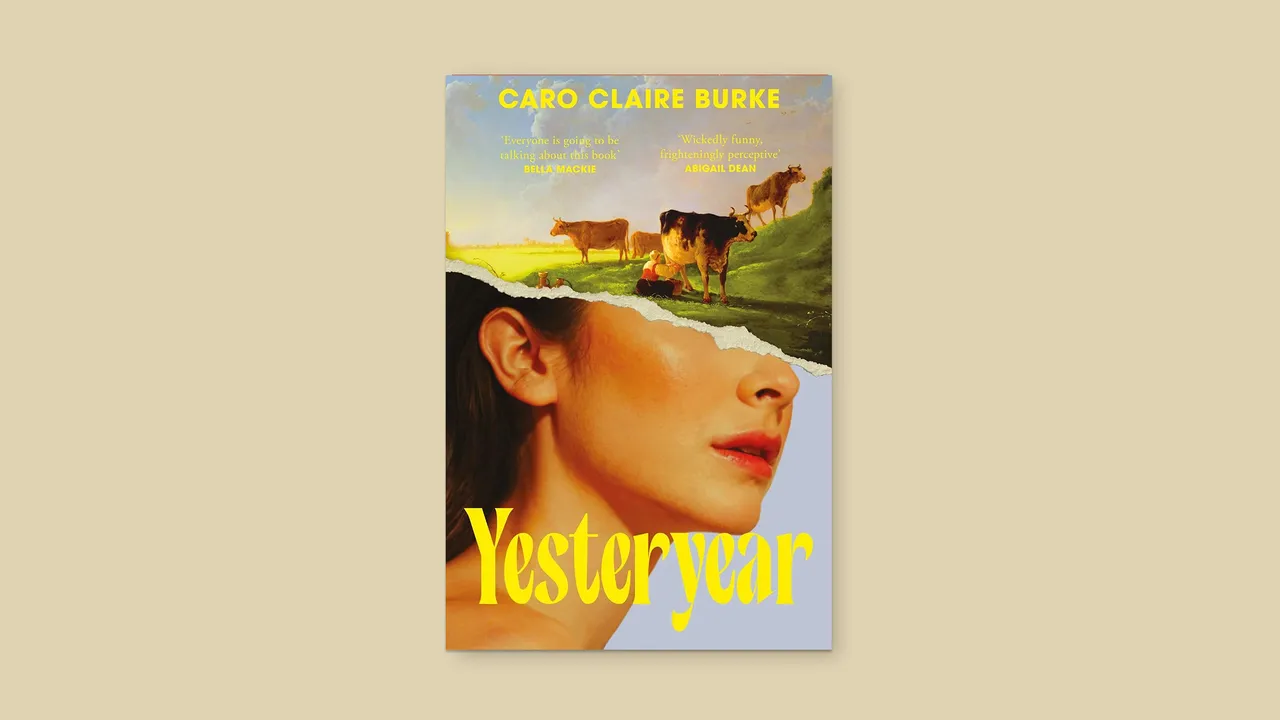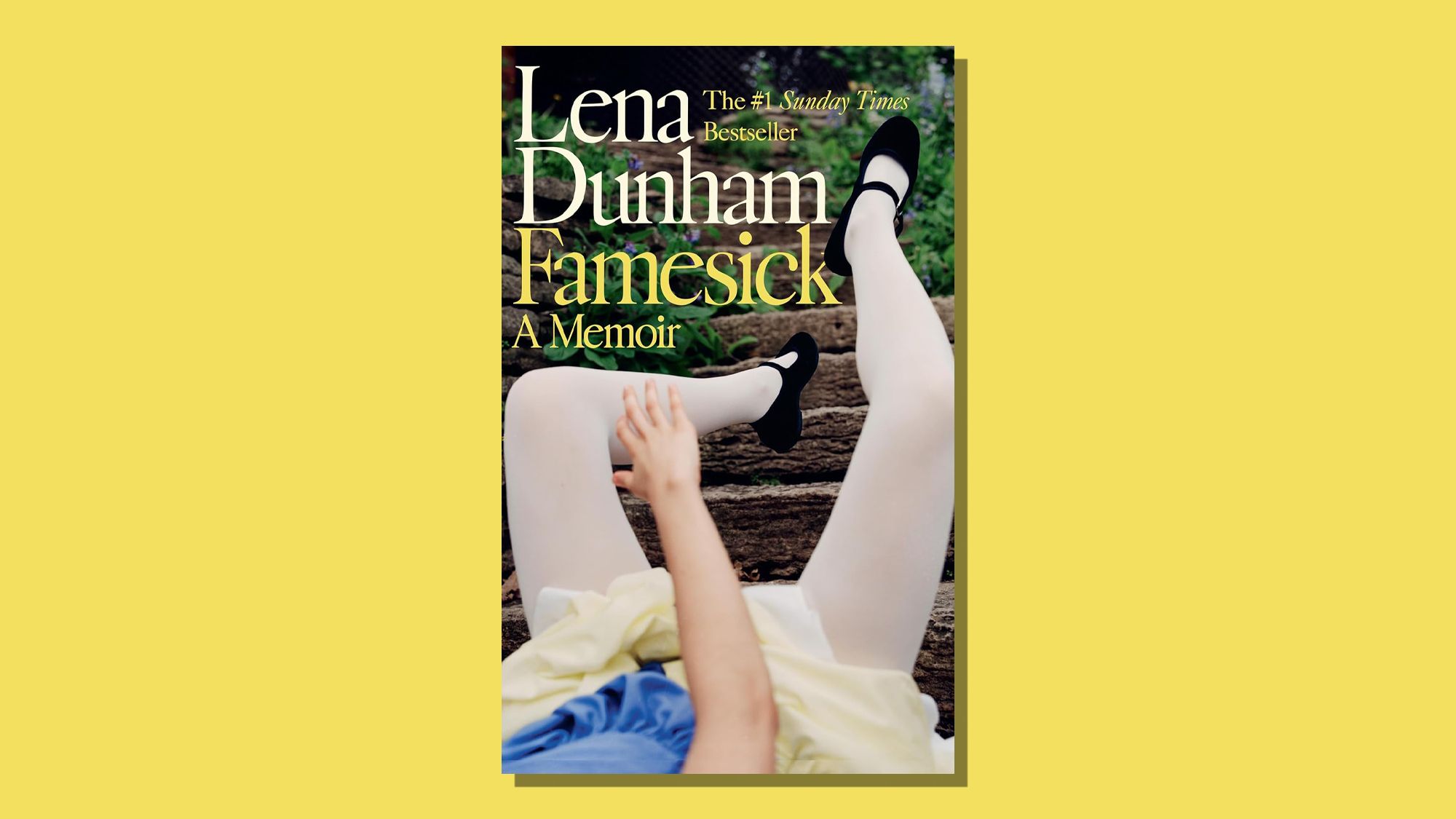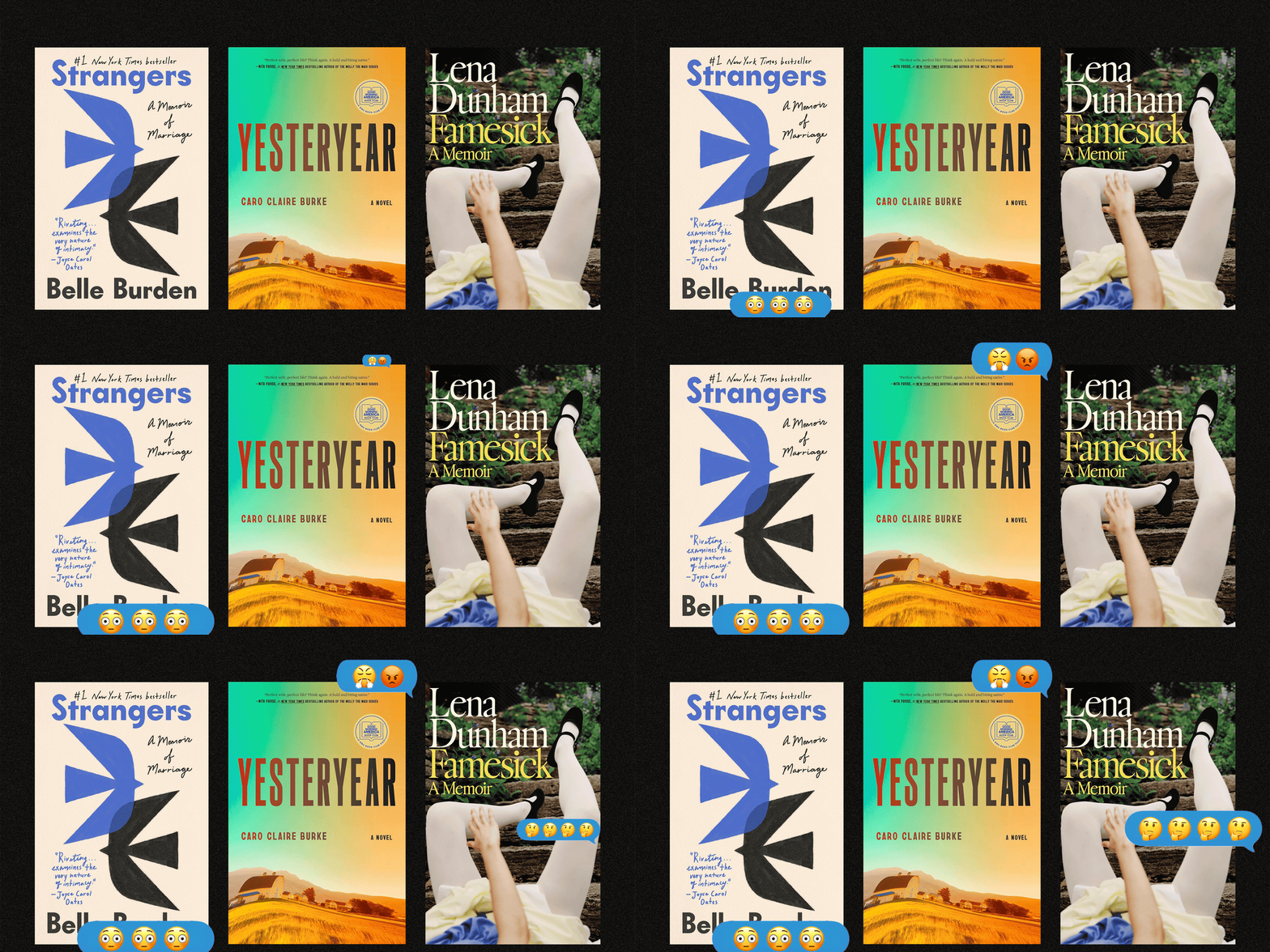
Amazon // Sarah OlivieriFor the first time in seemingly ages, books are dominating the cultural conversation. Recent memoirs by Lindy West, Lena Dunham, and Belle Burden, as well as Caro Claire Burke’s ripped-from-the-headlines tradwife novel Yesteryear, have all been wildly successful at generating buzz from traditional media and online critics alike.Over Memorial Day weekend, when The New Yorker published a look into Burden’s finances complicating what she’d laid out in her divorce memoir Strangers, group chats lit up with an intensity usually reserved for reality-TV drama. Substack in particular has been driving conversation, perhaps because newsletters allow writers to go longer than on other forms of social media. The premises of these books may have inspired more than their share of hot takes—call them ragebait lit—but the conversations around them also allow us to question where we are and what our feminist ideals have become.The last time we as a culture—particularly perpetually online, urban women—so widely discussed women’s writing was when confessional writing was at its peak more than a decade ago. The personal-essay boom of the mid-aughts has since died down, as digital women’s media has contracted and Instagram has offered an easier space for catharsis. But we like mess, especially when it’s compellingly written. In fact, we’re starved for it. And although there’s obviously pleasure in judging, there’s something more going on here: We turn to writing to learn from other people’s experiences. The authors’ names may have gotten people talking, but in group chats, subreddits, and IRL book clubs, people who’ve gone beyond the headlines and read the books are having deeper discussions about the personal feelings the memoirs bring up.In the mid-2010s, when Dunham was working on her HBO show Girls and publishing her debut memoir Not That Kind of Girl and West was writing on the feminist blog Jezebel and publishing her own debut memoir, Shrill: Notes from a Loud Woman, it was possible to envision a form of social progress coming from their writing. Now, over a decade later, so many of the problems that felt like they were somehow close to being solved, or at least named, have become drastically worse. Body positivity, championed by Dunham and West so passionately, has fallen out of fashion. Bodily autonomy has been massively degraded. We are searching for ways to empower ourselves and each other in this regressive “grab them by the pussy” era in which we find ourselves, and it’s here where Dunham’s Famesick and West’s Adult Braces find them—and us—reckoning with the world as it is now.It’s difficult not to feel like an Angry Woman these days.Dunham’s version of feminism allowed for her Girls counterpart, Hannah Horvath, to be less than perfect, to say the least, and Dunham herself has been living in the spotlight—and been making mistakes there—since she was a young woman. In Famesick, she harrowingly details her struggles with chronic illness even as she reveals misbehavior by a few of the men in her life. She is as polarizing as ever.Meanwhile, in Adult Braces, West finds her marriage to Ahamefule J. Oluo, her happy ending in Shrill, if not falling apart then becoming more complicated. He wants to open their marriage; she does not. She adapts. She learns to enjoy it, she tells us. Many of us don’t believe her. We’ve been arguing about West and Dunham for years—so much so that we tend to think we have a say in what they do next, as if their lives were our very own Choose Your Own Adventure books.If West and Dunham have kept our parasocial relationships with them well-tended, then, before 2026, the internet wasn’t entirely aware of Belle Burden. Burden, the Upper East Side socialite, had appeared in society pages but had seemingly been a private person until her husband blew up her world. “We had all been taught to fill in the hole that men left, to be quiet about men behaving badly, to move on with grace,” Burden writes in Strangers, which cracks Burden’s perfect facade and spills details of her divorce from the man who asked her for a separation and in the next breath demanded that she make him a sandwich.A few tortured bird metaphors aside, Strangers is a beautifully written account of a woman coming to terms with the reality of her relationship, which she had always assumed to be a marriage of equals. While West’s finances are precarious in Adult Braces, Burden spends more than a few pages of Strangers on who would get the vacation home in the divorce. When I asked a friend who works in publishing why the Rich People Problems of Strangers spoke to us so much, she said, “I felt like I could feel schadenfreude and a sense of superiority without shame.”When your rights are evaporating, it’s easier to make snap judgments about people you don’t know who share the details of their lives with you.If West and Dunham have always written well about being messy and Burden has unveiled a small mess of her own, then Yesteryear, the one work of fiction in the group, is all mess. In Caro Claire Burke’s debut, women have very few choices; they can be wives and mothers who live to serve their husbands and children and eat “naturally,” or they can be exploited and spit out by the corporate work cycle. Her antiheroine Natalie chooses the former and becomes an Instagram celebrity. Her politics may be the polar opposite of those of feminists like Dunham and West, but it’s Natalie herself who turns out to be the angriest woman of all. She’s an easy target of scorn. Anne Hathaway has already bought the film rights.So many of us are or have become those “Angry Women,” as Natalie, the antiheroine of Yesteryear, condescendingly refers to her Instagram followers who are too deeply invested in her life. As dimwitted and petty as Natalie portrays them, it’s difficult not to feel like an Angry Woman these days, in this unabashedly misogynistic time when women’s political capital feels like it’s diminishing rapidly. When your rights are evaporating, it’s easier to make snap judgments about people you don’t know who share the details of their lives with you—whether you love or hate them—rather than calling your elected representatives again to plead for attention for one of the thousand urgent problems that plague us.We may have hoped that by 2026, we’d be past debating books in which women define themselves by the men who’ve hurt them, but given our recent history, we’re drawn to them now more than ever. Whether we blame them or empathize with them or some combination of the two, it’s no wonder we’re having such strong reactions to these women. We may have been pulled in by the premise of these books, or by the discourse around them, or both, but talking about them is a good first step toward getting in touch with our own anger, with the hopes of learning how to turn it into something a little more useful.
The Rise of Ragebait Lit
This spring, arguing about books in the group chat is back
1,169 words~5 min read