Rising tide of censorship is spreading, reshaping what students are permitted to read, learn and think
Maia Kobabe wrote Gender Queer as a tender attempt to explain non-binary identity and the journey of sexual discovery to immediate family. “I tried to make it as sensitive and thoughtful as possible, especially given that I knew that my mother would read it,” the author says. “I was trying to build bridges, trying to connect with people, trying to be understood as my full authentic self by my family and my friends and my community.”
But then came culture wars and a concerted effort by reactionary forces to turn back the clock. For three consecutive years, Gender Queer was the most challenged title by would-be book banners. Speaking from Santa Rosa, California, Kobabe, 36, recalls: “Many of the people who challenged my book in the early years, when it was conservative parents speaking up at school in board meetings, would hold it up and say this book is inappropriate or it’s pornography and then they would proudly say: ‘I’ve never read it.’”
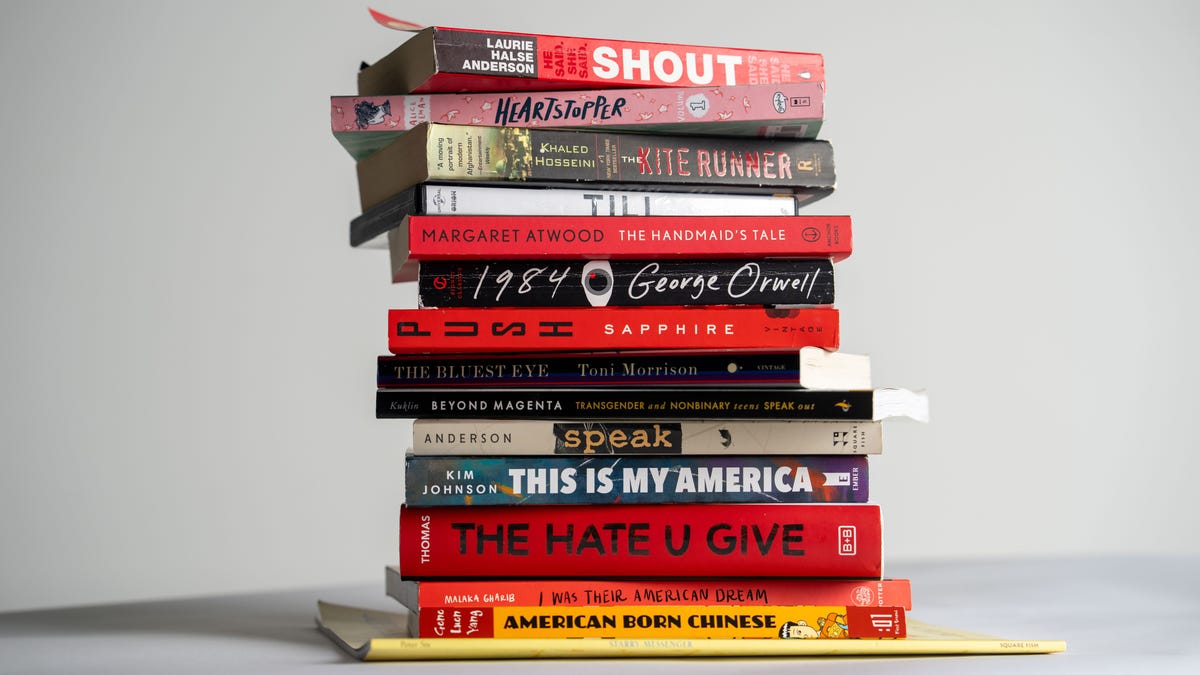
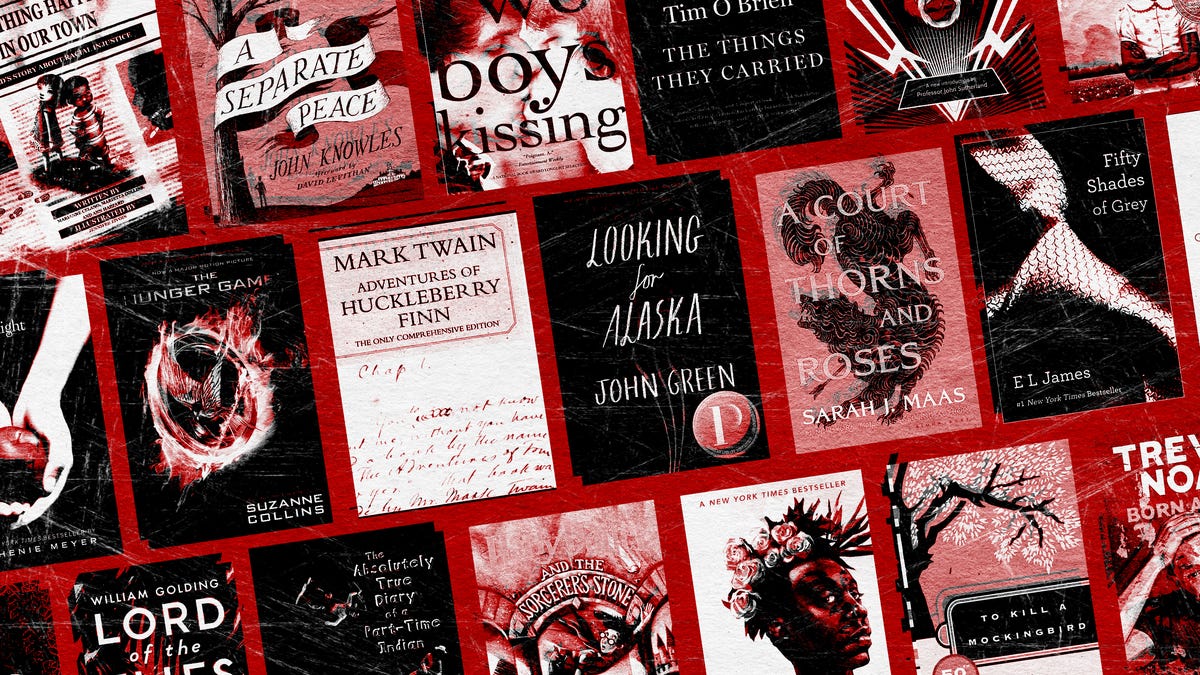
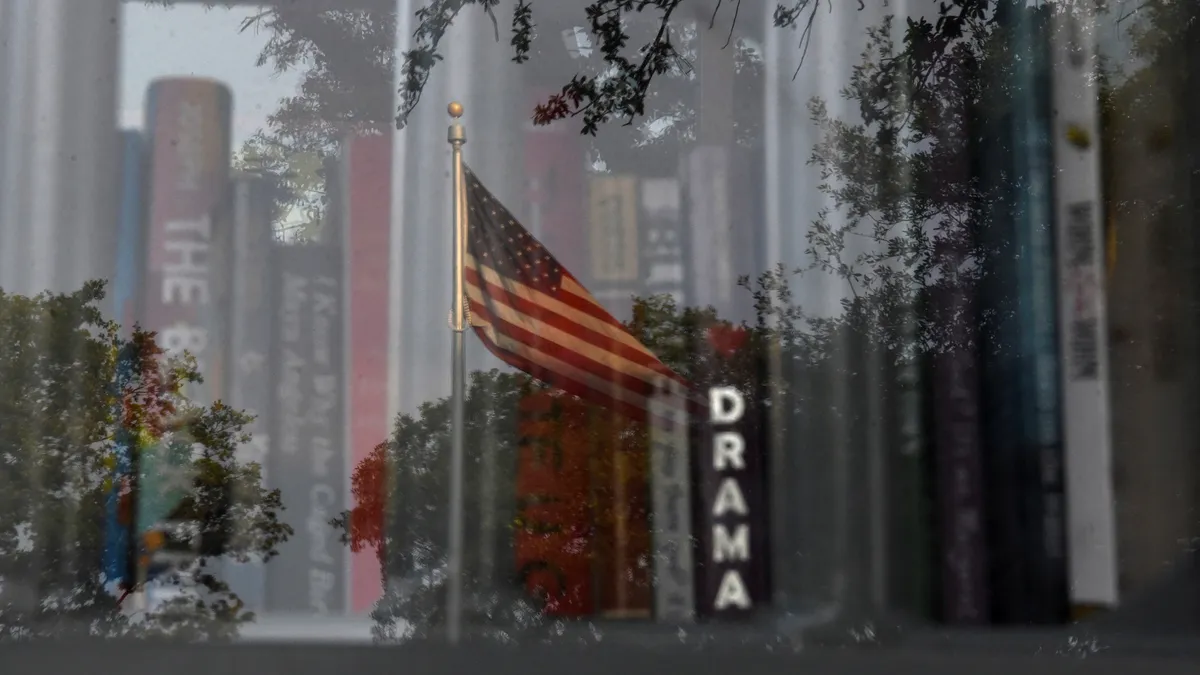
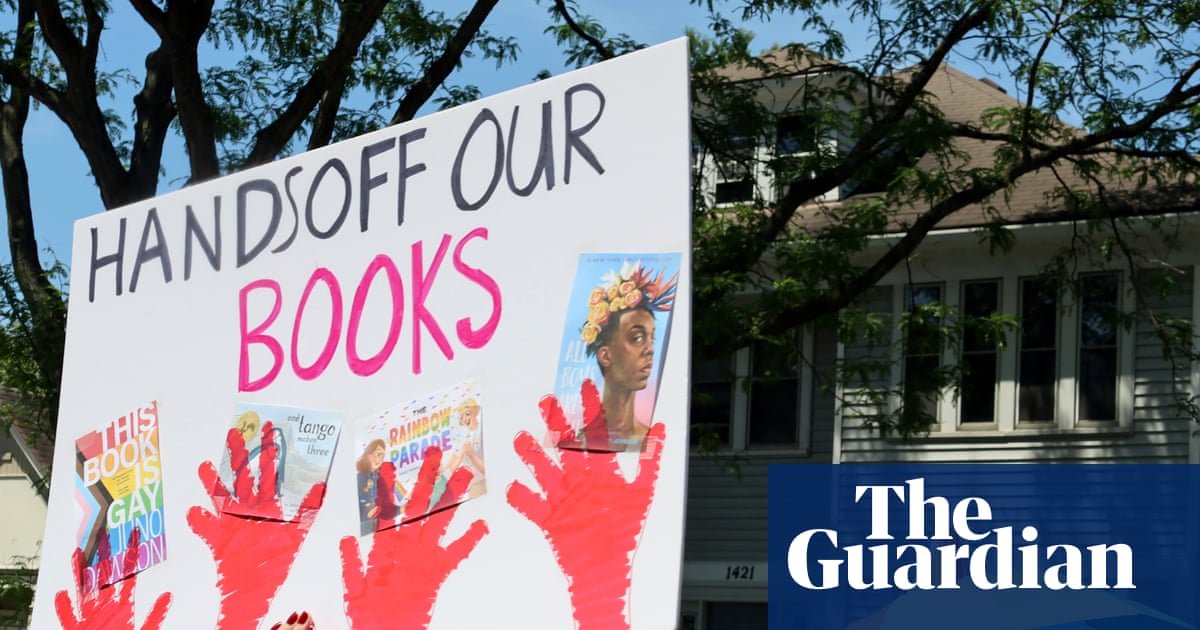
Across the US a rising tide of censorship is sweeping through public schools and libraries, fundamentally reshaping what young Americans are permitted to read, learn and think. What might once have been the preserve of an isolated, overly concerned parent writing a polite letter of complaint to a local school board is now in the hands of a carefully orchestrated, well-funded and deeply politicised campaign.