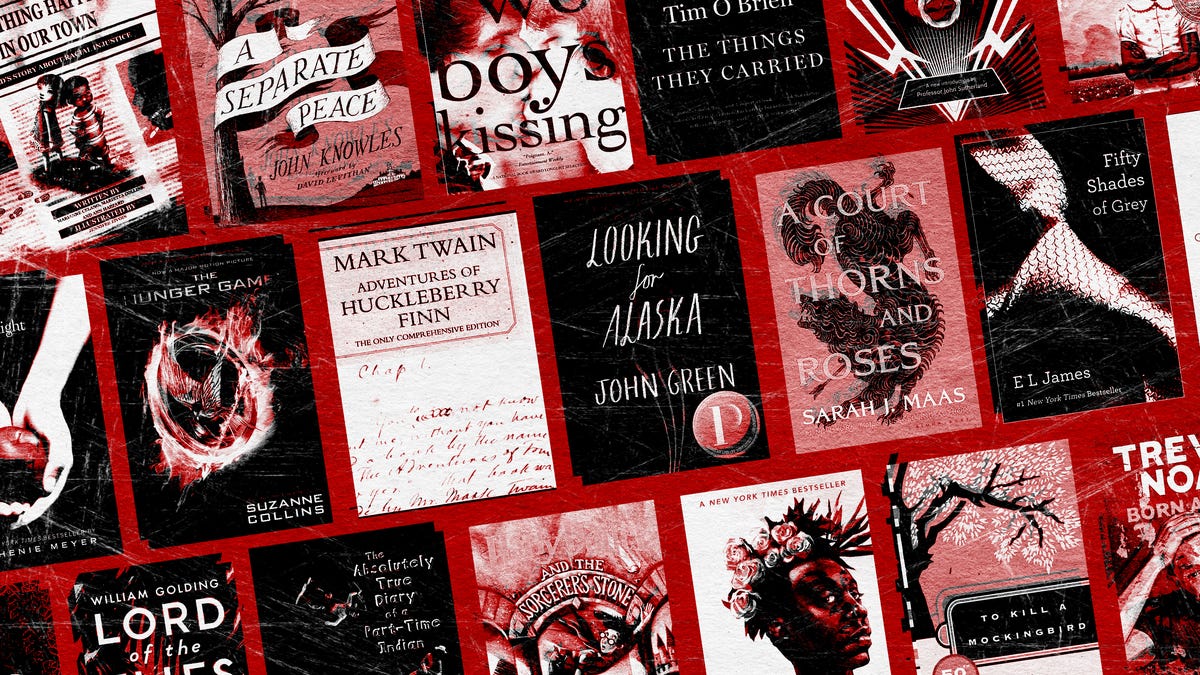
As journalists, it's our job to seek out the truth even when it's uncomfortable. We value diverse perspectives, are open to new ideas and respect intellectual freedom. So it should come as no surprise that the thought of banning a book would get us riled.
What happens when a book is challenged in school boards and public libraries? Titles can be removed from school curriculums or library shelves. Most public schools and libraries have boards made up of elected officials or members appointed by elected officials. It is by the power of these officials that a book can go from challenged to banned in a school district or public library.
Sure, there is the argument you can just purchase a book if it's taken off public shelves. But that is true only for those with financial resources. For many, particularly children and young adults, school and public libraries are the only means to access literature.
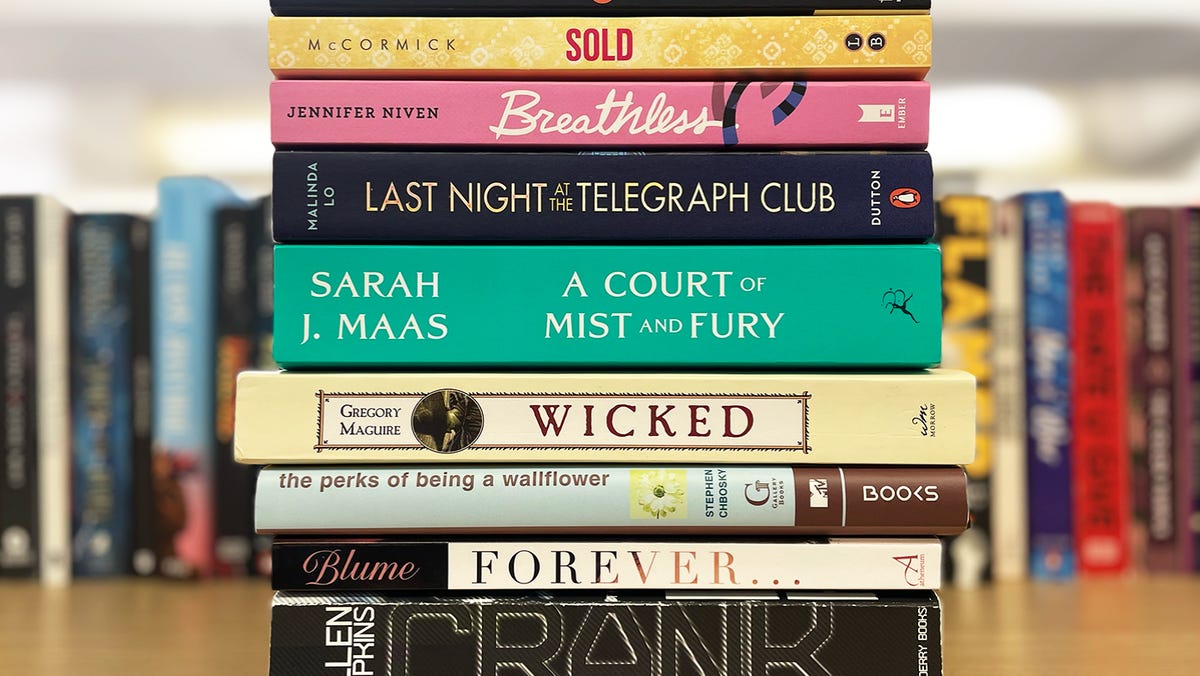
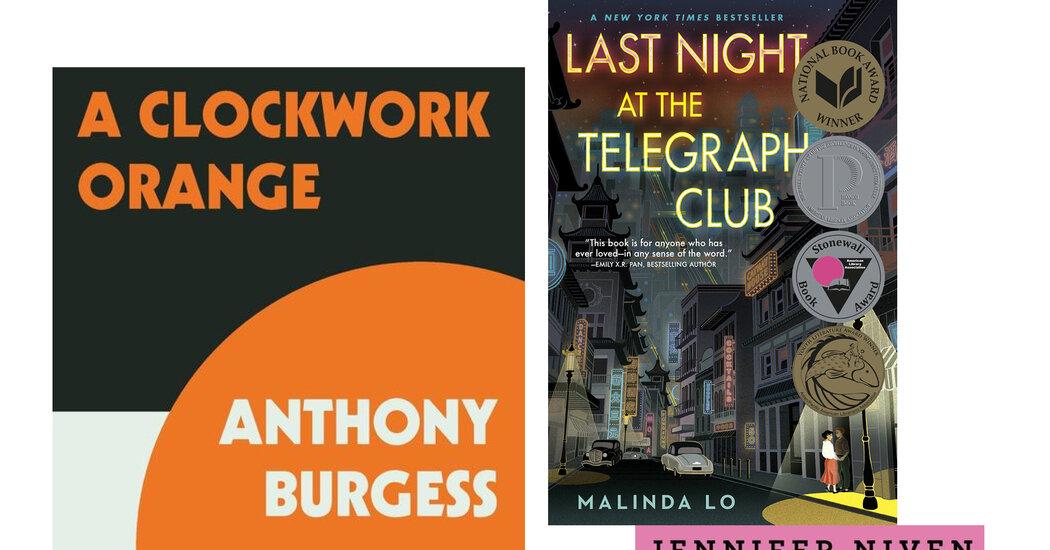
With that in mind, current and former USA TODAY staff picked a challenged or banned book that was meaningful to them. In the books' defense, we've written why they deserve a place in our schools, libraries and society.
Young people don’t typically seek out stories about grief, but I did after being hit with the sour reality that terrible things can happen to those you love and the world just moves on. Clinging to my signed first-edition, which I reread multiple times and used quotes from in my journal, is something of a core memory to my 12-year-old self. This book is challenged for explicit writing, but it offered the "stick-it-to-the-man"ness I needed to defy expectations and endeavor to be better than the generation that came before. Over a decade after my first read, I can still feel the protest that John Green's words invoked to seek growth and understanding above all. And that grief never leaves you, it only grows with you. – Sam Woodward