From Instagram poetry to Greek classics, the works of fiction that have caused uproar through history – and into the present
T
he banning of books, it would be easy to think, is a relic of less enlightened ages. The Catholic church, in a last spasm of rectitude, added Jean-Paul Sartre, Alberto Moravia and Simone de Beauvoir to its Index of Forbidden Books during the 1940s and 50s, but then abandoned the list, which had lasted four centuries, in 1966.
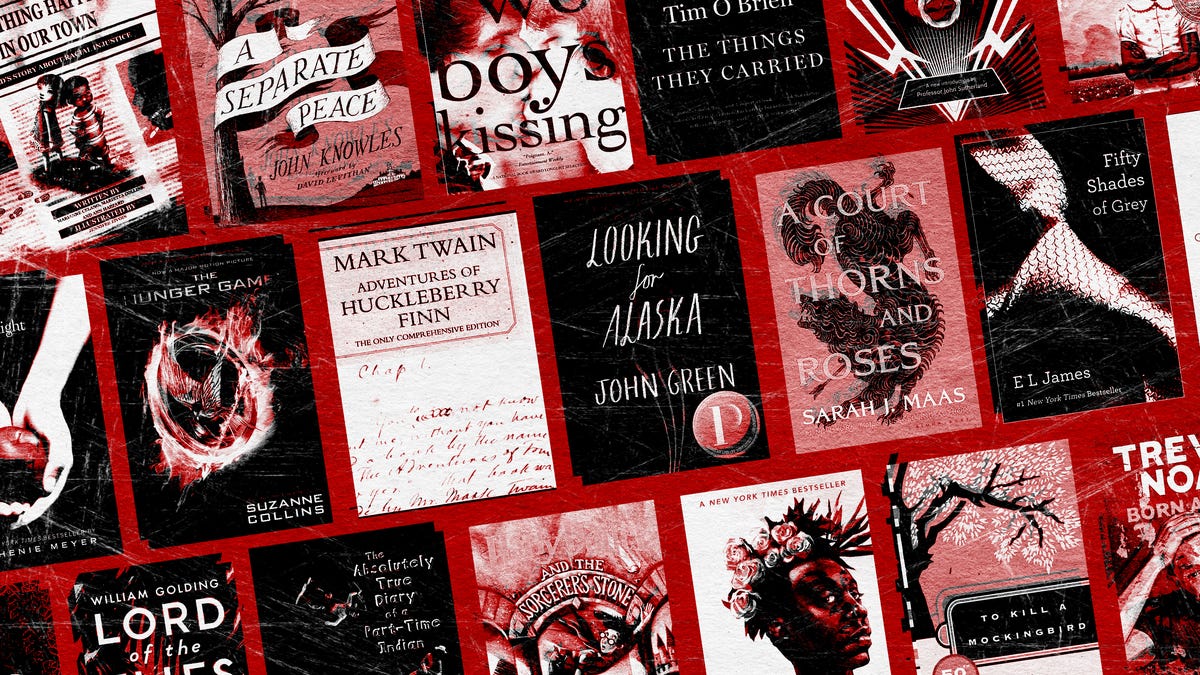
Public book burnings by Nazis or McCarthyites, too, might be assumed to be nothing more than a baleful warning from the past. Yet the burning of books still appears an irresistible act to some – even in the country with the strongest statutory protection of free speech, the United States. In 2019, students at Georgia Southern University burned copies of visiting Cuban-American author Jennine Capó Crucet’s Make Your Home Among Strangers, some shouting “Trump 2020!”. In 2022, the Nashville pastor Greg Locke held a public bonfire for “demonic” books, including the Harry Potter and Twilight series.
Censorship used to occur largely at the level of governments or other transnational authorities. It still does in authoritarian countries such as Iran and China, but western states generally liberalised in the mid-20th century. Yet a weaker form of censorship has long persisted within the American school system, where individual books are subject to “challenge” by parents who consider them inappropriate material for their children. Often, school boards will respond by removing those books from school libraries, in which case they have effectively been banned.