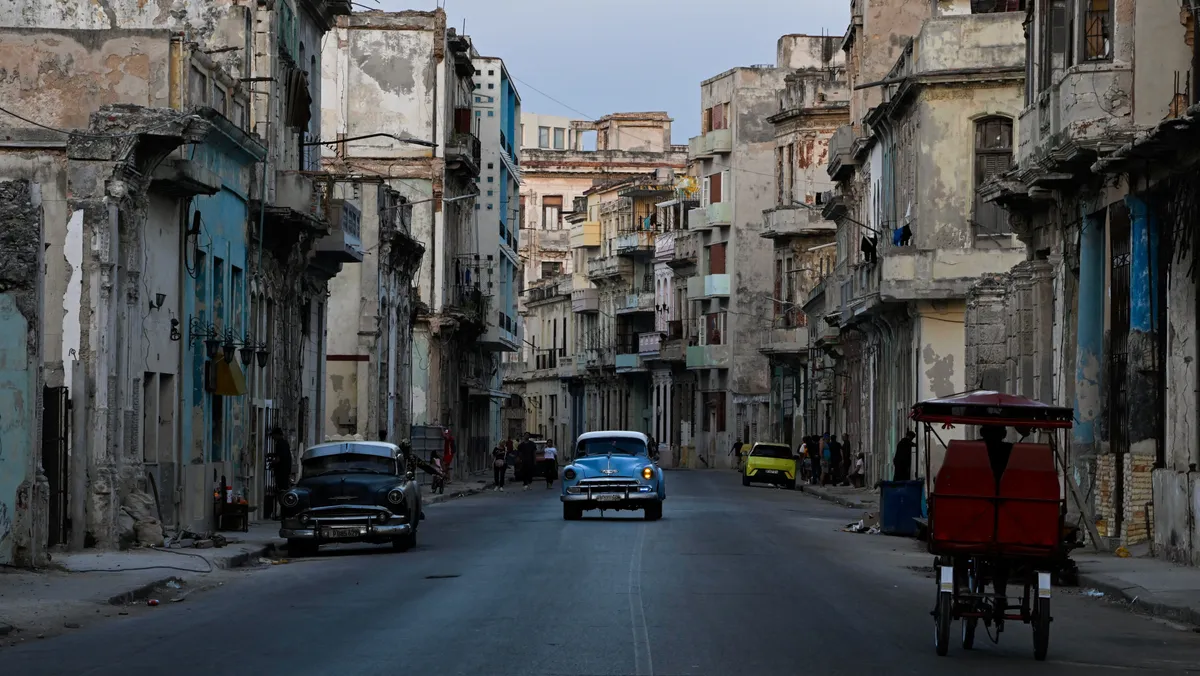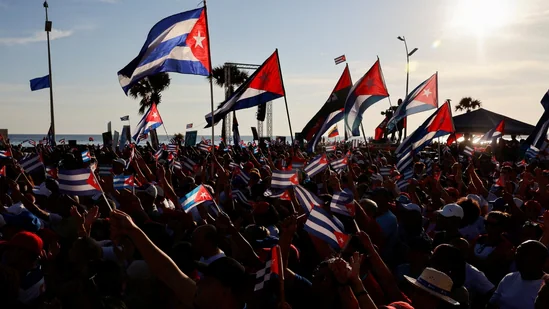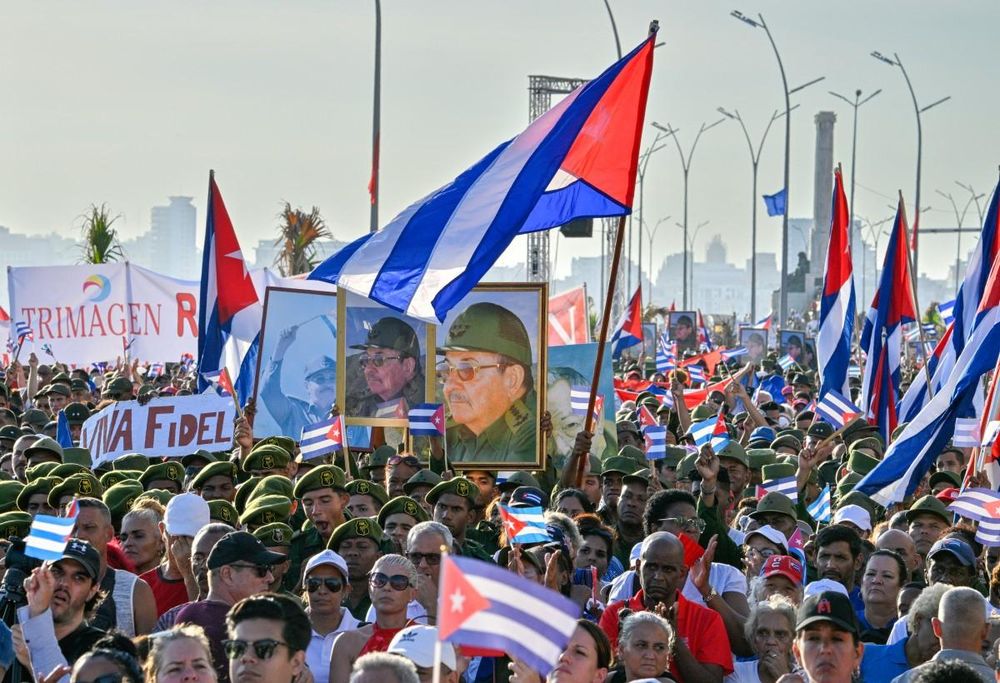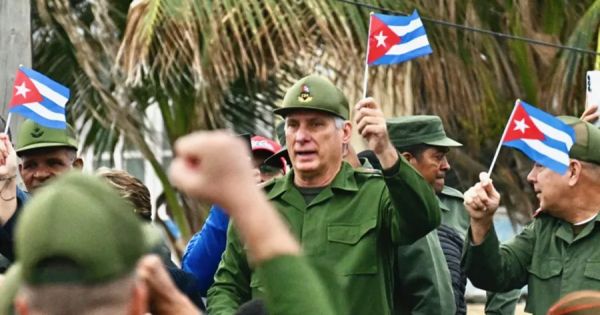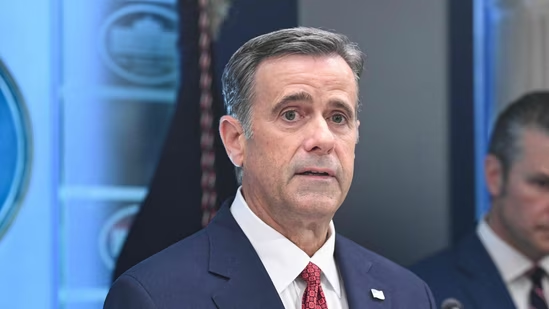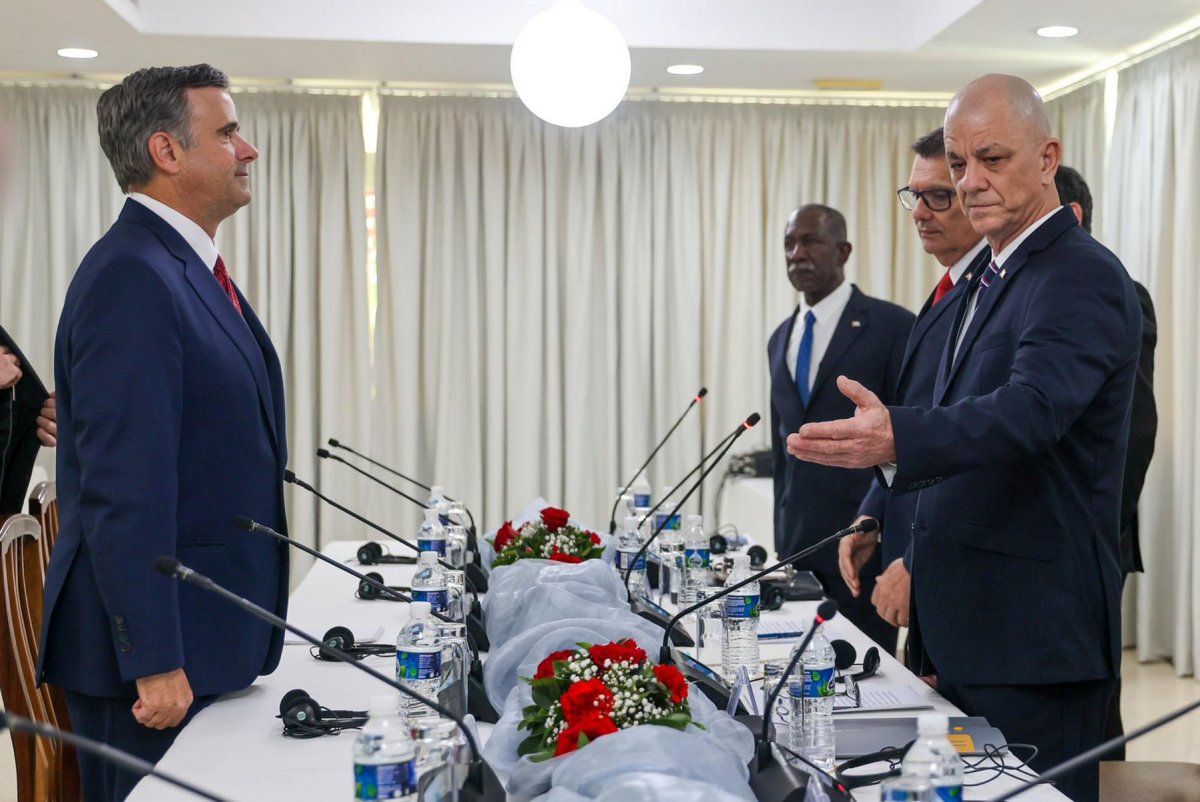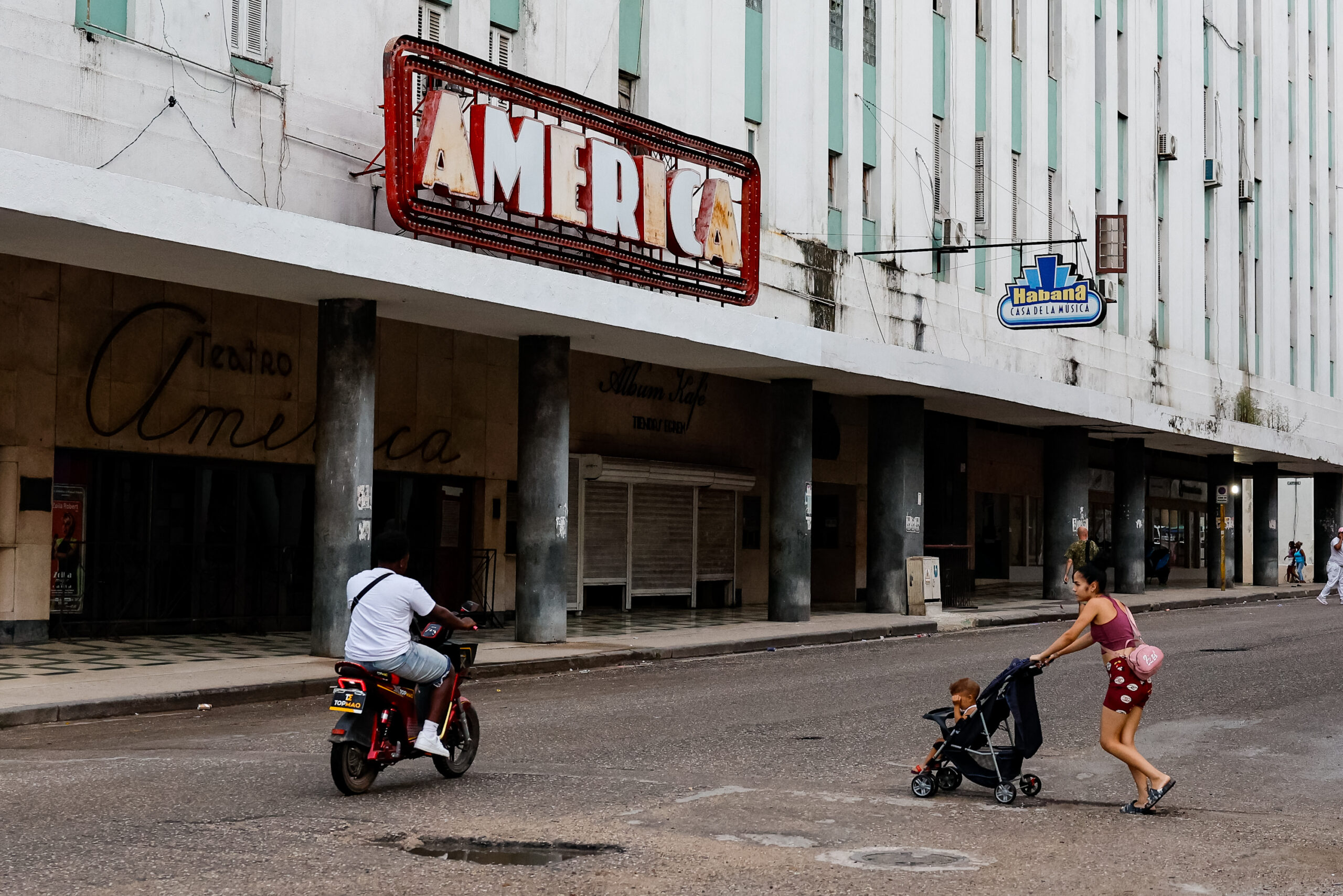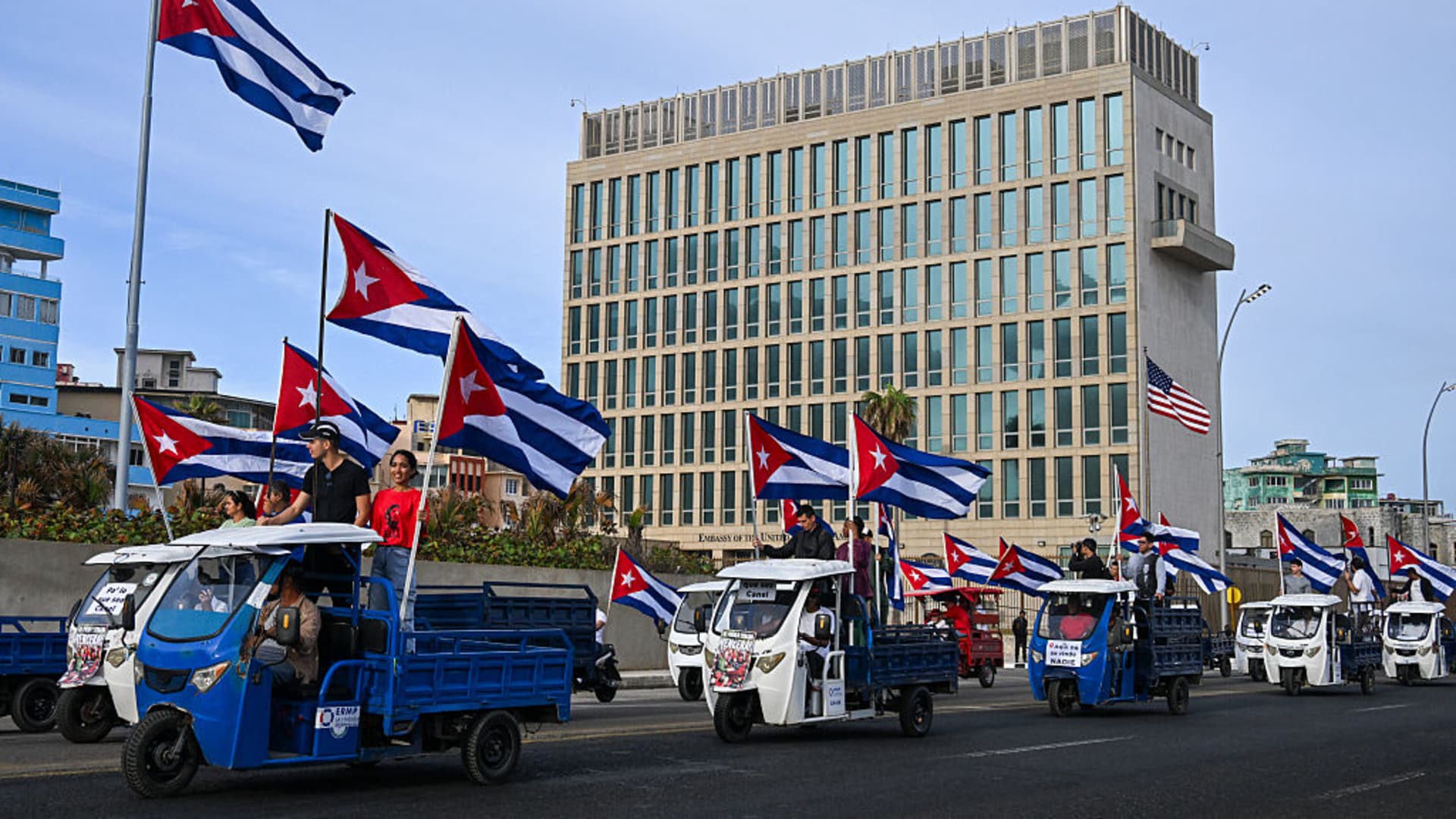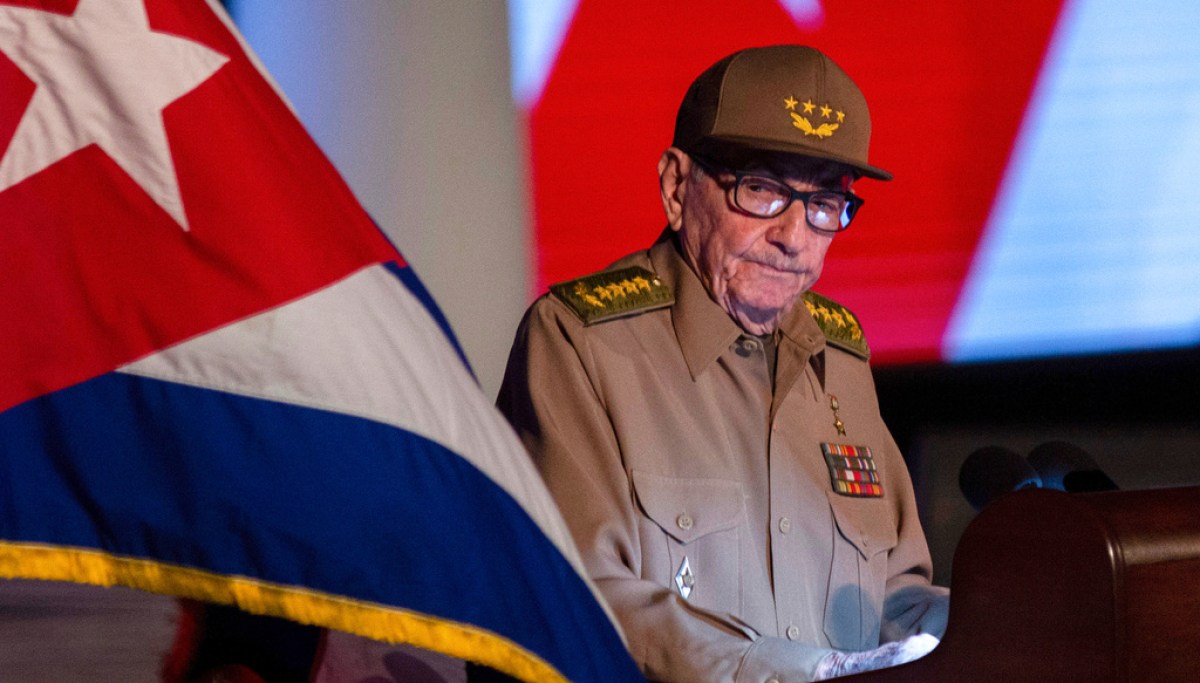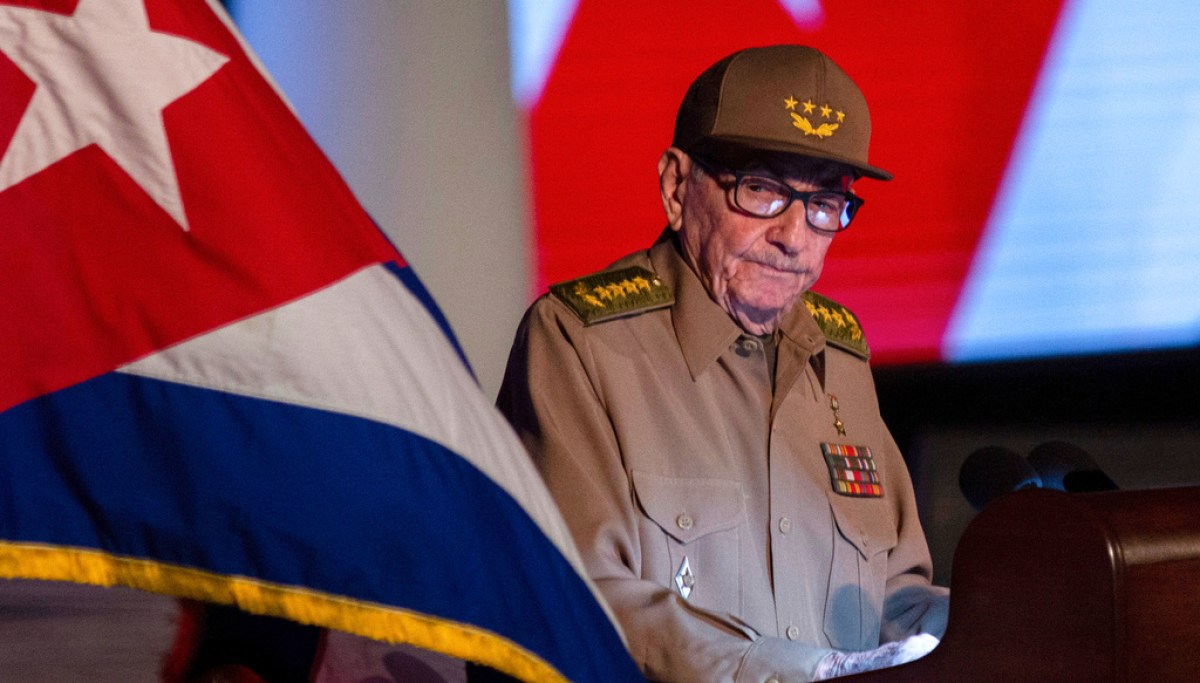
Washington does not typically indict foreign heads of state, deploy carrier strike groups to the Caribbean, and dispatch its CIA director on a surprise visit to Havana in the same week. When it does all three simultaneously, while delivering a direct public address to the target nation’s population, the moves represent a coordinated strategic signal. On May 14, CIA Director John Ratcliffe made a surprise visit to Havana, the highest-level American intelligence official to set foot on Cuban soil in decades. That same week, the Justice Department unsealed an indictment against Raul Castro, 94, for his involvement in the 1996 shoot-down of two civilian aircraft. Simultaneously, the USS Nimitz carrier strike group entered the southern Caribbean, and Secretary of State Marco Rubio delivered a pointed address directly to the Cuban people, bypassing the regime. This convergence marks the opening phase of a serious effort to force a fundamental reckoning in Havana.
Raul Castro: The shadow ruler
While Miguel Diaz-Canel holds the formal titles of president and first secretary of the Communist Party, few serious analysts believe he wields real power. Decisive control remains with Castro and the Cuban military. Even after stepping down from formal roles, Castro retains the rank of army general and ultimate influence over the military elite.