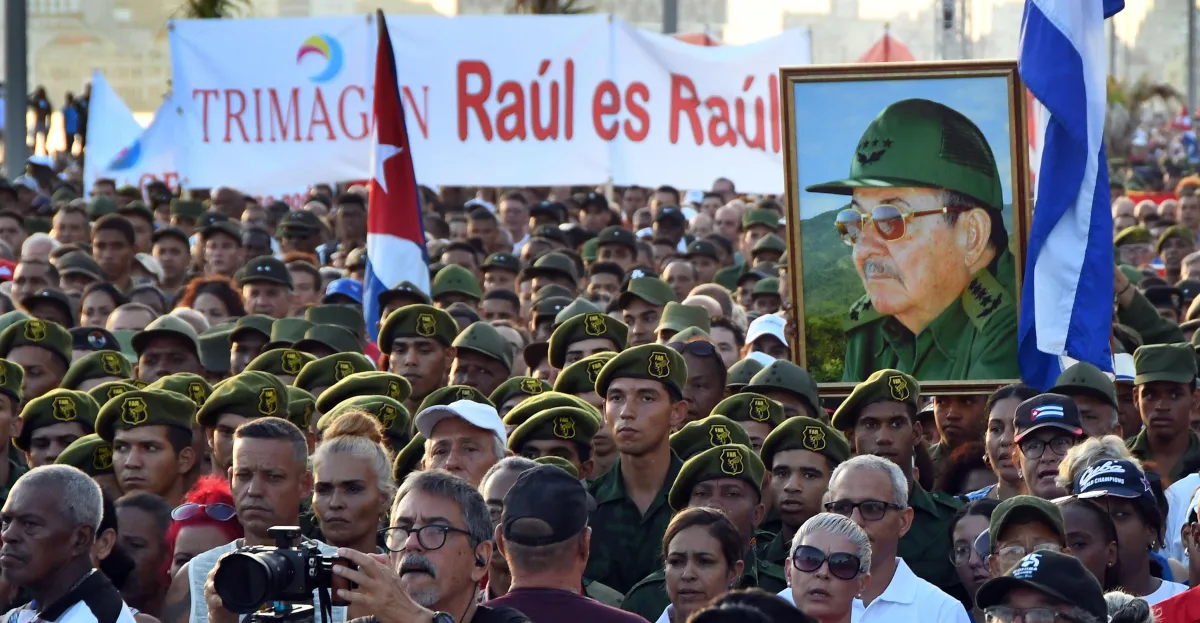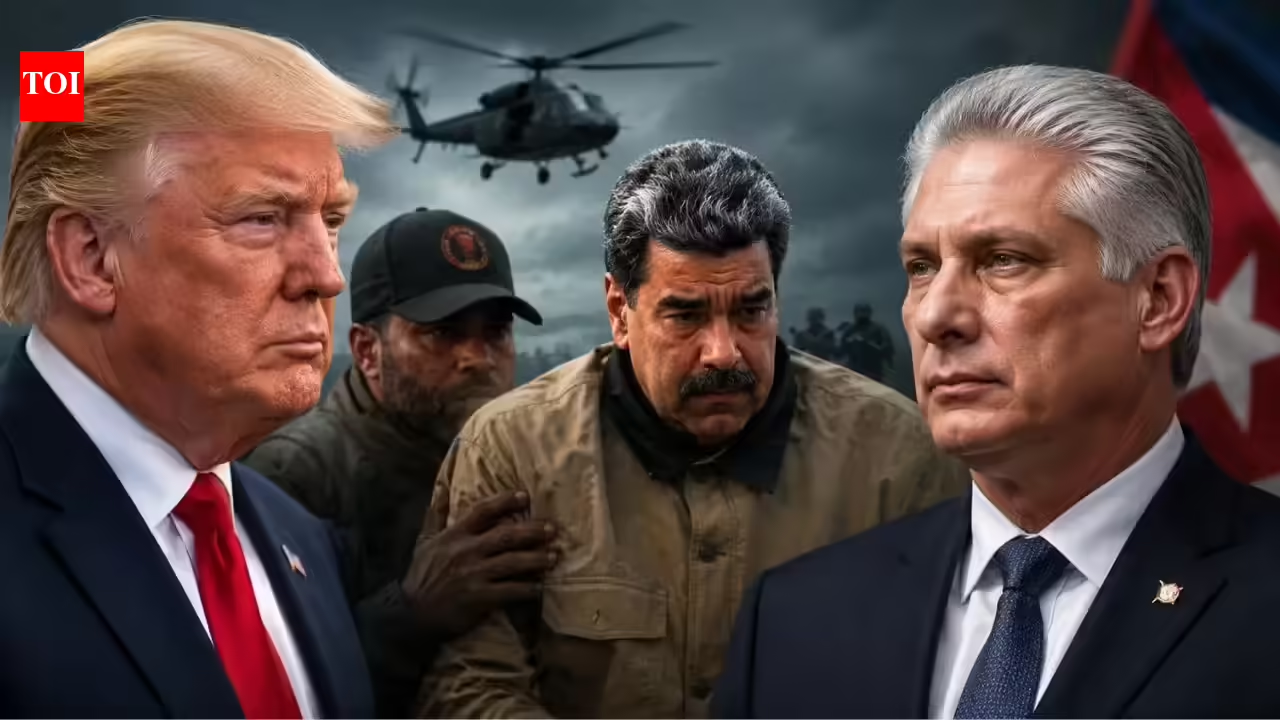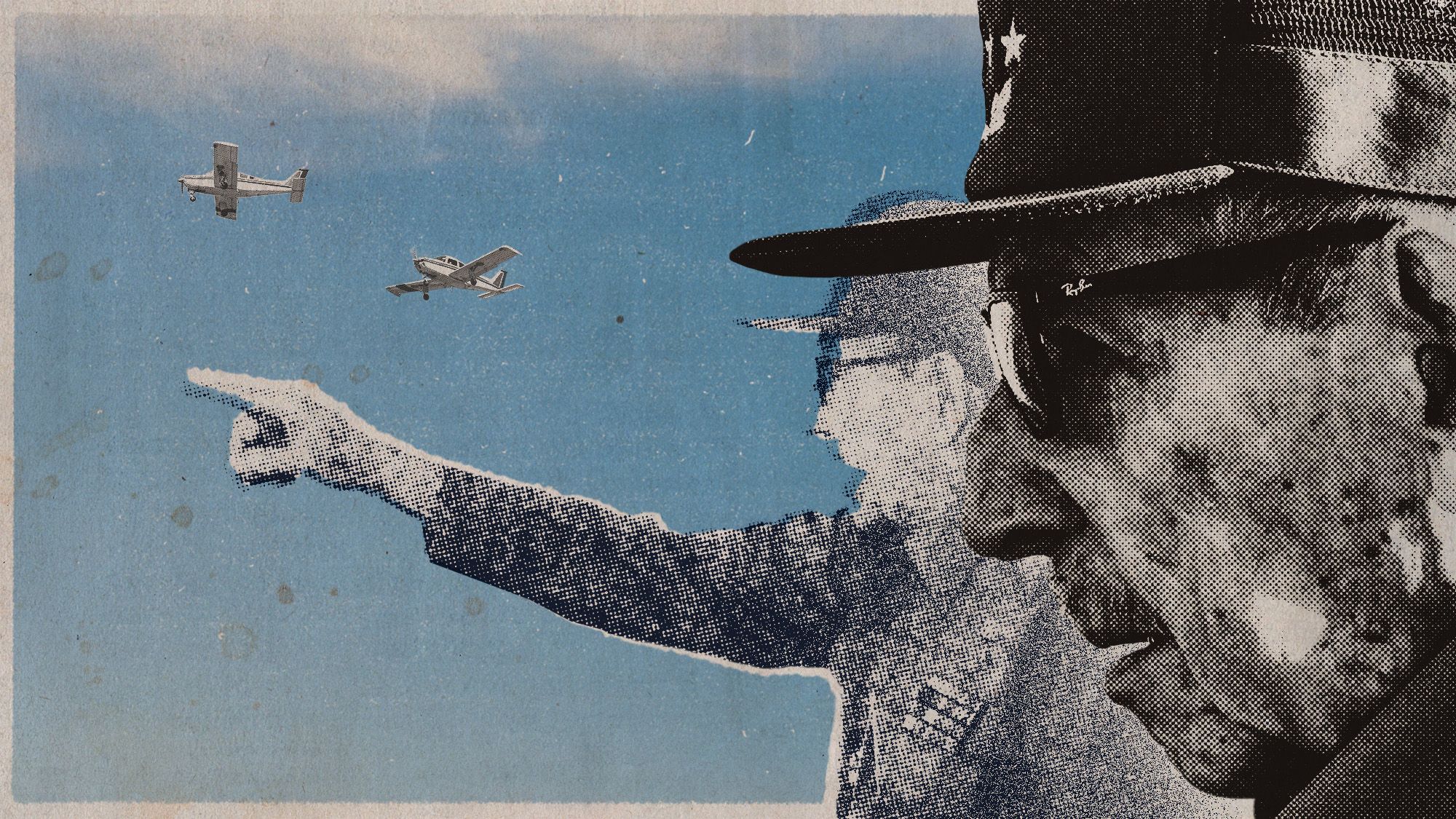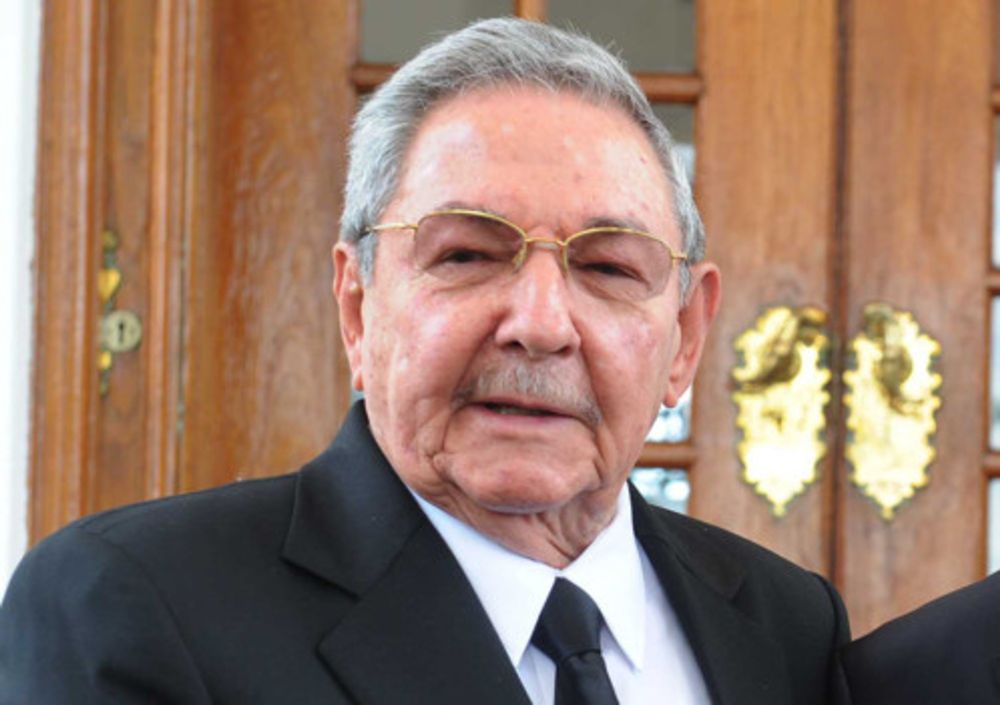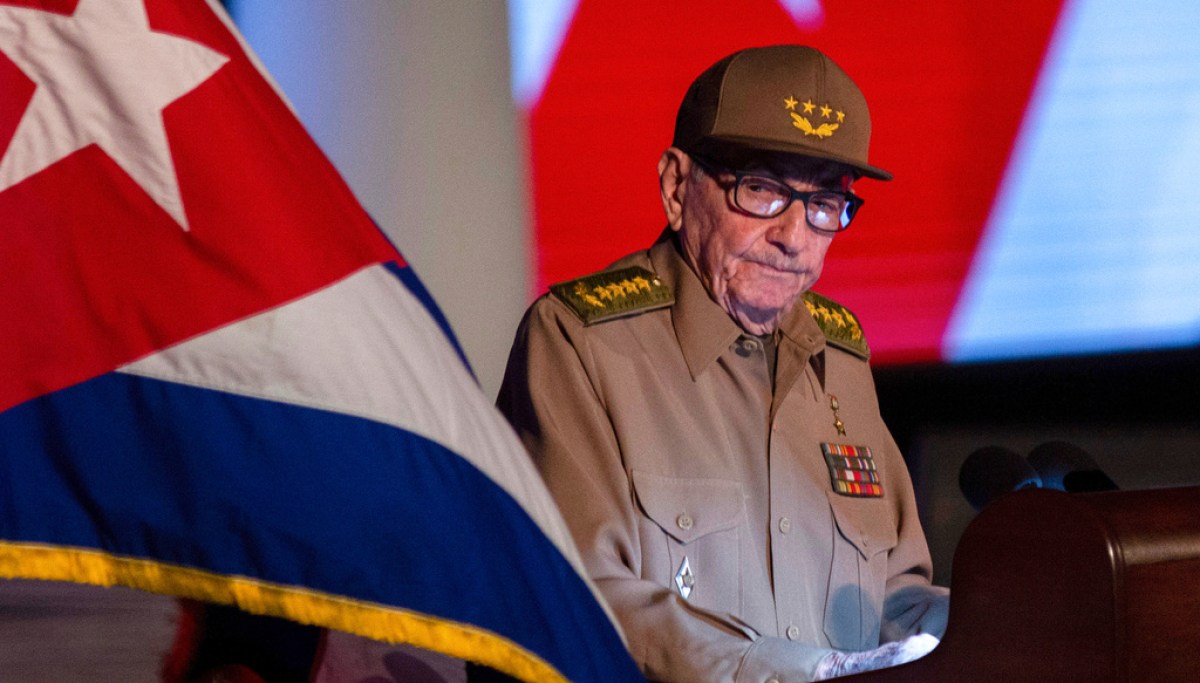
The recent U.S. indictment of Cuba’s 94-year-old former leader, Raul Castro, is far more than a symbolic legal gesture. It is the clearest sign yet that the Trump administration is reviving the same pressure campaign it used against Venezuela and is attempting to apply it to Havana.The federal charges stem from a 30-year-old tragedy: the 1996 shootdown of two civilian aircraft operated by the Miami-based Brothers to the Rescue organization, which killed four men, including three U.S. citizens. Prosecutors allege that Castro, acting as Cuba’s defense minister at the time, directly authorized the attack.But the timing is meaningful. The administration has already shown how criminal indictments can be turned into instruments of regime pressure and political transition. Earlier this year, U.S. forces captured former Venezuelan dictator Nicolas Maduro in a rapid operation and transferred him to New York to face drug-trafficking and weapons charges.
Now, Havana fears it is next. The rhetoric out of Washington increasingly mirrors the early stages of a forced transition strategy. While President Donald Trump has publicly suggested that escalation may not be necessary, he has also warned that the United States will no longer tolerate a “rogue state” just 90 miles from Florida’s coast. Some lawmakers have gone even further. Sen. Rick Scott (R-FL) openly suggested that what happened to Maduro should also happen to Castro.